What is lowbrow art?
Short answer
Lowbrow art, also known as pop surrealism, is an underground visual art movement that emerged in the late 1970s. It draws inspiration from punk music, underground comix, hot-rod culture, and kitsch. By rejecting the elitist nature of the traditional fine art world, it embraces accessible, humorous, and often subversive imagery.
On this page
What is the history of lowbrow art?
The movement originated in Southern California during the late 1970s, serving as a direct reaction against the minimalist and conceptual art dominating galleries at the time. Artists sought to create work that reflected the grit and energy of street culture rather than the sterile environment of high-end institutions. Robert Williams, a former contributor to Zap Comix, is widely credited with coining the term "lowbrow" to describe this aesthetic. He wanted to highlight the disconnect between mainstream art critics and the vibrant, rebellious work being produced on the fringes of society.
Throughout the 1980s and 1990s, the movement gained momentum through underground magazines and independent galleries like La Luz de Jesus in Los Angeles. It bridged the gap between "high" art and "low" culture, proving that cartoons, hot rods, and pulp fiction could hold profound artistic value. Today, the movement is a global phenomenon, with many lowbrow artists transitioning into mainstream galleries while maintaining their signature stylistic roots.
What are the characteristics of lowbrow art?
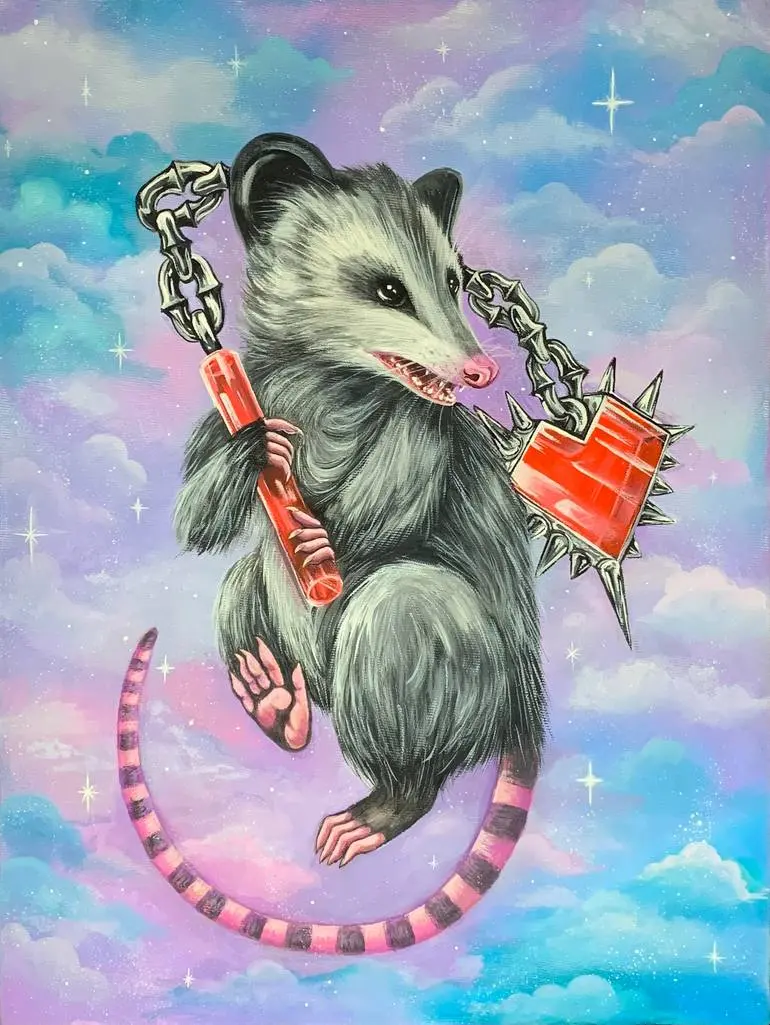
Lowbrow art is defined by its vibrant color palettes, technical precision, and a penchant for the bizarre. It often incorporates elements of satire, dark humor, and exaggerated character designs that feel reminiscent of vintage animation or comic books. While the themes can be playful, they frequently touch on social commentary, existential dread, or the absurdity of modern life.
The aesthetic is heavily influenced by several distinct cultural pillars:
- Hot-rod culture: Featuring chrome, flames, and custom vehicle designs.
- Underground comix: Utilizing bold outlines and narrative-driven, often transgressive, imagery.
- Kitsch: Embracing nostalgic, mass-produced items like porcelain figurines or vintage advertisements.
- Surrealism: Distorting reality to create dreamlike or nightmarish scenarios.
By blending these disparate influences, lowbrow artists create a visual language that is instantly recognizable and deeply nostalgic. It prioritizes storytelling and emotional impact over the abstract theories often favored by traditional art historians.
How to identify lowbrow art styles
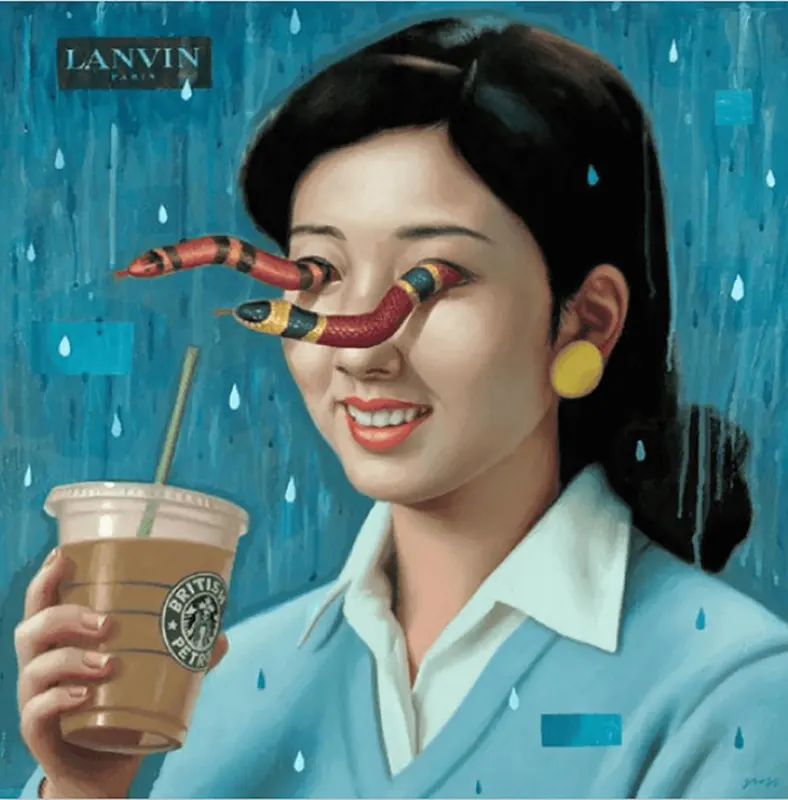
Identifying lowbrow art requires looking for specific visual cues that deviate from academic fine art standards. You will often notice a high level of rendered detail, similar to the work of masters like Salvador Dalí, but applied to subjects traditionally considered "trashy" or "juvenile." The goal is to elevate the mundane or the grotesque into something that commands attention and respect.
When evaluating a piece, consider these common stylistic markers:
- Look for exaggerated anatomy or facial features that evoke a sense of caricature.
- Observe the use of saturated, high-contrast colors that pop off the canvas.
- Check for references to pop culture, such as iconic toys, movies, or advertisements.
- Note the presence of "outsider" themes, such as monsters, aliens, or rebellious youth.
- Evaluate the composition for a sense of narrative energy, as if the image were a single frame from a larger, strange story.
Why do people collect lowbrow art?
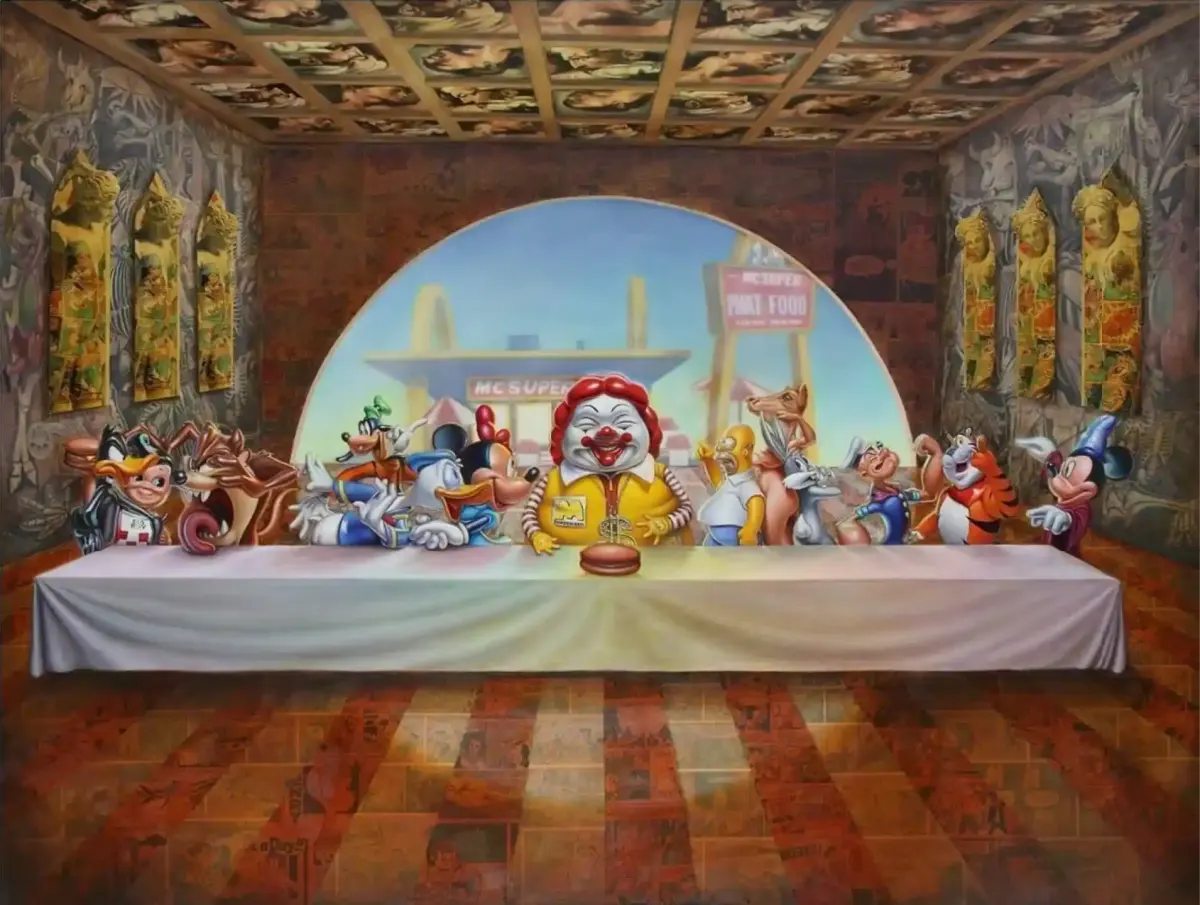
Collectors are drawn to lowbrow art because it feels authentic, personal, and unpretentious. Unlike traditional fine art, which can feel intimidating or inaccessible to the average viewer, lowbrow art invites the audience to participate in the joke or the narrative. It celebrates the quirks of human nature and the beauty found in the unconventional, making it highly relatable for many contemporary buyers.
Furthermore, the movement has a strong community aspect. Many collectors attend conventions and gallery openings where artists are accessible and engaged with their fans. This sense of belonging, combined with the often playful and colorful nature of the work, makes it a popular choice for home decor and private collections. As the movement has matured, some early pieces have also become significant financial assets, attracting serious investors who recognize the historical importance of this cultural shift.
Common mistakes when starting an art collection
A frequent error for new collectors is confusing lowbrow art with low-quality art. While the movement intentionally uses "low" cultural themes, the technical skill required to produce these works is often exceptionally high. Beginners should avoid purchasing mass-produced prints that lack artistic intent, as these do not represent the movement’s core philosophy of subverting high-art standards through skilled craftsmanship.
Another mistake is failing to research the artist’s background and involvement in the scene. Genuine lowbrow art is often tied to specific subcultures; understanding the context—such as the artist’s history with zines or underground music—can significantly enhance your appreciation of the piece. To build a meaningful collection:
- Do not prioritize trends over personal preference; choose pieces that resonate with your own aesthetic sensibilities.
- Avoid buying solely for investment purposes, as the market for underground art can be volatile.
- Ensure you are purchasing from reputable galleries that support the artists directly.
- Take the time to learn about the history of the specific sub-genre, such as the difference between "pop surrealism" and "hot-rod art."
By following these guidelines, you can build a collection that is both personally satisfying and reflective of one of the most vibrant art movements of the last fifty years.
Key facts
- Lowbrow art, also known as pop surrealism, emerged in the late 1970s in the underground Los Angeles art scene.
- The movement draws heavy inspiration from comic books, punk music, hot-rod culture, and kitsch imagery.
- Robert Williams, a former underground cartoonist, is credited with coining the term "lowbrow" to describe this aesthetic.
- Juxtapoz Art & Culture Magazine, founded in 1994, became the primary platform for documenting and popularizing the genre.
- Unlike traditional fine art, lowbrow art often prioritizes technical skill and narrative humor over abstract conceptualism.
- To identify lowbrow art, look for vibrant color palettes, exaggerated character proportions, and themes that blend the grotesque with the whimsical.
The bottom line
Lowbrow art represents a vibrant rebellion against the exclusivity of the traditional art world. By embracing pop culture icons, underground comics, and surrealist humor, the movement democratized creativity and bridged the gap between street culture and fine art galleries. Whether you are a collector or an aspiring creator, understanding this genre requires looking past the surface to appreciate the technical skill behind the playful, subversive imagery.
People also ask
Is lowbrow art considered less valuable than fine art?
While historically dismissed by elite galleries, the movement has gained significant institutional recognition. Many original lowbrow pieces now command high prices at auctions and are featured in major museums worldwide.
How can I start a lowbrow art collection on a budget?
You can begin by purchasing limited-edition screen prints or zines directly from independent artists. Many practitioners sell affordable merchandise that captures the movement's spirit without the premium price tag of an original canvas.
What is the difference between kitsch and lowbrow art?
Kitsch refers to mass-produced, sentimental objects often viewed as "tacky," while lowbrow is a deliberate artistic movement. Lowbrow artists often intentionally utilize kitsch aesthetics to create sophisticated, subversive, or ironic visual narratives.
Are there specific techniques used in lowbrow painting?
Many artists in this genre use traditional oil or acrylic techniques to depict non-traditional, cartoonish subjects. This contrast between classical execution and "low" subject matter is a hallmark of the movement's technical style.
Can I learn to create lowbrow art if I am a beginner?
Yes, you can start by practicing character design with exaggerated features and bold, saturated colors. Focus on storytelling through your art rather than striving for photorealism, as the genre values personality and narrative impact above all.
What is the biggest mistake to avoid when exploring lowbrow art?
Avoid assuming the art lacks technical depth just because the subject matter feels familiar or "pop." Many lowbrow artists are highly trained professionals who choose to challenge the boundaries of what is considered "high" culture.
This answer was created with the help of AI research tools and reference sources. Spotted an error? Let us know — we correct mistakes quickly. See our editorial policy.