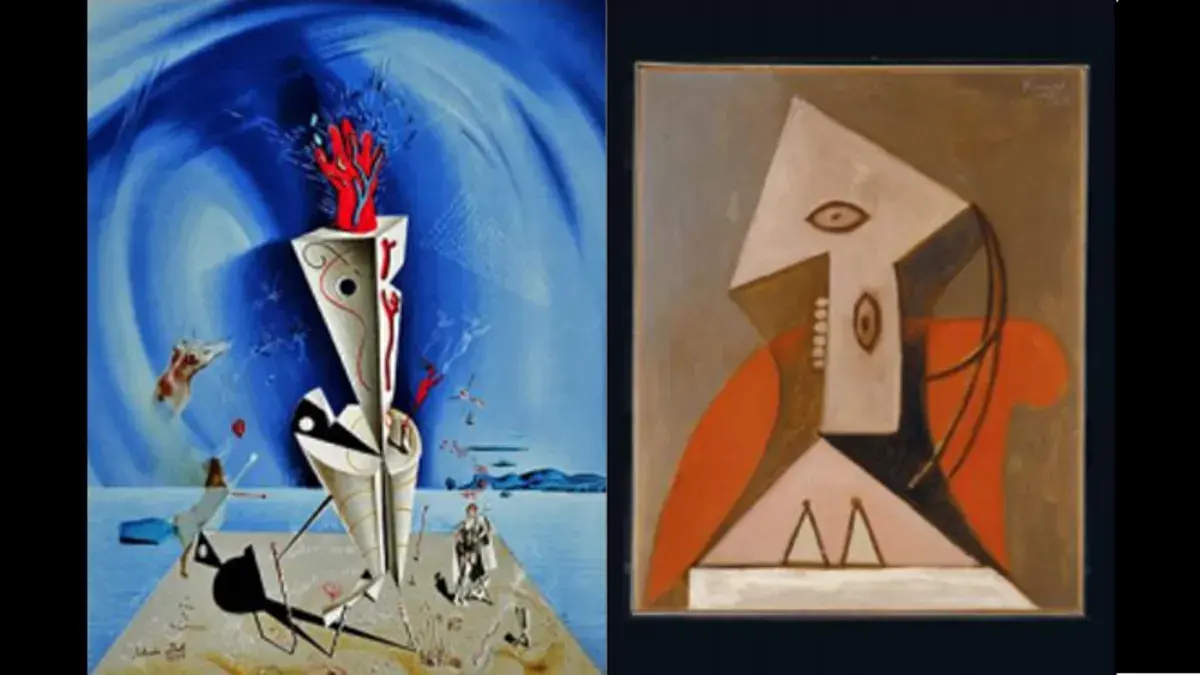
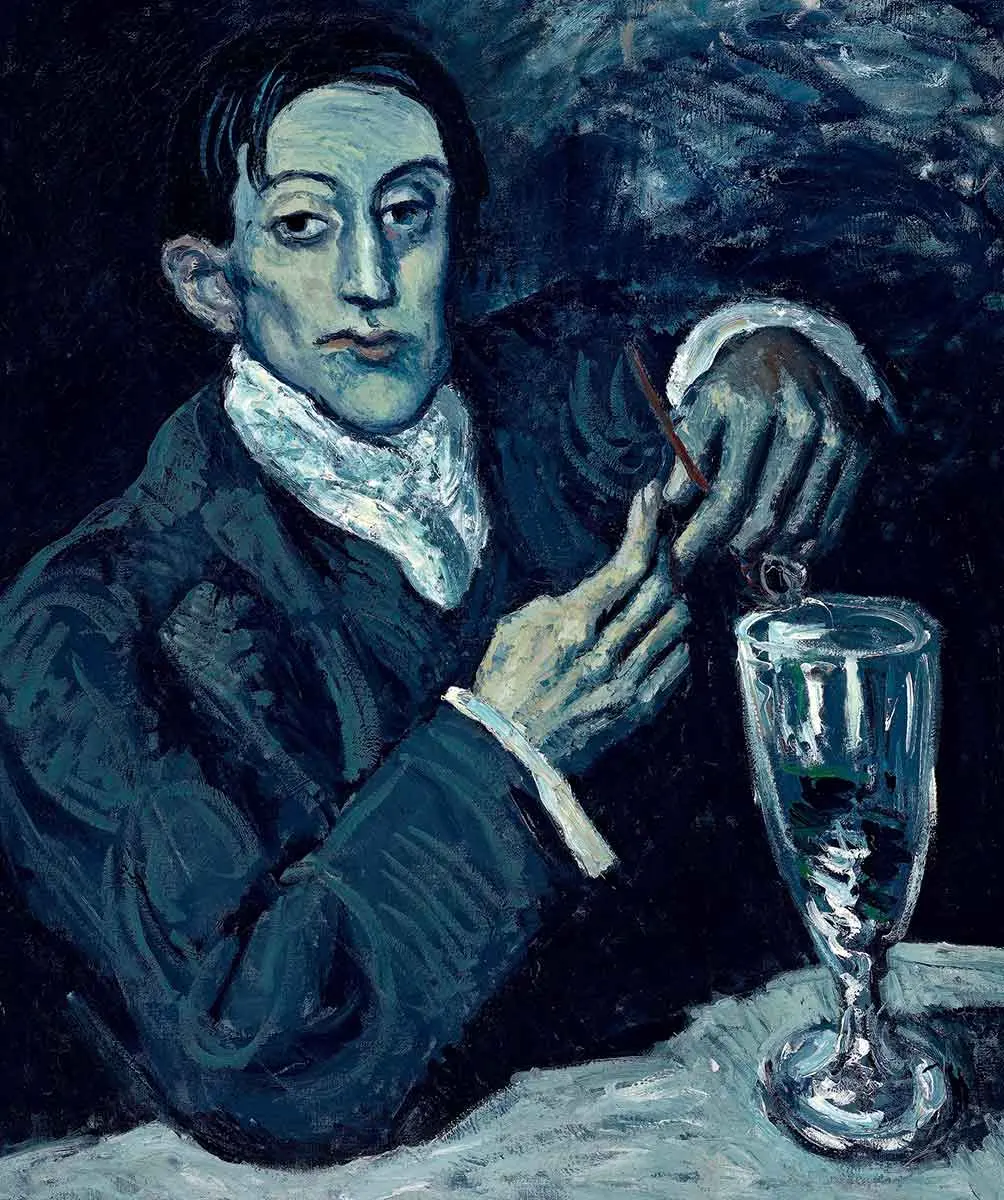
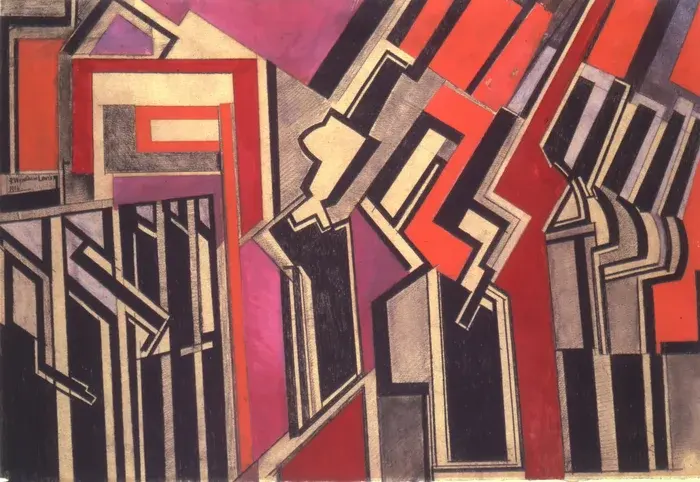
What is Cubism?
Short answer
Cubism was an influential 20th-century art movement that revolutionized European painting and sculpture. Developed by Pablo Picasso and Georges Braque around 1907, it abandoned traditional perspective. Instead, artists depicted subjects from multiple viewpoints simultaneously, breaking objects into geometric forms and flattened, abstract planes to represent the complexity of modern perception.
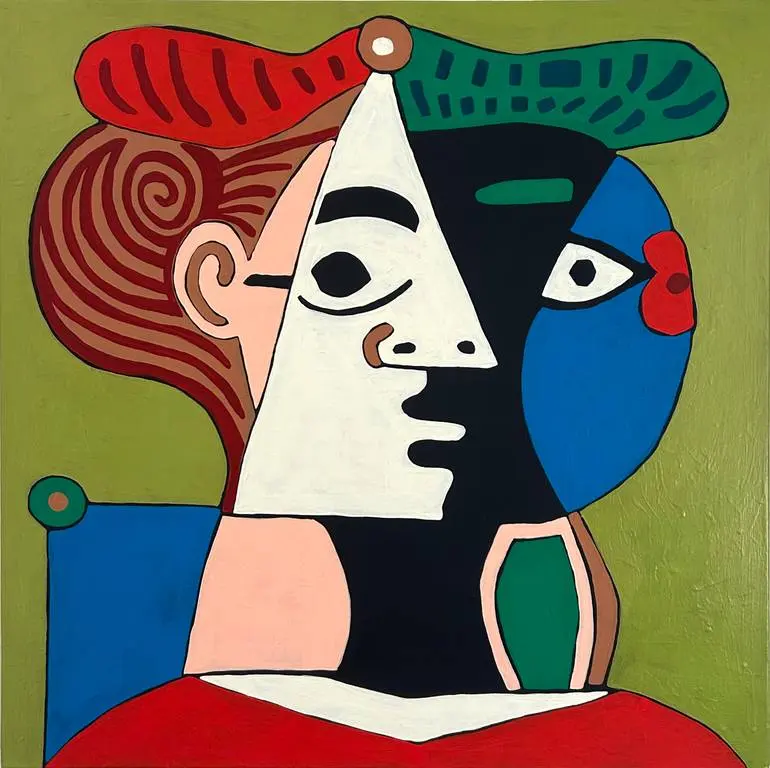
On this page
What are the characteristics of Cubism?
Cubism is defined by the rejection of the single-point perspective that had dominated Western art since the Renaissance. Rather than creating the illusion of depth on a flat canvas, Cubist artists emphasized the two-dimensional nature of the surface. They analyzed objects, broke them into their component parts, and reassembled them in an abstracted form. This approach allowed the viewer to see the front, sides, and top of an object at the same time.
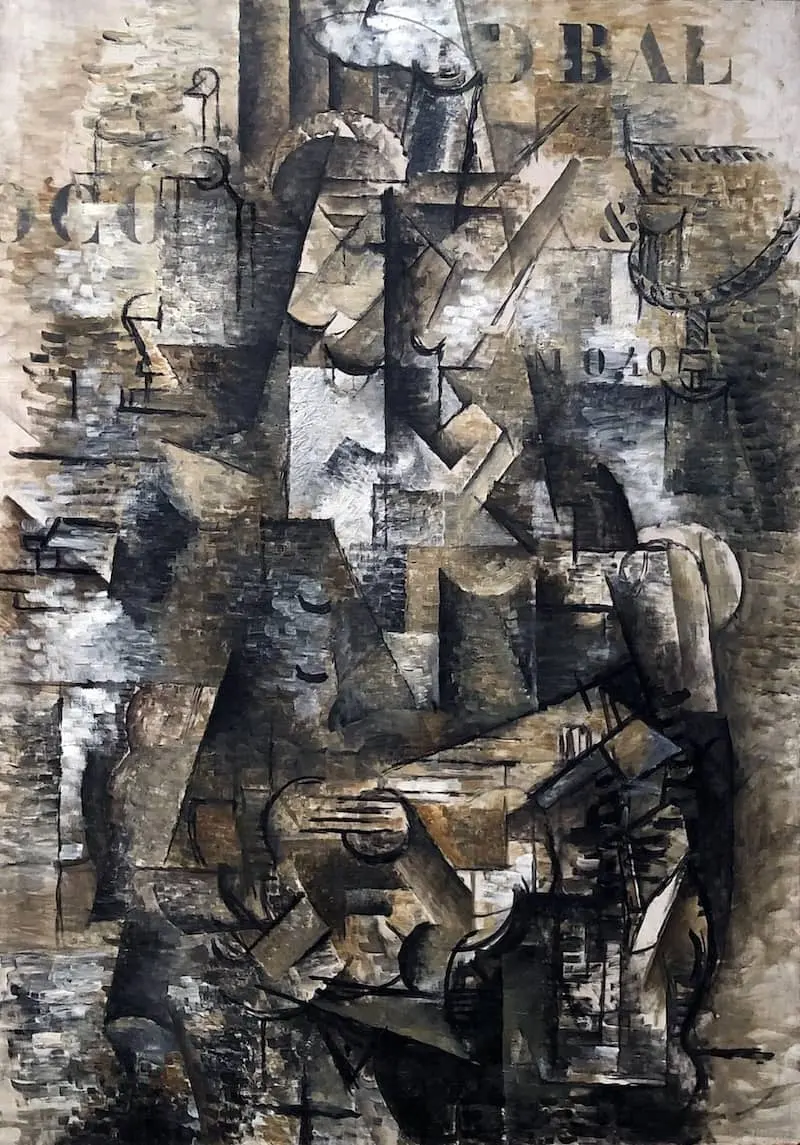
The movement is generally divided into two primary phases: Analytic Cubism and Synthetic Cubism. Analytic Cubism (1907–1912) focused on deconstructing objects into complex, monochromatic grids of muted browns, grays, and ochres. Synthetic Cubism (1912–1914) introduced brighter colors, simpler shapes, and the pioneering use of collage. By incorporating non-art materials like newspaper clippings, oilcloth, and sand, artists blurred the line between reality and representation.
- Fragmentation: Breaking subjects into geometric planes.
- Multi-perspectivity: Showing multiple angles at once.
- Monochromatic palettes: Focusing on form over color in early works.
- Collage integration: Adding physical textures to the canvas.
Who were the most famous Cubist artists?
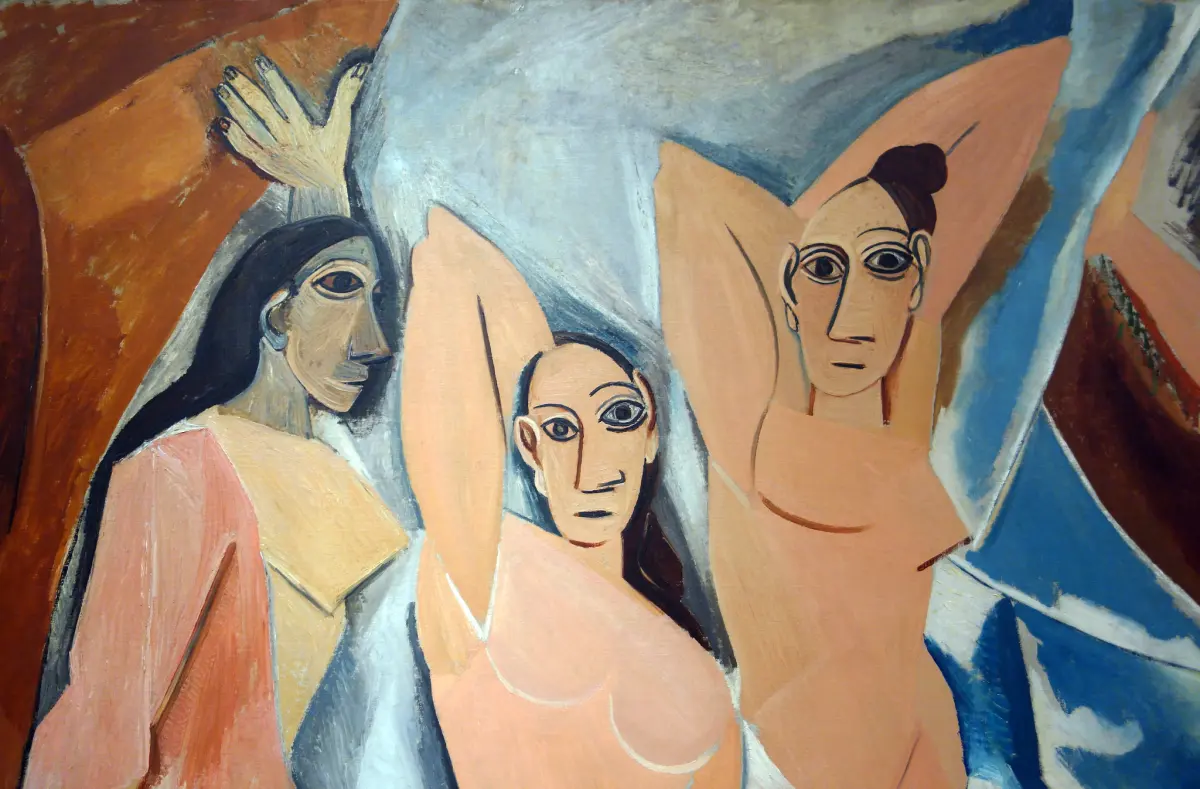
Pablo Picasso and Georges Braque are the undisputed founders of the movement. Their collaboration in Paris was so intense that their works from 1910 to 1912 are often difficult to distinguish. Picasso’s 1907 masterpiece, Les Demoiselles d'Avignon, is widely considered the precursor to the style, featuring sharp, angular figures influenced by African tribal masks. Braque, meanwhile, brought a structural discipline to the movement, often focusing on still lifes and musical instruments.
Other significant figures expanded the movement's reach, including Juan Gris, who is often called the "third musketeer" of Cubism. Gris brought a mathematical precision and vibrant color palette to the style. Fernand Léger developed a variation often called "Tubism," characterized by cylindrical forms and a focus on the mechanical aspects of modern industrial life. Robert and Sonia Delaunay moved toward Orphism, a lyrical offshoot of Cubism that emphasized pure color and light.
- Pablo Picasso: The primary innovator and most prolific figure.
- Georges Braque: Co-founder who focused on structural integrity.
- Juan Gris: Known for intellectual rigor and distinct color use.
- Fernand Léger: Focused on cylindrical forms and modernity.
- Robert Delaunay: Explored the intersection of color and geometry.
Why did Cubism change art history?
Cubism acted as the gateway to total abstraction in the 20th century. By proving that a painting did not need to mimic the physical world to be meaningful, it liberated future generations of artists. It challenged the assumption that art must be a "window" into a scene, asserting instead that a painting is an independent object with its own internal logic. This shift paved the way for movements like Futurism, Constructivism, and De Stijl.
The movement also fundamentally changed how we understand visual communication. By representing time and space as fluid concepts rather than fixed coordinates, Cubism mirrored the scientific and philosophical shifts occurring at the time, such as Einstein’s theory of relativity. It forced the viewer to become an active participant in the creative process, as they had to mentally reconstruct the fragmented images to understand the subject matter.
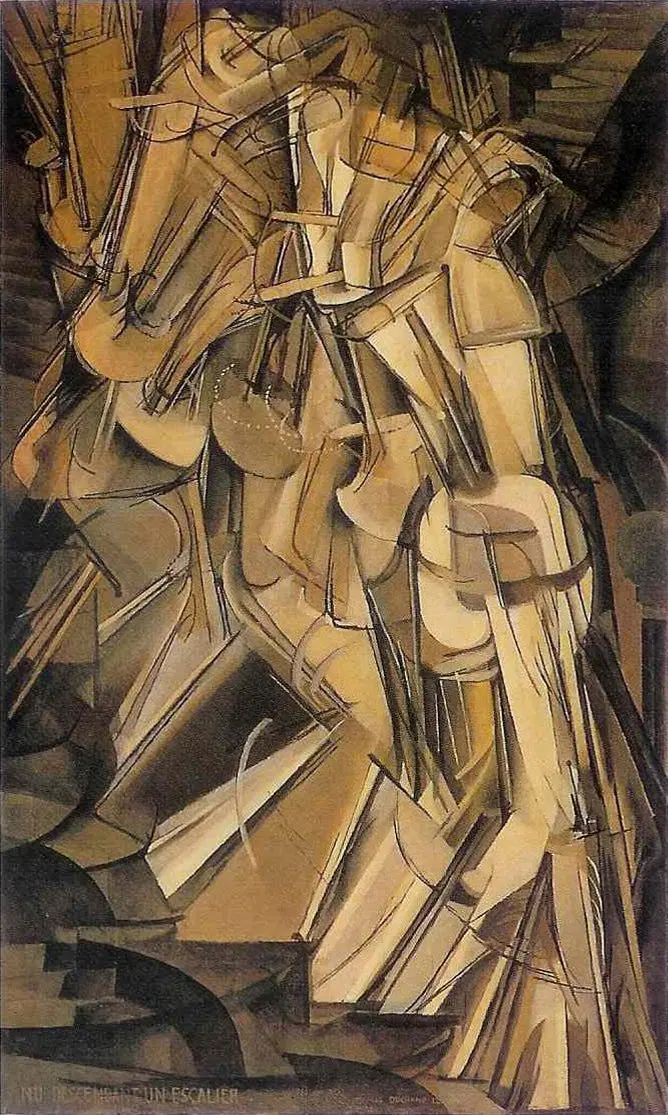
How to identify a Cubist painting?
To identify a Cubist work, look for the deliberate breakdown of the subject into geometric shapes like cubes, spheres, and cones. If the painting appears "shattered" or shows a face from both a profile and a frontal view simultaneously, it is likely Cubist. Check the background as well; in Cubism, the background and the subject often merge into a single, unified grid of overlapping planes, making it difficult to tell where the object ends and the space begins.
Pay attention to the color palette and the inclusion of text. If the work is from the Analytic phase, you will see a restricted palette of earth tones. If it is from the Synthetic phase, look for pasted elements like sheet music, wallpaper, or printed letters. These additions were intended to ground the abstract composition in the real world, creating a tension between the painted illusion and the physical reality of the materials used.
Common mistakes when studying Cubism?
A common mistake is assuming that Cubism is purely about "making things look square." While geometry is central, the movement is really about the conceptual analysis of space and time. Do not mistake Cubism for simple abstract art; Cubist works almost always retain a reference to the real world, such as a guitar, a bottle, or a human figure. The goal was not to hide the subject, but to reveal its essence through multiple perspectives.
Another error is ignoring the influence of non-Western art. Many beginners overlook how African, Oceanic, and Iberian art provided the formal vocabulary for Picasso’s early experiments. These cultural influences were essential in helping artists move away from the rigid constraints of Western academic traditions. Finally, avoid viewing Cubism as a static style. It was a rapidly evolving dialogue that changed significantly over its first decade, moving from dark, analytical deconstruction to a vibrant, playful synthesis of diverse materials and textures.
Key facts
- Cubism was pioneered by Pablo Picasso and Georges Braque in Paris around 1907.
- The movement rejected the traditional single-point perspective that had dominated Western art since the Renaissance.
- Artists broke objects into geometric shapes and reassembled them to show multiple viewpoints simultaneously.
- Analytical Cubism (1908–1912) focused on muted, monochromatic palettes to emphasize structure over color.
- Synthetic Cubism (1912–1914) introduced collage elements, such as newspaper clippings and sand, to create texture.
- To practice Cubism, focus on simplifying a subject into basic cones, spheres, and cubes rather than capturing realistic shading.
The bottom line
Cubism revolutionized modern art by dismantling the illusion of three-dimensional space on a two-dimensional canvas. By prioritizing geometric structure and multiple perspectives over realistic representation, Picasso and Braque fundamentally altered how we perceive visual reality. This movement invites viewers to engage with art intellectually, encouraging them to reconstruct fragmented images in their own minds while appreciating the bold, innovative interplay of form and composition.
People also ask
Why did Cubist artists paint objects from multiple angles?
They believed the human eye perceives objects through a series of rapid glances rather than a static view. By showing front, side, and top views at once, they aimed to represent the totality of an object's existence.
What is the difference between Analytical and Synthetic Cubism?
Analytical Cubism is characterized by complex, fragmented forms and a limited color palette of browns and grays. Synthetic Cubism is more decorative, using brighter colors, flat shapes, and mixed-media materials like wallpaper or fabric.
Did Cubism influence other art movements?
Yes, it served as a foundational influence for Futurism, Constructivism, and Art Deco. Its radical approach to form paved the way for the total abstraction seen in later 20th-century movements.
How can I identify a Cubist painting?
Look for a lack of depth, sharp geometric lines, and a "shattered" appearance where the background and foreground seem to merge. If the subject looks like it was taken apart and put back together like a puzzle, it is likely Cubist.
Is Cubism considered a form of abstract art?
It is considered a bridge between representational art and pure abstraction. While the subjects are often recognizable, they are distorted to the point where the focus shifts from the object itself to the composition of shapes.
What is a common mistake when trying to paint in a Cubist style?
A common error is simply drawing a distorted image without considering the underlying geometric structure. Successful Cubism requires a deliberate, logical breakdown of the subject into planes rather than random, messy lines.
This answer was created with the help of AI research tools and reference sources. Spotted an error? Let us know — we correct mistakes quickly. See our editorial policy.