What is Vorticism?
Short answer
Vorticism was a short-lived British modernist art movement that emerged in 1914. It combined the geometric abstraction of Cubism with the kinetic energy of Futurism. Characterized by bold, angular shapes and industrial themes, the movement sought to capture the intense, mechanical pace of modern life through a central, dynamic "vortex."
On this page
What were the core characteristics of Vorticism?
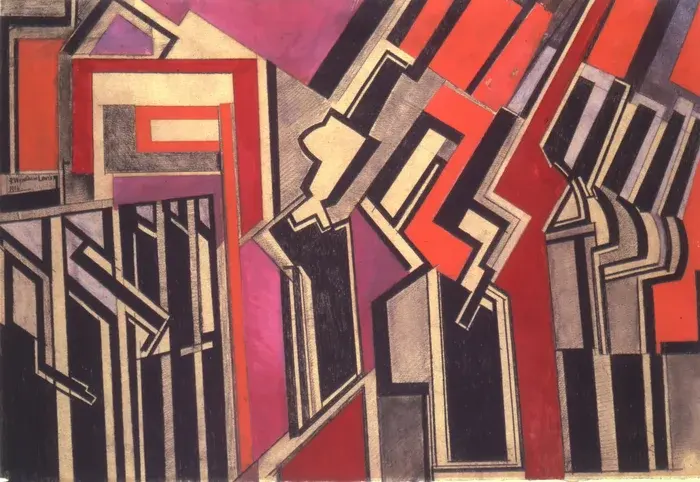
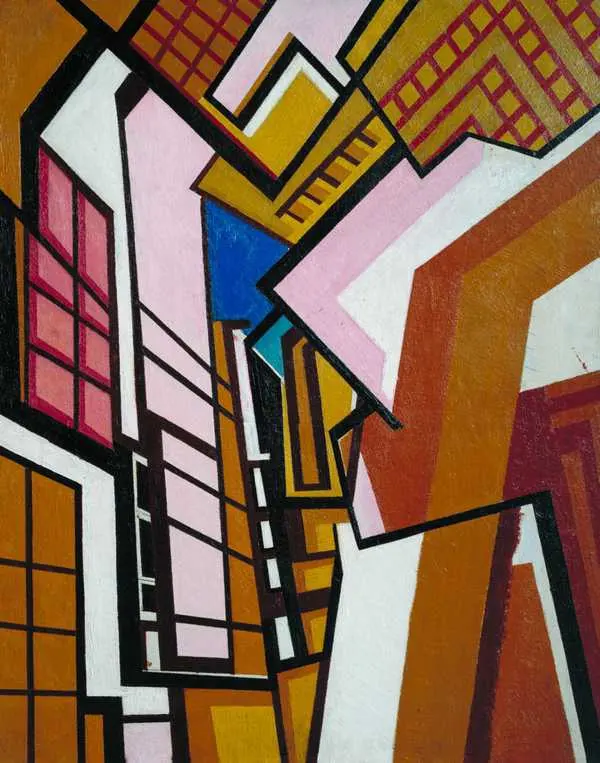
Vorticism was defined by its rejection of traditional, sentimental, or representational art. Instead, its practitioners focused on hard-edged, abstract forms that emphasized the machine age and urban environment. The movement’s name, coined by poet Ezra Pound, refers to the "vortex"—a point of maximum energy and intensity where all ideas and emotions converge. This aesthetic was meant to reflect the harsh, efficient, and often violent nature of the early 20th century.
Works associated with Vorticism are easily identified by their specific visual language. They typically feature:
- Sharp, jagged lines and aggressive angularity.
- A limited, often harsh color palette.
- Dynamic compositions that suggest movement or mechanical force.
- A focus on industrial subjects like factories, engines, and modern architecture.
- The rejection of soft, organic, or "painterly" brushwork in favor of flat, stark surfaces.
By stripping away unnecessary detail, Vorticists aimed to create a direct, visceral experience for the viewer. Their work was intended to be as powerful and uncompromising as the industrial machinery that defined their era.
Who were the key figures in Vorticism?
The movement was primarily led by the painter and writer Wyndham Lewis, who served as its most vocal spokesperson. Lewis founded the Rebel Art Centre in London in 1914, which became the movement's unofficial headquarters. He also edited BLAST, the movement’s literary and artistic magazine, which featured a bright pink cover and a manifesto that attacked Victorian sensibilities and traditional British art institutions.
Several other notable artists and writers were integral to the group’s development and output:
- Henri Gaudier-Brzeska: A sculptor who translated Vorticist principles into three-dimensional forms.
- Edward Wadsworth: Known for his woodcuts and paintings of industrial landscapes and ships.
- Jacob Epstein: A sculptor whose work often shared the movement's interest in primitive and mechanical forms.
- Helen Saunders and Jessica Dismorr: Painters who contributed significantly to the movement’s visual style.
- Ezra Pound: The poet who provided the intellectual framework and naming for the group.
These figures often collaborated closely, sharing ideas about the necessity of breaking from the past. Their collective efforts ensured that Vorticism remained a distinct, albeit brief, presence in the European avant-garde scene.
How did Vorticism differ from Cubism and Futurism?
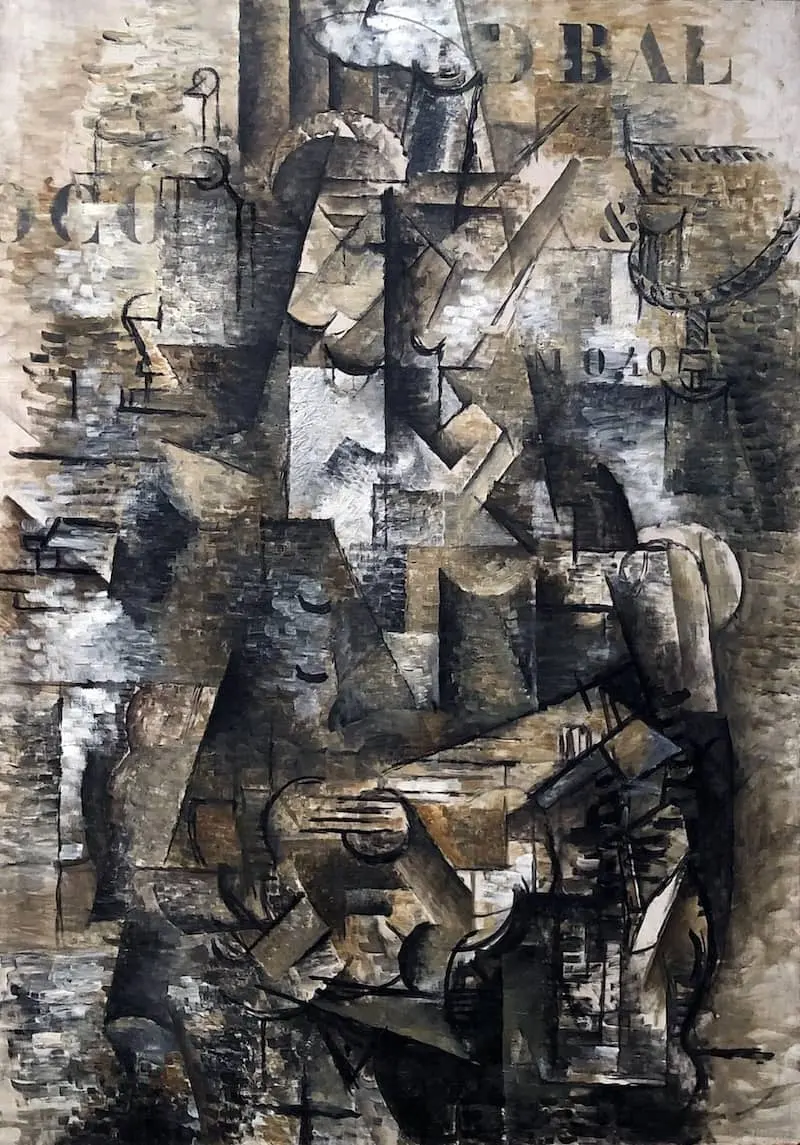
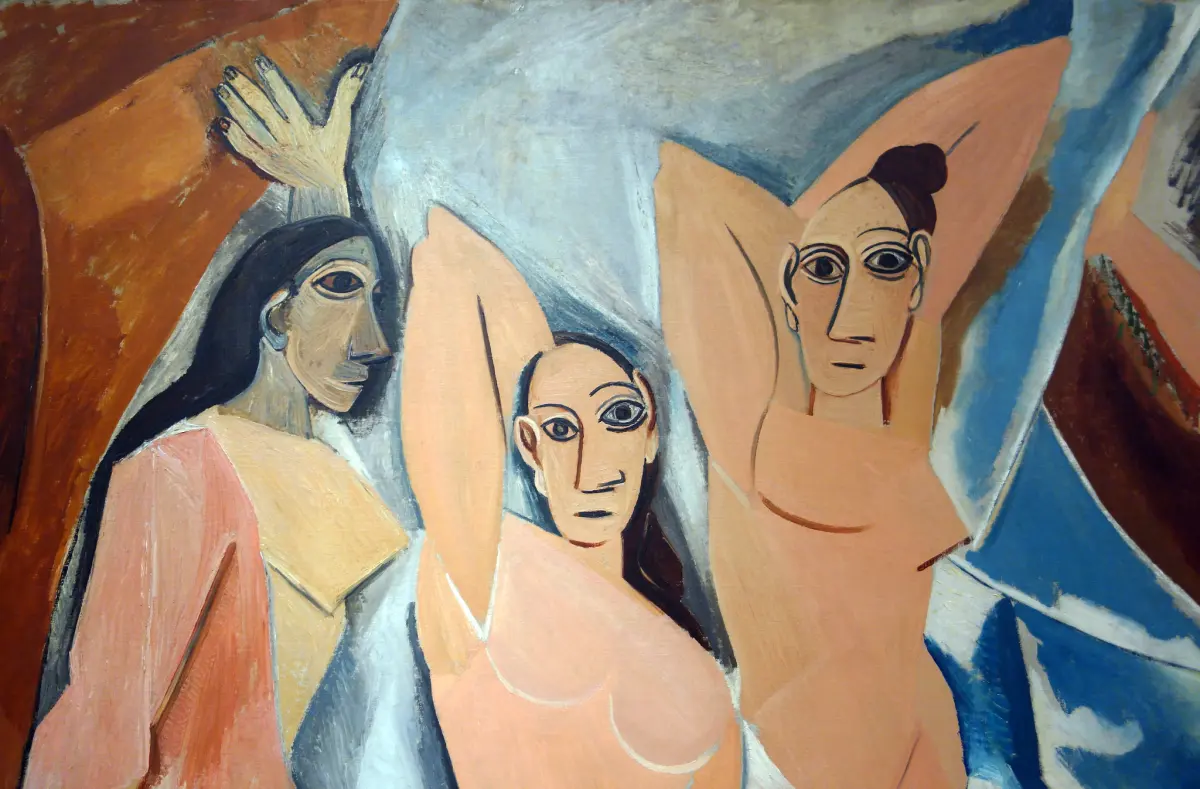
While Vorticism shared common ground with other European movements, it maintained a distinct identity. It drew from Cubism’s structural analysis of objects and Futurism’s fascination with speed and technology. However, Vorticists were highly critical of both. They viewed the Italian Futurists as overly sentimental and chaotic, while they found the French Cubists too concerned with the still life and traditional subject matter.
Vorticism sought a middle ground that prioritized structural integrity without sacrificing the raw, aggressive energy of modern life. Unlike the Futurists, who often glorified the act of destruction, the Vorticists were more interested in the formal, geometric beauty of the machine itself. They wanted to create a "still" center of energy rather than a blur of motion. This intellectual distinction was vital to their manifesto, which sought to establish a uniquely British contribution to modernism that was as intellectually rigorous as its continental counterparts.
Why did the Vorticist movement end so quickly?
The primary reason for the decline of Vorticism was the outbreak of World War I. Many of the movement’s core members, including Henri Gaudier-Brzeska, were drafted into military service. Gaudier-Brzeska was killed in the trenches in 1915, a loss that dealt a devastating blow to the group’s creative momentum. The war fundamentally altered the cultural landscape, making the movement’s aggressive, machine-focused aesthetic feel less like an artistic statement and more like a grim reality.
Following the war, the artists involved moved in different creative directions. Wyndham Lewis continued to paint and write, but his work evolved away from the strict tenets of Vorticism. By the time the group attempted a small revival in the 1920s, the art world had moved on to other styles, such as Surrealism and various forms of abstraction. The movement effectively dissolved by 1920, leaving behind a small but influential body of work that remains a testament to a very specific, intense moment in British art history.
Common mistakes when interpreting Vorticist art
A frequent error is assuming that Vorticist art is purely decorative or abstract. While the work is highly geometric, it was deeply rooted in the social and political anxieties of the early 20th century. Viewers often fail to recognize the underlying critique of the industrialization process. Another common mistake is conflating Vorticism with the broader category of "Modernism" without noting its specific British context and its antagonistic relationship with the art establishment of the time.
When studying or analyzing Vorticist works, keep these tips in mind:
- Look for the "vortex" in the composition; identify the point of focus where the energy seems to gather.
- Do not ignore the literary output, especially the BLAST magazine, as the movement was as much about writing as it was about visual art.
- Consider the historical context of 1914; the art was created in the shadow of impending global conflict.
- Avoid viewing the works through a purely aesthetic lens; consider the aggressive, rebellious intent of the artists.
By avoiding these pitfalls, you can gain a much deeper appreciation for the movement's unique contribution to the evolution of 20th-century art.
Key facts
- Vorticism was a short-lived British modernist movement founded in London in 1914 by Wyndham Lewis and Ezra Pound.
- The movement’s name refers to the "vortex," a point of maximum energy where all creative ideas converge and erupt into art.
- Vorticists rejected the soft, impressionistic styles of the Victorian era in favor of sharp, machine-like, and geometric forms.
- The movement’s official publication, BLAST, featured a bold, aggressive design with bright pink covers and manifesto-style typography.
- Vorticist art often depicted urban industrialization, using jagged lines and hard edges to represent the speed and power of the modern world.
- To identify Vorticist work, look for a lack of sentimentality, a focus on abstraction, and a rejection of traditional landscape or portrait painting.
The bottom line
Vorticism remains a brief but vital chapter in the history of British modernism. By embracing the harsh realities of the industrial age and rejecting the decorative traditions of the past, Vorticist artists created a unique visual language defined by energy and geometric precision. Though the movement was silenced by the trauma of the First World War, its influence continues to resonate within contemporary graphic design and abstract art.
People also ask
How does Vorticism differ from Cubism?
While both movements use geometric abstraction, Cubism focuses on static, multi-perspective views of objects. Vorticism emphasizes movement, energy, and the aggressive spirit of the machine age.
Who were the most prominent Vorticist artists?
Key figures included the painter and writer Wyndham Lewis, the sculptor Henri Gaudier-Brzeska, and the painter Edward Wadsworth. Other notable contributors included Jessica Dismorr and Helen Saunders.
Why did the Vorticist movement end so quickly?
The movement was largely dismantled by the outbreak of World War I. Many of its members enlisted in the military, and Henri Gaudier-Brzeska was killed in action in 1915.
What was the significance of the magazine BLAST?
BLAST served as the primary platform for the movement’s manifestos and visual experiments. Its radical layout and "blasting" of Victorian values made it a landmark in avant-garde graphic design.
Can Vorticism be considered a form of Futurism?
Vorticists were heavily influenced by Italian Futurism but ultimately rejected it. They criticized Futurism for being overly sentimental about speed and preferred a more detached, intellectual approach to machine aesthetics.
Where can I see Vorticist art today?
Significant collections are held at the Tate Gallery in London and the Victoria and Albert Museum. These institutions house many of the movement's surviving paintings, drawings, and archival documents.
This answer was created with the help of AI research tools and reference sources. Spotted an error? Let us know — we correct mistakes quickly. See our editorial policy.