What is the difference between impressionism and expressionism?
Short answer
Impressionism focuses on capturing the fleeting visual effects of light and color in the natural world, emphasizing objective observation. In contrast, Expressionism prioritizes the artist’s subjective emotional experience, often distorting reality through vivid colors and exaggerated forms to evoke intense psychological moods rather than depicting the physical appearance of a scene.
On this page
What is the core philosophy of Impressionism?
Impressionism emerged in France during the 1860s and 1870s as a reaction against the rigid standards of the state-sponsored Académie des Beaux-Arts. Artists such as Claude Monet, Pierre-Auguste Renoir, and Camille Pissarro sought to capture the "impression" of a moment, specifically focusing on how light changes the appearance of objects throughout the day. They moved their studios outdoors, known as en plein air, to observe nature directly.
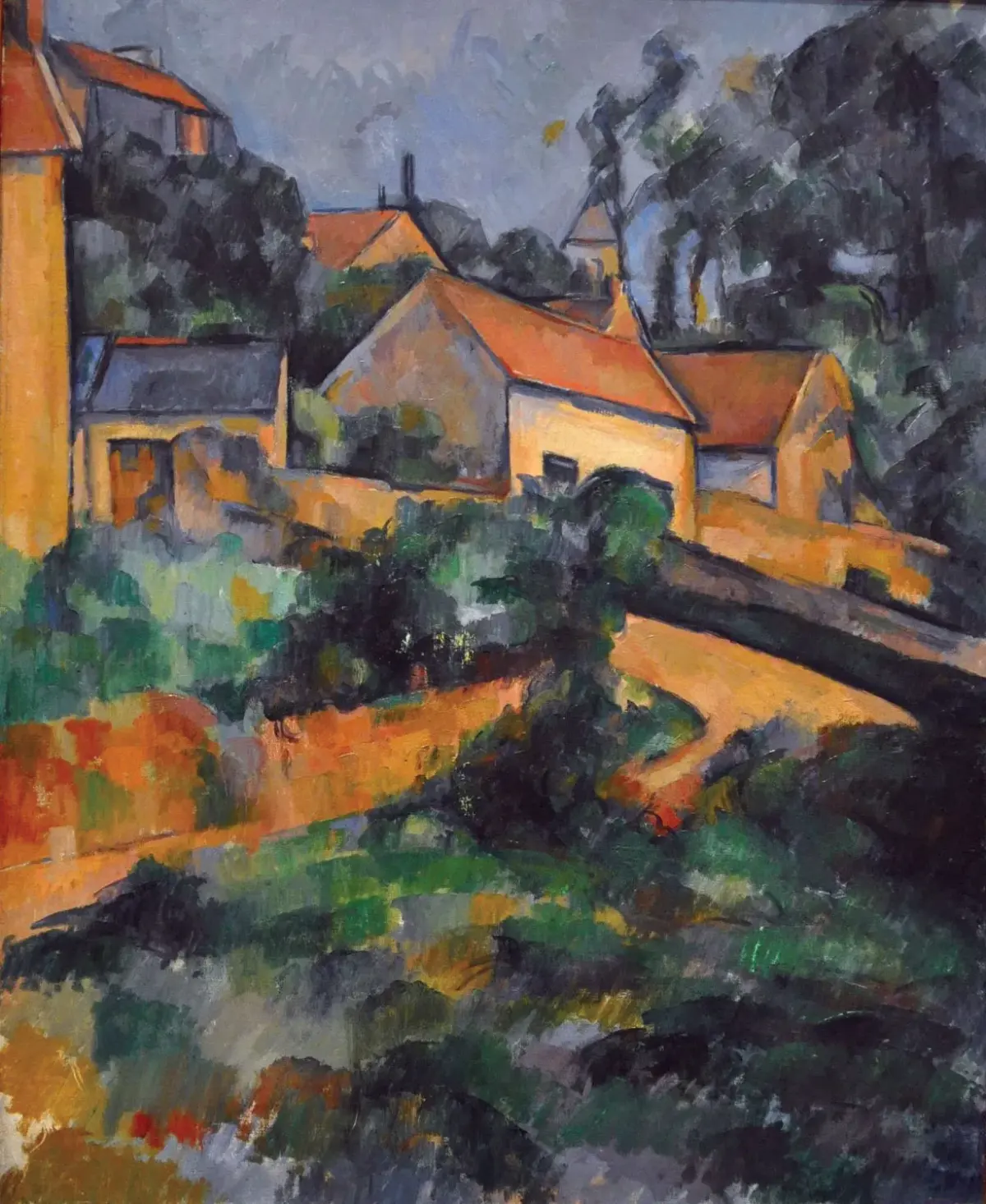
The movement is defined by its focus on optical realism rather than narrative or historical themes. By using short, visible brushstrokes and unblended colors, these painters aimed to simulate the way the human eye perceives light at a glance. They avoided black paint, preferring to create shadows using complementary colors, which resulted in a vibrant, luminous quality that was revolutionary for the time.
- Emphasis on natural light and its changing qualities.
- Use of broken, rapid brushstrokes to convey movement.
- Selection of everyday, modern subjects like city life and landscapes.
- Rejection of traditional studio lighting and historical subject matter.
What is the core philosophy of Expressionism?
Expressionism originated in Germany at the dawn of the 20th century, primarily between 1905 and 1920. Unlike the Impressionists, who looked outward at the world, Expressionists looked inward at the human psyche. Figures such as Edvard Munch, Ernst Ludwig Kirchner, and Wassily Kandinsky used art to express feelings of anxiety, alienation, and raw human emotion, often reflecting the turbulent social climate of pre-war Europe.
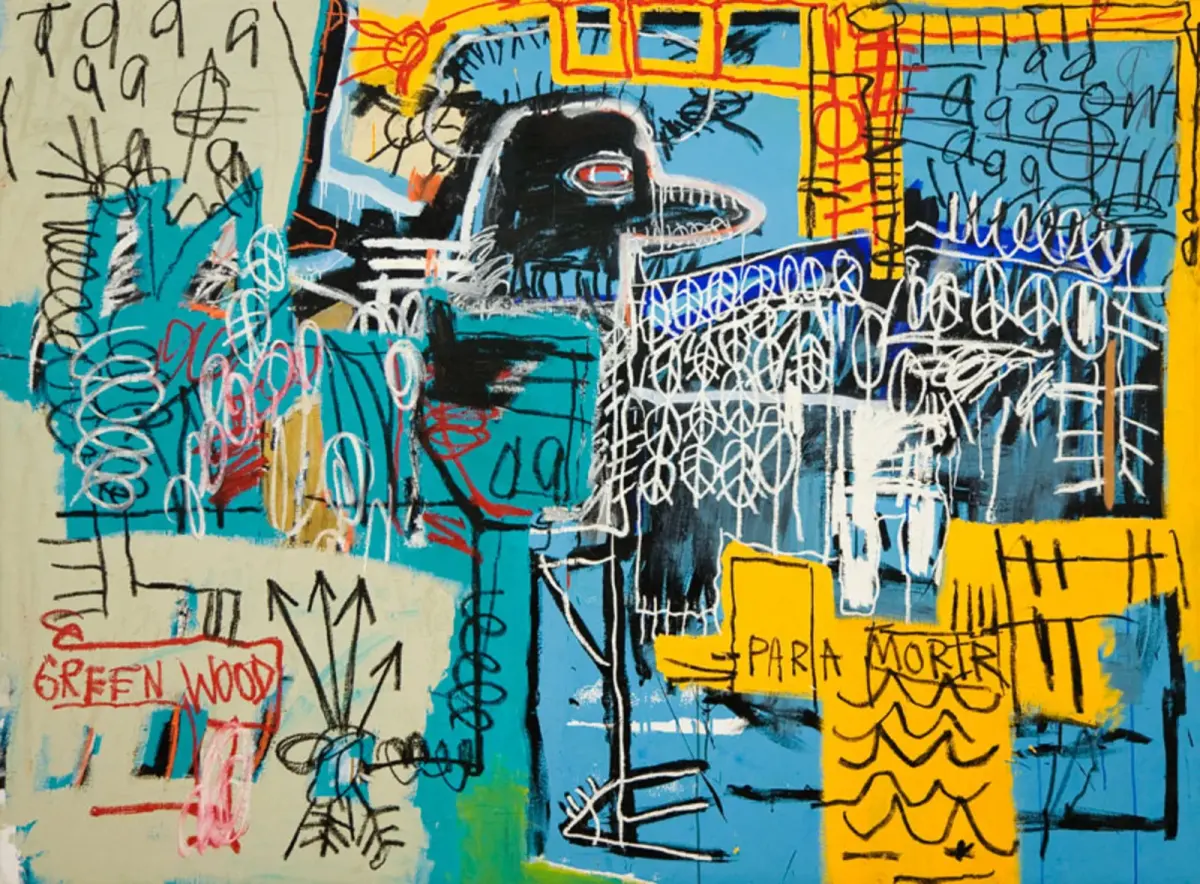
To achieve this emotional impact, Expressionists frequently abandoned realistic proportions and naturalistic colors. They employed jagged lines, aggressive brushwork, and jarring, non-representational color palettes to distort reality. The goal was not to show how a landscape looked, but how the landscape made the artist feel. This subjective approach paved the way for modern abstract art by proving that art could be a powerful tool for psychological exploration.
- Prioritization of the artist's internal emotional state over external reality.
- Use of distorted forms and exaggerated, often clashing, colors.
- Focus on themes of existential dread, urban isolation, and spiritual longing.
- Intentional rejection of aesthetic beauty in favor of raw, provocative impact.
How to distinguish between the two styles
Identifying these movements involves looking at the relationship between the artist and the subject matter. If the painting feels like a peaceful, sun-drenched snapshot of a garden or a bustling street, it is likely Impressionism. If the painting features distorted figures, unsettling color choices, or a sense of psychological tension, it is likely Expressionism. The Impressionist seeks to record; the Expressionist seeks to reveal.
When analyzing a work, consider the following checklist to determine its stylistic origin:
- Observe the brushwork: Impressionist strokes are usually light and flickering; Expressionist strokes are often heavy, thick, and forceful.
- Analyze the color: Are the colors mimicking the natural light of the sun, or are they being used to create a specific, perhaps uncomfortable, mood?
- Check the subject: Is the scene a neutral observation of daily life, or does it contain symbolic, emotional, or nightmarish elements?
Common mistakes when identifying art movements
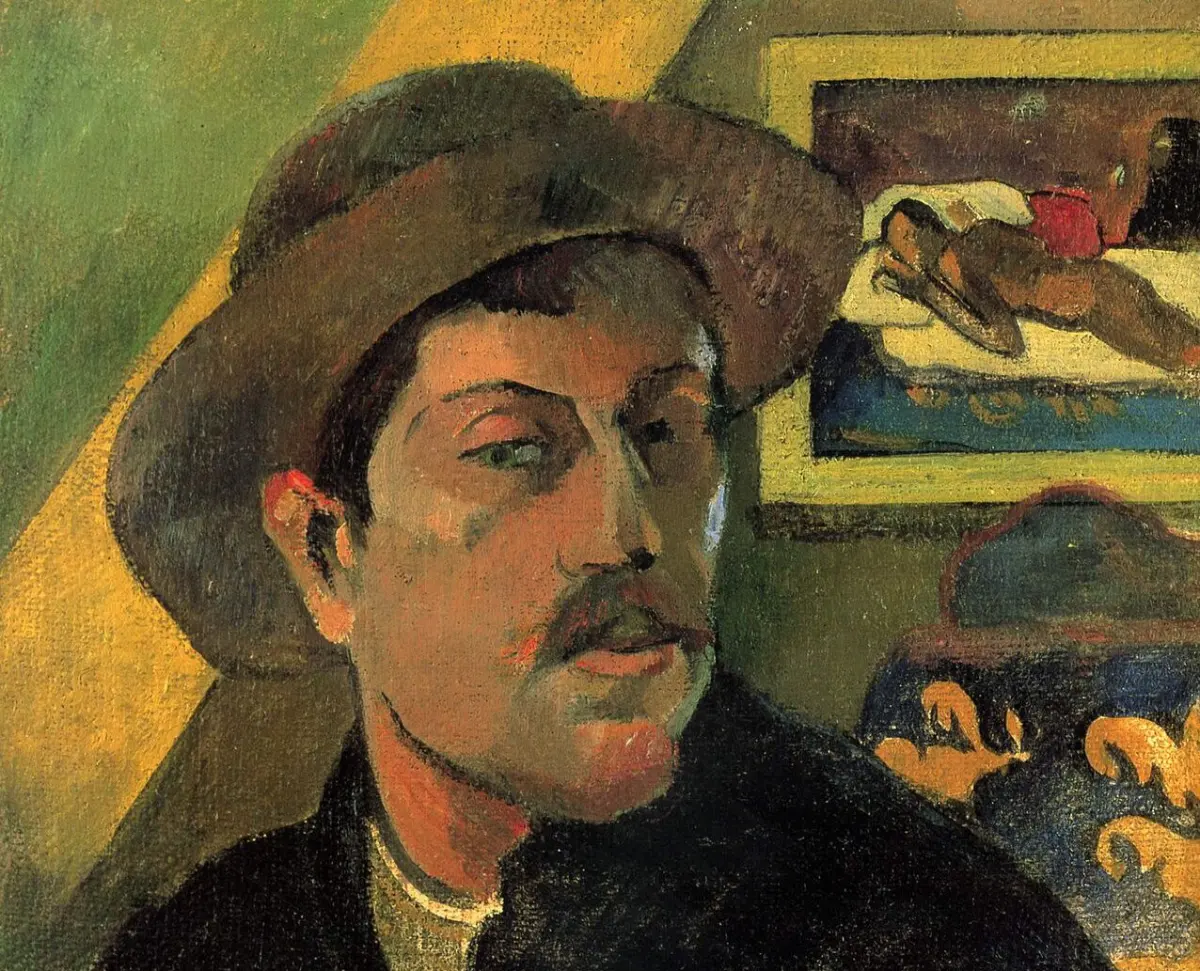
A frequent error is assuming that all loose, painterly brushwork belongs to Impressionism. While both movements moved away from the smooth, invisible brushwork of classical painting, their intentions are diametrically opposed. Impressionists used loose strokes to mimic the blur of light, while Expressionists used them to convey the energy or agitation of the artist’s hand. Confusing these two can lead to a misunderstanding of the artist's intent.
Another mistake is ignoring the chronological and geographical context. Impressionism is firmly rooted in the French late-19th-century experience, reflecting a period of relative peace and technological progress. Expressionism is a product of the early-20th-century Germanic experience, shaped by the trauma of industrialization and the looming threat of world war. Understanding the historical backdrop is essential for correctly categorizing these works, as the art is always a reflection of the era in which it was produced.
Why these movements matter today
These two movements fundamentally altered the trajectory of Western art by liberating the canvas from the duty of strict representation. Impressionism taught artists that the act of seeing is a subjective process, while Expressionism proved that the canvas could be a mirror for the human soul. Together, they laid the essential groundwork for almost every major development in modern art, including Cubism, Surrealism, and Abstract Expressionism.
By studying these styles, viewers can better understand how to interpret visual media in their own lives. Recognizing the difference between an objective observation and a subjective emotional projection helps in appreciating not just paintings, but photography, film, and digital design. Whether you are visiting a museum or analyzing a modern advertisement, understanding these foundational shifts allows for a much deeper engagement with the visual world, turning a simple glance into a thoughtful, informed experience that connects the past to the present.
Key facts
- Impressionism originated in France during the 1870s, focusing on capturing the fleeting effects of light and color on a subject.
- Expressionism emerged in early 20th-century Germany as a reaction against Impressionism, prioritizing emotional experience over physical reality.
- Impressionist painters like Claude Monet often worked "en plein air" to catch natural lighting conditions before they shifted.
- Expressionist artists like Edvard Munch used distorted forms and jarring, non-naturalistic colors to convey anxiety or intensity.
- To identify Impressionism, look for short, visible brushstrokes and a lack of sharp outlines in the composition.
- To identify Expressionism, look for heavy, symbolic use of color and exaggerated, sometimes grotesque, depictions of the human form.
The bottom line
The primary difference lies in the direction of the artist's focus. Impressionism acts as a mirror, reflecting the external world and the transient nature of light, while Expressionism acts as a window into the artist’s soul, distorting reality to project raw human emotion. By observing whether a piece prioritizes visual atmosphere or psychological intensity, you can easily distinguish between these two transformative movements in art history.
People also ask
Did Impressionists and Expressionists use the same painting techniques?
No, Impressionists used light, rapid brushstrokes to blend colors optically, while Expressionists often used thick, aggressive applications of paint to create texture and emotional weight.
Which movement is considered more realistic?
Impressionism is considered more realistic because it attempts to document the visual perception of a scene, whereas Expressionism intentionally rejects realism to favor subjective inner states.
Who is the most famous Impressionist painter?
Claude Monet is widely regarded as the most iconic Impressionist, particularly for his series paintings of haystacks, cathedrals, and water lilies.
Who is the most famous Expressionist painter?
Edvard Munch is perhaps the most famous Expressionist, best known for his 1893 work The Scream, which epitomizes the movement's focus on psychological anguish.
Can an artwork be both Impressionist and Expressionist?
Generally, no, because the core philosophies are opposites; one seeks to capture the external world objectively, while the other seeks to project the internal world onto the canvas.
How can I tell these styles apart in a museum?
Ask yourself if the painting feels like a calm, observational snapshot of a garden or street; if so, it is likely Impressionist. If the painting feels like a turbulent, personal reaction to a situation, it is likely Expressionist.
This answer was created with the help of AI research tools and reference sources. Spotted an error? Let us know — we correct mistakes quickly. See our editorial policy.