What is German Expressionism?
Short answer
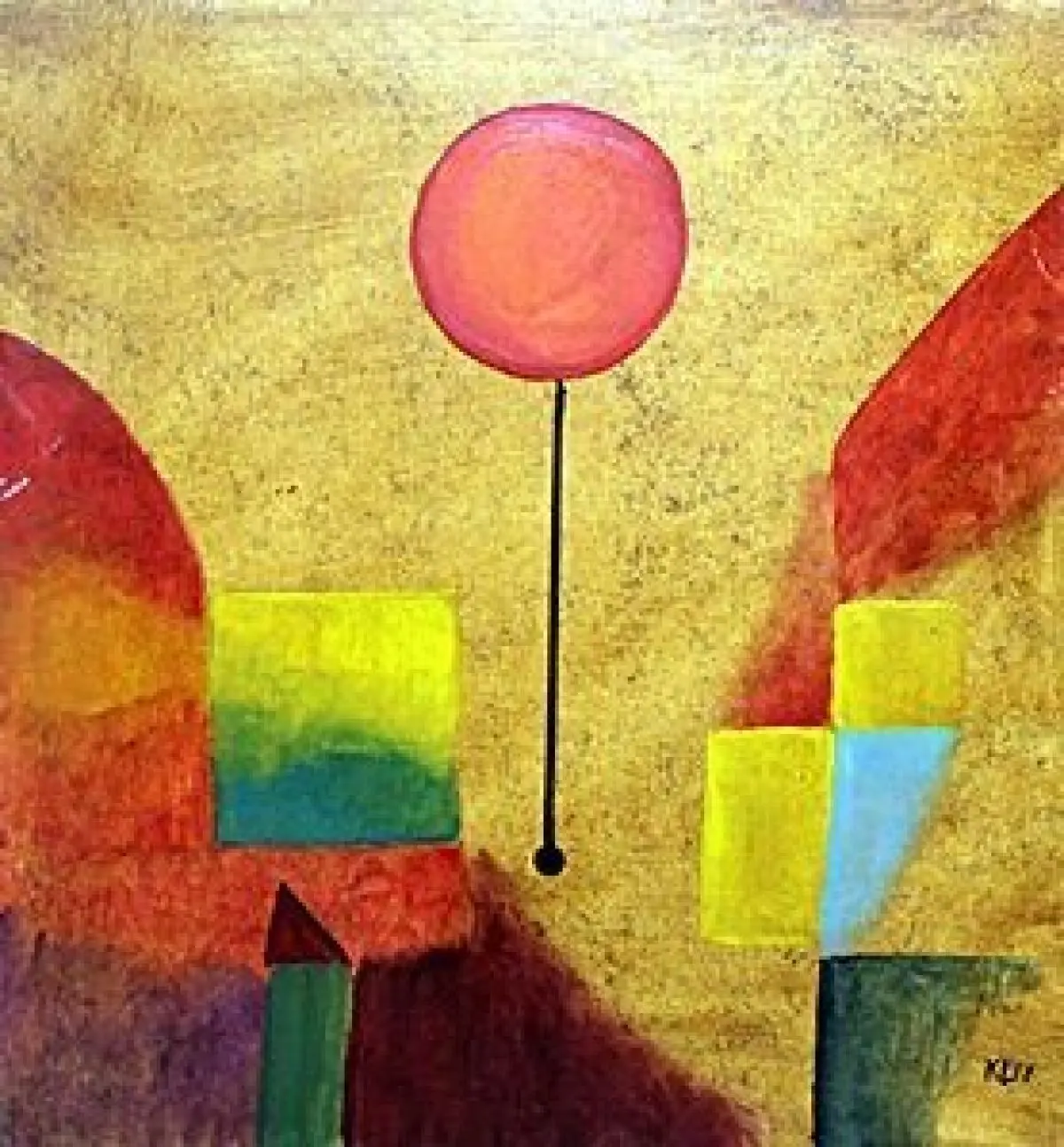
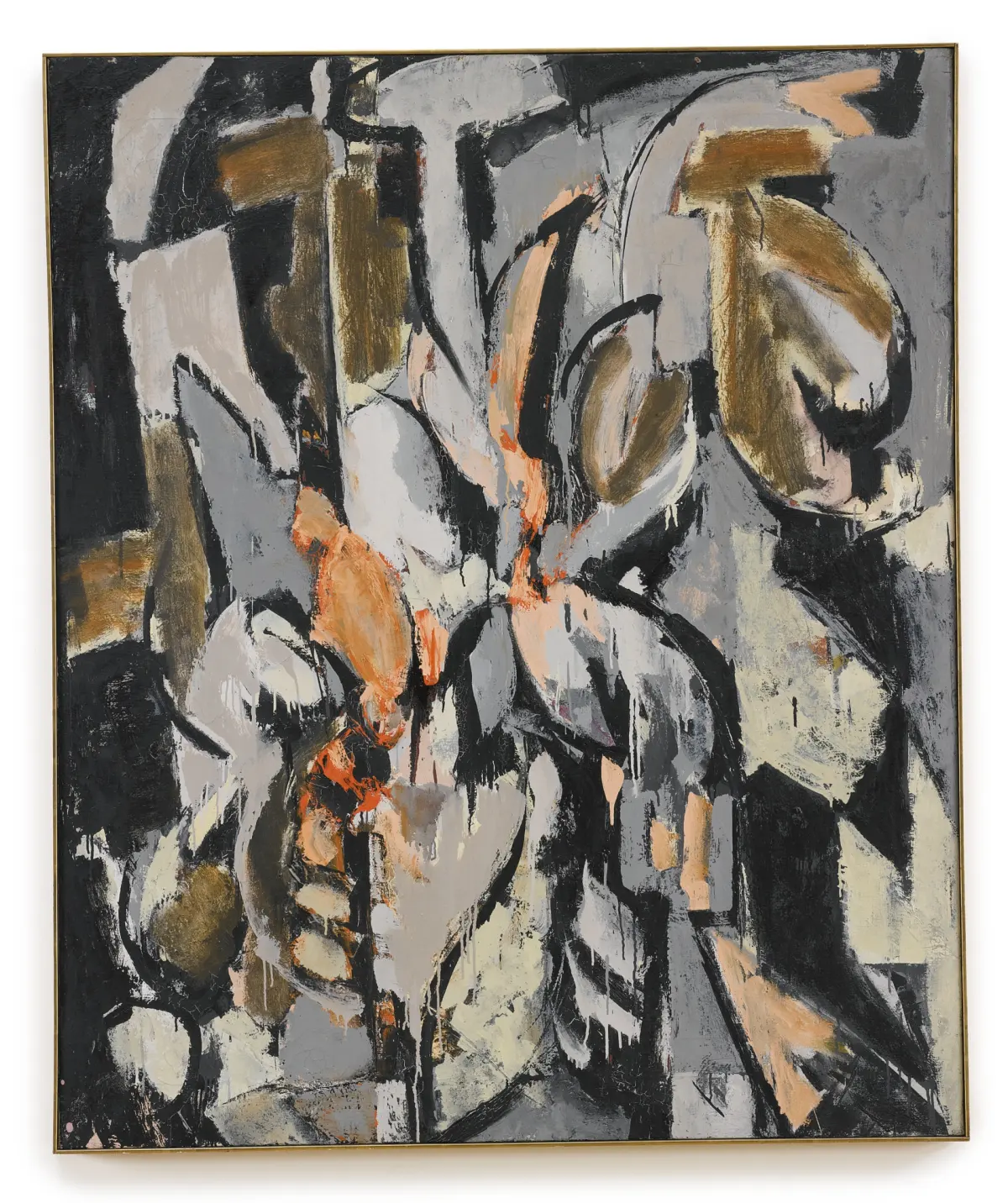
German Expressionism was an influential modernist movement that emerged in Germany during the early 20th century. It prioritized subjective emotional experience over objective reality, utilizing distorted forms, vivid colors, and jagged lines to convey intense psychological states. The movement profoundly impacted visual arts, literature, theater, and cinema before declining by the 1930s.
On this page
What is the history of German Expressionism?
The movement originated in Germany around 1905, primarily through two artist collectives: Die Brücke (The Bridge) in Dresden and Der Blaue Reiter (The Blue Rider) in Munich. These artists sought to break away from the academic traditions of the 19th century, which emphasized realism and technical precision. Instead, they embraced a raw, visceral approach influenced by the rapid industrialization and social anxieties of the pre-World War I era.
Following the devastation of World War I, the movement evolved to reflect the trauma, disillusionment, and political instability of the Weimar Republic. Artists used their work to critique societal corruption and the dehumanizing effects of modern technology. By the late 1920s, the rise of the Nazi Party led to the suppression of the movement, as the regime labeled these works "degenerate art" and forced many creators into exile.
How to identify German Expressionist art?
Identifying this style requires looking for specific visual markers that prioritize the artist's internal feelings over external appearances. The aesthetic is characterized by a deliberate rejection of naturalism in favor of emotional intensity. You can typically spot these works by observing the following core visual elements:
- Distorted, elongated, or exaggerated human figures.
- High-contrast color palettes that often clash or feel unnatural.
- Jagged, sharp, or swirling brushstrokes that create a sense of agitation.
- Simplified forms that strip away unnecessary detail to focus on the core sentiment.
- Themes of alienation, existential dread, or spiritual longing.
These stylistic choices were intended to provoke a visceral reaction from the viewer rather than providing a passive, decorative experience. Whether in a painting or a woodcut print, the goal was to make the invisible visible by externalizing the artist's psychological landscape.
Why was German Expressionism important in cinema?
German Expressionist cinema is perhaps the most globally recognized legacy of the movement, particularly during the 1920s. Filmmakers applied the principles of the visual arts to the screen, creating highly stylized, artificial environments that mirrored the fractured psyche of the characters. These films were characterized by stark shadows, asymmetrical set designs, and dramatic, theatrical acting styles.
The movement’s influence on film history is immense, particularly in the development of the horror and film noir genres. Directors used lighting and architecture to create a sense of impending doom and psychological entrapment. Key examples of this cinematic period include:
- The Cabinet of Dr. Caligari (1920): Famous for its painted, distorted sets that represent a madman's perspective.
- Nosferatu (1922): A foundational vampire film that used shadow and silhouette to evoke fear.
- Metropolis (1927): A science fiction epic that used expressionist architecture to depict a dystopian future.
Common mistakes when studying Expressionism?
A frequent error is assuming that all Expressionist art looks identical or shares a single political agenda. While the movement is unified by its focus on emotion, the individual styles of artists like Ernst Ludwig Kirchner, Wassily Kandinsky, and Käthe Kollwitz vary significantly. Some artists leaned toward abstract spirituality, while others were deeply committed to social activism and political protest.
Another common mistake is confusing Expressionism with Impressionism. While Impressionists sought to capture the fleeting effects of light on a scene, Expressionists sought to capture the permanent, often painful, imprint of human emotion on the world. To avoid these misunderstandings, consider the following approach when analyzing a piece:
- Research the specific historical context in which the work was created.
- Determine if the artist was part of a specific group like Die Brücke or Der Blaue Reiter.
- Evaluate the work's emotional tone rather than its technical accuracy.
- Consider how the artist uses color and line to manipulate the viewer's mood.
Best ways to explore Expressionism for beginners?
For those new to the movement, the best starting point is to visit major museums that hold significant collections of early 20th-century German art. Seeing the scale and texture of the paintings in person provides a much deeper understanding of the artists' physical process. Additionally, watching restored versions of classic films from the era offers a clear view of how these visual concepts were translated into moving images.
If you are looking to deepen your engagement with the topic, consider these practical steps:
- Read primary manifestos written by the artists themselves to understand their original intent.
- Compare the woodcut prints of the era with their paintings to see how the medium influenced the style.
- Watch documentaries that explain the transition from the Weimar Republic's creative freedom to the eventual censorship under the Nazi regime.
- Visit digital archives of the Museum of Modern Art or the Tate to view high-resolution images of Expressionist masterpieces.
By focusing on the intersection of personal emotion and historical crisis, you will better appreciate how these artists captured the turbulence of their time.
Key facts
- German Expressionism emerged primarily in the early 20th century, peaking between 1910 and 1930.
- The movement prioritized subjective emotional experience over the objective depiction of reality.
- Visual hallmarks include distorted shapes, jagged lines, and high-contrast lighting known as chiaroscuro.
- Artists often used jarring, non-naturalistic colors to evoke anxiety, alienation, or intense psychological states.
- The 1920 film The Cabinet of Dr. Caligari is considered the definitive masterpiece of Expressionist cinema.
- When creating Expressionist art, focus on exaggerating proportions rather than seeking anatomical or perspective accuracy.
The bottom line
German Expressionism was a transformative cultural movement that rejected traditional realism in favor of raw, subjective emotional expression. By utilizing distorted forms, intense colors, and dramatic lighting, artists captured the profound anxiety of the early 20th century. Whether through painting, architecture, or cinema, the movement remains a vital study in how visual distortion can effectively communicate the complex, often dark, realities of the human experience.
People also ask
How did World War I influence German Expressionism?
The trauma, disillusionment, and physical devastation of the war fueled the movement’s dark, cynical themes. Artists used their work to process the societal collapse and the profound sense of individual isolation felt across post-war Germany.
What are the main characteristics of Expressionist architecture?
Expressionist buildings often feature organic, flowing, or crystalline forms that defy traditional geometry. Architects like Erich Mendelsohn used brick and concrete to create dramatic, sculptural structures meant to provoke an immediate emotional response from the viewer.
Who were the most influential painters of this movement?
Key figures included Wassily Kandinsky, Ernst Ludwig Kirchner, and Franz Marc. These artists were members of influential groups such as Die Brücke (The Bridge) and Der Blaue Reiter (The Blue Rider), which sought to revolutionize modern art.
Why is the lighting in Expressionist films so distinct?
Filmmakers used stark, high-contrast lighting to create deep shadows and emphasize psychological tension. This technique, heavily influenced by stage theater, turned the environment itself into a reflection of the characters' fractured mental states.
Can Expressionism be seen in modern media?
Yes, the movement’s visual language heavily influenced the film noir genre and the works of directors like Tim Burton. Its legacy survives in any media that uses exaggerated shadows and distorted sets to convey internal dread.
What is the biggest mistake to avoid when creating Expressionist art?
Beginners often try to make their work look "pretty" or realistic, which defeats the purpose of the style. The goal is to strip away realism to reveal raw emotion, so do not be afraid to make your subjects look grotesque or unsettling.
This answer was created with the help of AI research tools and reference sources. Spotted an error? Let us know — we correct mistakes quickly. See our editorial policy.