What art style did Claude Monet use?
Short answer
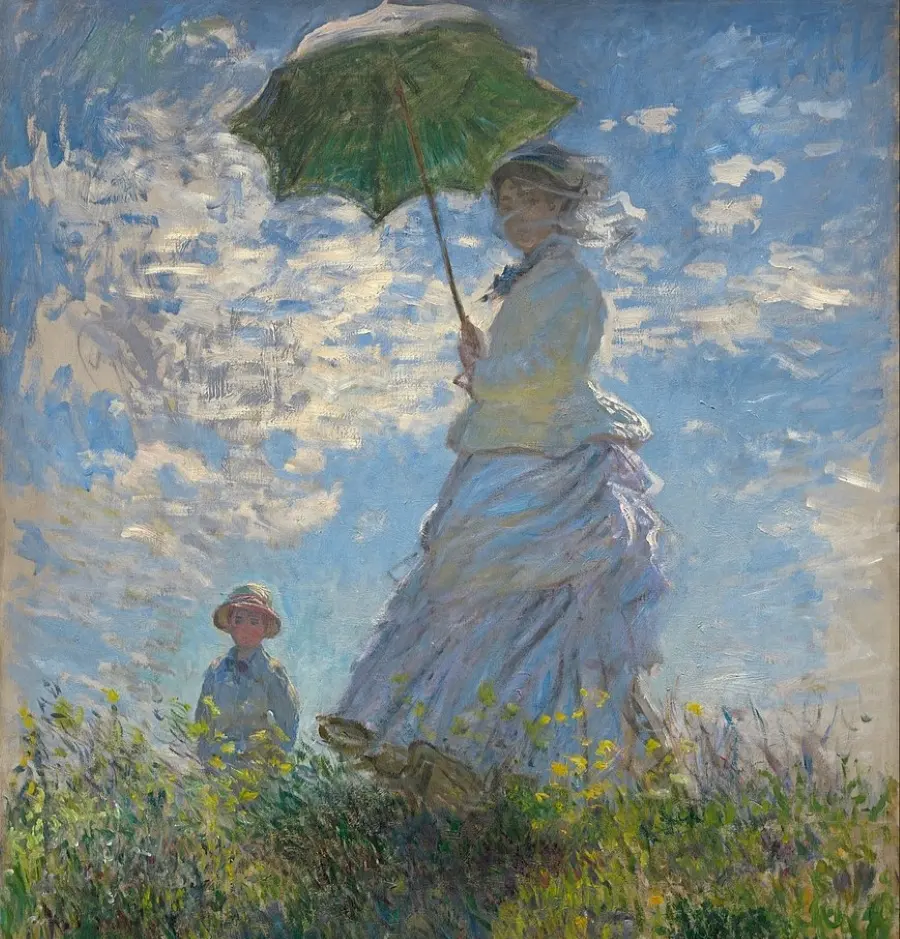
Claude Monet was the leading practitioner of Impressionism, a 19th-century art movement defined by capturing fleeting moments of light and atmosphere. He utilized short, broken brushstrokes and vibrant, unmixed colors to depict natural scenes. His focus shifted from precise detail toward the subjective perception of color, shadow, and changing environmental conditions.
On this page
What is the Impressionist style?
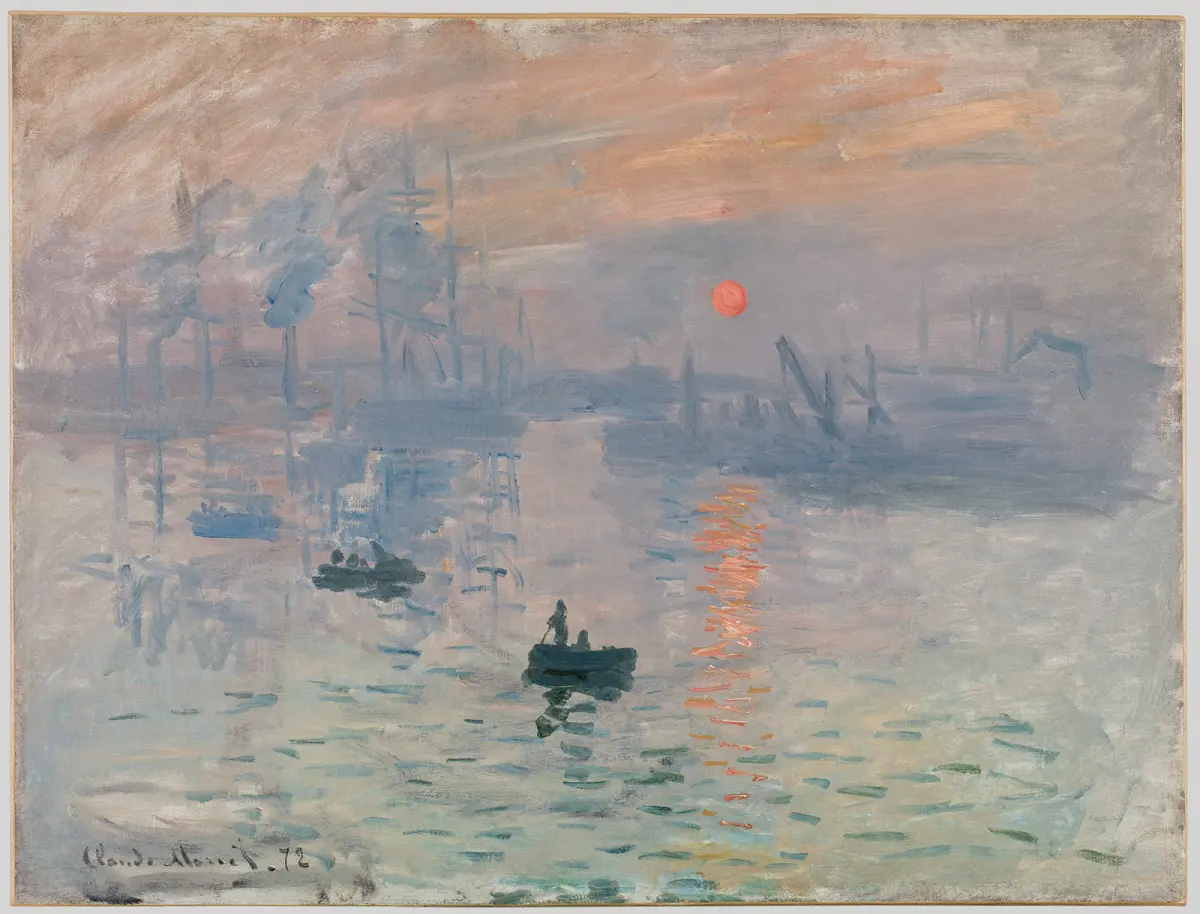
Impressionism emerged in France during the 1860s as a radical departure from the rigid standards of the Académie des Beaux-Arts. Artists like Monet sought to capture the "impression" of a scene rather than a photographic representation. They prioritized the effects of sunlight, the passage of time, and the immediate visual impact of a landscape.
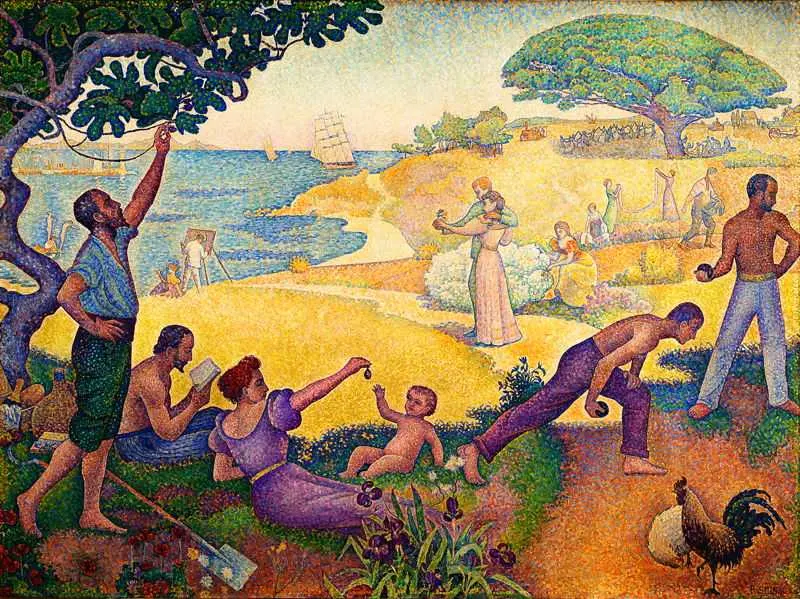
This style relies heavily on the optical mixing of colors. Instead of blending pigments on a palette to create muted tones, Monet applied small dabs of pure, primary colors directly onto the canvas. When viewed from a distance, the human eye blends these marks, resulting in a more luminous and vibrant image than traditional techniques could achieve.
- Focus on transitory moments and atmospheric conditions.
- Use of loose, visible brushwork to suggest movement.
- Emphasis on the changing quality of natural light.
- Rejection of traditional black shadows in favor of colorful reflections.
How did Monet apply paint to canvas?
Monet’s technique evolved significantly throughout his long career, but his core methodology remained consistent. He typically worked on white or light-colored primed canvases, which helped maintain the brilliance of his pigments. By applying paint in thick, rapid strokes, he captured the essence of a subject before the light changed.
He often employed a technique known as "alla prima," or wet-on-wet painting. This allowed him to layer colors while the previous application was still moist, creating soft edges and fluid transitions. He rarely used preparatory drawings, preferring to respond directly to the landscape. This spontaneity was essential for his goal of recording the fleeting nature of the world.
- Prime the canvas with a bright white base.
- Apply thin washes of color to establish the composition.
- Layer thick, broken brushstrokes to build texture and light.
- Add final highlights using pure, unmixed pigment.
Why did Monet paint the same subject repeatedly?
Monet is famous for his series paintings, such as the Haystacks, Rouen Cathedral, and Water Lilies. By painting the same object at different times of day and in varying weather, he demonstrated that the subject itself was secondary to the light hitting it. He wanted to prove that color is never static.
In his Rouen Cathedral series, he produced over 30 canvases of the same facade. Each painting reveals a different emotional and visual experience based on the sun’s position. This obsession with seriality allowed him to document the passage of time. He treated the atmosphere as a tangible subject, proving that the air between the viewer and the object is as important as the object itself.
- Capturing the transition from dawn to dusk.
- Observing how fog, rain, or snow alters color perception.
- Exploring the physical texture of light on architectural surfaces.
- Analyzing the influence of seasons on natural landscapes.
Common mistakes when trying Impressionism
Beginners often struggle with the urge to over-blend their colors. If you mix your paint too much on the palette, the result becomes muddy and loses the "sparkle" characteristic of Monet’s work. It is better to place colors side-by-side and let the viewer’s eye do the work. Another frequent error is focusing too much on outlines.
Impressionism is about mass and light, not rigid contours. If you find yourself drawing lines around trees or buildings, you are likely working against the style. Focus instead on the shapes of light and shadow. Avoid using black for shadows; instead, use deep blues, purples, or greens to represent the absence of light. This creates a much more natural and atmospheric depth in your work.
- Over-mixing colors, leading to dull, gray-toned paintings.
- Drawing hard outlines that flatten the image.
- Using black paint to darken areas, which kills the light.
- Spending too much time on details at the expense of the overall mood.
How to study Monet's techniques today
To understand Monet’s style, start by observing the world with a focus on color rather than labels. When you look at a tree, do not just see green; look for the blues in the shade, the yellows in the highlights, and the violets in the mid-tones. Practice painting outdoors, or "en plein air," to experience the challenge of shifting light.
Museum visits are also essential for seeing the physical application of his paint. Up close, you will see that his work is a chaotic map of marks, but as you step back, the image resolves into a cohesive, shimmering scene. By mimicking his process of working quickly and trusting your initial visual impression, you can begin to see the world through the eyes of an Impressionist painter.
Key facts
- Claude Monet was a founding figure of Impressionism, a movement named after his 1872 painting, Impression, Sunrise.
- He prioritized capturing the fleeting effects of natural light and atmosphere rather than painting precise, realistic details.
- Monet frequently used "broken color" techniques, applying short, thick strokes of paint side-by-side without blending them.
- He often painted the same subject, such as haystacks or Rouen Cathedral, at different times of day to study shifting light.
- To achieve his signature style, use a limited palette and apply paint directly to the canvas using a "wet-on-wet" approach.
- Avoid using black paint for shadows; instead, mix complementary colors to create depth and vibrancy in shaded areas.
The bottom line
Claude Monet’s Impressionist style remains one of the most influential movements in art history. By prioritizing the subjective experience of light and color over rigid realism, he transformed how we perceive the natural world. To emulate his technique, focus on observing shifting light, embrace visible brushwork, and avoid over-blending your colors. His legacy proves that capturing a fleeting moment is more powerful than documenting perfect detail.
People also ask
Did Monet ever paint portraits?
Yes, Monet painted several portraits, including Camille with a Green Parasol (1875). However, he generally preferred landscapes and garden scenes where he could focus on the interplay of light and nature.
How did Monet achieve his distinct color palette?
Monet used vibrant, unmixed colors straight from the tube to create luminosity. He observed that shadows are rarely black, so he used blues, purples, and deep greens to depict them.
What is the best way to start an Impressionist painting?
Begin by sketching the composition loosely with a thin wash of color. Focus on mapping out the light sources before applying thicker, more deliberate paint strokes.
Why did Monet paint the same subjects repeatedly?
He was obsessed with the concept of "serial painting." By capturing the same scene under different weather and lighting conditions, he demonstrated how light fundamentally alters the viewer's perception of reality.
What materials did Monet use for his work?
He primarily used oil paints on canvas, often employing hog-hair brushes to create visible, textured marks. He also favored portable easels to paint en plein air, or outdoors, to capture immediate observations.
Is Impressionism the same as Post-Impressionism?
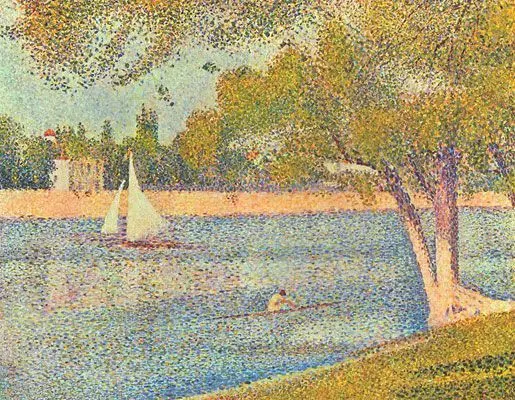
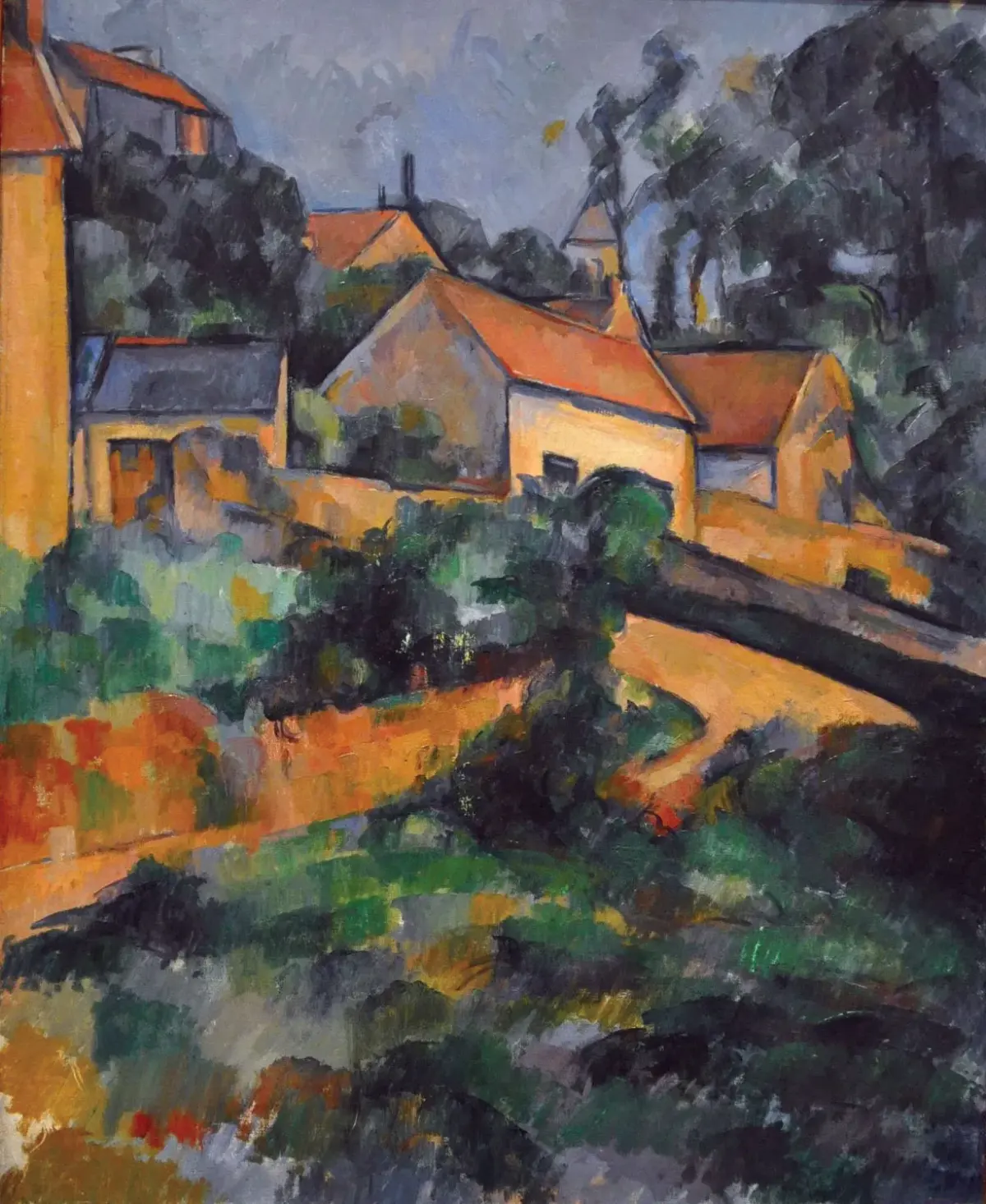
No, they are distinct movements. While Impressionists focused on capturing natural light, Post-Impressionists like Van Gogh used more subjective, emotional, and symbolic approaches to color and form.
This answer was created with the help of AI research tools and reference sources. Spotted an error? Let us know — we correct mistakes quickly. See our editorial policy.