What is Claude Monet's most famous painting?
Short answer
Claude Monet’s most famous painting is Impression, Sunrise (1872). The work depicts the port of Le Havre at dawn and is widely credited with inspiring the name of the Impressionist movement. Its loose brushwork and focus on light over precise detail define the revolutionary aesthetic that Monet championed throughout his prolific career.
On this page
Why is Impression, Sunrise the most famous?
Impression, Sunrise holds a unique place in art history because it provided the label for an entire artistic movement. When the painting was exhibited in 1874, a critic named Louis Leroy used the title to mock the artists, calling them "Impressionists" because he felt the work looked like an unfinished sketch rather than a finished painting. The artists eventually embraced the term, turning a derogatory comment into a badge of honor for their revolutionary style.
The painting is significant because it prioritizes the subjective experience of light and atmosphere over realistic representation. Monet used bold, orange strokes against a cool, blue-gray background to capture the fleeting moment of the sun rising over the harbor. This focus on the "impression" of a scene, rather than its literal details, shifted the course of Western art. Today, it remains the definitive example of the break from traditional academic painting, marking the transition into modern art.
How to identify a Monet painting
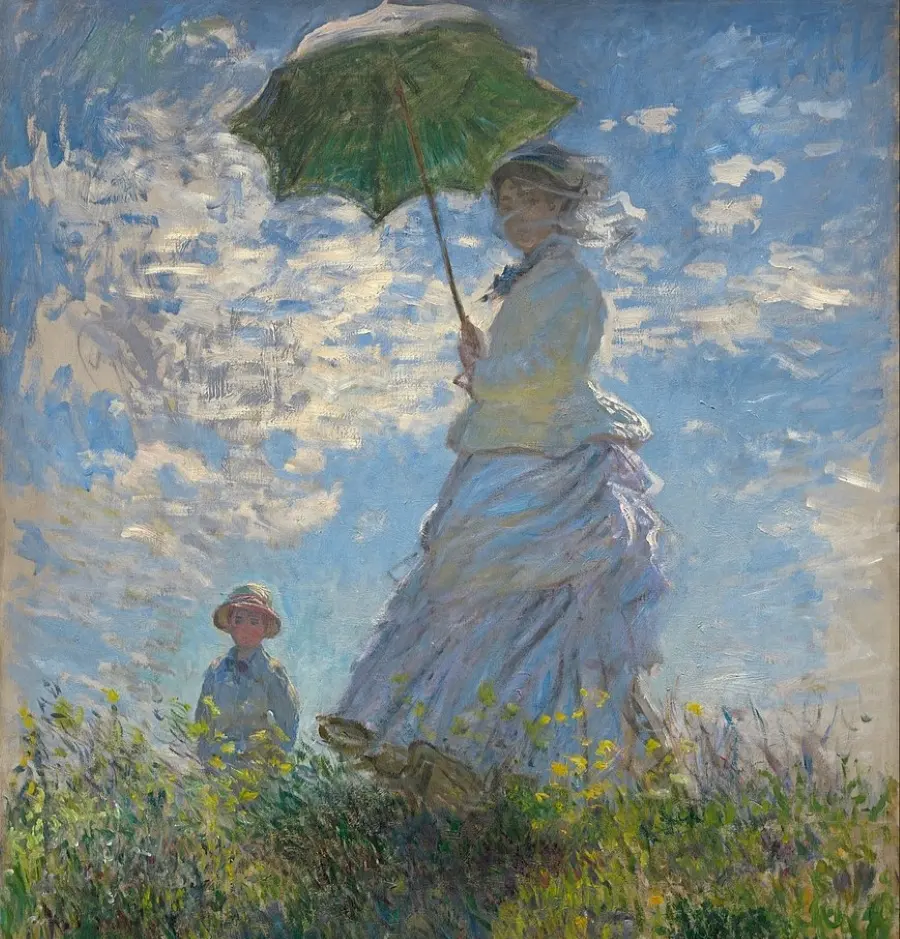
Monet’s work is characterized by specific techniques that allow viewers to recognize his style across his vast body of work. He rarely used black paint, preferring to mix complementary colors to create shadows and depth. His brushwork is typically short, thick, and rapid, designed to capture the changing quality of light in a specific moment. If you are looking at a painting and notice that the forms seem to dissolve into color and light, it is likely a Monet.
To distinguish his work from other Impressionists, look for these specific elements:
- A focus on "en plein air" (outdoor) painting, which results in vibrant, natural lighting.
- The use of series, where he painted the same subject at different times of day to study light.
- A lack of hard outlines, which forces the viewer's eye to blend the colors together.
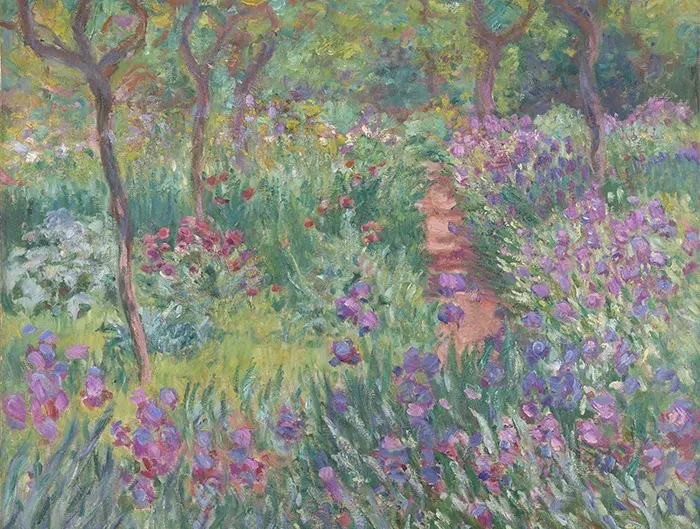
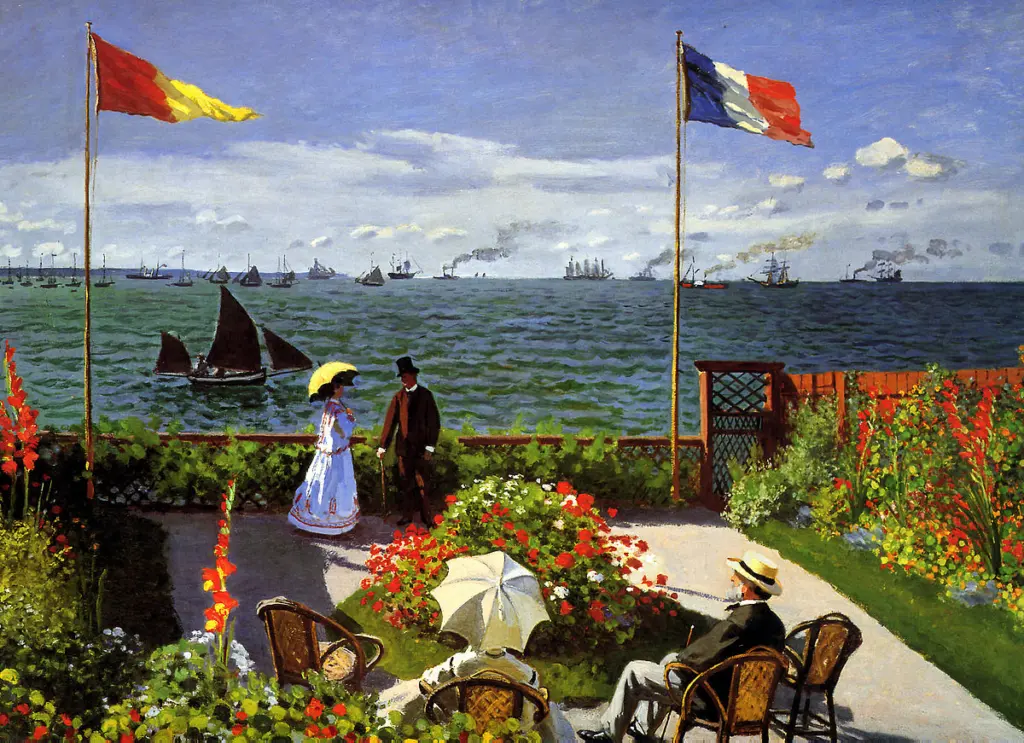
- A preference for everyday subjects, such as gardens, haystacks, or city streets, rather than historical or religious themes.
Where can you see Monet's paintings?
While Impression, Sunrise is permanently housed at the Musée Marmottan Monet in Paris, many of his other masterpieces are scattered across the globe. Major museums in the United States, France, and the United Kingdom hold significant collections. Because Monet produced thousands of works, you can often find his canvases in major metropolitan art institutions. Planning a visit requires checking the museum’s current exhibition schedule, as his most fragile works are sometimes rotated to prevent light damage.
If you are planning a trip to view his work, consider these top locations:
- Musée d'Orsay, Paris: Home to a vast collection of his most iconic Impressionist works.
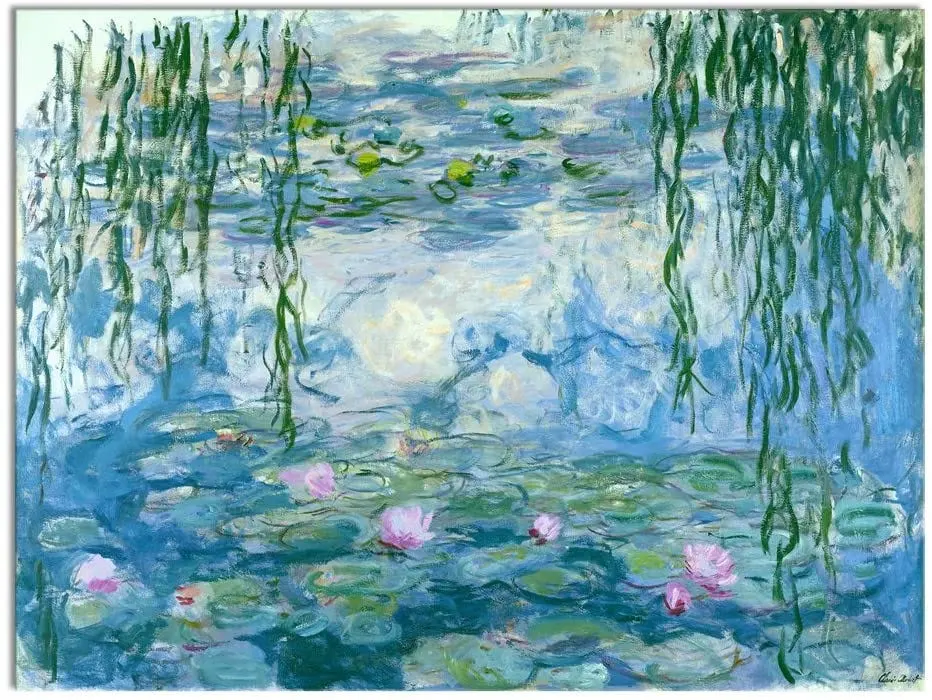
- Musée de l'Orangerie, Paris: Famous for the massive, immersive Water Lilies murals.
- The Art Institute of Chicago: Holds one of the largest collections of Monet outside of France.
- The Metropolitan Museum of Art, New York: Features an extensive array of his landscapes and portraits.
Common mistakes when studying Monet
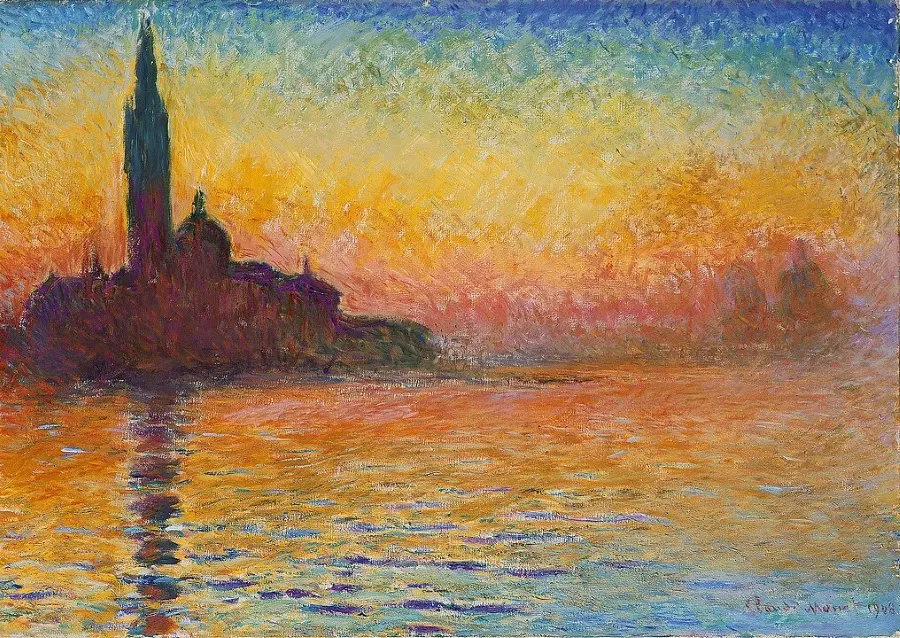
One common mistake is expecting his paintings to look like high-resolution photographs. Many viewers approach his work looking for sharp lines and clear details, but Monet intentionally blurred these to emphasize the movement of light. If you stand too close to a Monet, the image may appear to be nothing more than a chaotic collection of colorful dabs. To properly appreciate his technique, you must step back several feet to let the colors coalesce into a coherent image.
Another error is assuming that Monet’s work is purely decorative or simple. While his garden scenes are aesthetically pleasing, they were the result of rigorous intellectual study and years of experimentation. He spent decades refining his ability to capture the exact color of light at different times of day. Ignoring the scientific and observational rigor behind his work leads to a superficial understanding of his contribution to art history. Always consider the context of the time of day and the season when viewing his series paintings.
How to appreciate Monet’s series paintings
Monet is famous for painting the same subject repeatedly, such as his series on haystacks, Rouen Cathedral, and the Japanese bridge at Giverny. By painting the same object under different weather conditions and times, he demonstrated that the object itself was less important than the light reflecting off it. When viewing these series, try to look at them as a collective study rather than individual portraits. You will notice how the mood of the scene shifts entirely based on the color palette.
To get the most out of viewing a series, follow these steps:
- Observe the shadows: Notice how they change from blue or purple in the morning to deep, warm tones in the evening.
- Compare the textures: Look at how the brushstrokes change to represent the mist, direct sunlight, or overcast skies.
- Focus on the atmosphere: Ask yourself how the air in the painting feels, whether it is humid, crisp, or hazy.
- Note the time: If the museum provides the time of day in the title, use it to anchor your perception of the light.
Key facts
- Claude Monet’s most famous work is Impression, Sunrise, painted in 1872.
- The painting depicts the port of Le Havre, France, at dawn.
- Art critics coined the term "Impressionism" as a mockery of this specific painting's title.
- The original canvas measures approximately 18.9 by 24.8 inches.
- It is currently housed in the Musée Marmottan Monet in Paris.
- When viewing the painting, look for the orange sun, which is the only bright color against the cool blue and gray tones.
The bottom line
While Claude Monet produced thousands of works, Impression, Sunrise remains his most significant contribution to art history for lending its name to the Impressionist movement. By prioritizing light and atmosphere over rigid realism, Monet fundamentally changed how artists approached the canvas. Visiting his garden in Giverny or viewing his vast series of water lilies provides the best context for understanding his lifelong obsession with nature.
People also ask
Where can I see Monet’s Water Lilies series?
The most famous large-scale Water Lilies panels are permanently installed in the Musée de l'Orangerie in Paris. Many other individual paintings from the series are held in major museums worldwide, such as the Metropolitan Museum of Art in New York and the Art Institute of Chicago.
Was Monet the founder of the Impressionist movement?
Monet was a central figure and a founding member of the Impressionist group, but the movement was a collective effort. Other key artists included Pierre-Auguste Renoir, Camille Pissarro, and Edgar Degas, who all sought to capture light and atmosphere rather than precise detail.
How many paintings did Monet create in his lifetime?
Monet created roughly 2,500 paintings, drawings, and pastels throughout his long career. His prolific output includes extensive series focusing on specific subjects like haystacks, cathedrals, and his garden at Giverny.
Why did Monet paint the same subject multiple times?
Monet was obsessed with how light, weather, and time of day changed the appearance of a single subject. By painting the same scene repeatedly, he documented the fleeting effects of nature rather than the physical structure of the object itself.
Can I visit Monet's home and garden?
Yes, Monet’s home and famous flower gardens in Giverny are open to the public from spring through autumn. Visitors can walk across the iconic Japanese bridge and see the pond that inspired his famous Water Lilies series.
What is the best way to appreciate an Impressionist painting?
Stand back several feet from the canvas to allow the individual brushstrokes to blend visually. Up close, the paint may look like chaotic dabs, but from a distance, the colors merge to form a cohesive, vibrant image.
This answer was created with the help of AI research tools and reference sources. Spotted an error? Let us know — we correct mistakes quickly. See our editorial policy.