What is golden hour?
Short answer
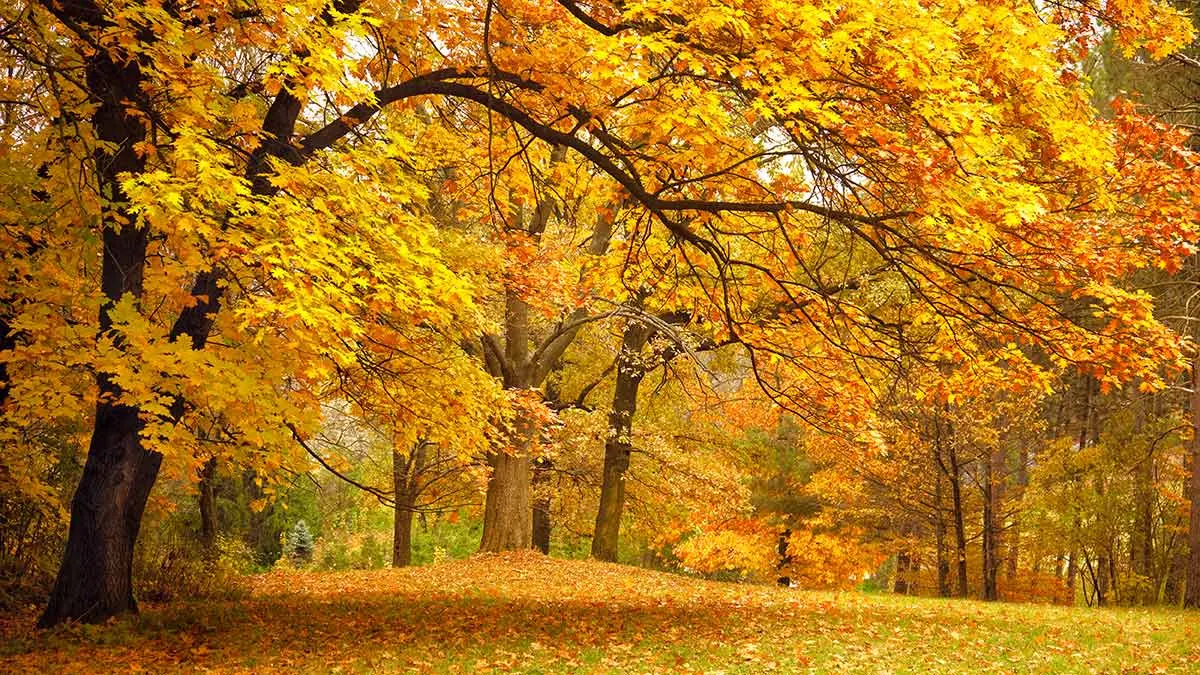
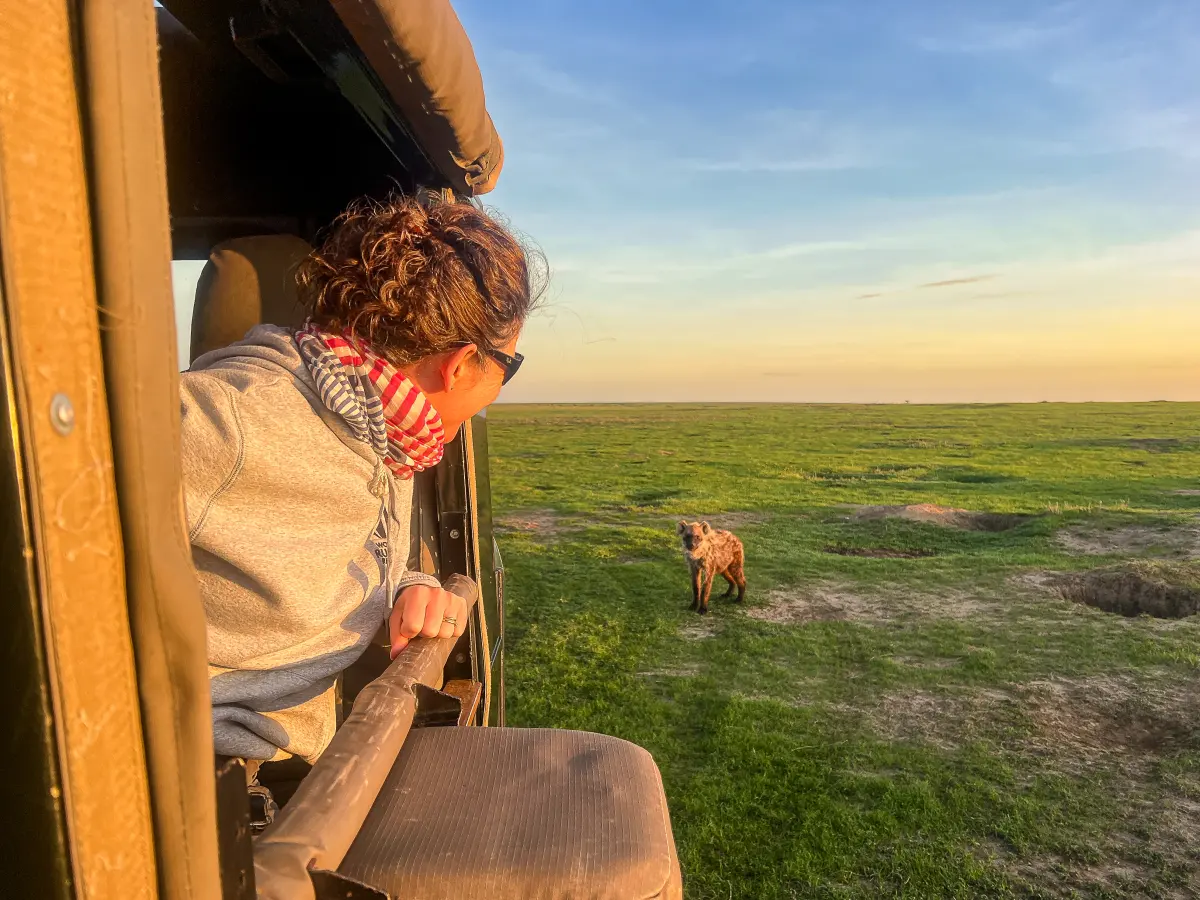
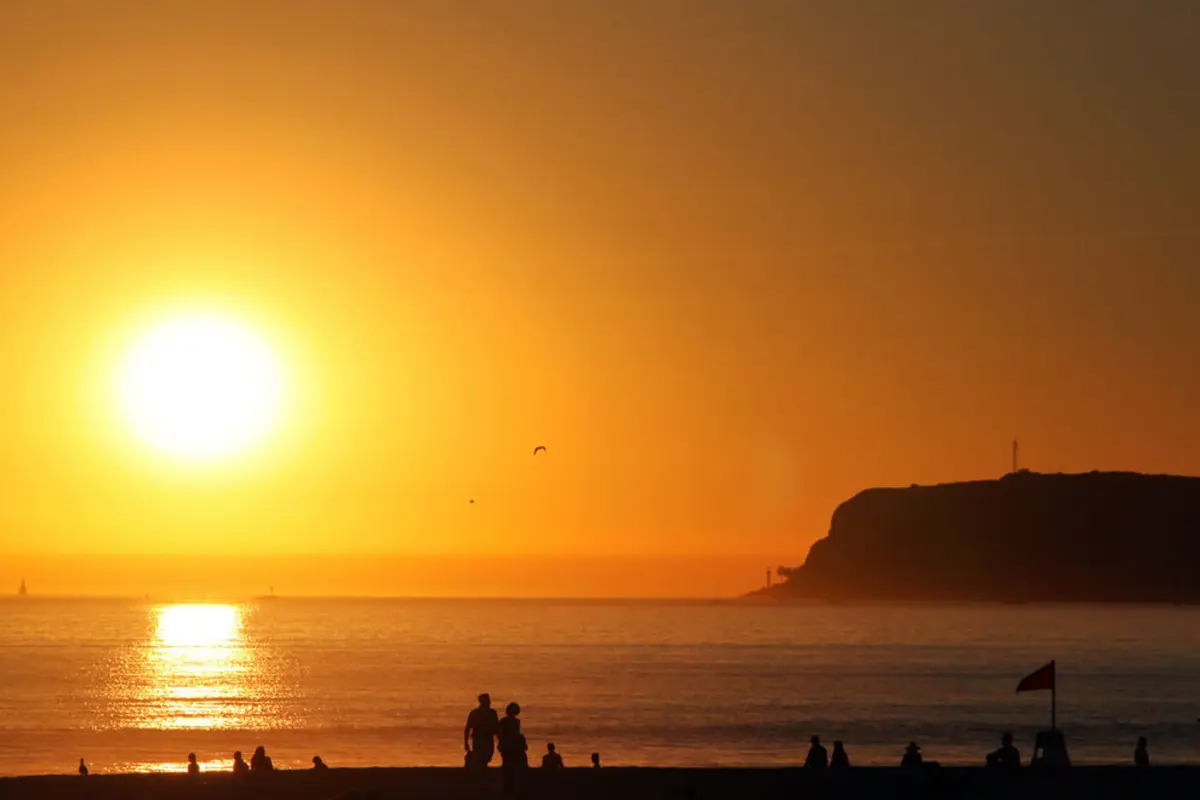
The golden hour is the period shortly after sunrise or shortly before sunset during which daylight is redder and softer than when the sun is higher in the sky. Photographers and cinematographers prize this interval for its warm, flattering light, which creates long shadows and reduces harsh contrast in outdoor images.
On this page
Why does golden hour happen
The golden hour occurs because of the sun’s position relative to the horizon. When the sun is low in the sky, its light must travel through a thicker layer of the Earth’s atmosphere to reach your eyes or a camera lens. This atmospheric filtering scatters shorter, blue wavelengths of light, leaving behind the longer, warmer red and orange wavelengths that define the period.
This phenomenon is scientifically linked to Rayleigh scattering, the same process responsible for the blue color of the sky during the day. Because the light is diffused by this atmospheric path, it becomes significantly softer and more directional than the harsh, overhead light found at midday. This quality of light is highly sought after because it minimizes unsightly shadows under the eyes and nose, creating a natural, glowing effect on skin tones and landscapes alike.
How long does golden hour last
Despite its name, the golden hour rarely lasts exactly sixty minutes. Its duration depends heavily on your geographic location and the time of year. Near the equator, the sun rises and sets at a steep angle, meaning the transition from darkness to bright daylight is rapid, often resulting in a golden period that lasts only twenty to thirty minutes.
In contrast, locations closer to the poles experience a much slower transition. During summer months in high-latitude regions, the sun may skim the horizon for several hours, extending the golden hour significantly. To determine the exact timing for your specific location, you can use various digital tools:
- Use dedicated smartphone apps like PhotoPills or The Photographer's Ephemeris.
- Check local weather websites that provide daily sunrise and sunset data.
- Observe the sky for the distinct color shift toward amber and gold.
Best photography tips for beginners
To capture the best results during this period, you must be prepared to work quickly as the light changes minute by minute. Start by setting your camera to a manual white balance rather than auto. Auto white balance often attempts to neutralize the warm, golden tones, effectively stripping the image of the very quality you are trying to capture.
When shooting portraits or landscapes, follow these basic steps to ensure professional results:
- Scout your location at least thirty minutes before the sun hits the horizon.
- Position your subject so the light hits them from the side or back to create a rim-light effect.
- Use a wide aperture, such as f/2.8, to create a soft, dreamy background blur.
- Keep your ISO low to maintain image clarity as the light begins to dim.
Common mistakes when shooting golden hour
One of the most frequent errors is arriving at the location exactly when the sun begins to set. By the time you have set up your tripod and adjusted your camera settings, the best light will have already passed. Always arrive early to account for the rapid changes in light intensity and color temperature that occur during this brief window.
Another common mistake is failing to account for the direction of the light. Many beginners shoot with the sun directly behind them, which can result in flat, uninteresting images. Instead, experiment with backlighting, where the sun is behind your subject. This creates a beautiful "halo" effect around hair or foliage. Avoid these pitfalls by:
- Ignoring the changing exposure levels as the sun dips lower.
- Forgetting to check your histogram to ensure you are not losing detail in the highlights.
- Focusing only on the sun itself rather than the warm light reflecting off nearby buildings or trees.
Why videographers love golden hour
In cinematography, the golden hour is often referred to as "magic hour" because of the cinematic quality it imparts to a scene. The low-angle light creates long, dramatic shadows that add depth and dimension to a frame, making even mundane settings look visually striking. This lighting style is frequently used in film to establish a nostalgic, romantic, or peaceful mood.
Because the light is naturally diffused, it acts like a giant softbox in the sky, reducing the need for expensive artificial lighting equipment. This makes it an ideal time for independent filmmakers to capture high-production-value footage without a large crew. When filming, prioritize movement that keeps the subject within the golden light, as even a slight shift in position can change the entire aesthetic of the shot. By leveraging the natural warmth and soft contrast of this time, you can elevate the emotional impact of your visual storytelling significantly.
Key facts
- The golden hour occurs twice daily: shortly after sunrise and shortly before sunset.
- During this window, the sun is low on the horizon, creating a soft, diffused light that minimizes harsh shadows.
- The light appears warmer in color temperature, often described as golden, orange, or reddish.
- Photographers use specialized apps like PhotoPills or SunCalc to track the precise timing of the golden hour at their specific GPS coordinates.
- In mid-latitudes, the golden hour typically lasts about 60 minutes, though it is shorter near the equator and longer at higher latitudes.
- A common mistake is waiting until the sun has already dipped below the horizon; the best light often occurs when the sun is between 6 degrees above and 4 degrees below the horizon.
The bottom line
The golden hour is a fleeting period of optimal natural lighting that occurs during the transition between day and night. By utilizing the sun's low position, photographers can capture images with warm tones, soft shadows, and enhanced depth. Success requires careful planning, as the duration varies by location and season, making it essential to time your shoots precisely to capture the most dramatic and flattering visual effects.
People also ask
How does the golden hour differ from the blue hour?
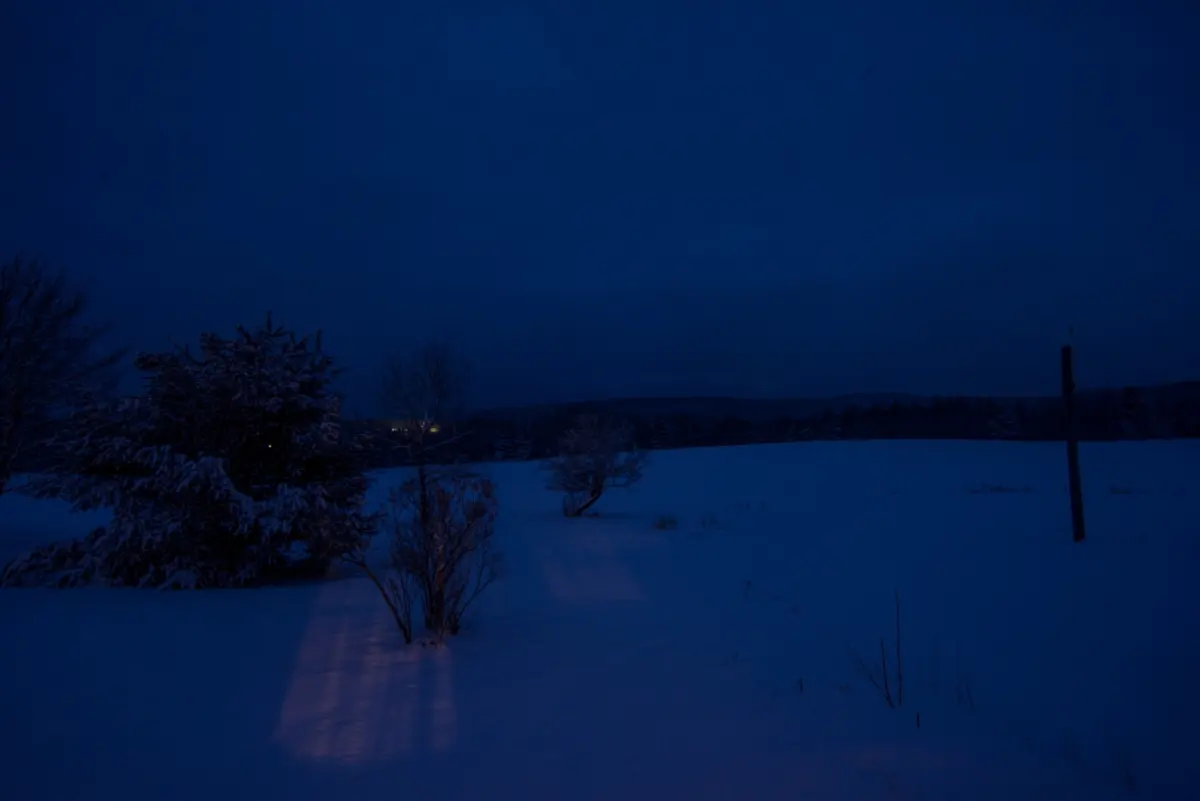
The blue hour occurs just before sunrise or after sunset when the sun is well below the horizon. It produces cool, deep blue tones, whereas the golden hour provides warm, glowing light when the sun is still visible.
Does the golden hour look the same in every location?
No, atmospheric conditions like pollution, humidity, and cloud cover significantly alter the light. A dusty or hazy day can result in more intense, vibrant reds and oranges compared to a clear, crisp day.
Can I use the golden hour for portrait photography?
Yes, it is widely considered the ideal time for portraits because the soft light is flattering on skin tones. It eliminates the deep, dark shadows under the eyes and nose that occur during midday sun.
Does the golden hour happen at the same time every day?
No, the timing shifts daily based on the Earth's rotation and your specific latitude. You must check a local weather or photography app each day to determine the exact start and end times for your area.
Is golden hour light only useful for landscape photography?
While popular for landscapes, it is equally effective for street, architectural, and macro photography. The long shadows created during this time add depth and texture to subjects that might look flat under direct overhead light.
What is the biggest mistake beginners make during the golden hour?
Many beginners fail to prepare their equipment in advance and miss the peak light. Because the window is short, you should arrive at your location at least 30 minutes before the light begins to change.
This answer was created with the help of AI research tools and reference sources. Spotted an error? Let us know — we correct mistakes quickly. See our editorial policy.