What is blue hour?
Short answer
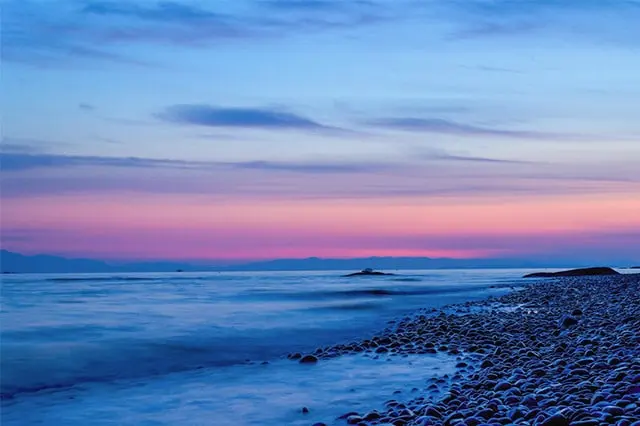
Blue hour is the period of twilight occurring just before sunrise or just after sunset when the sun is well below the horizon. During this time, the atmosphere scatters short-wavelength blue light, bathing the landscape in a cool, deep-blue hue. It is a favored window for photographers seeking soft, ethereal lighting conditions.
On this page
Why blue hour happens
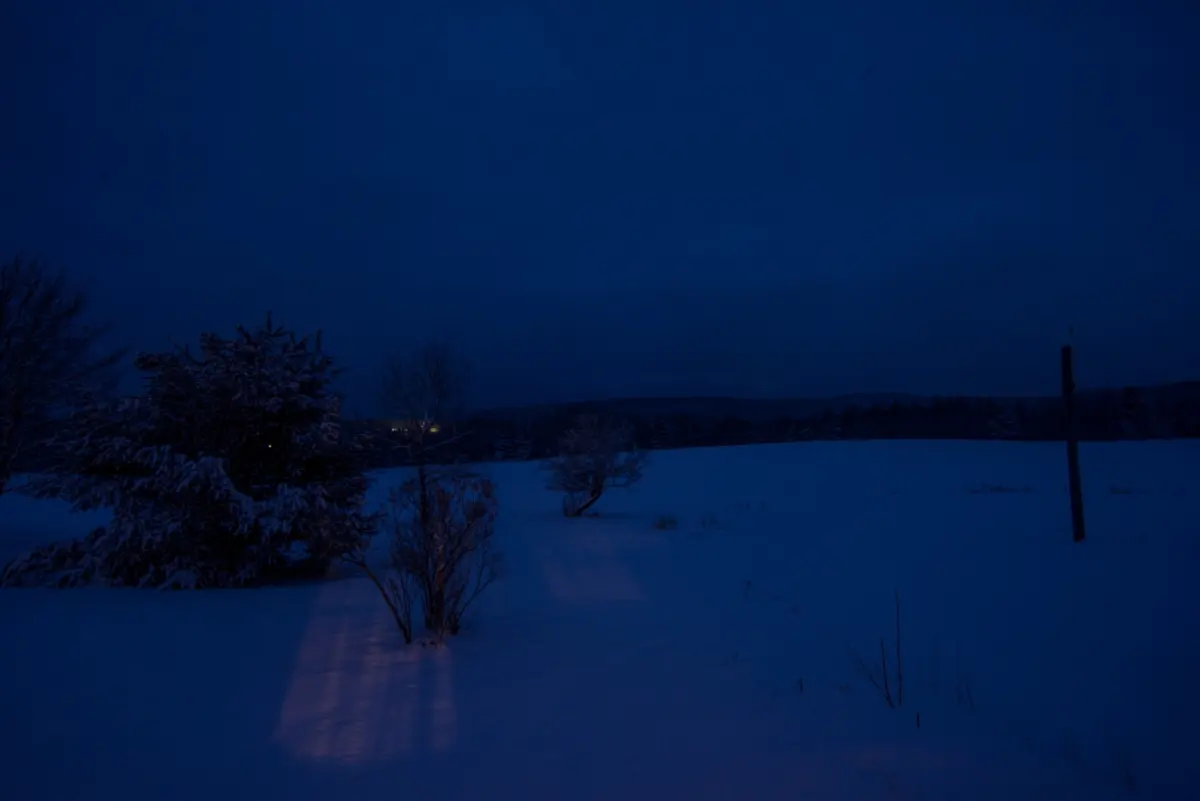
The phenomenon of the blue hour is a result of Rayleigh scattering, the same physical process that causes the sky to appear blue during the day. When the sun is between 4 and 8 degrees below the horizon, it no longer illuminates the earth directly. Instead, the atmosphere filters out the longer, warmer wavelengths of red and orange light. Because blue light has a shorter wavelength, it is scattered more effectively by air molecules, creating a deep, monochromatic glow across the sky.
This transition period is distinct from the "golden hour," which occurs when the sun is closer to the horizon and produces warm, amber tones. During the blue hour, the light is characterized by low contrast and a lack of harsh shadows. It creates a tranquil, moody atmosphere that is highly sought after for both landscape and architectural photography. The duration of this phase depends on your latitude and the time of year, with regions closer to the poles experiencing much longer blue hour transitions than those near the equator.
How long does blue hour last
The duration of the blue hour is not fixed; it typically lasts between 20 and 40 minutes. Because it relies on the sun's position relative to the horizon, the timing shifts depending on your geographic location and the season. In the summer months, the sun descends at a shallower angle, which can stretch the twilight period significantly. Conversely, in winter, the sun drops more steeply, leading to a much shorter window of blue light.
To predict the exact timing for your location, consider the following factors:
- Latitude: Higher latitudes experience longer twilights.
- Season: Summer solstice provides the longest duration.
- Weather: Overcast skies can diffuse the light and extend the visual effect.
- Altitude: Higher elevations can slightly alter the timing of the sun's disappearance.
You can use various mobile applications or online solar calculators to pinpoint the precise start and end times for your specific coordinates. These tools track the sun's elevation angle, ensuring you are ready before the light begins to shift.
Best camera settings for blue hour
Capturing the blue hour effectively requires moving beyond automatic camera settings. Because the light levels are low, your camera will likely attempt to use a high ISO or a slow shutter speed, which can introduce digital noise or motion blur. To achieve sharp, high-quality images, you should prioritize a stable setup and manual control over your exposure triangle.
Follow these steps to optimize your camera for low-light conditions:
- Use a sturdy tripod to eliminate camera shake during long exposures.
- Set your ISO to the lowest native setting, typically 100 or 200, to minimize noise.
- Use a narrow aperture, such as f/8 or f/11, to ensure deep focus throughout the scene.
- Shoot in RAW format to allow for greater flexibility when adjusting white balance during post-processing.
- Utilize a remote shutter release or the camera's self-timer to prevent vibrations when pressing the button.
By controlling these variables, you ensure that the deep blues of the sky are rendered with clarity and detail rather than grainy distortion.
Tips for blue hour photography
The blue hour is an excellent time to photograph urban environments because the artificial lights of buildings and streetlamps begin to pop against the deep blue sky. This contrast between the cool ambient light and the warm glow of city lights creates a balanced, professional-looking composition. When shooting landscapes, look for subjects that have reflective surfaces, such as lakes or glass-fronted buildings, to amplify the color saturation of the twilight.
When planning your shoot, keep these strategies in mind:
- Arrive at your location at least 30 minutes before the sun sets or rises to scout your composition.
- Focus on silhouettes to create strong, graphic shapes against the colorful horizon.
- Experiment with long exposures to turn moving water or clouds into soft, ethereal elements.
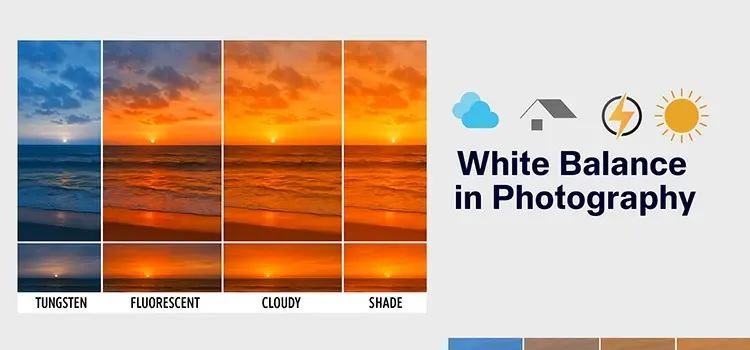
- Pay attention to the white balance; setting it to "Tungsten" or "Incandescent" can sometimes enhance the blue tones, though shooting in RAW allows you to adjust this later.
Being prepared allows you to focus on the fleeting quality of the light rather than scrambling to set up your equipment as the window closes.
Common mistakes when shooting blue hour
A frequent error is waiting too long to begin shooting. Many photographers assume the blue hour starts immediately after the sun disappears, but the best light often begins once the sun is several degrees below the horizon. If you arrive late, you may miss the most vibrant saturation of the sky. Another common pitfall is neglecting the foreground; in low light, a dark, featureless foreground can make an image feel unbalanced. Always try to include an interesting subject or leading line in the lower third of your frame.
Avoid these common pitfalls to improve your results:
- Over-processing the images: Excessive saturation can make the blue look artificial and muddy.
- Ignoring the light meter: In low light, the camera's meter may try to overexpose the scene, making the sky look like daylight; use exposure compensation to keep the mood dark.
- Forgetting to check the horizon: Ensure your horizon is perfectly level, as a tilted frame is more noticeable in the high-contrast environment of twilight.
- Leaving the lens hood off: Even with the sun below the horizon, stray light can cause lens flare, so keep your hood on to maintain contrast.
By avoiding these mistakes, you will capture the serene beauty of the blue hour with professional precision and artistic intent.
Key facts
- Blue hour occurs twice daily, briefly before sunrise and just after sunset.
- The phenomenon happens when the sun is between 4 and 8 degrees below the horizon.
- Rayleigh scattering causes the atmosphere to filter out red light, leaving only shorter, blue wavelengths.
- The duration of blue hour varies by latitude and time of year, typically lasting 20 to 40 minutes.
- Photographers prefer this time for its soft, diffused light that eliminates harsh shadows and high-contrast highlights.
- Use a tripod during blue hour, as the low light levels necessitate longer shutter speeds to maintain image clarity.
The bottom line
Blue hour is a brief, magical window of time occurring just before sunrise and after sunset. Caused by the sun’s position below the horizon, it bathes the world in soft, cool blue light. It is a favorite time for photographers to capture serene landscapes and vibrant cityscapes. By using a tripod and planning ahead, you can leverage this fleeting period to create stunning, atmospheric images.
People also ask
Is blue hour the same as golden hour?
No, golden hour occurs when the sun is low in the sky but still above the horizon, casting warm, orange light. Blue hour happens when the sun is below the horizon, resulting in a cool, deep blue color temperature.
How can I predict when blue hour starts in my area?
You can use dedicated photography apps like PhotoPills or online solar calculators to track exact sun positions. These tools provide the precise start and end times for blue hour based on your specific GPS coordinates.
Do I need special camera settings for blue hour?
You should shoot in RAW format to retain maximum color data for post-processing. Set your white balance to "Daylight" or "Cloudy" rather than "Auto" to prevent the camera from neutralizing the natural blue tones.
Why does the sky look different during blue hour compared to night?
During blue hour, there is still enough indirect sunlight to illuminate the atmosphere and create a deep blue hue. At night, the sun is too far below the horizon to scatter light, resulting in a black sky.
Can I capture blue hour in a city environment?
Yes, cities are excellent locations because the blue sky provides a perfect backdrop for artificial lights. The contrast between the cool blue ambient light and the warm glow of street lamps creates a visually compelling balance.
What is the biggest mistake to avoid when photographing blue hour?
The most common error is waiting too long to start shooting, as the light fades rapidly. Arrive at your location at least 15 minutes before sunset so you are ready to capture the transition as soon as the sun dips below the horizon.
This answer was created with the help of AI research tools and reference sources. Spotted an error? Let us know — we correct mistakes quickly. See our editorial policy.