Science & Nature
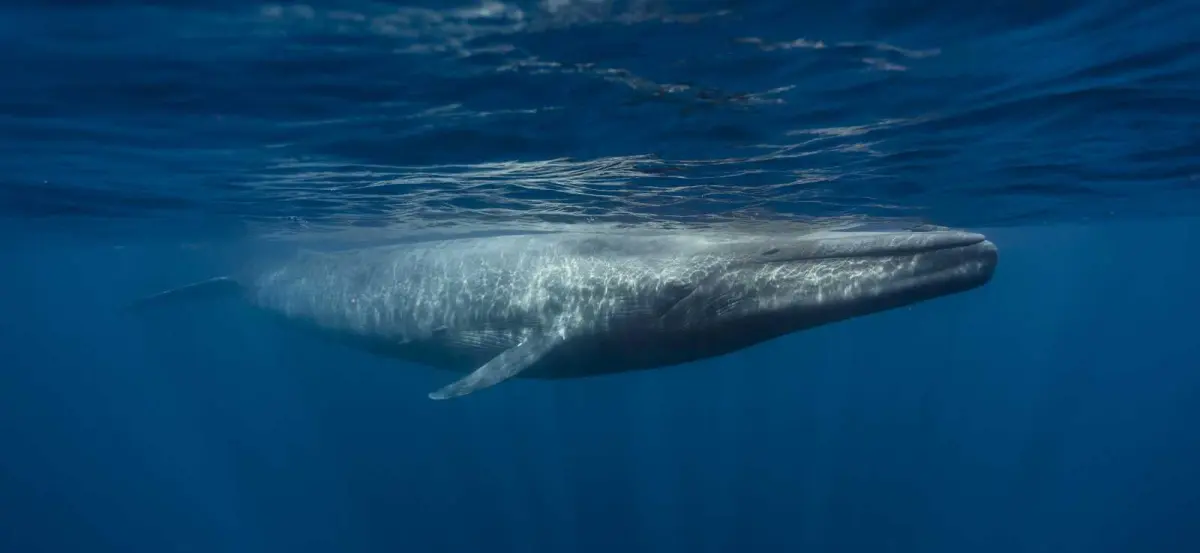
Where do blue whales live?
Blue whales inhabit every ocean on Earth except the Arctic. These massive mammals are migratory, typically spending summers in…
Questions and answers about blue.
Blue whales inhabit every ocean on Earth except the Arctic. These massive mammals are migratory, typically spending summers in…
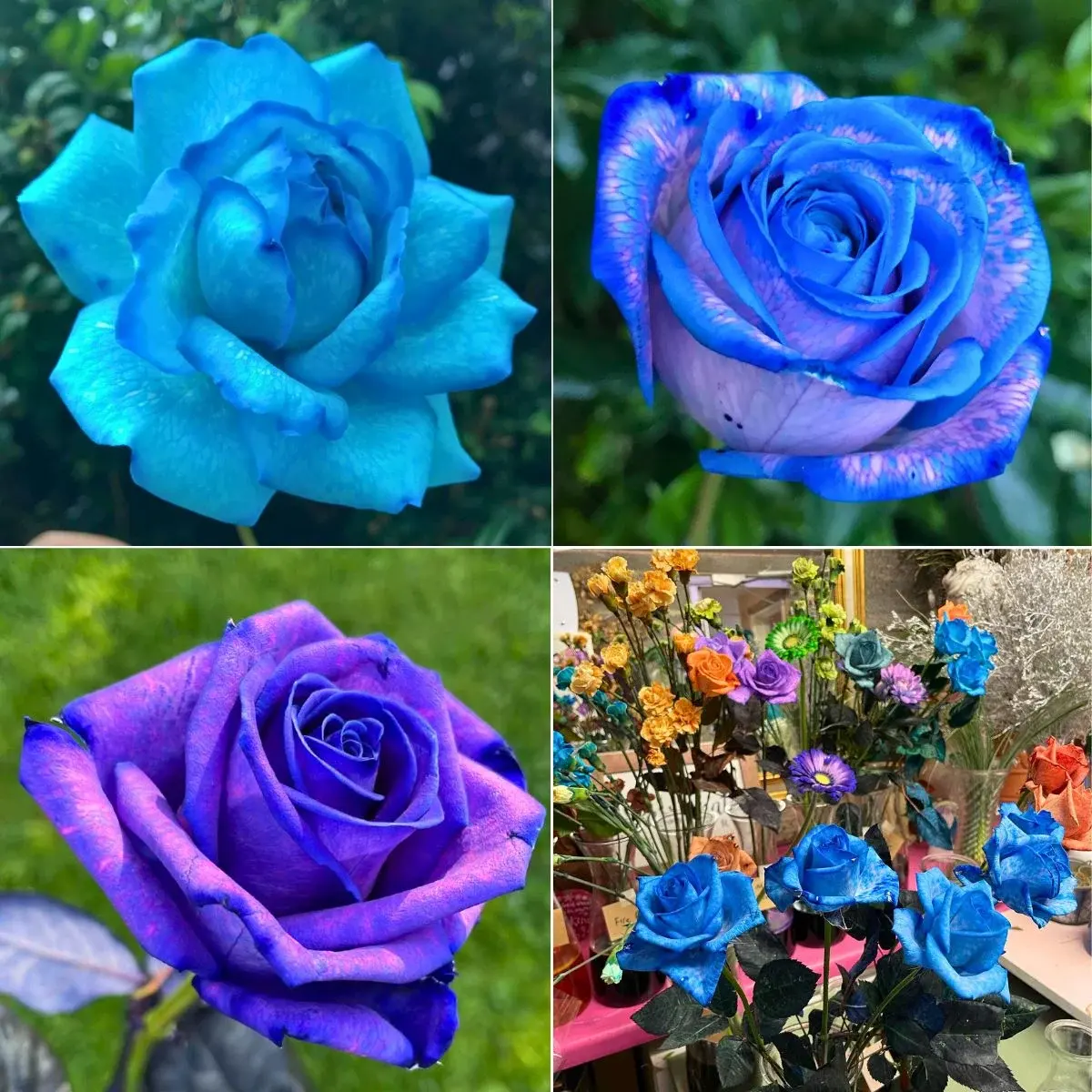
Blue roses do not exist in nature because roses lack the specific gene required to produce the delphinidin pigment needed for a…
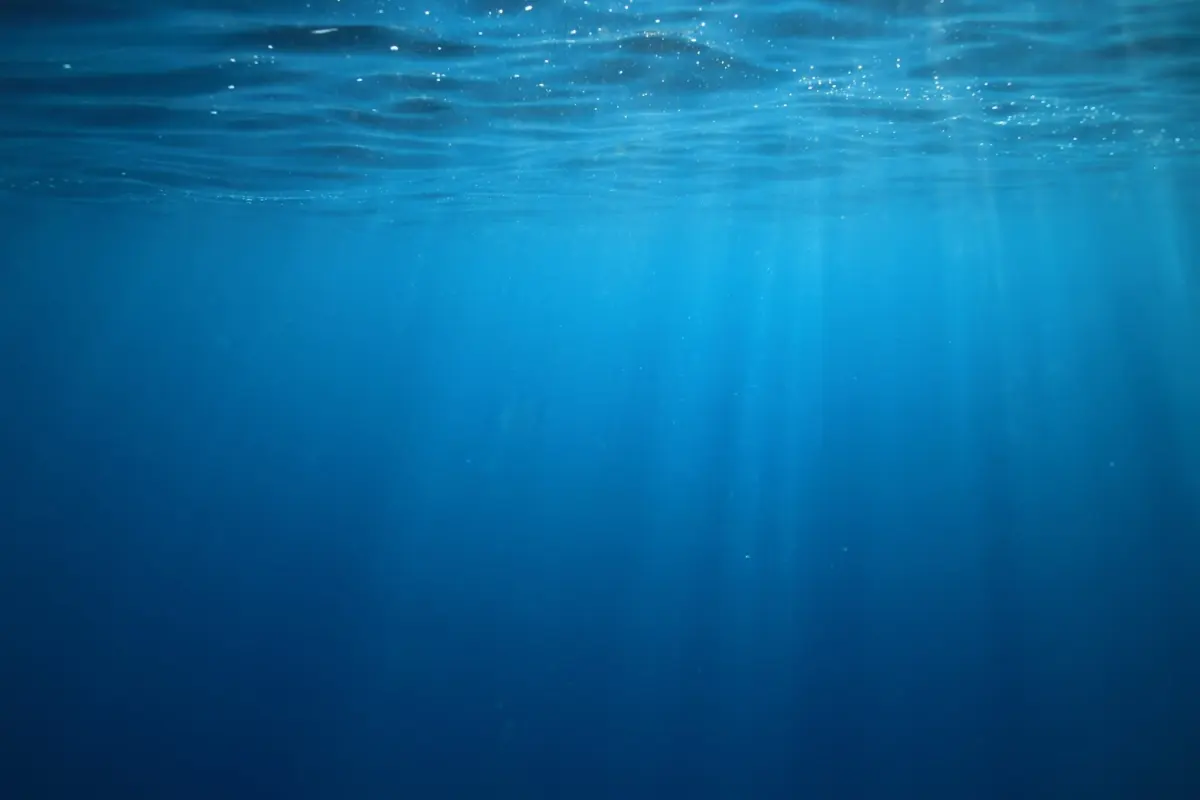
The ocean appears blue primarily because water molecules absorb the longer wavelengths of sunlight, such as red, orange, and…
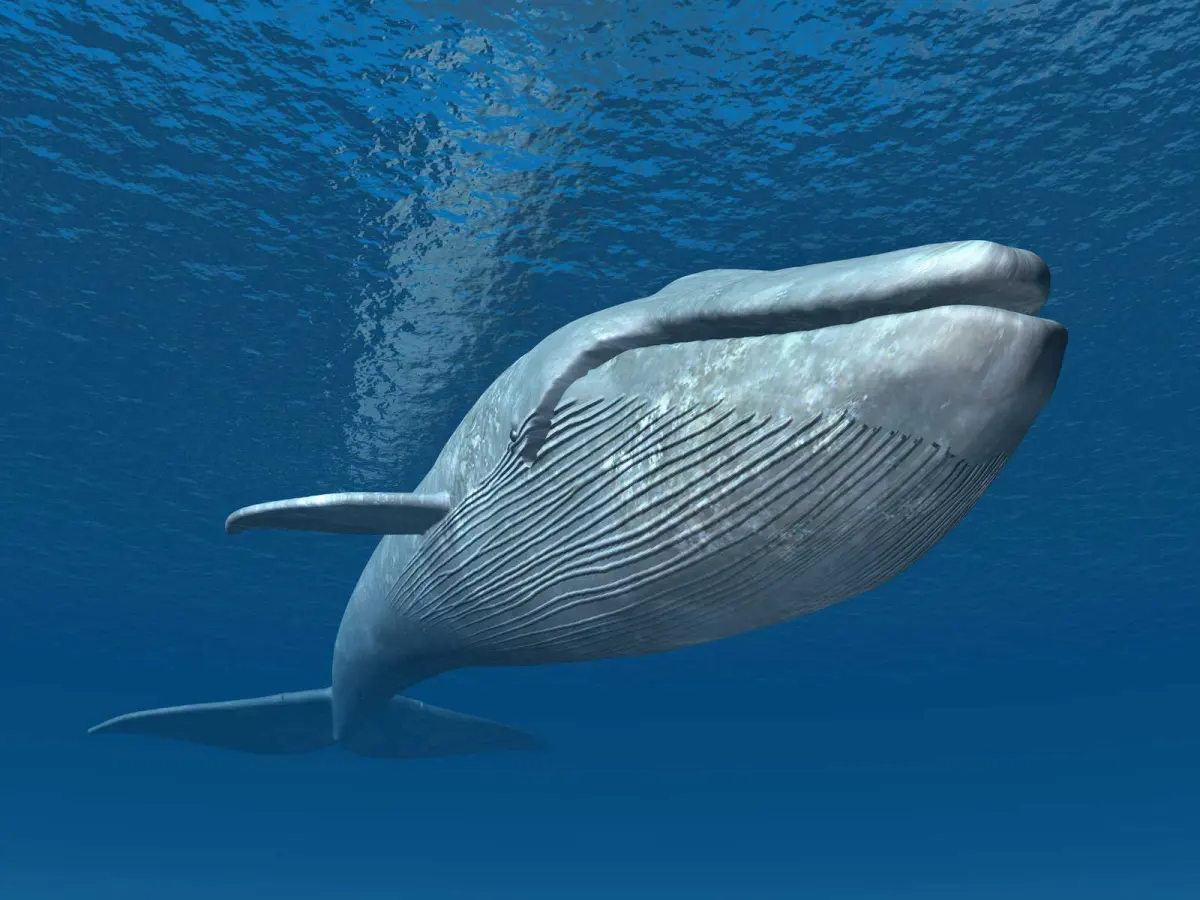
Blue whales typically live between 80 and 90 years in the wild. Scientists determine these ages by counting the growth layers…
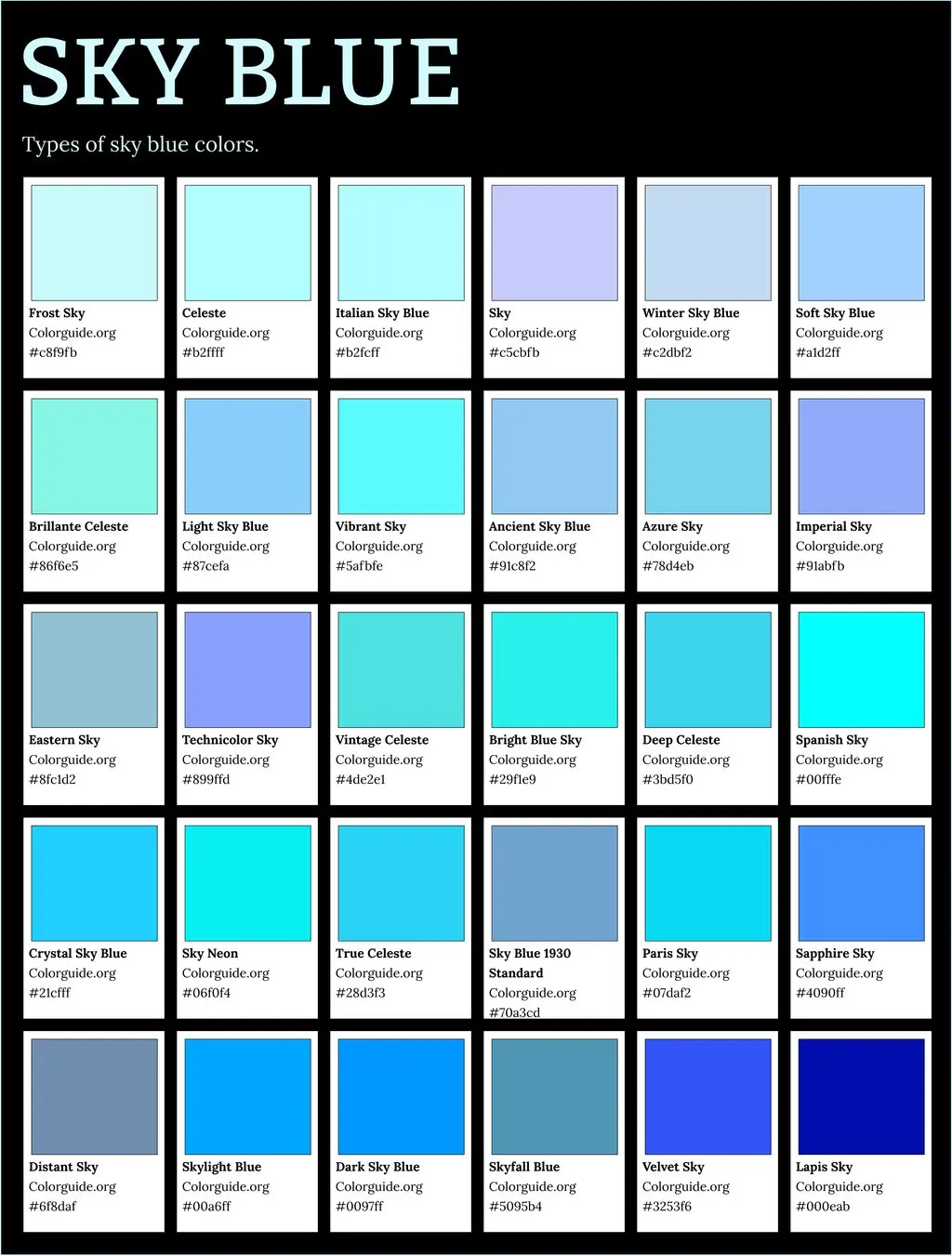
The sky appears blue because of Rayleigh scattering. As sunlight enters Earth’s atmosphere, it collides with gas molecules and…
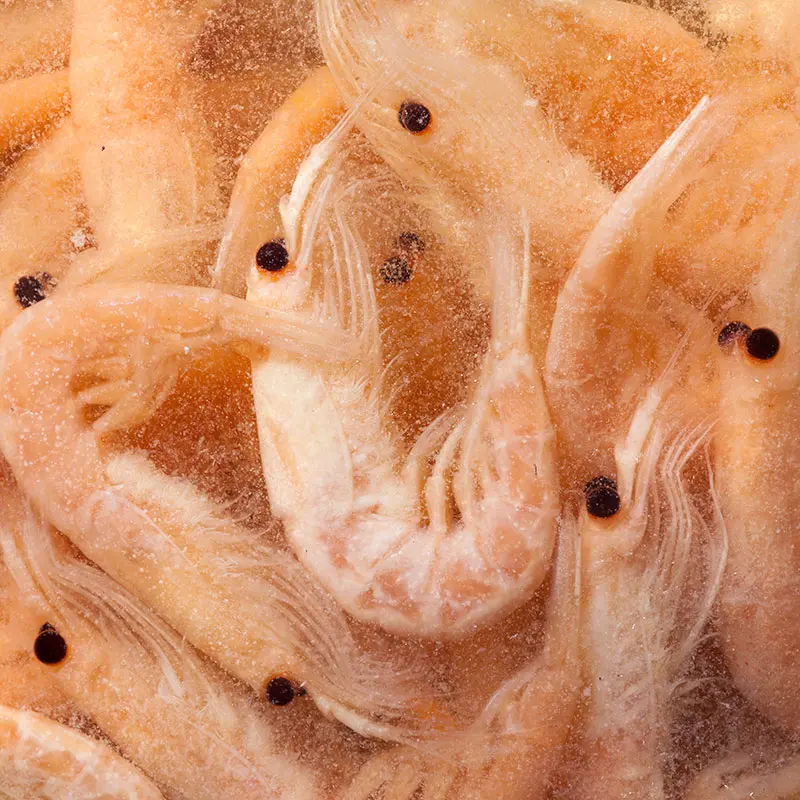
Blue whales eat almost exclusively small, shrimp-like crustaceans called krill. Despite their massive size, these marine mammals…
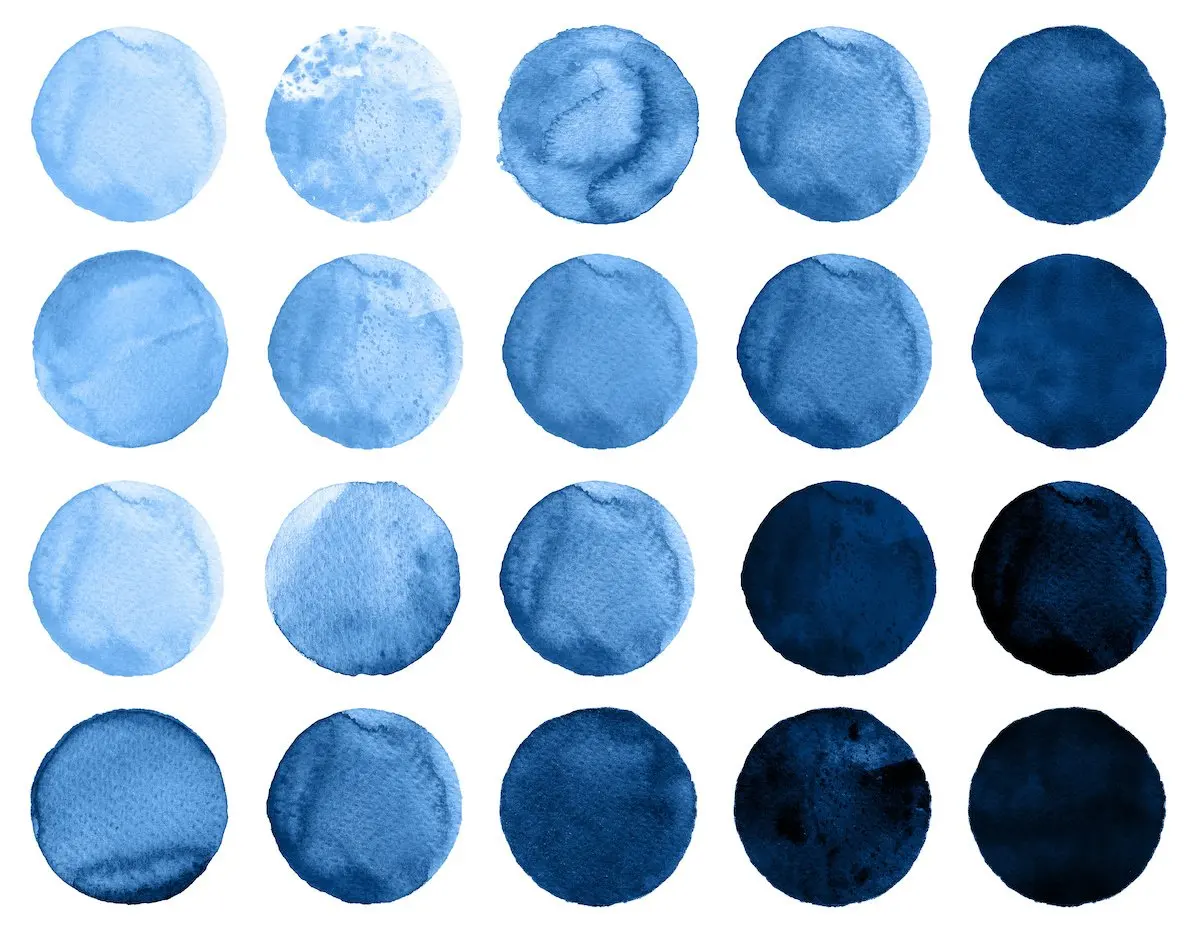
Blue is the most popular color globally because of its deep association with positive, stable elements in the natural world…
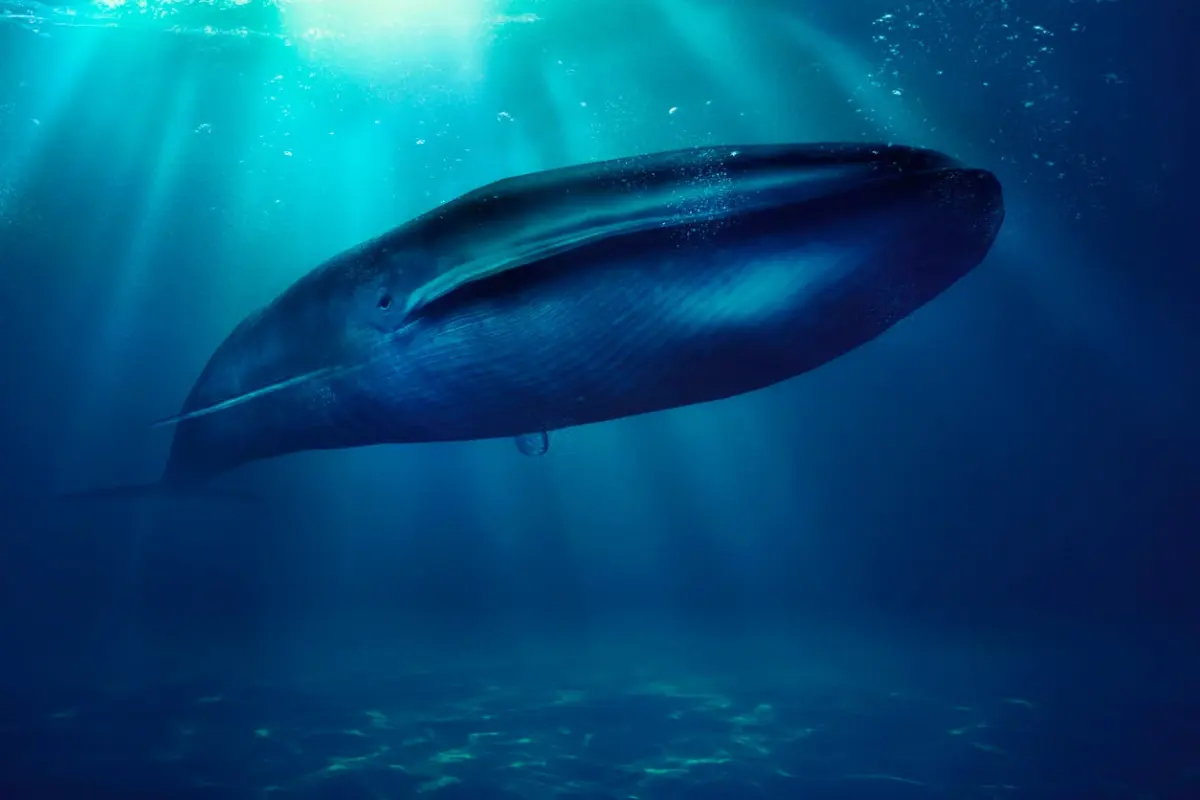
Blue whales are officially classified as endangered. While their populations have shown signs of recovery since the global ban…
Blue in art signifies depth, stability, and transcendence. Historically, its rarity and high cost associated with lapis lazuli…
The complementary color of blue is orange. In traditional color theory, complementary colors sit directly opposite each other on…
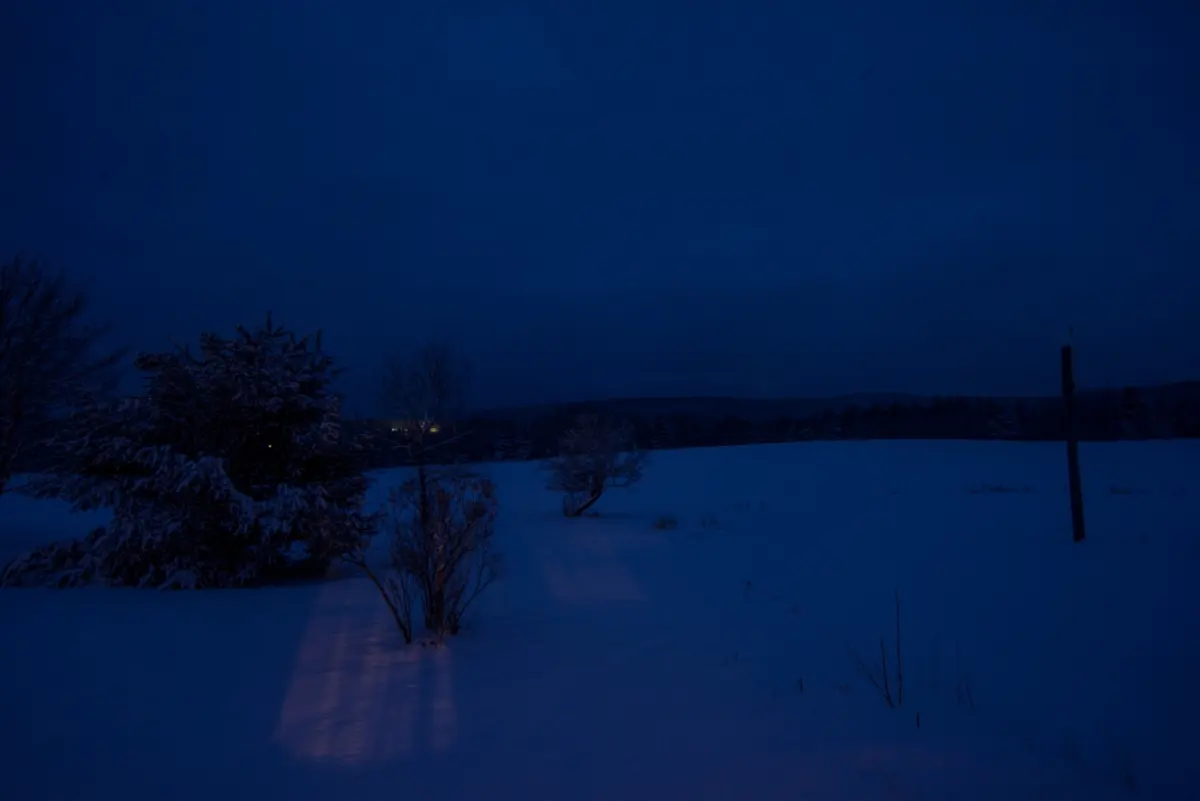
Blue hour is the period of twilight occurring just before sunrise or just after sunset when the sun is well below the horizon…
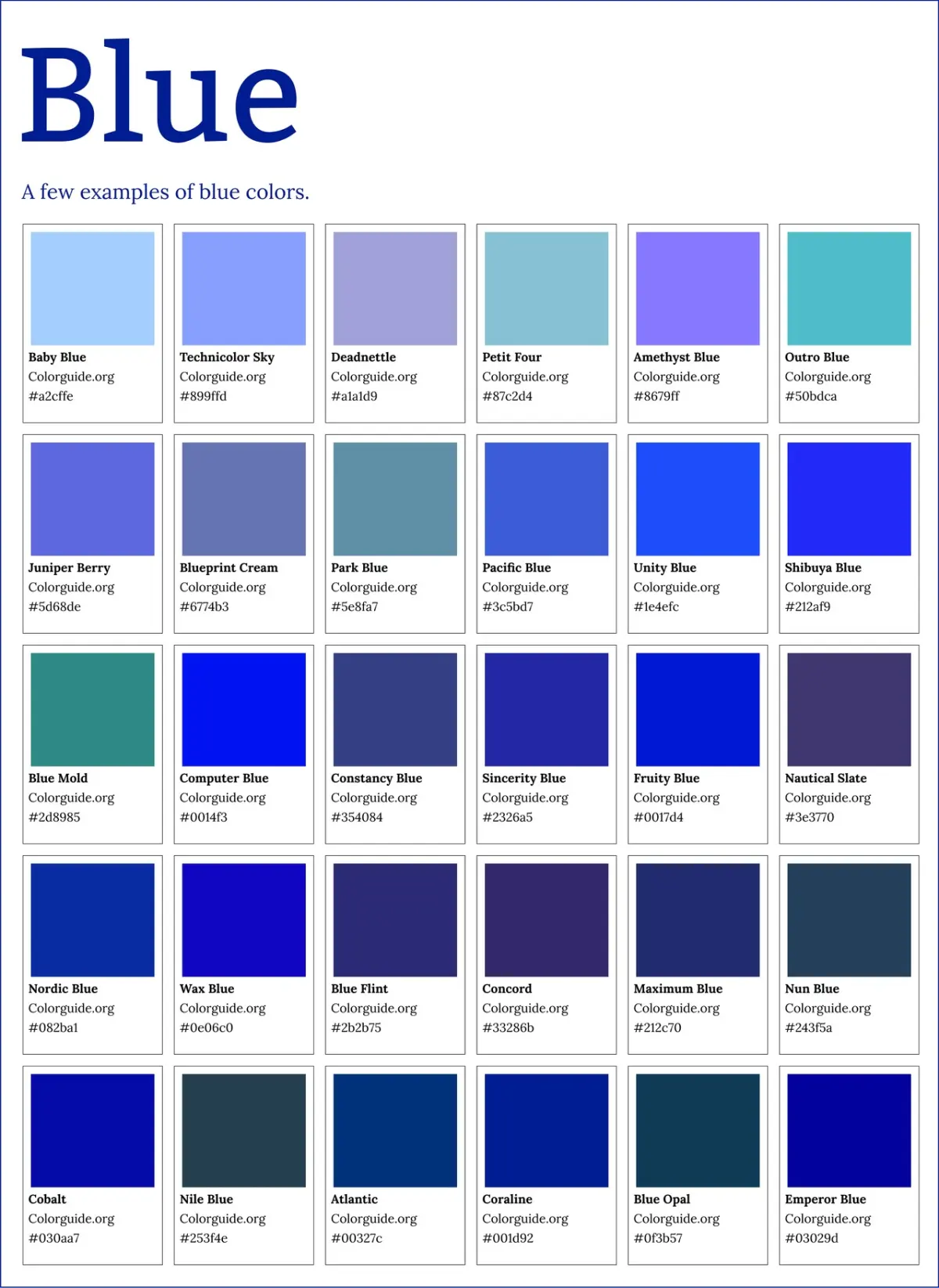
Blue is a versatile primary color that pairs beautifully with neutrals like white, gray, and beige for a timeless look. For…
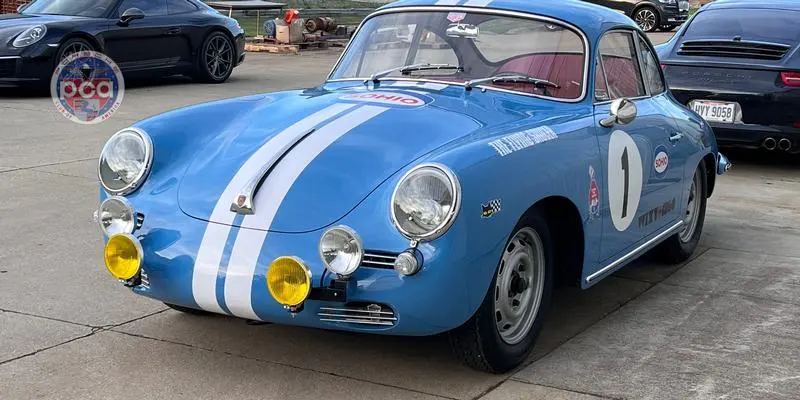
The sky appears blue because of Rayleigh scattering, a phenomenon where sunlight interacts with Earth's atmosphere. Sunlight…
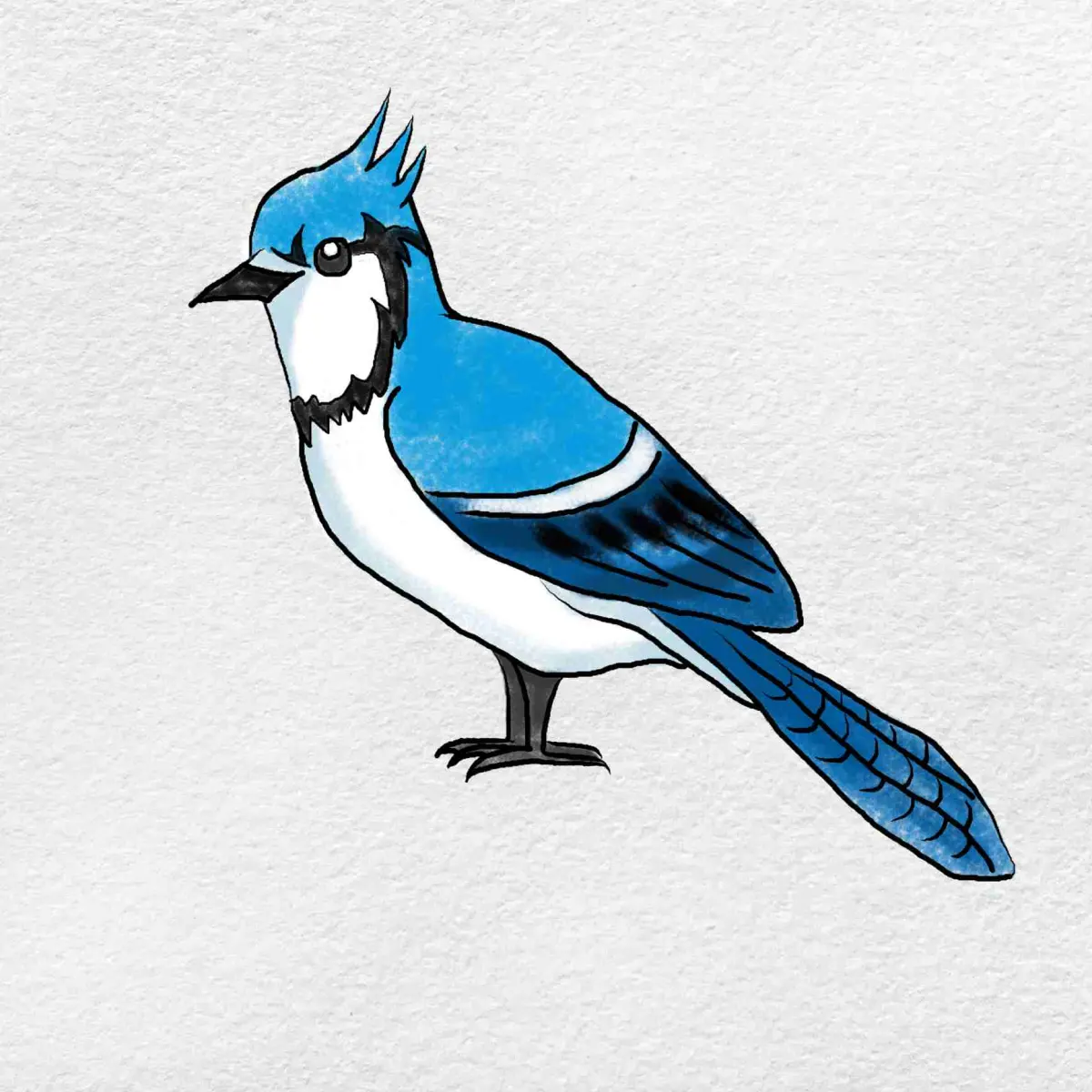
Drawing a blue jay requires focusing on its distinctive crest, bold black markings, and vibrant blue plumage. Begin by sketching…
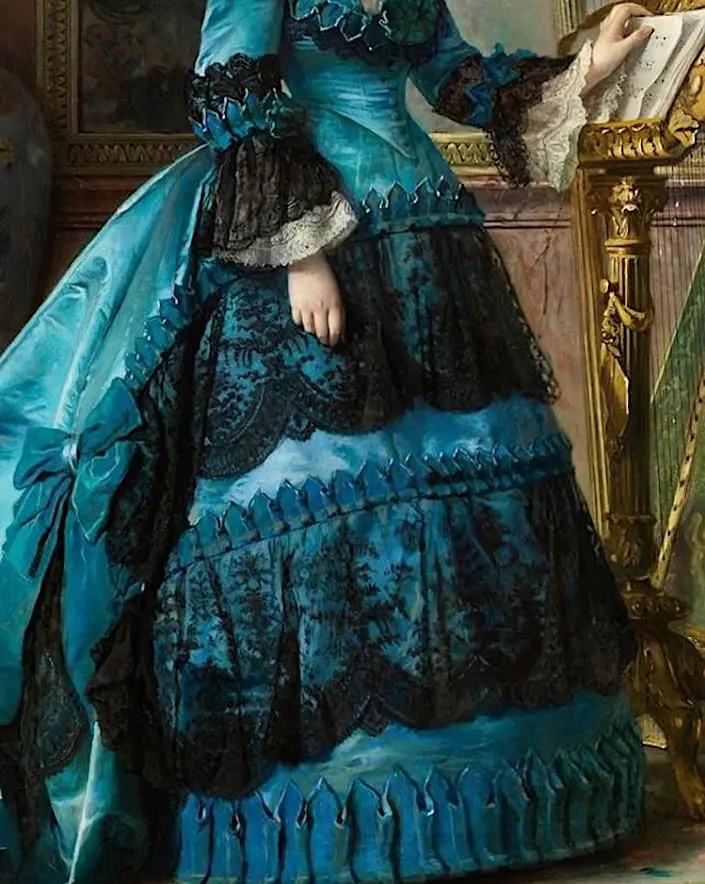
Blue was historically the most expensive and elusive pigment in art due to the scarcity of lapis lazuli. Early civilizations…
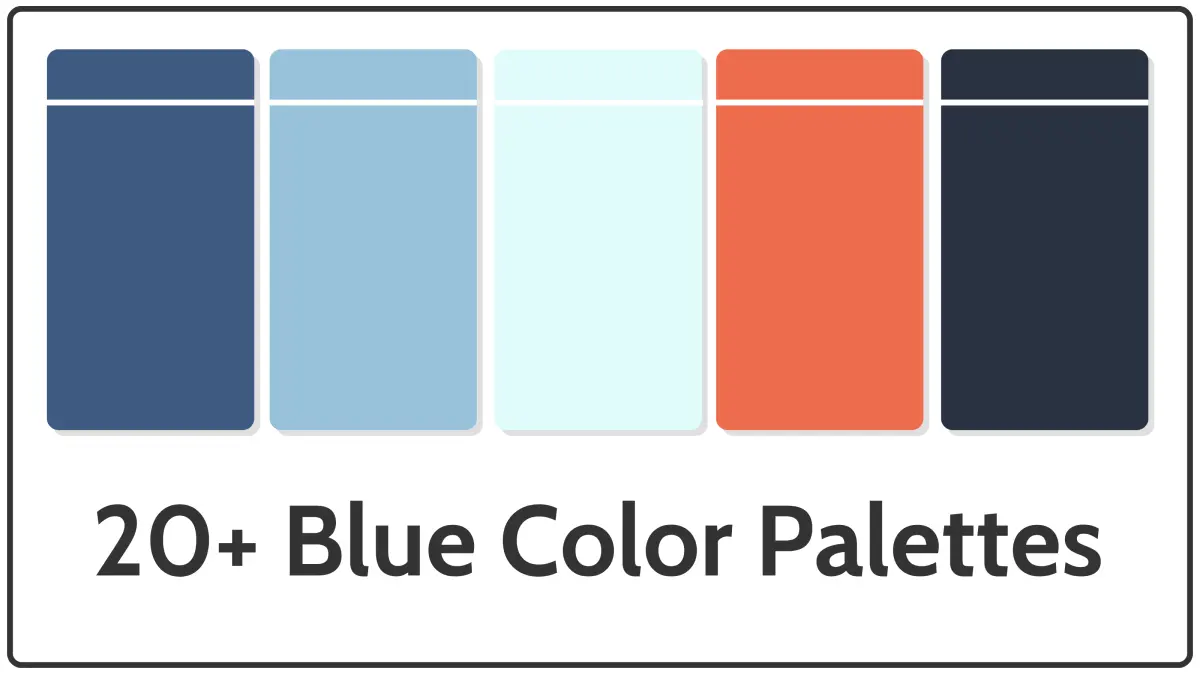
Blue is a primary color in traditional art theory, meaning it cannot be created by mixing other pigments. While you can mix…
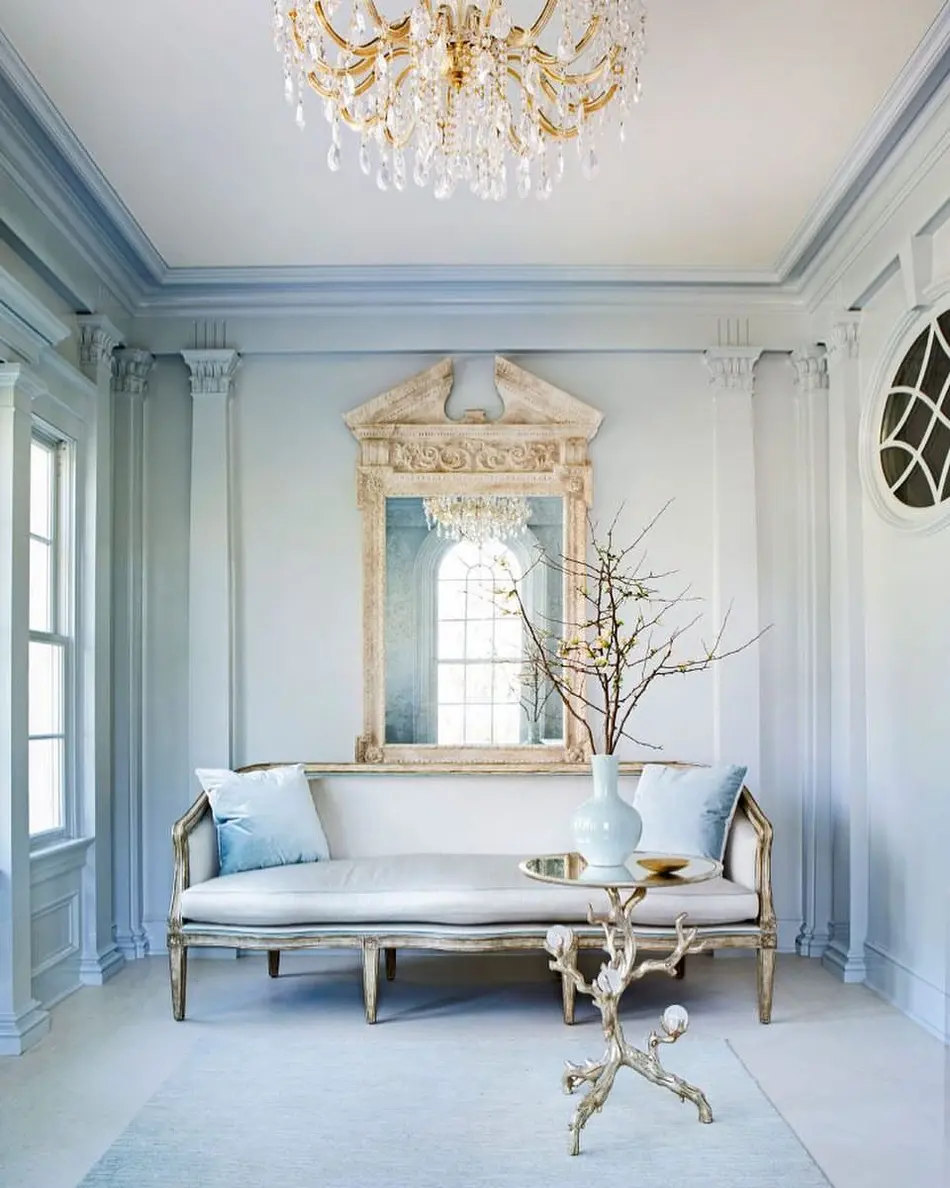
Baby blue is created by mixing a primary blue pigment with a significant amount of white. To achieve the specific pastel hue…

Navy blue is a versatile neutral that pairs effortlessly with crisp whites, soft creams, and metallic tones like gold or silver…
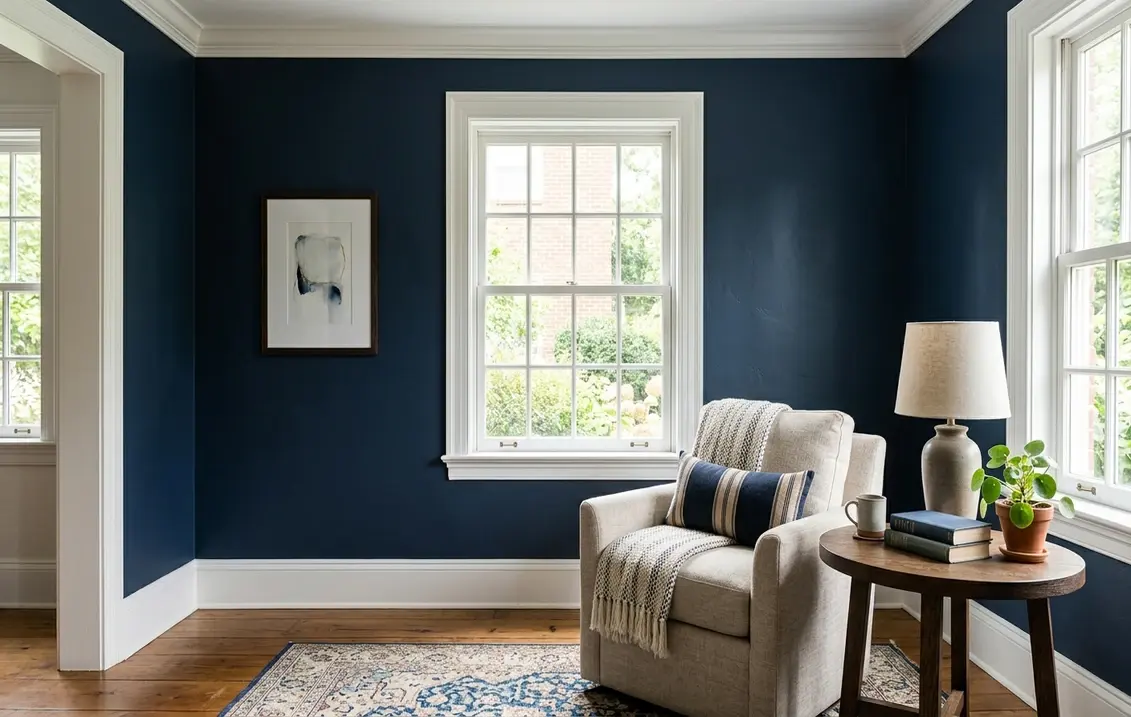
Navy blue is created by mixing a primary blue pigment with a small amount of black or a dark complementary color like burnt…

Light blue is created by mixing a primary blue pigment with white. In subtractive color mixing, such as paint, adding white…

Cobalt blue is a specific chemical pigment, not a color created by mixing other hues. It is produced by heating cobalt salts…

Blues is a foundational genre of American music that emerged in the Deep South during the late 19th century. Characterized by…
Royal blue is created by mixing a primary blue pigment with a small amount of violet or purple. In additive color systems like…