Are blue whales endangered?
Short answer
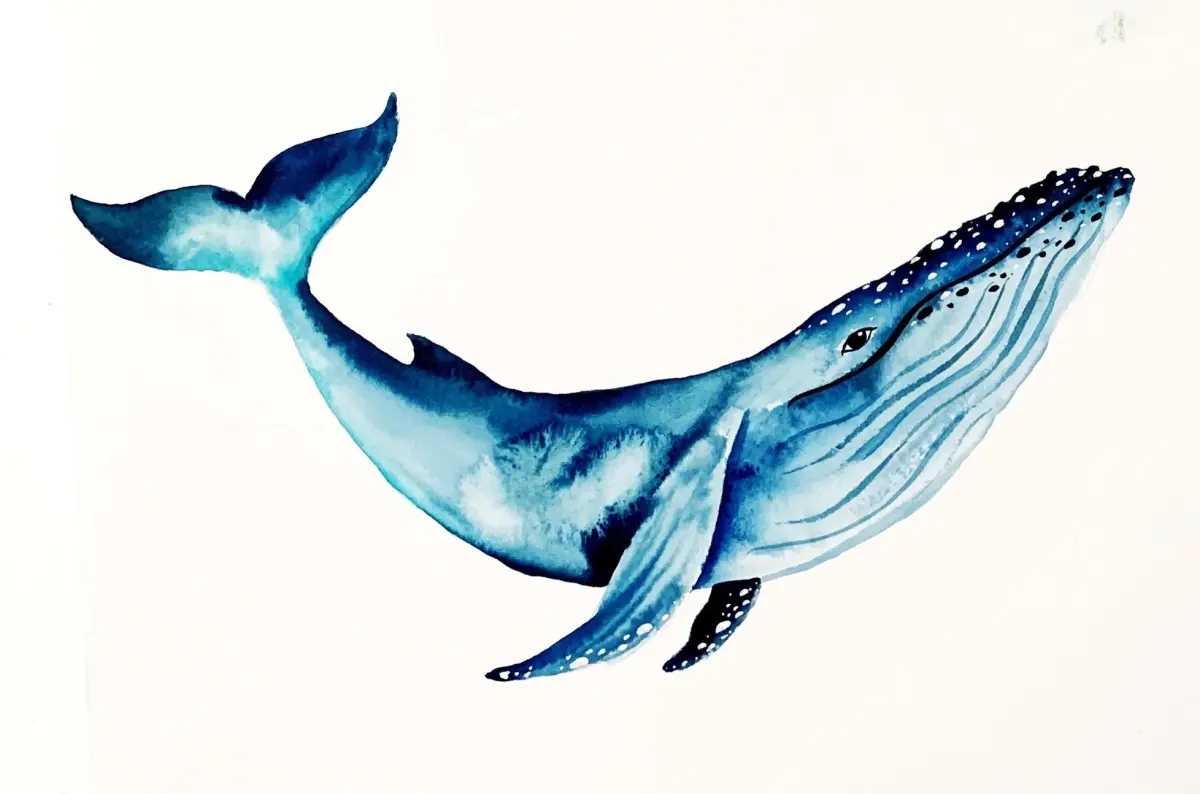
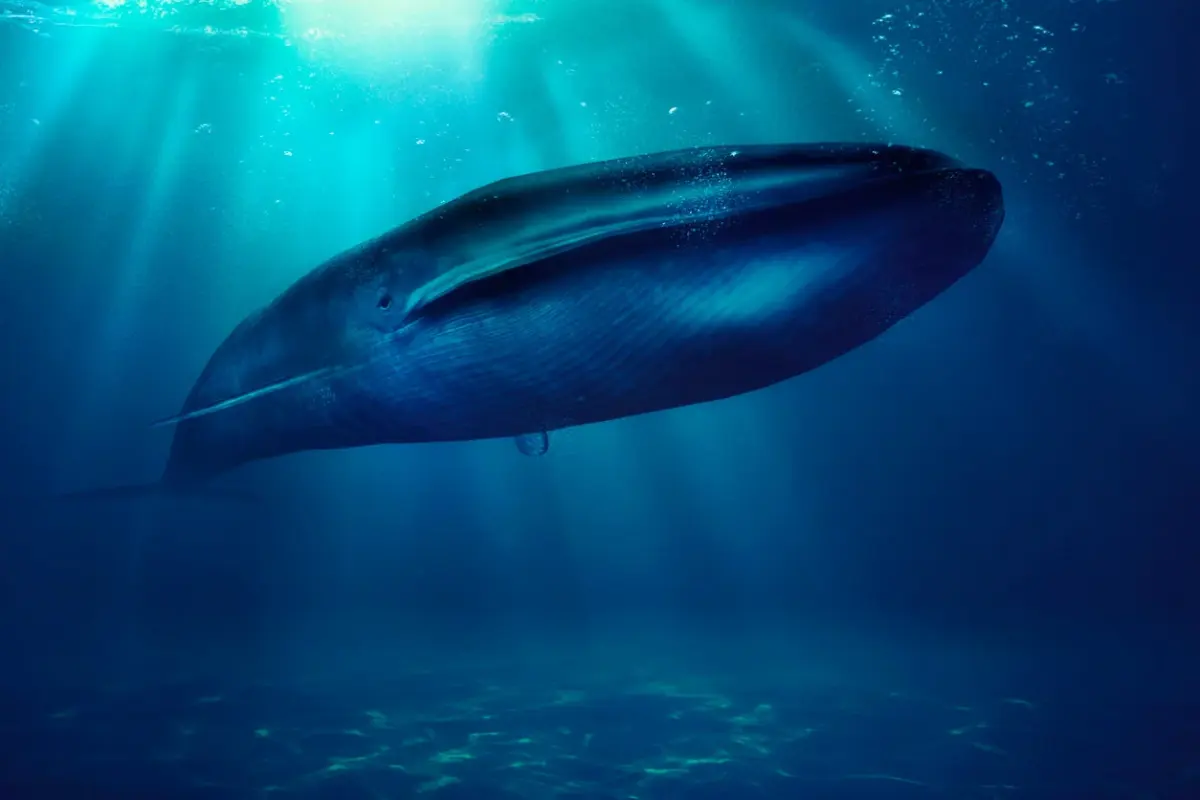
Blue whales are officially classified as endangered. While their populations have shown signs of recovery since the global ban on commercial whaling in 1966, they remain at risk. Current estimates suggest between 10,000 and 25,000 individuals exist globally, a fraction of their pre-whaling numbers, leaving them vulnerable to modern environmental threats.
On this page
Why are blue whales endangered?
The primary driver of the blue whale’s endangered status was the industrial whaling era of the 20th century. Between 1900 and the mid-1960s, commercial fleets slaughtered hundreds of thousands of these marine mammals to harvest their blubber for oil. The efficiency of modern factory ships nearly drove the species to the brink of extinction before the International Whaling Commission finally implemented a moratorium on hunting them in 1966.
Today, the species faces a different set of challenges that prevent rapid population growth. Because blue whales have long lifespans and slow reproductive rates, they cannot recover quickly from historical losses. They are currently threatened by:
- Collisions with large commercial shipping vessels in busy maritime corridors.
- Entanglement in heavy-duty commercial fishing gear, which can lead to injury or death.
- The impacts of climate change on krill populations, their primary food source.
- Exposure to underwater noise pollution, which interferes with their ability to communicate and find mates.
How do scientists track blue whale populations?
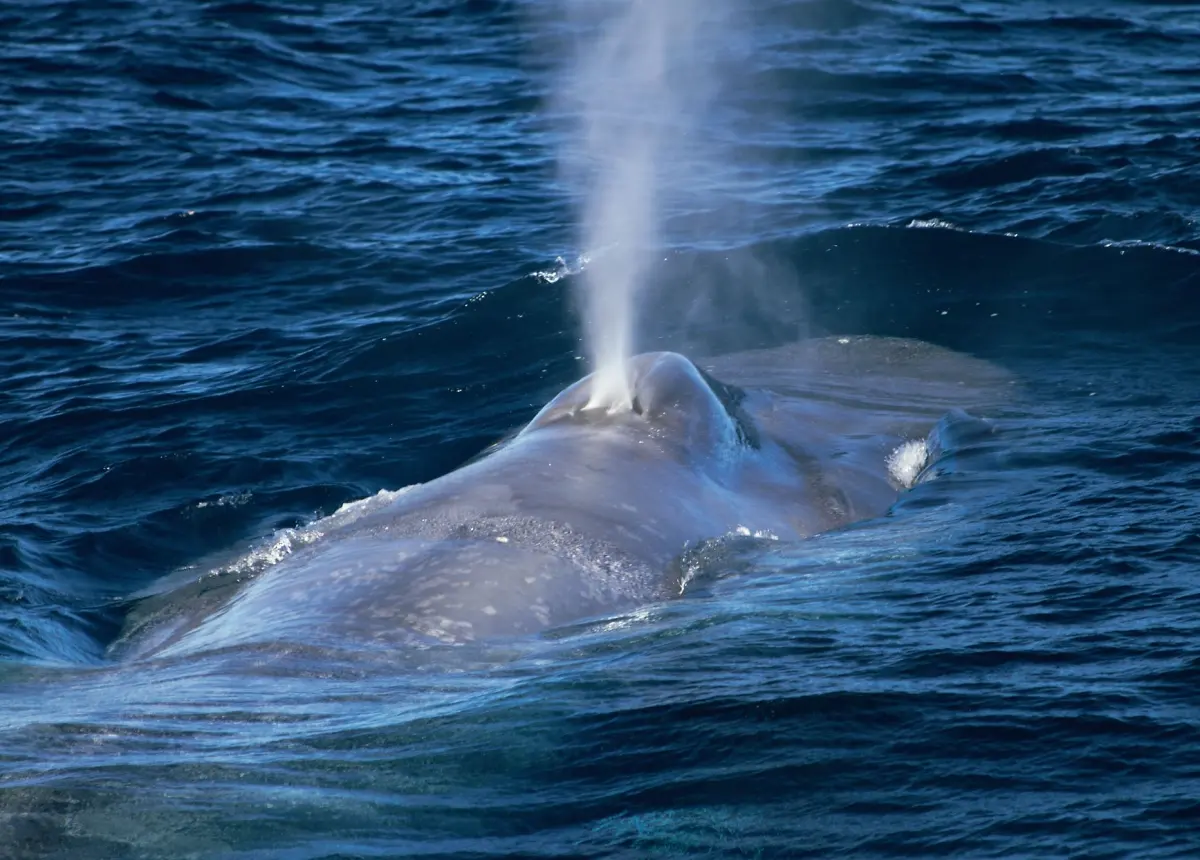
Monitoring such massive, elusive animals across vast oceans requires sophisticated technology and international cooperation. Researchers primarily use acoustic monitoring, where underwater microphones called hydrophones detect the low-frequency songs unique to blue whales. These sounds can travel hundreds of miles, allowing scientists to identify the presence of specific populations even when the whales are not visible at the surface.
In addition to acoustics, experts utilize several visual and biological survey methods to estimate numbers:
- Satellite tagging: Attaching non-invasive transmitters to track migration patterns and habitat usage.
- Photo-identification: Using high-resolution images to match unique pigmentation patterns on the whales' backs to known individuals.
- Drone surveys: Capturing aerial footage to assess the health, size, and reproductive success of individuals without disturbing their natural behavior.
- Genetic sampling: Collecting skin slough or fecal samples to analyze the health and diversity of specific whale groups.
Where do blue whales live today?
Blue whales inhabit every ocean on the planet, with the notable exception of the Arctic. They are highly migratory, typically spending their summers in cold, nutrient-rich polar waters to feed on massive swarms of krill. As winter approaches and the sea ice begins to expand, they migrate toward warmer, tropical waters near the equator to breed and give birth to their calves.
Despite their global range, blue whales are divided into distinct populations that rarely intermingle. The largest concentrations are found in the Southern Ocean around Antarctica, though significant groups also reside in the North Pacific and North Atlantic. Because these populations are geographically isolated, the loss of one specific group can lead to a localized extinction, even if the species as a whole remains present elsewhere in the world.
How can humans help protect blue whales?
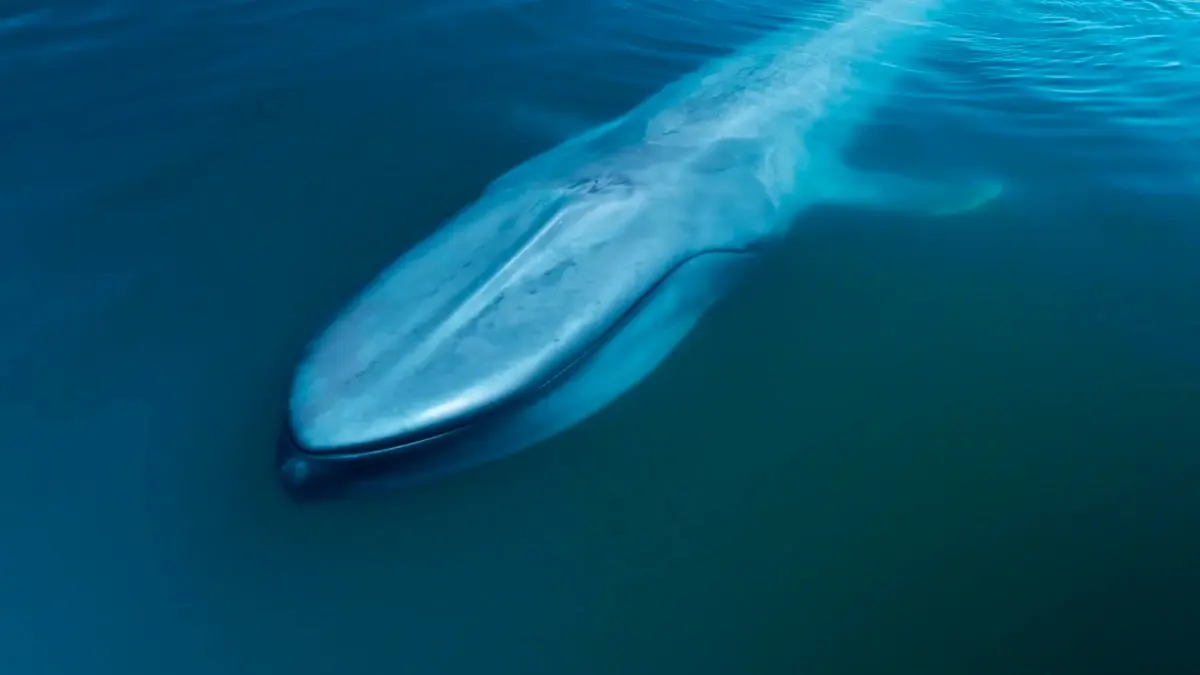
Individual actions and international policy shifts are both essential for the long-term survival of the species. On a global scale, the most effective protection involves enforcing strict regulations on maritime traffic and fishing industries. By rerouting shipping lanes away from known feeding grounds, governments can drastically reduce the number of fatal ship strikes that occur annually.
For those interested in supporting conservation efforts, consider the following practical steps:
- Support organizations that advocate for the creation of Marine Protected Areas (MPAs) in critical whale habitats.
- Reduce your carbon footprint to mitigate the effects of ocean acidification and warming, which threaten the krill ecosystem.
- Choose sustainably sourced seafood to minimize the demand for industrial fishing practices that result in whale bycatch.
- Participate in citizen science programs that report sightings of marine mammals to local research institutions.
- Avoid supporting tourism operations that harass whales or violate distance guidelines during boat-based whale watching.
Common mistakes when observing blue whales
When attempting to view or study blue whales, it is vital to prioritize the animal's welfare over the desire for a close encounter. A common mistake is approaching a whale too quickly or directly, which can cause the animal to change its behavior, interrupt its feeding, or flee the area. Always maintain a respectful distance, typically at least 100 to 200 yards, and never attempt to block a whale's path or surround it with multiple vessels.
Another frequent error is the failure to recognize signs of stress in the animal. If a whale begins to change its dive pattern, increases its speed, or exhibits erratic movements, it is likely being disturbed by human presence. Observers should immediately withdraw if these signs appear. Furthermore, never attempt to feed or touch a whale, as these actions are not only illegal in many jurisdictions but also pose significant safety risks to both humans and the marine mammals themselves. Adhering to these guidelines ensures that observation remains a non-intrusive activity that respects the fragile recovery of these magnificent creatures.
Key facts
- Blue whales are currently classified as endangered on the IUCN Red List of Threatened Species.
- Their global population is estimated to be between 10,000 and 25,000 mature individuals.
- Commercial whaling reduced their numbers by more than 90 percent during the 20th century.
- Ship strikes and entanglement in fishing gear remain the primary modern threats to their survival.
- Climate change impacts their food supply by reducing the abundance of Antarctic krill.
- Conservation efforts focus on protecting migration corridors and enforcing international bans on commercial hunting.
The bottom line
While commercial whaling is no longer the primary threat, blue whales remain endangered due to human-induced environmental pressures. Protecting these majestic mammals requires global cooperation to reduce maritime traffic, mitigate plastic pollution, and address climate change. By supporting marine conservation initiatives and sustainable fishing practices, society can help ensure that these vital ocean giants continue to recover and thrive in their natural habitats for generations.
People also ask
How large can a blue whale grow?
Blue whales are the largest animals known to have ever existed, reaching lengths of up to 100 feet. They can weigh as much as 200 tons, with their tongues alone weighing as much as an entire elephant.
What do blue whales eat?
Despite their massive size, they feed almost exclusively on tiny, shrimp-like crustaceans called krill. A single adult blue whale can consume up to 4 tons of krill in a single day during peak feeding season.
How long do blue whales live?
Scientists estimate that blue whales have an average lifespan of 80 to 90 years. They determine the age of a whale by counting the layers of wax in its earplug, similar to counting rings on a tree.
Where can you see blue whales in the wild?
They are found in all of the world's oceans except for the Arctic. Popular viewing locations include the waters off the coast of California, the Gulf of St. Lawrence in Canada, and the Azores.
Do blue whales have any natural predators?
Aside from humans, their only known natural predator is the orca, or killer whale. While adult blue whales are generally too large to be successfully hunted, pods of orcas have been observed attacking calves.
Why are blue whale songs important?
Blue whales produce low-frequency sounds that can travel hundreds of miles underwater to communicate. Researchers use these vocalizations to track whale populations and study their migratory patterns across vast ocean basins.
This answer was created with the help of AI research tools and reference sources. Spotted an error? Let us know — we correct mistakes quickly. See our editorial policy.