Are chimpanzees endangered?
Short answer
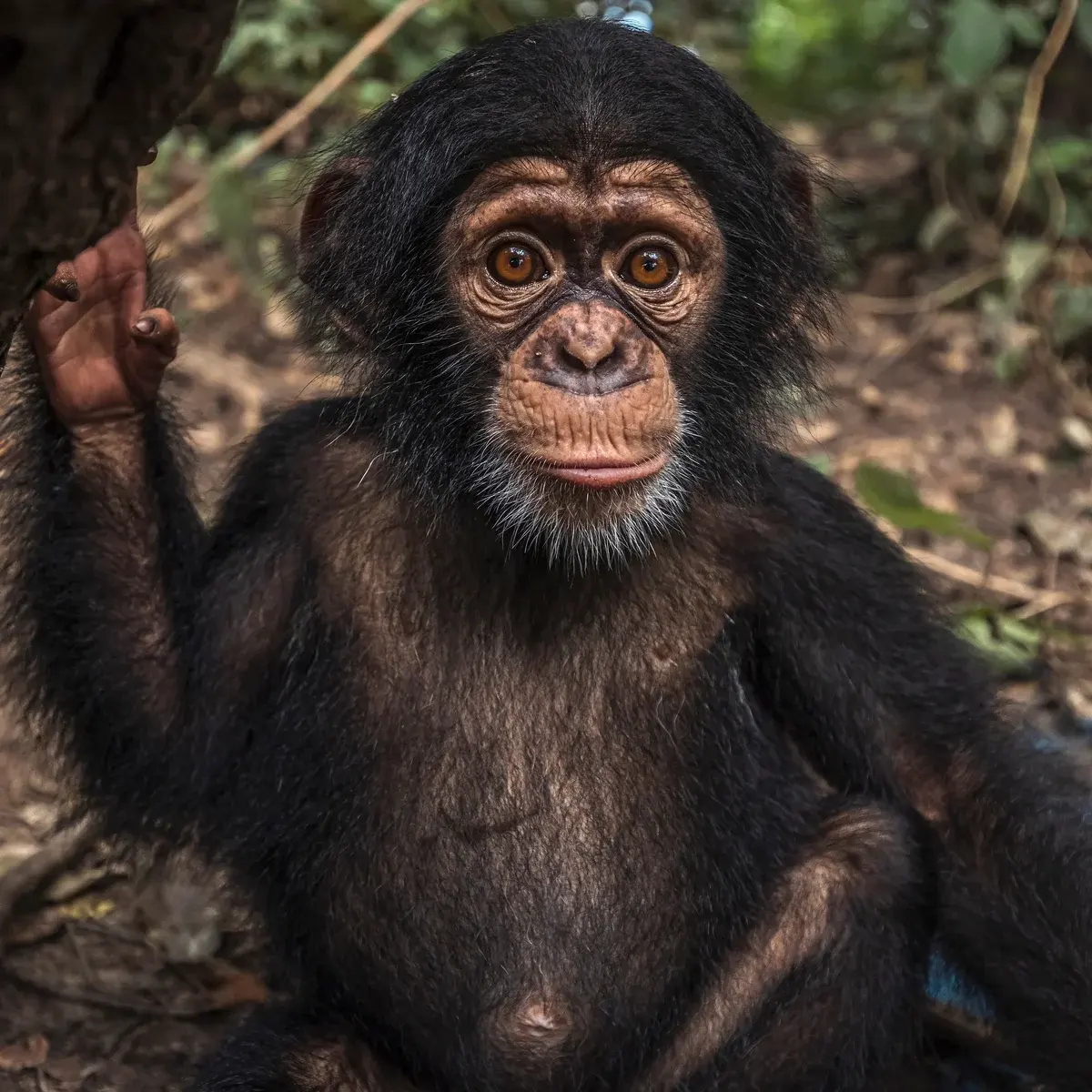
Yes, chimpanzees are officially classified as endangered. The International Union for Conservation of Nature (IUCN) lists them as Endangered on its Red List of Threatened Species. Their populations have declined drastically across Africa due to habitat loss, poaching, and disease, leaving fewer than 350,000 individuals remaining in the wild today.
On this page
Why are chimpanzees endangered?
Chimpanzees face a precarious future primarily due to the rapid destruction of their natural habitats. Across equatorial Africa, vast tracts of tropical forests are being cleared for logging, mining, and large-scale agriculture, such as palm oil plantations. This fragmentation isolates chimpanzee groups, making it difficult for them to find food and mates, which leads to genetic bottlenecks and increased vulnerability to environmental changes.
Beyond habitat loss, the illegal bushmeat trade poses a severe threat to their survival. Chimpanzees are frequently hunted for food or captured to be sold into the illegal pet trade. Because chimpanzees have slow reproductive rates—females typically give birth to only one infant every five to six years—populations cannot recover quickly from these losses. Furthermore, they are highly susceptible to human-borne diseases, such as respiratory viruses, which can devastate entire communities in a matter of weeks.
Where do chimpanzees live in the wild?
Chimpanzees inhabit a diverse range of environments across 21 countries in equatorial Africa. Their range stretches from the coastal forests of Senegal and Guinea in the west to the dense rainforests of the Congo Basin and the woodlands of Tanzania and Uganda in the east. They are highly adaptable primates, capable of thriving in both humid lowland rainforests and drier, open savanna-woodland mosaics.
The distribution of chimpanzees is categorized into four distinct subspecies, each occupying specific geographical regions:
- Western chimpanzee: Found in West Africa, primarily in Guinea, Côte d'Ivoire, and Liberia.
- Nigeria-Cameroon chimpanzee: Inhabits the border region between Nigeria and Cameroon.
- Central chimpanzee: Resides in the heart of the Congo Basin, including Gabon and the Republic of the Congo.
- Eastern chimpanzee: Located in the eastern parts of the Democratic Republic of the Congo, Uganda, Rwanda, and Tanzania.
How can people help protect chimpanzees?
Individual actions can contribute significantly to the broader efforts of conservation organizations working on the ground in Africa. Supporting reputable NGOs that focus on habitat restoration, anti-poaching patrols, and community-based education programs provides the necessary resources to keep these animals safe. By choosing to donate to or volunteer with established groups, you help fund the boots-on-the-ground protection that is essential for species survival.
Consumers also hold power through their daily purchasing habits. Many products, such as snacks and cosmetics, contain palm oil, which is a leading driver of deforestation in chimpanzee habitats. To make a positive impact, consider the following steps:
- Research brands to ensure they use certified sustainable palm oil that does not contribute to habitat destruction.
- Reduce overall consumption of products linked to deforestation in tropical regions.
- Support eco-tourism initiatives that prioritize the welfare of chimpanzees and provide local communities with sustainable economic alternatives to poaching.
Common mistakes when supporting conservation
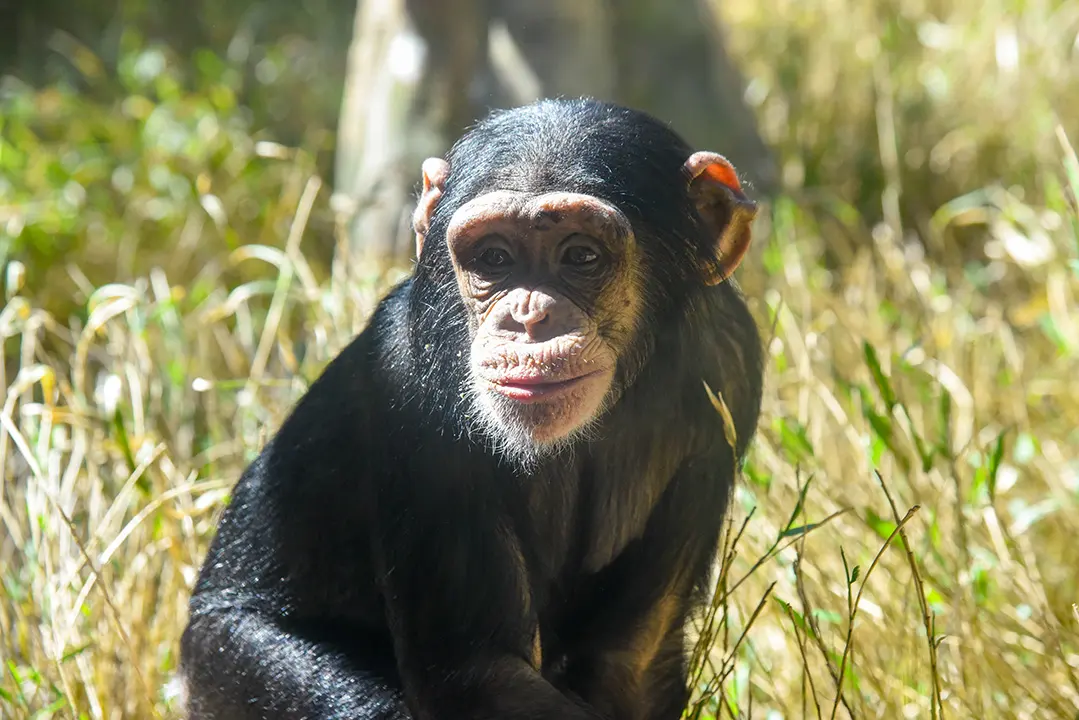
A frequent error people make is supporting organizations that promote the use of chimpanzees in entertainment or as "ambassadors" in human-centric settings. While these interactions might seem educational, they often normalize the idea of chimpanzees as pets or performers. This perception fuels the illegal pet trade and undermines the message that chimpanzees are wild animals that belong in their natural habitats, not in captivity or close proximity to humans.
Another mistake is failing to verify the legitimacy of a charitable organization before donating. Some groups may use the image of a chimpanzee for marketing without actually engaging in effective conservation work. To avoid this, look for:
- Transparent financial reporting that shows a high percentage of funds going directly to field projects.
- Collaboration with local African governments and indigenous communities.
- Scientific evidence-based strategies that address the root causes of population decline rather than just providing temporary relief.
What is the future outlook for chimpanzees?
The long-term survival of chimpanzees depends on the successful implementation of large-scale conservation corridors that connect protected forest patches. These corridors allow chimpanzees to migrate and maintain genetic diversity, which is vital for their resilience against disease and climate change. International cooperation between African nations is essential to enforce wildlife protection laws and prosecute those involved in the illegal trade of protected species.
While the current status is dire, there is hope through dedicated scientific research and community engagement. By empowering local people to become stewards of their own forests, conservationists have seen success in stabilizing certain populations in protected areas. Continued global pressure to preserve the Congo Basin and other vital ecosystems will be the deciding factor in whether chimpanzees remain a vibrant part of the African wilderness or disappear entirely from the wild.
Key facts
- Chimpanzees are officially classified as endangered by the International Union for Conservation of Nature (IUCN).
- Current population estimates suggest between 170,000 and 300,000 individuals remain in the wild across equatorial Africa.
- Habitat loss due to logging, agriculture, and mining is the primary driver of their declining numbers.
- Illegal hunting for bushmeat and the capture of infants for the illegal pet trade pose severe threats to local populations.
- Infectious diseases, including respiratory illnesses and Ebola, can devastate isolated chimpanzee communities.
- Support reputable conservation organizations like the Jane Goodall Institute to help protect chimpanzee habitats and fund local community education.
The bottom line
Chimpanzees are critically endangered, facing a precarious future due to human encroachment, poaching, and disease. Their role as keystone species makes their survival essential for the health of African forest ecosystems. By supporting sustainable land management, opposing the illegal pet trade, and choosing ethically sourced products, global citizens can play a vital role in ensuring these intelligent, complex primates do not vanish from the wild.
People also ask
Where do chimpanzees live in the wild?
Chimpanzees are found exclusively in the tropical forests and savannahs of equatorial Africa, spanning 21 countries. Their range extends from southern Senegal in the west to western Uganda and Tanzania in the east.
How similar are chimpanzees to humans?
Chimpanzees share approximately 98.7 percent of their DNA with humans, making them our closest living evolutionary relatives. This genetic proximity means they are susceptible to many of the same human viruses and health challenges.
Can chimpanzees be kept as pets?
No, chimpanzees are wild animals that are dangerous and unsuitable for domestic life. Attempting to keep one as a pet is illegal in many jurisdictions and contributes to the cruel poaching of mothers to capture infants.
What is the biggest threat to chimpanzee survival?
Habitat fragmentation is the most significant threat, as it isolates groups and prevents them from finding food or mates. As forests are cleared for palm oil plantations and infrastructure, chimpanzees lose the resources necessary to sustain their complex social structures.
Do chimpanzees use tools?
Yes, chimpanzees are renowned for their sophisticated tool use, such as using sticks to "fish" for termites or stones to crack open nuts. These learned behaviors are often passed down through generations within specific social groups.
What can individuals do to help chimpanzee conservation?
You can help by avoiding products containing unsustainable palm oil and supporting ecotourism that prioritizes animal welfare. Additionally, donating to organizations that work with local communities to create protected forest corridors is highly effective.
This answer was created with the help of AI research tools and reference sources. Spotted an error? Let us know — we correct mistakes quickly. See our editorial policy.