Are hippos endangered?
Short answer
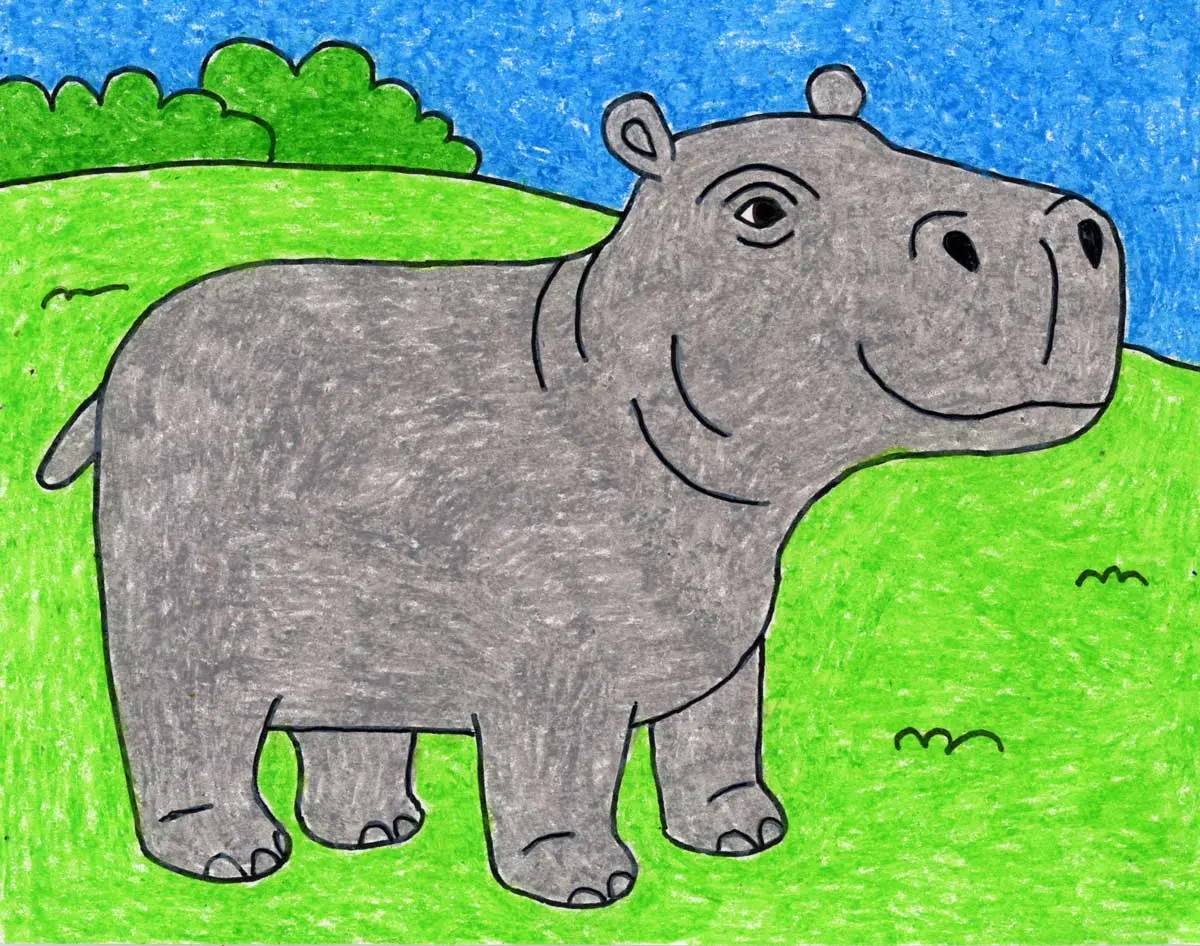
Common hippos are currently classified as vulnerable, not endangered, by the International Union for Conservation of Nature. While they are not on the brink of extinction, their populations are declining due to habitat loss and poaching. Pygmy hippos, a separate species, are considered endangered with fewer than 3,000 individuals remaining in the wild.
On this page
Why are hippos considered vulnerable?
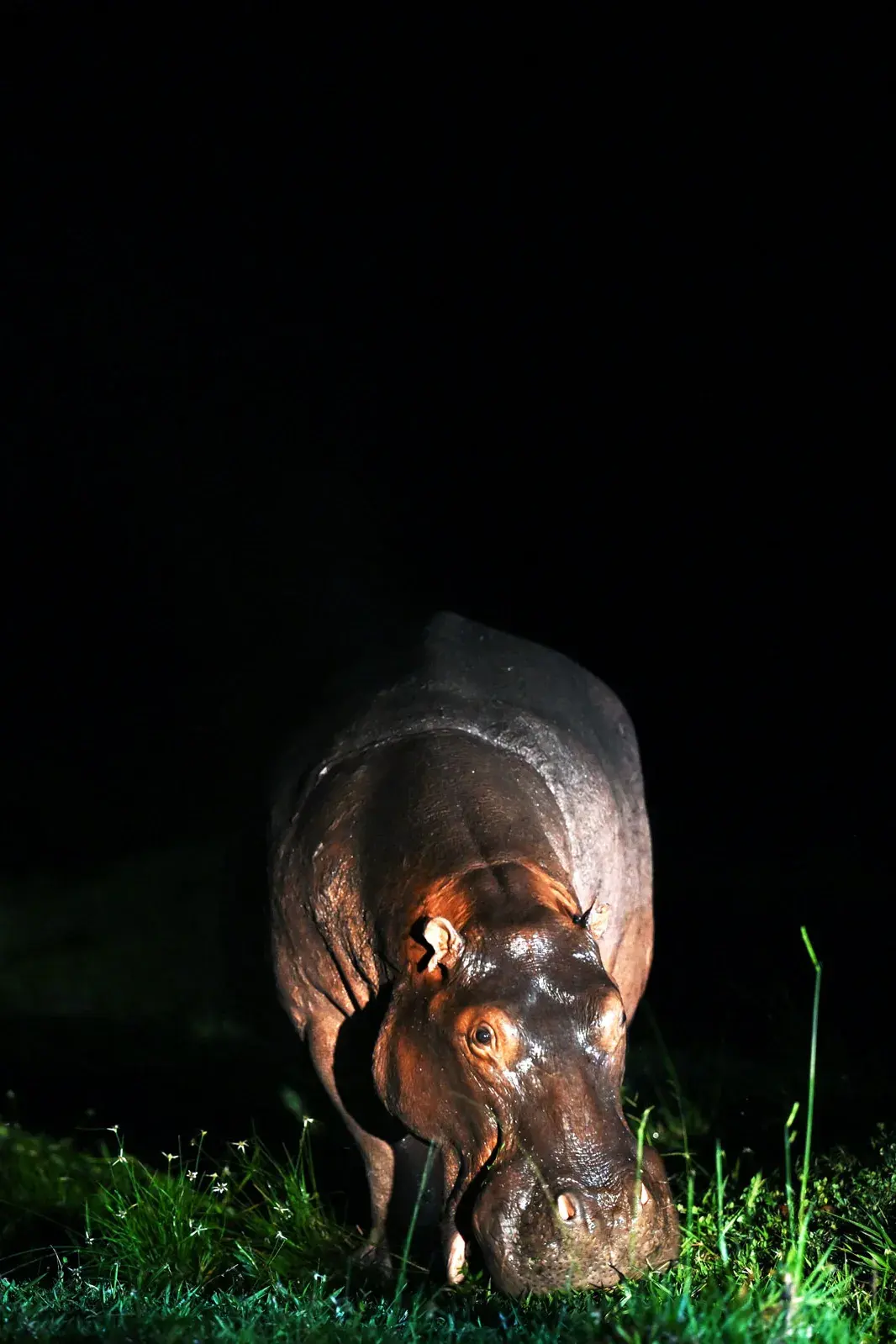
The common hippopotamus (Hippopotamus amphibius) faces significant threats across its native range in sub-Saharan Africa. The primary driver of this decline is the loss of freshwater habitats, which are essential for their survival. As human populations expand, wetlands are increasingly drained for agricultural development, irrigation, and urban expansion, leaving hippos with fewer places to graze and wallow.
Beyond habitat destruction, illegal hunting poses a severe risk to the species. Poachers target hippos for their ivory canine teeth, which serve as a substitute for elephant ivory, as well as for their meat and skin. Because hippos are slow to reproduce—females typically give birth to only one calf every two to three years—populations cannot recover quickly from these losses. Conservationists monitor these trends closely to prevent a shift from vulnerable to endangered.
What is the difference between common and pygmy hippos?
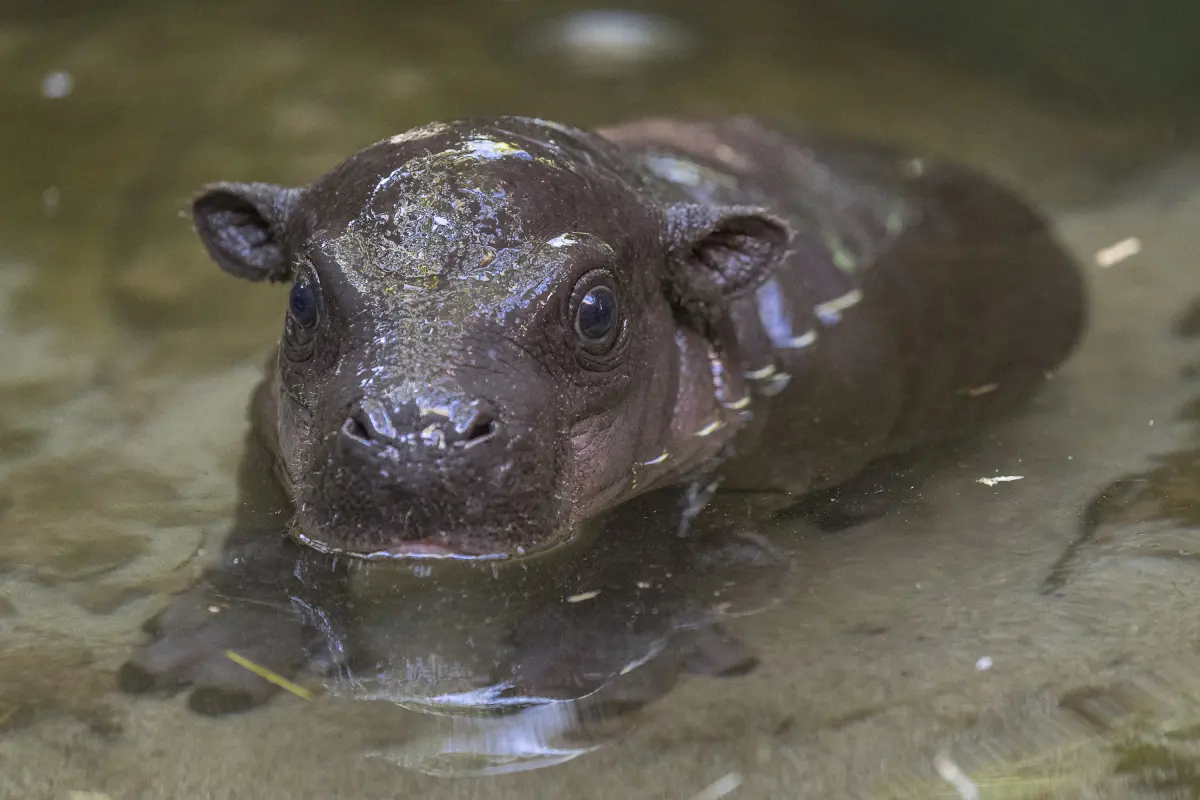
While they share a name, common hippos and pygmy hippos (Choeropsis liberiensis) are distinct species with different ecological needs and conservation statuses. Common hippos are large, social animals that live in groups and spend most of their time in rivers and lakes. Pygmy hippos are solitary, forest-dwelling creatures that are significantly smaller and much rarer in the wild.
The pygmy hippo is currently listed as endangered, primarily due to the rapid deforestation of the Upper Guinean forests in West Africa. Unlike their larger cousins, pygmy hippos are extremely elusive, making accurate population counts difficult. Their survival depends on the protection of specific, fragmented forest patches in countries like Liberia, Sierra Leone, and Guinea. Understanding these differences is crucial for directing conservation efforts to the species most at risk.
How do conservationists protect hippo populations?
Protecting hippos requires a multifaceted approach that balances wildlife needs with the economic realities of local communities. International trade regulations, such as those enforced by CITES, play a vital role in curbing the illegal sale of hippo ivory. On the ground, protected areas and national parks serve as safe havens where human-wildlife conflict is managed through active patrolling and community engagement.
Effective conservation strategies include the following initiatives:
- Establishing corridors that allow hippos to move safely between fragmented water sources.
- Implementing community-based management programs that provide locals with incentives to protect wildlife rather than hunt it.
- Conducting regular aerial and ground surveys to track population fluctuations and identify areas of rapid decline.
- Restoring degraded wetlands to ensure that hippos have access to adequate grazing grounds throughout the dry season.
How can people help protect hippos?
Individual actions, while seemingly small, contribute to the broader global effort to support species conservation. The most effective way to help is by supporting reputable non-profit organizations that work directly with local communities in Africa. These groups often focus on habitat restoration and anti-poaching initiatives, which provide the most tangible benefits for hippo populations.
If you are interested in supporting hippo conservation, consider these steps:
- Research established wildlife charities that focus on African river ecosystems and habitat preservation.
- Avoid purchasing products made from exotic animal parts, as these markets fuel illegal poaching.
- Support sustainable tourism practices when visiting Africa, ensuring that your travel dollars contribute to park maintenance and local livelihoods.
- Educate others about the importance of wetland conservation, as healthy rivers benefit both hippos and humans.
Common mistakes when learning about hippo conservation
A frequent error is assuming that because hippos are large and aggressive, they are not fragile. People often view them as invincible, overlooking the fact that their specialized habitat requirements make them highly susceptible to environmental changes. Another common mistake is believing that all hippo populations are equal; in reality, populations in East Africa may be stable, while those in Central or West Africa are rapidly disappearing.
It is also a mistake to prioritize the needs of a single species over the health of the entire ecosystem. Hippos are considered "ecosystem engineers" because their movement and waste distribution help cycle nutrients in rivers, supporting fish populations that local communities rely on for food. By failing to protect the hippo, humans inadvertently threaten the food security and economic stability of the regions where these animals live. Recognizing the interconnectedness of these species and their environments is essential for long-term survival.
Key facts
- The common hippopotamus (Hippopotamus amphibius) is currently classified as Vulnerable by the IUCN Red List of Threatened Species.
- Global population estimates range between 115,000 and 130,000 individuals remaining in the wild.
- Habitat loss due to agricultural expansion and human encroachment is the primary driver of their population decline.
- Poaching for ivory, sourced from their large canine teeth, remains a significant threat to specific regional populations.
- Pygmy hippos are a distinct, smaller species classified as Endangered, with fewer than 3,000 individuals left in West Africa.
- To protect hippos, avoid supporting illegal wildlife trade by never purchasing products made from animal teeth or ivory.
The bottom line
While the common hippopotamus is not currently classified as critically endangered, its status as Vulnerable indicates a precarious future. Habitat destruction and poaching continue to threaten their long-term survival across Africa. Conservation efforts must focus on protecting river ecosystems and managing human-wildlife conflict. Understanding that these animals are vital to aquatic health is essential for maintaining the biodiversity of the African continent for future generations.
People also ask
Where do most wild hippos live today?
Common hippos are found exclusively in sub-Saharan Africa, primarily in countries like Tanzania, Zambia, and Uganda. They inhabit rivers, lakes, and mangrove swamps where they can submerge to keep their skin cool.
Are hippos considered dangerous to humans?
Yes, hippos are among the most aggressive and dangerous large mammals in Africa. They are highly territorial and can charge at speeds of up to 19 miles per hour, causing significant harm to boats or people who wander too close.
Do hippos eat meat?
Despite their intimidating size and teeth, hippos are primarily herbivores. They emerge from the water at night to graze on short grasses, consuming up to 80 pounds of vegetation in a single evening.
How long do hippos live in the wild?
In their natural habitat, hippos typically live between 30 and 50 years. Their longevity is often determined by the availability of water sources and the level of human conflict in their territory.
Can hippos swim?
Surprisingly, hippos cannot actually swim or float. They move through the water by pushing off the bottom of riverbeds with their feet or walking along the submerged floor.
Why do hippos sweat a red-colored substance?
Hippos secrete a thick, oily red fluid often called "blood sweat," though it is neither blood nor sweat. This substance acts as a natural sunscreen and antibiotic to protect their sensitive skin from harsh sun and infection.
This answer was created with the help of AI research tools and reference sources. Spotted an error? Let us know — we correct mistakes quickly. See our editorial policy.