What is a baby goat called?
Short answer
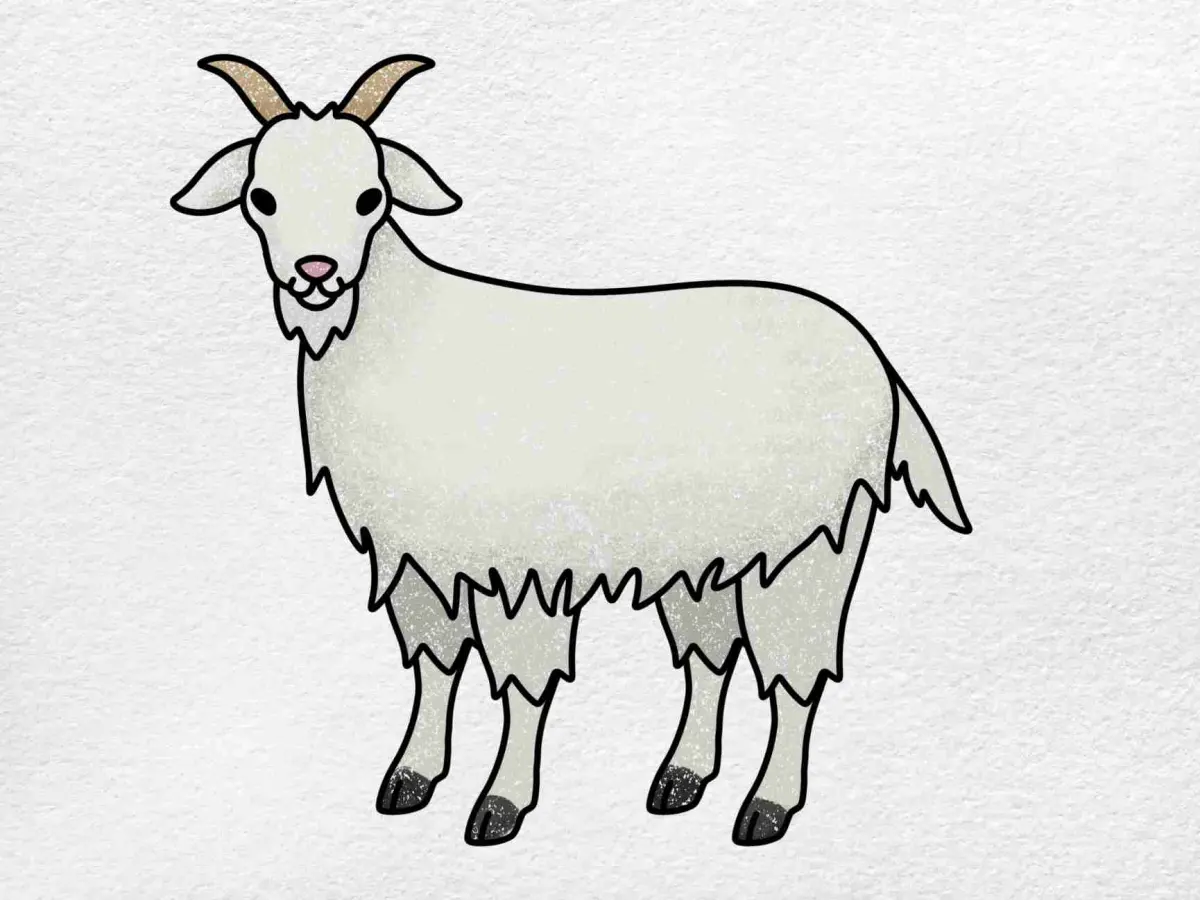
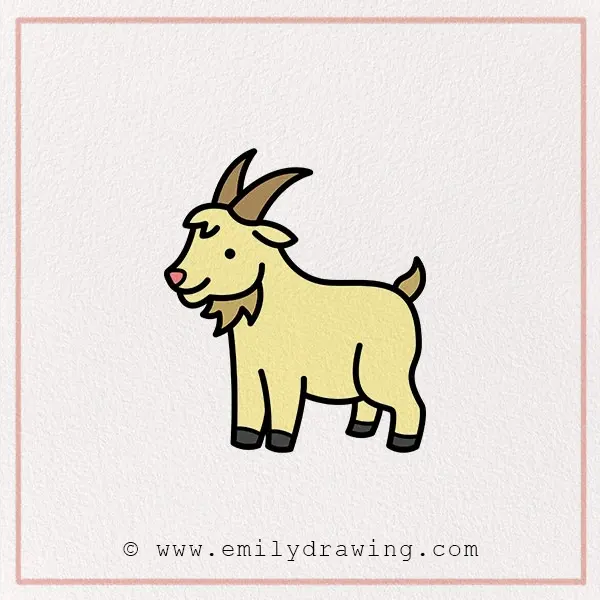
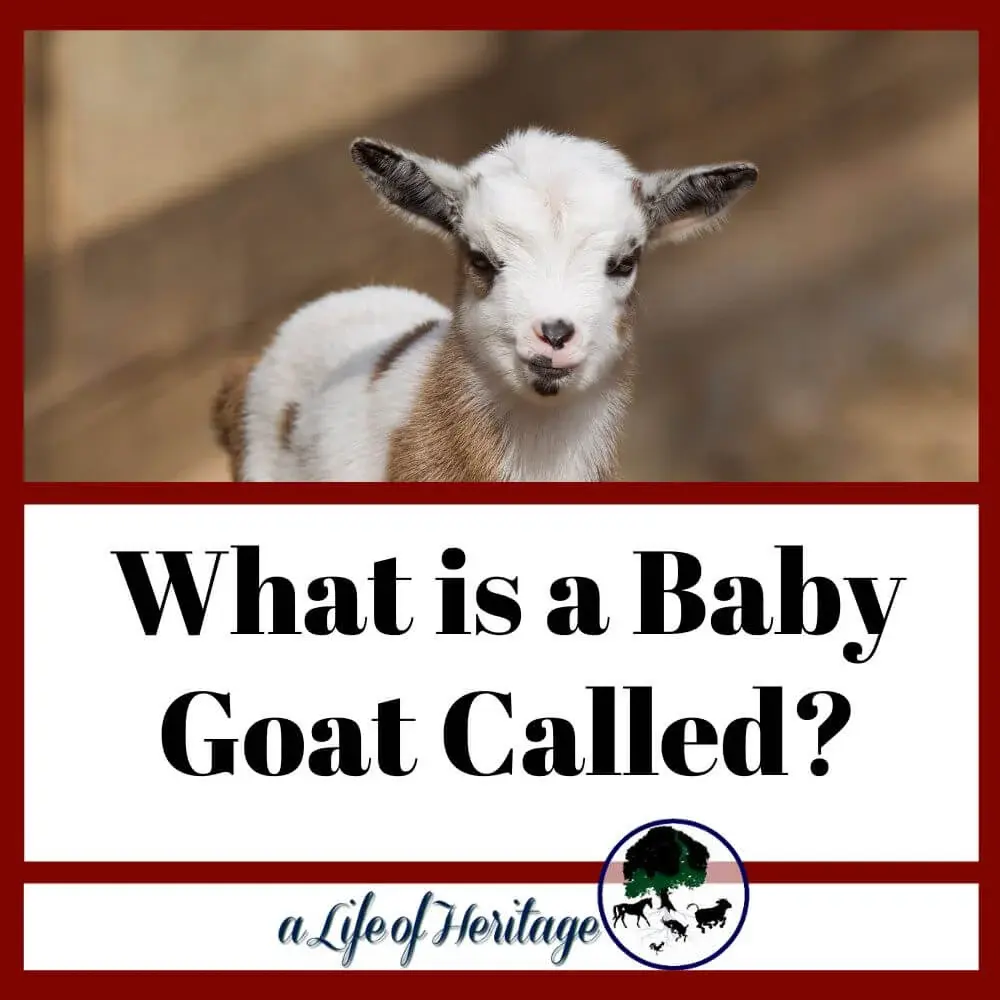
A baby goat is called a kid. This term applies to both male and female offspring from birth until they reach maturity, typically around one year of age. When a goat gives birth, the process is referred to as kidding. A group of young goats is often called a herd or a tribe.
On this page
What is a baby goat called and how are they categorized?
A baby goat is officially known as a kid. While the term is universal across agricultural and scientific contexts, there are specific labels used to distinguish them based on sex and age. A young male that has not been castrated is often called a buckling, while a young female is referred to as a doeling. Once a male goat is castrated, it is known as a wether.
These distinctions help farmers and breeders manage their herds more effectively. Understanding the terminology is essential for record-keeping, health monitoring, and breeding programs. By using the correct nomenclature, owners can communicate clearly with veterinarians and other livestock professionals. Whether you are keeping goats as pets or for milk and fiber production, recognizing these stages of development is the first step in responsible animal husbandry.
How do you care for a newborn kid?
Caring for a newborn kid requires attention to detail, especially during the first few hours of life. The most critical step is ensuring the kid consumes colostrum, the nutrient-rich first milk produced by the mother. This provides essential antibodies that protect the young animal from diseases. If a kid cannot nurse from its mother, you must provide colostrum manually using a bottle or a feeding tube.
- Ensure the kid is breathing clearly and remove any mucus from its nostrils.
- Dip the umbilical cord stump in a 7% iodine solution to prevent infection.
- Keep the newborn in a warm, dry, and draft-free environment.
- Monitor the kid’s body temperature to ensure it does not become hypothermic.
- Weigh the kid regularly to track growth and ensure it is gaining weight consistently.
Providing a clean, dry environment is vital for preventing common ailments like pneumonia or navel ill. Always consult with a veterinarian if you notice signs of lethargy or refusal to eat.
What do baby goats eat as they grow?
Kids rely exclusively on their mother’s milk or a high-quality milk replacer for the first few weeks of life. As they approach four weeks of age, they begin to show interest in solid foods. Introducing high-quality hay and a small amount of textured calf or goat starter feed helps develop their rumen, the largest compartment of their complex stomach.
- Provide access to clean, fresh water at all times.
- Offer high-quality alfalfa or grass hay in a rack to keep it clean.
- Introduce a specialized goat mineral supplement to support bone development.
- Gradually increase the amount of grain as the kid matures.
- Ensure all feed is kept off the ground to prevent parasite contamination.
Avoid feeding large amounts of rich grains too early, as this can lead to digestive upset or bloat. Always make dietary transitions slowly over several days to allow the kid’s digestive system to adjust to new nutrients.
Why do baby goats play and act so energetic?
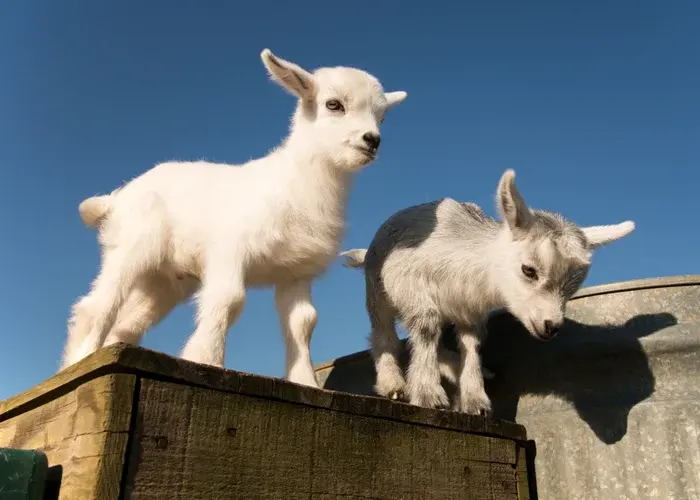
The playful behavior observed in kids, often called "pronking" or "bouncing," is a natural part of their development. This high-energy activity serves multiple purposes, including muscle strengthening, coordination building, and social bonding within the herd. When kids leap into the air or headbutt their peers, they are practicing the physical skills they will need as adults.
Socialization is a key component of a goat's mental well-being. Kids learn how to interact with others by playing, which establishes the social hierarchy of the group. If you are raising a single kid, it is highly recommended to provide it with a companion, as goats are herd animals that experience significant stress when isolated. Providing climbing structures like sturdy wooden platforms or ramps can encourage natural behaviors and keep the kids physically active and mentally stimulated throughout the day.
Common mistakes when raising baby goats
One of the most frequent errors new goat owners make is failing to provide adequate shelter. Kids are highly susceptible to cold and damp conditions, which can quickly lead to fatal respiratory infections. Another common mistake is neglecting routine vaccinations and parasite control. Working with a local veterinarian to establish a schedule for tetanus and enterotoxemia vaccinations is crucial for long-term health.
- Overfeeding milk replacer, which can cause severe diarrhea or digestive distress.
- Neglecting to trim hooves once they begin to grow out, leading to lameness.
- Housing kids with aggressive adult goats that may cause injury.
- Using improper fencing that allows kids to escape or get their heads stuck.
- Failing to monitor for signs of coccidiosis, a common parasitic disease in young goats.
By avoiding these pitfalls and maintaining a consistent health management plan, you can ensure your kids grow into healthy, productive adults. Always prioritize cleanliness and observation to catch potential issues before they become emergencies.
Key facts
- A baby goat is officially called a kid.
- The act of a goat giving birth is known as kidding.
- A group of young goats is often referred to as a tribe or a trip.
- Kids typically weigh between 5 and 10 pounds at birth depending on the breed.
- Newborn goats should receive colostrum from their mother within the first hour of life to boost immunity.
- To prevent umbilical infections, dip the kid's navel in a 7% iodine solution shortly after birth.
The bottom line
A baby goat is formally called a kid, a term used across all breeds. Whether you are raising goats for milk, fiber, or as companions, understanding the basic needs of newborns—such as colostrum intake and umbilical care—is essential for their survival. Proper management during the first few weeks of life ensures that these energetic animals grow into healthy, productive members of your herd or farm.
People also ask
How long is the gestation period for a goat?
The gestation period for a goat is approximately 150 days, or about five months. Breeders often track this date carefully to ensure they are prepared for the arrival of the kids.
What is a castrated male goat called?
A castrated male goat is known as a wether. This procedure is common in herd management to prevent unwanted breeding and manage aggressive behavior.
How do you tell if a goat is pregnant?
Physical signs include a thickening of the abdomen and the development of an udder as the due date approaches. Ultrasound scans performed by a veterinarian are the most accurate way to confirm pregnancy.
Can a kid survive if it is rejected by its mother?
Yes, a rejected kid can survive if it is bottle-fed goat milk or a high-quality milk replacer. It is vital to ensure the kid receives enough nutrition to maintain its body temperature and growth.
When should a kid be weaned?
Most farmers begin the weaning process when the kid is between 8 and 12 weeks old. During this time, the kid transitions from a milk-based diet to consuming hay, pasture, and grain.
Do goats usually have twins?
Many goat breeds are prolific and frequently give birth to twins or even triplets. Proper nutrition for the mother during the final month of pregnancy is essential for supporting multiple offspring.
This answer was created with the help of AI research tools and reference sources. Spotted an error? Let us know — we correct mistakes quickly. See our editorial policy.