How many babies do rabbits have?
Short answer
Rabbits typically have between four and eight babies per litter, though the number can range from one to fourteen depending on the breed and age. Smaller breeds often produce fewer offspring, while larger breeds tend to have more. A healthy doe can produce several litters annually, often resulting in dozens of kits.
On this page
How many babies do rabbits have per litter?
The size of a rabbit litter is primarily determined by the breed, the health of the mother, and her nutritional status. While the average litter size is between four and eight kits, there is significant variation across different species. Domestic rabbits are prolific breeders, and a doe—the female rabbit—is biologically capable of sustaining a large number of embryos during her relatively short gestation period.
Breeders often categorize rabbits by size to predict litter expectations. Smaller breeds, such as the Netherland Dwarf, frequently have smaller litters of three to five kits. Conversely, larger commercial breeds like the Flemish Giant or New Zealand White are known for producing larger litters, sometimes reaching up to twelve or fourteen kits. Factors influencing these numbers include:
- Genetic predisposition of the specific breed.
- The age of the doe, as prime breeding years usually yield higher counts.
- The overall body condition and weight of the mother.
- Seasonal variations that may influence reproductive hormones.
How long does it take for rabbits to have babies?
The gestation period for a rabbit is remarkably short, typically lasting between 28 and 32 days. Because this window is so brief, a doe can technically become pregnant again almost immediately after giving birth. This rapid reproductive cycle is an evolutionary adaptation that helps rabbit populations recover quickly from heavy predation in the wild.
Owners should monitor the doe closely as the 30-day mark approaches to ensure she has a safe environment. Signs that birth is imminent include the mother pulling fur from her chest to line a nest and a sudden decrease in appetite. It is vital to provide a quiet, stress-free area during this time. Once the kits are born, the mother usually spends very little time with them, often visiting the nest only once or twice a day to nurse, which is a normal behavior to avoid drawing predators to the location.
How to care for newborn baby rabbits?
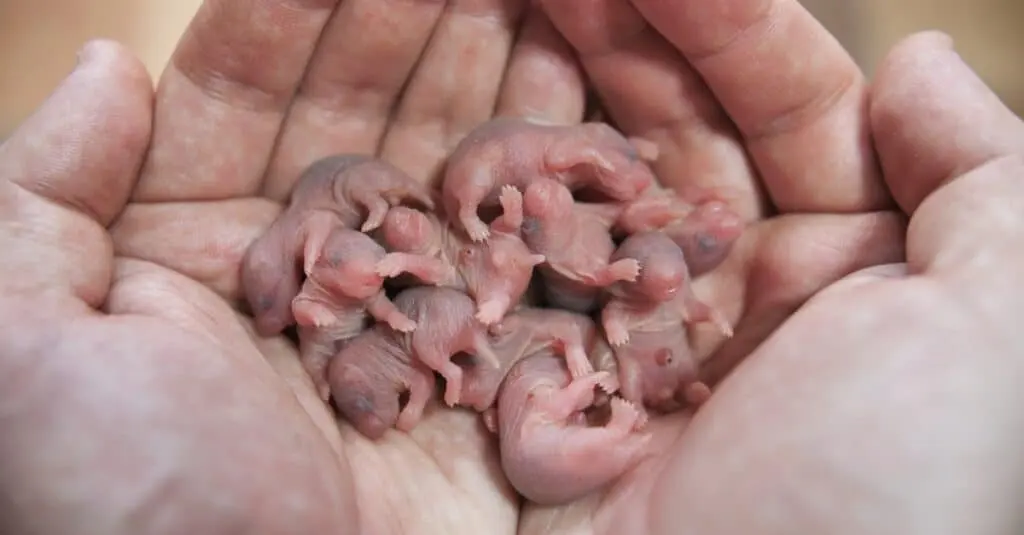
Caring for a litter of kits requires a hands-off approach to ensure the mother remains calm and attentive. The kits are born altricial, meaning they are hairless, blind, and entirely dependent on their mother for warmth and nutrition. Providing a high-quality, high-protein diet for the nursing doe is essential, as she needs significant energy to produce enough milk for her growing offspring.
If you are concerned about the welfare of the kits, follow these steps to monitor their health:
- Check the nest once daily to ensure the kits are warm and huddled together.
- Look for "milk bellies," which are rounded, plump abdomens that indicate the kits have been fed.
- Remove any deceased kits immediately to prevent the spread of bacteria.
- Keep the nest box clean and replace soiled bedding materials carefully without disturbing the remaining kits.
Avoid handling the kits excessively, as human scent can sometimes cause a stressed doe to reject or abandon her litter.
Common mistakes when breeding rabbits?
One of the most frequent errors made by novice rabbit owners is failing to separate the buck and the doe. Rabbits are induced ovulators, meaning the act of mating triggers the release of eggs, making pregnancy highly likely after almost any interaction. Leaving a male and female together inevitably leads to unwanted litters, which can quickly overwhelm an owner's resources and space.
Another common mistake is providing an inadequate nesting box or failing to protect the nest from environmental stressors. If the box is too small, the kits may be crushed; if it is too cold, they may suffer from hypothermia. Owners should also avoid over-manipulating the nest or the kits. Constant interference often causes the mother to become anxious, which may lead her to ignore her nursing duties or, in extreme cases of stress, cannibalize the litter. Always prioritize the mother's need for privacy and security.
Why do rabbits have so many babies?
The high reproductive rate of rabbits is a survival strategy developed to combat their position at the bottom of the food chain. In the wild, rabbits are a primary food source for a vast array of predators, including hawks, foxes, and snakes. To ensure the survival of the species, rabbits evolved to reach sexual maturity quickly and produce multiple litters throughout the breeding season.
This biological imperative remains present in domestic rabbits, even though they are no longer exposed to the same environmental pressures. A single doe can produce four to six litters in a single year, potentially resulting in dozens of offspring. This is why spaying and neutering are strongly recommended for pet rabbits, unless one is an experienced breeder with a clear plan for the offspring. Without responsible population management, the number of rabbits can grow exponentially in a very short amount of time, leading to significant welfare concerns for the animals.
Key facts
- A single litter of rabbits typically ranges from 1 to 12 kits, with the average being 5 to 7.
- Gestation lasts approximately 28 to 32 days, meaning a doe can produce multiple litters in one year.
- Rabbits are induced ovulators, which means the act of mating triggers the release of eggs for fertilization.
- Newborn kits are born altricial, meaning they are hairless, blind, and entirely dependent on their mother.
- Does usually nurse their young only once or twice a day, often for less than five minutes at a time.
- Avoid disturbing a nest, as does may abandon their young if they sense a threat or human scent nearby.
The bottom line
Rabbits are prolific breeders capable of producing large litters in quick succession. A typical litter consists of five to seven kits, born helpless and requiring minimal but precise maternal care. Understanding the rapid gestation and weaning process is essential for anyone caring for these animals. By managing housing and reproductive health carefully, owners can ensure the well-being of the mother and her offspring throughout the year.
People also ask
How quickly can rabbits become pregnant again after giving birth?
Rabbits can conceive again almost immediately after giving birth, sometimes within hours. This rapid reproductive cycle is why rabbit populations can explode if males and females are not separated.
At what age do baby rabbits start eating solid food
Kits begin nibbling on hay, pellets, and leafy greens around two to three weeks of age. However, they continue to nurse from their mother until they are fully weaned at about six to eight weeks.
Do male rabbits help raise the babies?
No, male rabbits (bucks) play no role in raising the young. In fact, they should be kept separated from the doe and the litter to prevent immediate re-breeding and potential aggression.
How can I tell if a mother rabbit is neglecting her litter?
A healthy kit will have a rounded, full belly and be quiet in the nest. If kits are wrinkled, thin, or constantly squealing, they may not be receiving enough milk, requiring professional veterinary intervention.
Is it common for mother rabbits to eat their babies?
While rare, it can happen if the mother is severely stressed, malnourished, or if a kit is stillborn or sickly. Providing a quiet, secure environment and high-quality nutrition helps minimize this risk.
How many litters can a rabbit have in a single year?
Under ideal conditions, a rabbit can produce up to seven or eight litters per year. Because of this high fertility, responsible owners must prioritize spaying or neutering to prevent unwanted litters.
This answer was created with the help of AI research tools and reference sources. Spotted an error? Let us know — we correct mistakes quickly. See our editorial policy.