How do you photograph newborns?
Short answer
Photographing newborns requires prioritizing infant safety, comfort, and consistent lighting. Schedule sessions within the first two weeks of life when babies sleep deeply and curl naturally. Use a warm room, soft blankets, and natural window light. Patience is essential, as the process revolves entirely around the baby’s feeding and soothing schedule.
On this page
How to prepare for a newborn photoshoot
Preparation begins long before the camera is lifted. The ideal window for newborn photography is between 5 and 14 days after birth. During this time, infants are typically more settled and retain the "fetal curl" that makes posing easier. Before the session, ensure the environment is exceptionally warm, ideally between 75 and 80 degrees Fahrenheit, as babies lose body heat quickly when undressed.
Communication with parents is vital for a smooth experience. Advise them to feed the baby just before the session begins to ensure a full, sleepy infant. Keep the atmosphere calm by minimizing loud noises and using a white noise machine to mimic the womb. Having a parent nearby to assist with spotting or soothing is mandatory for safety.
- Keep the room temperature high to keep the baby comfortable.
- Use white noise to help the baby stay in a deep sleep.
- Ensure the baby is fed and burped immediately before starting.
- Have a spotter present at all times to prevent falls.
What is the best lighting for newborn photography
Natural light is the gold standard for newborn photography because it produces soft, flattering shadows that highlight delicate skin textures. Position the baby near a large window, but avoid harsh, direct sunlight, which can create high-contrast shadows and overexpose skin tones. If the light is too bright, use a sheer white curtain or a translucent diffuser to soften the intensity.
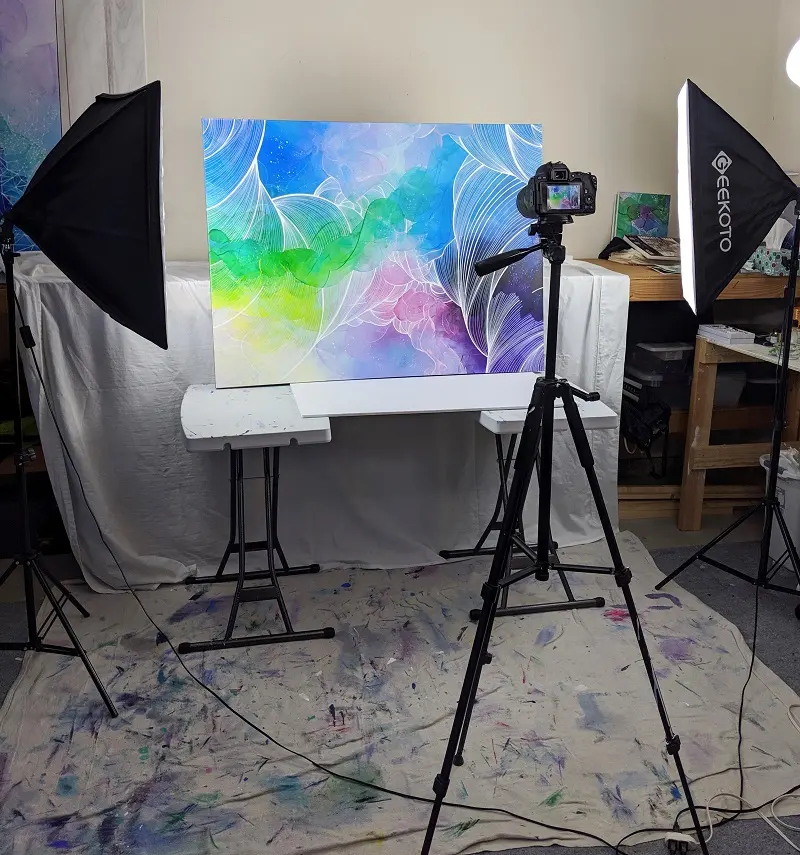
Position the baby so the light falls across their face from the top of the head toward the chin. This technique, known as "top lighting," emphasizes the baby's features without creating unflattering dark circles under the eyes. Avoid using a direct on-camera flash, as the sudden burst of light can startle the infant and produce harsh, clinical results. If additional light is required, use a softbox or a reflector to gently bounce light back into the shadows.
How to pose a newborn safely
Safety is the most important factor when posing a newborn. Never attempt complex poses, such as the "froggy pose," where the baby supports their own head, without professional training and a composite editing technique. Instead, focus on simple, natural positions that mimic how the baby rests in the womb. Always keep a hand on the baby or have a parent within arm's reach.
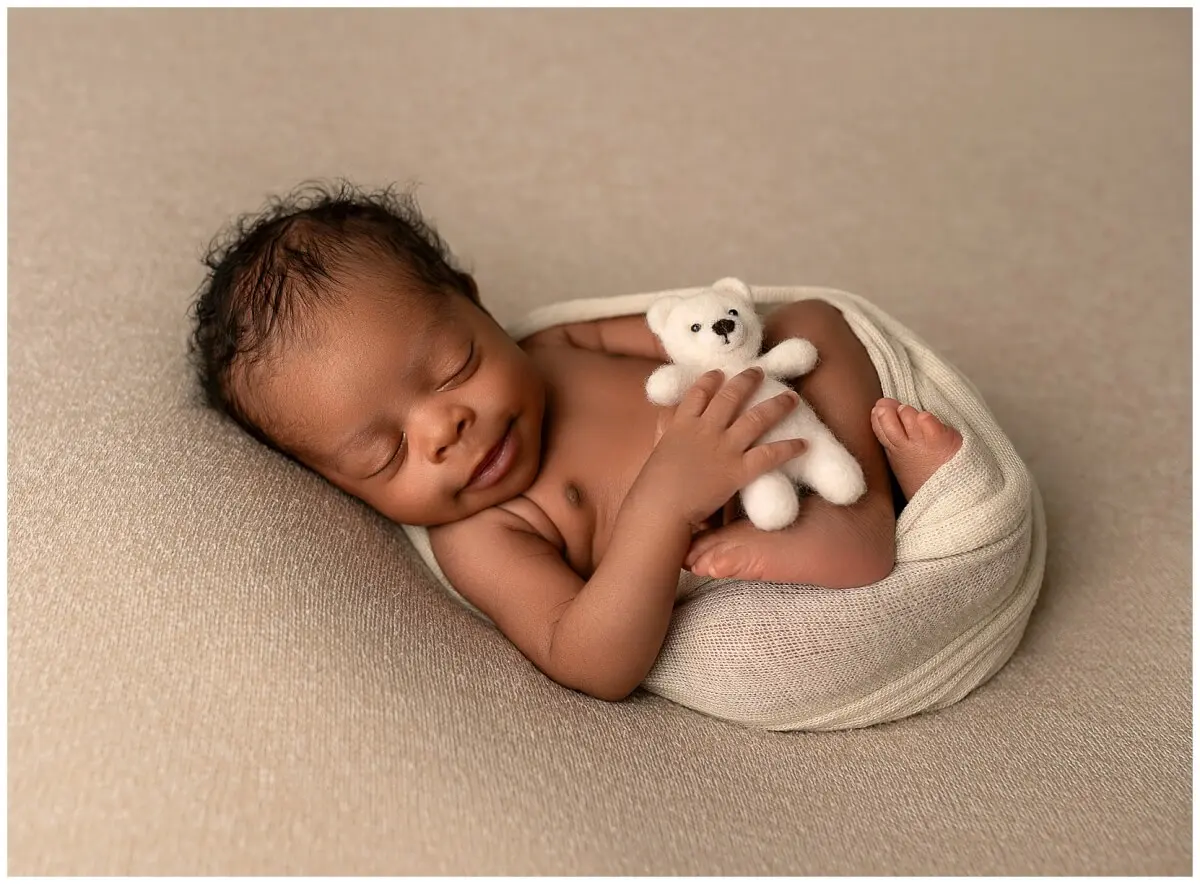
Use beanbags or posing pillows covered with soft, textured blankets to create a stable foundation. Ensure the baby’s airway is never obstructed by blankets or hands. If the baby shows signs of distress, such as crying or squirming, stop immediately and allow the parents to soothe them. A comfortable baby will naturally settle into positions that look peaceful and professional.
- Always support the baby's neck and head.
- Keep the baby’s chin off their chest to maintain clear breathing.
- Use soft, non-irritating fabrics like bamboo or jersey knit.
- Never leave a baby unattended on a prop or posing beanbag.
What camera settings to use for newborns
For newborn photography, a wide aperture is preferred to create a shallow depth of field, which keeps the focus on the baby while blurring the background. Use an aperture between f/2.0 and f/2.8 to achieve this soft, dreamy look. Because newborns are often photographed in indoor, lower-light settings, you may need to increase your ISO to maintain a sharp image.
Maintain a shutter speed of at least 1/200th of a second to prevent motion blur, especially if the baby is restless. If you are using a prime lens, such as a 50mm or 85mm, you will find that these focal lengths provide a flattering perspective that avoids distortion. Always shoot in RAW format to allow for greater flexibility when adjusting white balance and skin tones during the editing process.
Common mistakes when photographing newborns
One frequent error is rushing the process. Newborn sessions often take three hours or more because the photographer must accommodate feeding, changing, and soothing breaks. Forcing a baby into a pose when they are hungry or uncomfortable will lead to frustration for both the photographer and the parents. Always prioritize the baby’s signals over the shot list.
Another mistake is neglecting the background. Clutter in the frame can distract from the subject, so keep backdrops simple and neutral. Ensure that your props are clean and that you are not using anything that could pose a choking hazard or cause skin irritation. Finally, avoid over-editing skin tones; newborns often have red or blotchy skin, which is a natural part of their appearance. A light touch in post-production preserves the authentic, delicate look of a newborn.
Key facts
- The ideal window for newborn photography is between 5 and 14 days old, when babies sleep deeply and curl into natural poses.
- Always maintain a room temperature between 75°F and 80°F (24°C–27°C) to keep the undressed infant comfortable and sleepy.
- Prioritize safety by never leaving a baby unattended on a prop, posing surface, or beanbag, even for a second.
- Use natural window light for soft, flattering shadows, positioning the baby at a 45-degree angle to the light source.
- A "white noise" machine or app helps mimic the environment of the womb, keeping the infant calm during the session.
- Use a macro lens or a 50mm prime lens to capture fine details like eyelashes, tiny fingernails, and peeling skin.
The bottom line
Successful newborn photography relies on preparation, safety, and patience. By scheduling the session within the first two weeks, maintaining a warm, quiet environment, and utilizing soft natural light, you can capture timeless images of a child’s earliest days. Always prioritize the infant's physical security above all else, keeping sessions flexible to accommodate their needs. With these fundamentals, you will create professional-quality portraits that families cherish forever.
People also ask
Should I use a flash when photographing a newborn?
It is best to avoid direct flash as it can startle a newborn and may be harsh on their sensitive eyes. Rely on soft, diffused natural light or continuous LED studio lighting instead.
What props are safe to use for newborn sessions?
Use sturdy, non-toxic props like wooden crates, baskets, or soft blankets. Ensure any container is weighted at the bottom to prevent tipping and lined with a soft, breathable fabric.
How do I handle a baby who won't stop crying?
Take a break to feed, change, or soothe the baby back to sleep. Patience is essential, as the baby's comfort must always come before the shot.
What should the parents wear for the photos?
Suggest neutral, solid-colored clothing without busy patterns or large logos. This keeps the focus on the connection between the parents and the newborn rather than the outfits.
How long does a typical newborn photography session last?
Professional sessions usually last between two and four hours. This allows ample time for feeding, soothing, and diaper changes without rushing the process.
What is the best camera angle for newborn portraits?
Shoot from the baby's eye level to create a sense of intimacy and connection. Avoid shooting from directly above, which can distort the baby's proportions.
This answer was created with the help of AI research tools and reference sources. Spotted an error? Let us know — we correct mistakes quickly. See our editorial policy.