What is composition in photography?
Short answer
Composition is the intentional arrangement of visual elements within a camera frame to create a compelling image. By positioning subjects, lines, and shapes, photographers guide the viewer’s eye and establish a clear focal point. Mastering these techniques transforms a simple snapshot into a deliberate narrative, balancing aesthetic appeal with thematic clarity.

On this page
What are the basic rules of composition?
The most fundamental principle in photography is the Rule of Thirds. This technique involves dividing the frame into a grid of nine equal rectangles using two horizontal and two vertical lines. By placing the subject or horizon line along these intersections, you create a sense of balance and interest that is more dynamic than centering the subject.
Another essential concept is the use of leading lines. These are natural or man-made features, such as roads, fences, or rivers, that draw the viewer’s gaze toward the primary subject. By aligning these lines to point into the frame, you effectively manage the viewer's path through the image.
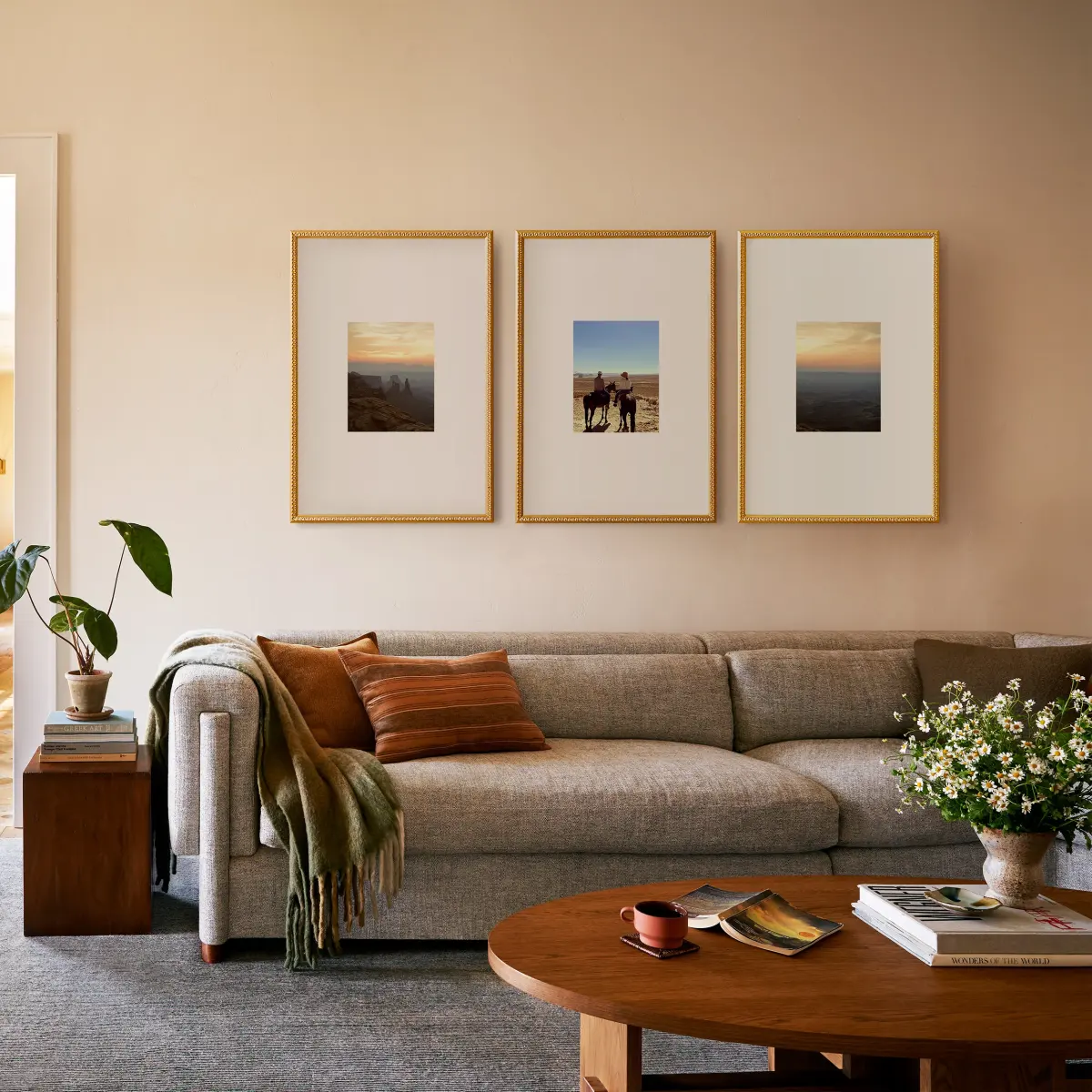
- Rule of Thirds: Align subjects with grid intersections.
- Leading Lines: Use paths to guide the eye.
- Framing: Use windows or doorways to enclose the subject.
- Symmetry: Create balance by mirroring elements across an axis.
- Negative Space: Utilize empty areas to emphasize the subject.
How to use framing and perspective?
Framing provides depth and context by using elements within the scene to create a "frame within a frame." For example, shooting through a tree branch or an archway creates a border that isolates the subject from the background. This technique adds layers to the image and helps the viewer focus on the most important part of the composition.
Perspective refers to the vantage point from which a photograph is taken. Changing your physical position—such as crouching low to the ground or climbing to a higher elevation—can drastically alter the visual impact of a scene. A low angle makes a subject appear powerful and dominant, while a high angle can make a subject seem small or vulnerable. Experimenting with these angles forces the viewer to see familiar objects from entirely new, often surprising, viewpoints.
- Find an opening or natural border in your environment.
- Position the camera so the border surrounds your main subject.
- Adjust your focus to ensure the subject remains sharp.
- Experiment with different depths of field to blur the frame.
Why balance and symmetry matter?
Balance in photography refers to the distribution of visual weight across the frame. An image that feels "heavy" on one side can be distracting or unsettling to the viewer. To achieve balance, you can place a large, bold subject on one side and a smaller, less prominent object on the other to act as a counterweight. This creates a harmonious composition that feels stable and professional.
Symmetry is a specific form of balance where both sides of the image mirror each other. This is highly effective in architectural photography or when capturing reflections on water. When using symmetry, precision is critical; even a slight tilt in the camera can ruin the effect. By aligning the central axis of your subject perfectly with the middle of your frame, you create a sense of order and serenity that is visually arresting.
Common mistakes when composing photos?
One of the most frequent errors is the "cluttered background." A busy backdrop often competes with the main subject, making it difficult for the viewer to know where to look. To avoid this, try changing your aperture to create a shallower depth of field, which blurs the background, or simply move your subject to a cleaner location.
Another common mistake is placing the horizon line in the middle of a landscape shot. This often makes the image feel split in half, which can be visually jarring. Instead, place the horizon on the top or bottom third of the frame depending on whether you want to emphasize the sky or the foreground. Always check the edges of your frame before pressing the shutter to ensure no distracting elements, like trash cans or stray limbs, have crept into the shot.
Best composition tips for beginners?
Start by simplifying your scenes. Beginners often try to include too much information in a single frame, which dilutes the impact of the subject. Focus on one clear focal point and remove any element that does not contribute to the story you are trying to tell. This minimalist approach forces you to think critically about every item inside your viewfinder.
Practice "filling the frame" by moving closer to your subject. Many photographers stay too far away, resulting in images where the subject is lost in a sea of unnecessary detail. By getting physically closer, you capture textures, expressions, and details that would otherwise be invisible. Finally, never be afraid to rotate your camera into a vertical orientation; while horizontal shots are common, vertical compositions can provide a more intimate or towering perspective depending on the subject matter. Consistency in practice will eventually make these compositional choices feel like second nature.
Key facts
- The rule of thirds suggests placing key subjects along lines that divide the frame into nine equal parts.
- Leading lines, such as roads or fences, guide the viewer’s eye toward the main subject of the image.
- Negative space refers to the empty area around a subject, which helps emphasize the subject’s importance.
- Framing involves using natural elements like windows or tree branches to create a border around your subject.
- Changing your perspective, such as crouching low or climbing high, can reveal unique angles that standard eye-level shots miss.
- Symmetry creates a sense of balance and order, often used in architectural photography to convey stability.
The bottom line
Composition is the art of arranging visual elements to create a compelling and coherent image. By mastering techniques like the rule of thirds, leading lines, and thoughtful framing, you transform a simple snapshot into a deliberate work of art. Focus on simplifying your scene to highlight your subject, and always experiment with different angles to discover the most impactful way to tell your story visually.
People also ask
What is the difference between composition and framing?
Composition is the overall arrangement of all elements within the frame, while framing is a specific technique used to enclose the subject. Framing uses foreground objects to draw focus inward, whereas composition encompasses the entire visual structure.
How can I improve my composition when shooting moving subjects?
Leave "look room" or "lead room" in the direction the subject is moving. This prevents the image from feeling cramped and provides a sense of narrative flow to the action.
Should I always center my subject?
Centering a subject can create a powerful, symmetrical image, but it often feels static. Using the rule of thirds or placing the subject off-center typically creates a more dynamic and engaging visual experience.
What is the most common mistake in photography composition?
The most frequent error is "clutter," where too many distracting elements compete with the main subject. Simplifying the frame by removing unnecessary objects or changing your angle will immediately improve the clarity of your photo.
How does lighting affect composition?
Light creates contrast, which dictates where the viewer looks first. High-contrast areas naturally draw the eye, so you should compose your shot to ensure the light highlights your primary point of interest.
Does lens focal length change how I should compose?
Yes, wide-angle lenses exaggerate the distance between foreground and background, making composition more challenging. Telephoto lenses compress space, making it easier to isolate a subject from a busy background.
This answer was created with the help of AI research tools and reference sources. Spotted an error? Let us know — we correct mistakes quickly. See our editorial policy.