What is a tripod used for?
Short answer
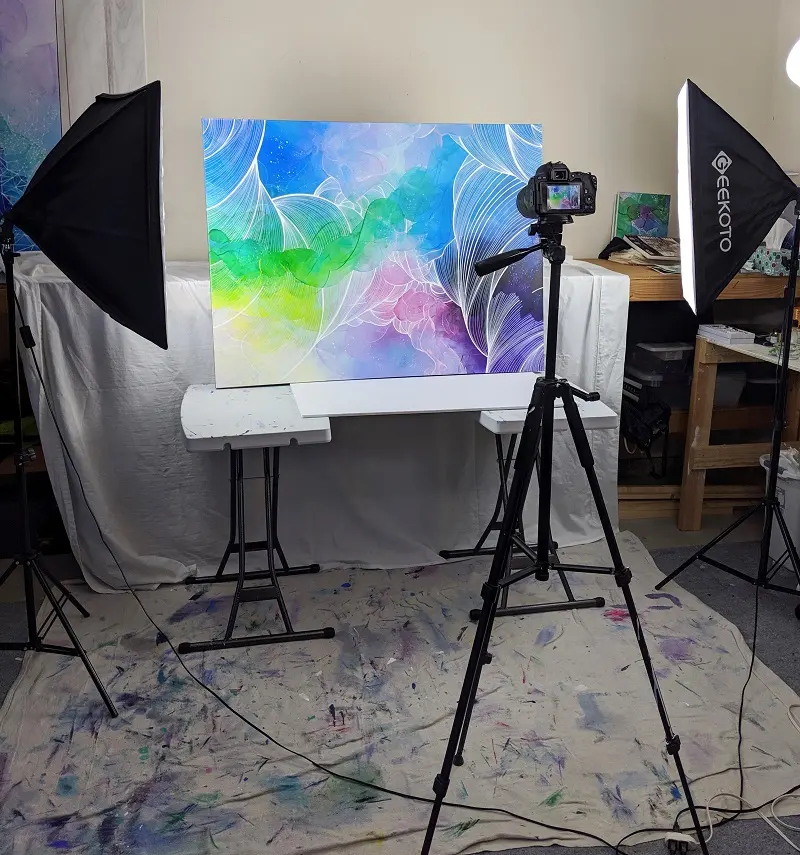
A tripod is a portable three-legged frame used to stabilize and elevate cameras, surveying instruments, or lighting equipment. By providing a rigid base, it eliminates vibrations and allows for precise positioning. This essential tool enables photographers and professionals to capture sharp images in low light or maintain consistent framing during long-duration tasks.
On this page
Why use a tripod for photography
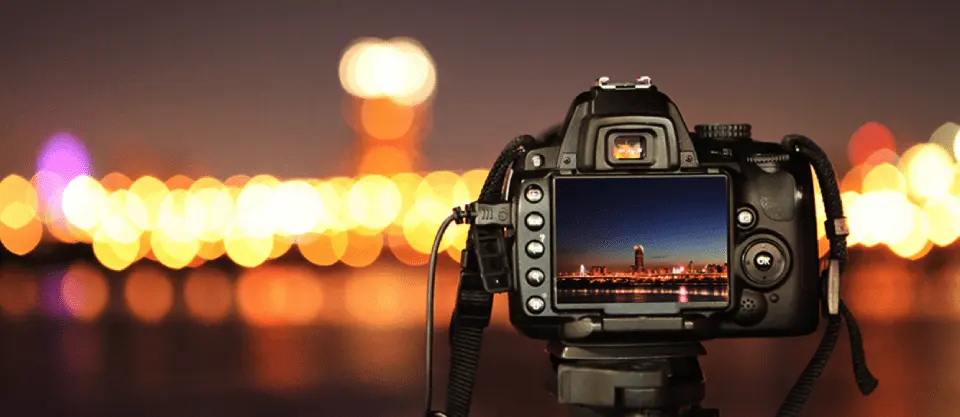
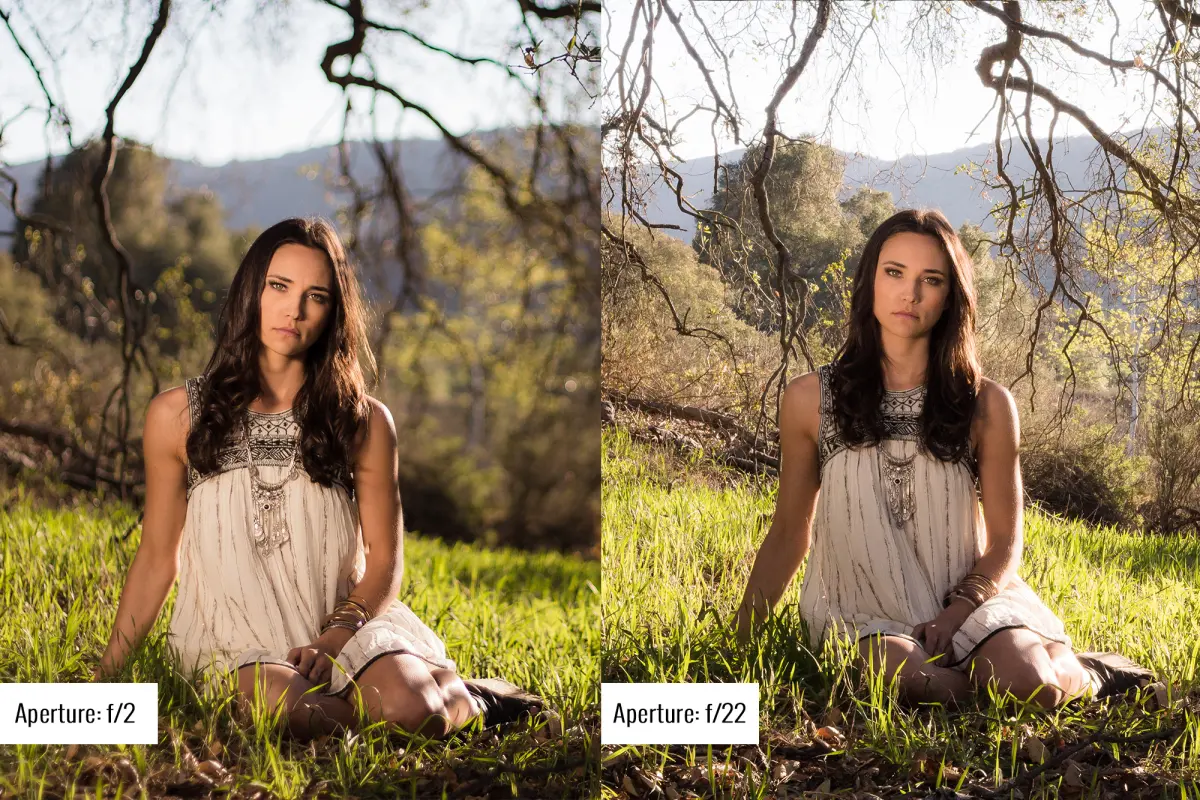
The primary purpose of a tripod is to achieve rock-steady stability, which is essential for capturing sharp images. When you hold a camera by hand, even the slightest muscle tremor can cause motion blur, especially when using telephoto lenses or slow shutter speeds. A tripod locks the camera in place, allowing the sensor to remain perfectly still throughout the entire exposure process. This is particularly vital for landscape photography, where deep depth of field requires small apertures and longer shutter times to compensate for limited light.
Beyond stability, a tripod forces a more deliberate approach to composition. Because moving a tripod takes more effort than shifting your hands, you are encouraged to carefully frame your subject, check the corners of your viewfinder, and refine the horizon line. This process often leads to higher-quality images because it removes the temptation to "spray and pray" with rapid-fire handheld shots. Once the camera is mounted, you can make fine-tuned adjustments to the focus or zoom without losing your established perspective.
How to choose the right tripod
Selecting a tripod involves balancing weight, height, and load capacity to match your specific gear. A common mistake is buying a flimsy, lightweight model that cannot support the weight of your camera and lens combination, leading to instability in windy conditions. You should look for a tripod that can hold at least 1.5 times the weight of your heaviest setup to ensure maximum rigidity. Materials also play a significant role in performance and portability.
- Carbon fiber: Lightweight and excellent at dampening vibrations, though significantly more expensive.
- Aluminum: Highly durable and affordable, but heavier to carry on long hikes.
- Wood: Offers superior vibration absorption for studio work but is generally too bulky for travel.
For most enthusiasts, a mid-range carbon fiber tripod provides the best compromise between weight and stability. Always check the maximum height to ensure the viewfinder reaches your eye level without needing to extend the center column, which can introduce unwanted wobble.
Common mistakes when using a tripod
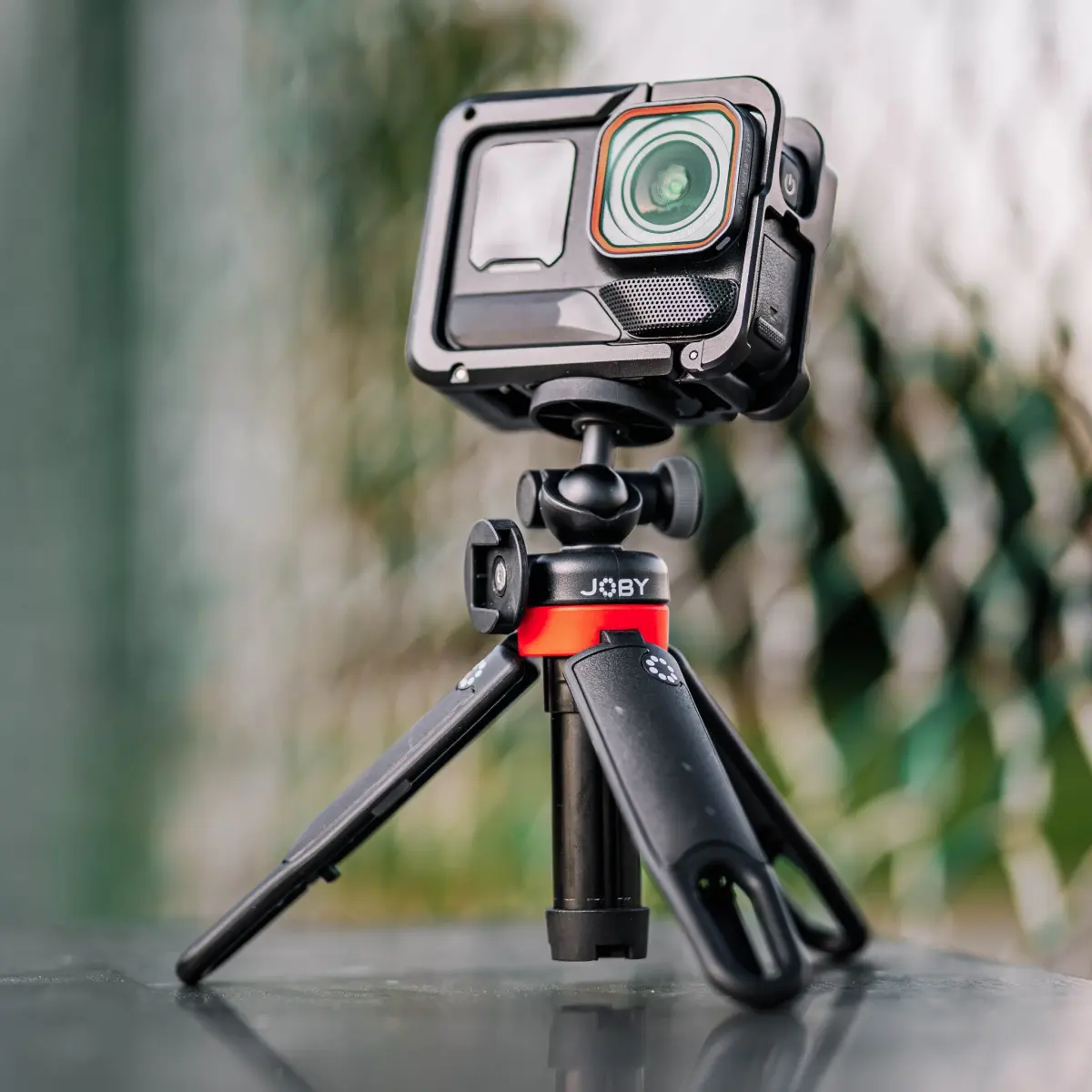
Many beginners fail to realize that the tripod itself can become a source of vibration if used incorrectly. One frequent error is extending the thinnest leg sections first; these are the least stable parts of the tripod. Instead, always extend the thickest, top sections first to provide a solid foundation. Additionally, many users leave the center column fully extended to gain extra height, which acts like a sail in the wind and significantly reduces the stability of the entire system.
- Always hang your camera bag from the center hook to add weight and lower the center of gravity.
- Use a remote shutter release or the camera’s self-timer to avoid shaking the camera when pressing the button.
- Ensure all leg locks are tightened securely before mounting your expensive equipment.
- Check that the tripod head is level using an integrated bubble level before locking it into place.
Neglecting these steps often results in soft, blurry images that defeat the entire purpose of using a support system.
How to set up a tripod for landscape
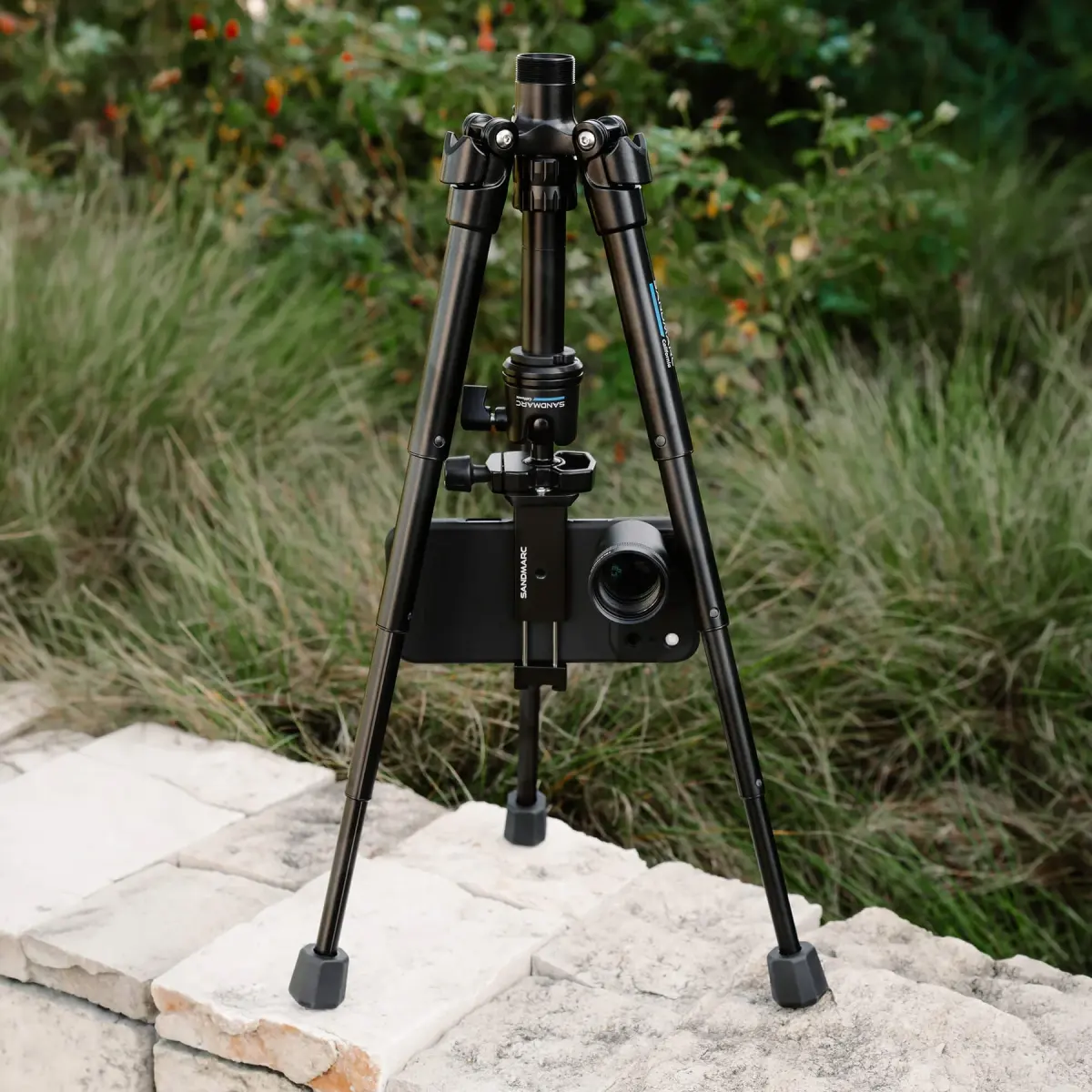
Setting up a tripod in the field requires attention to the terrain to ensure the camera remains level and secure. Start by spreading the legs wide enough to create a stable footprint, especially on uneven ground or slopes. If you are shooting on soft surfaces like sand or mud, ensure the feet are firmly planted or use spiked feet attachments if your tripod supports them. On rocky terrain, adjust the individual leg angles to compensate for the slope, keeping the center column as vertical as possible.
Once the tripod is stable, mount the camera and use the live-view screen to check your composition. If you are shooting a long exposure, such as a waterfall or a star-filled sky, ensure that the wind is not buffeting the camera. If you find the tripod is still vibrating, keep your hands off the camera entirely during the exposure. By following these methodical steps, you ensure that your landscape images are crisp from the foreground to the distant horizon.
Best tripod uses for videography
In videography, a tripod is not just for stability; it is a tool for creating smooth, professional motion. While photographers focus on static shots, videographers use specialized tripod heads, such as fluid heads, to perform controlled pans and tilts. These heads contain internal viscous fluid that provides resistance, preventing jerky movements and ensuring that camera transitions are buttery smooth. This is the difference between an amateur-looking video and a cinematic production.
- Fluid heads: Essential for smooth horizontal and vertical camera movements.
- Ball heads: Better suited for photography due to their speed, but often lack the control needed for video.
- Geared heads: Allow for precise, incremental adjustments, perfect for architectural or macro video work.
When filming, a tripod allows you to maintain a consistent frame for interviews or static shots, ensuring the subject stays centered. By mastering the tension controls on a fluid head, you can execute complex tracking shots that follow the action without any distracting jitters or sudden stops.
Key facts
- A tripod is a three-legged stand designed to stabilize cameras, telescopes, or surveying equipment.
- The primary purpose is to eliminate camera shake, which is essential for long-exposure photography and sharp images.
- Most tripods feature a "head" that allows the user to pan, tilt, or lock the camera into a specific orientation.
- Telescoping legs allow the device to be adjusted for uneven terrain or varying height requirements.
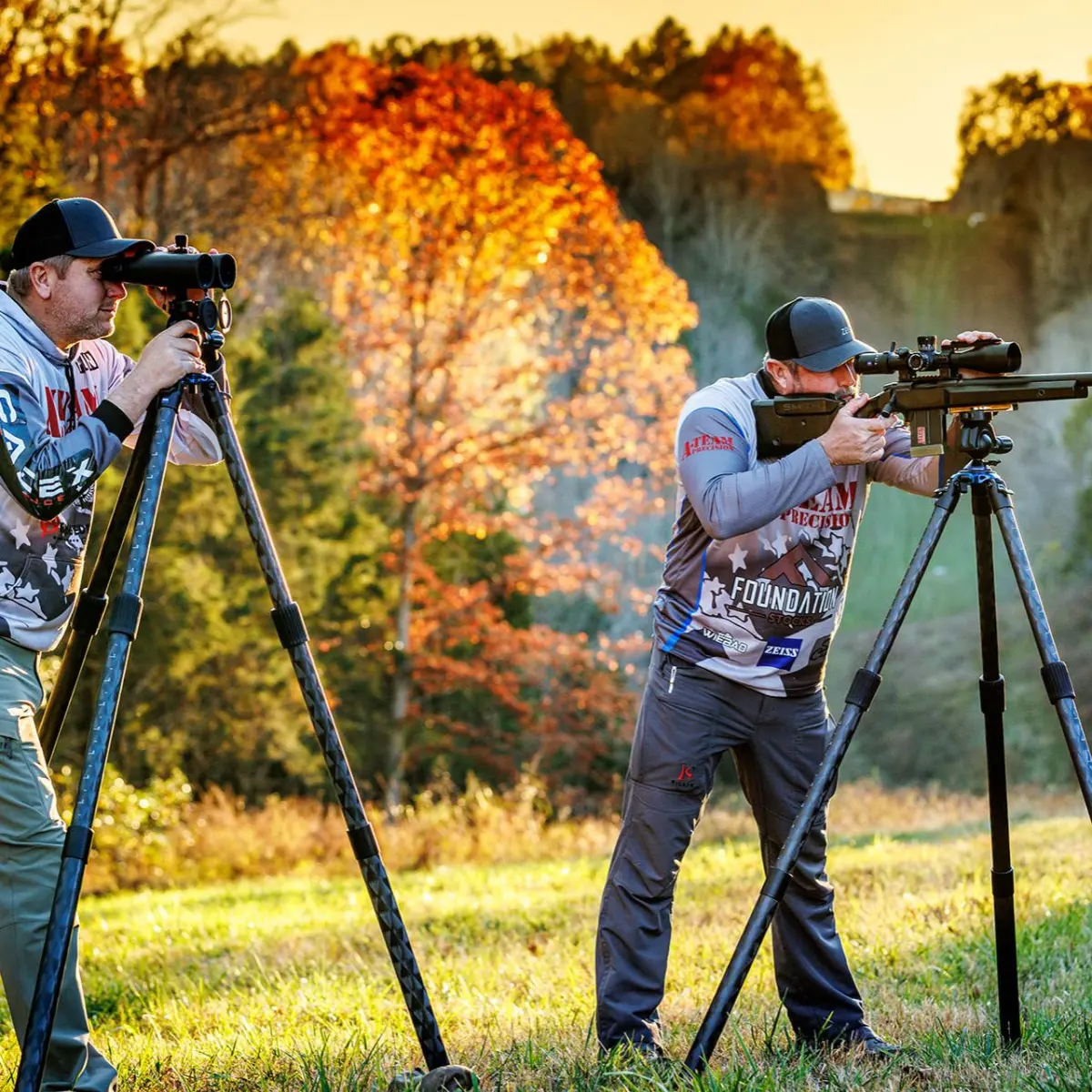
- Lightweight carbon fiber tripods are preferred by hikers, while heavier aluminum models provide superior stability in high winds.
- Always ensure the tripod's weight capacity exceeds the combined weight of your camera and your heaviest lens.
The bottom line
A tripod is an indispensable tool for achieving professional-grade stability in photography and videography. By neutralizing vibrations and securing your gear, it enables clear long-exposure shots and smooth video sequences that are impossible to capture handheld. Whether you are a hobbyist or a professional, selecting a model that balances weight, height, and load capacity will significantly enhance the quality and consistency of your visual work.
People also ask
Do I need a tripod for smartphone photography?
Yes, a tripod is highly beneficial for smartphones when shooting time-lapses, night mode photos, or steady video. It prevents the subtle hand tremors that often blur images in low-light conditions.
How do I choose the right tripod height?
Ideally, the viewfinder or screen should reach your eye level without needing to extend the center column. Extending the center column reduces stability and increases the risk of vibration.
What is the difference between a ball head and a pan-tilt head?
A ball head uses a single locking knob to allow movement in any direction, making it fast and intuitive. A pan-tilt head uses separate handles to adjust horizontal and vertical axes, offering more precision for architectural or landscape shots.
Can a tripod be used for video recording?
Yes, but video-specific tripods include a "fluid head" to ensure smooth, cinematic pans. Standard photography tripods may result in jerky movements when tracking a moving subject.
How do I avoid common tripod mistakes?
The most common mistake is failing to fully tighten the leg locks or mounting plate, which can lead to equipment damage. Always check that the tripod is level and that the center of gravity is positioned directly over the legs.
Are there alternatives to full-sized tripods?
Monopods offer a single leg for support, providing mobility while reducing vertical shake. Tabletop tripods are also available for compact cameras or phones, offering stability in a portable, lightweight form factor.
This answer was created with the help of AI research tools and reference sources. Spotted an error? Let us know — we correct mistakes quickly. See our editorial policy.