How do you frame a drawing?
Short answer
Framing a drawing requires choosing archival-quality materials to protect the artwork from environmental damage. You must use acid-free matting to prevent direct contact between the paper and the glass, which stops condensation and mold. Secure the drawing with hinging tape, assemble the components, and seal the frame to ensure long-term preservation.
On this page
How to choose the right frame for a drawing
Selecting a frame is as much about preservation as it is about aesthetics. For drawings on paper, the most critical component is the mat board, which creates a physical gap between the artwork and the glazing. Always select acid-free, lignin-free, or museum-grade mat board to prevent the paper from yellowing or becoming brittle over time. The frame itself should be sturdy enough to support the weight of the glass, whether you choose wood, metal, or composite materials.
When matching a frame to your drawing, consider the style and color of the work. A simple, neutral frame often allows the details of a charcoal or graphite sketch to stand out without competing for attention. If you are framing a larger piece, ensure the frame depth can accommodate the mat, the artwork, the backing board, and the glazing. Avoid frames that are too tight, as they can cause the paper to ripple or buckle when humidity levels fluctuate.
How to prepare a drawing for framing
Proper preparation is essential to prevent permanent damage to your drawing. Never use household adhesive tapes, such as masking or scotch tape, as these contain acidic chemicals that will stain and degrade the paper fibers. Instead, use archival-grade paper hinges and wheat starch paste or acid-free linen tape. These materials allow the paper to expand and contract naturally with changes in temperature and humidity, which is vital for maintaining the integrity of the work.
- Clean your workspace thoroughly to remove dust and debris that could become trapped under the glass.
- Place the drawing face down on a clean, lint-free surface.
- Apply a small hinge of acid-free tape to the top edge of the back of the drawing.
- Attach the other side of the hinge to the back of the mat board so the drawing hangs freely.
- Ensure the drawing is centered and aligned correctly before securing the final position.
What materials are needed for framing
To achieve professional results, you must gather specific tools and supplies designed for archival framing. Using improper materials is the most common cause of premature paper decay. Investing in quality components at the start will save you from having to re-frame the piece in a few years.
- UV-filtering glass or acrylic: This prevents fading caused by light exposure.
- Acid-free backing board: Use foam core or archival corrugated board to provide structural support.
- Archival hinging tape: Specifically designed to be reversible and non-yellowing.
- Dust cover paper: Kraft paper applied to the back of the frame to keep out insects and pollutants.
- Hanging hardware: D-rings and braided wire rated for the weight of your specific frame.
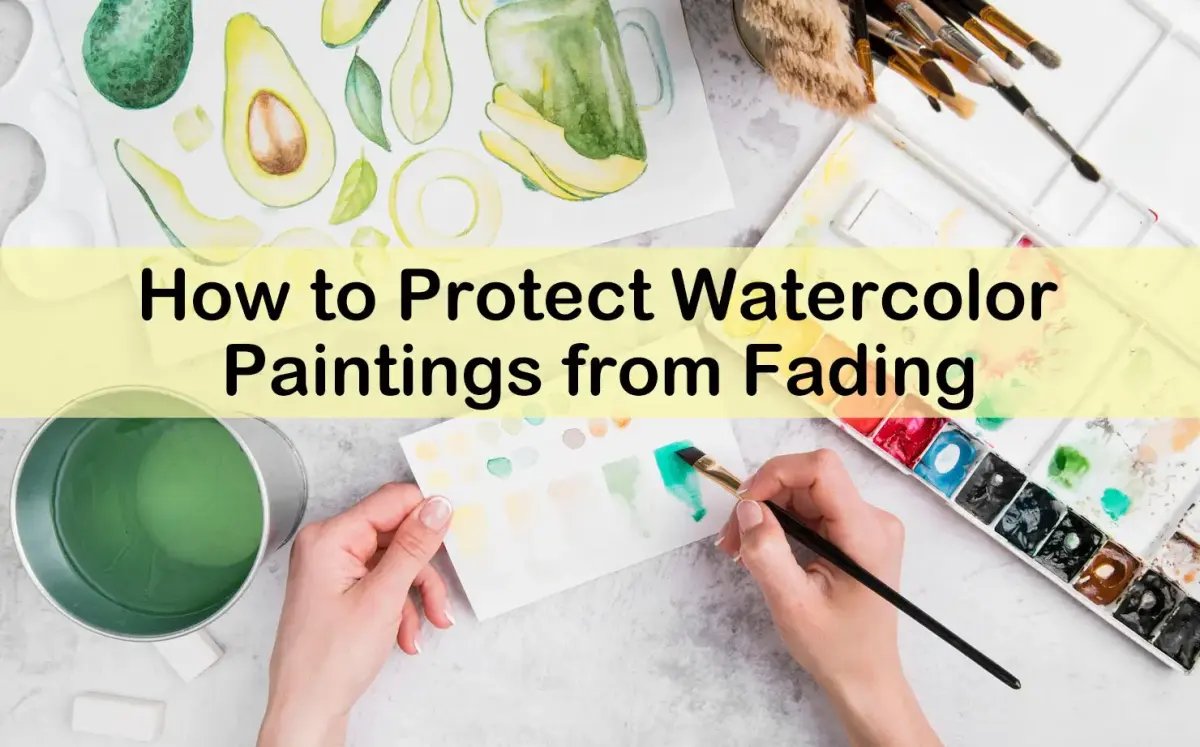
Always prioritize UV-filtering glazing, especially if the drawing will be hung in a room with natural sunlight. Even indirect light can cause significant fading on graphite, charcoal, or colored pencil drawings over time.
Common mistakes when framing drawings
One of the most frequent errors is allowing the drawing to touch the glass directly. When paper touches glass, moisture can become trapped, leading to mold growth or the paper sticking to the surface, which causes permanent tearing. Always use a mat or a spacer to create a buffer zone. Another common mistake is mounting the drawing permanently to a backing board using spray adhesive or glue. This is irreversible and ruins the value of the artwork, as paper must remain loose to accommodate natural expansion.
Avoid using standard glass if the drawing is valuable, as it offers no protection against UV rays. Furthermore, ensure that the frame is sealed properly on the back. If the frame is not airtight, dust and small insects can enter the enclosure, leaving debris on the surface of the drawing. Finally, never hang a drawing in direct sunlight or in a bathroom where high humidity levels can cause the paper to warp.
How to assemble and seal the frame
The final assembly process requires patience and precision to ensure the drawing is protected. Once the drawing is hinged to the mat, place the mat and artwork assembly into the frame. Follow these steps to complete the process:
- Insert the glass into the frame, ensuring it is perfectly clean on both sides.
- Place the mat and drawing assembly behind the glass.
- Add the acid-free backing board to hold the artwork firmly in place.
- Use flexible points or spring clips to secure the backing board into the frame rabbet.
- Apply a bead of acid-free glue to the back edge of the frame and press the dust cover paper down.
- Trim the excess paper with a sharp utility knife once the glue is dry.
- Attach the hanging hardware to the frame, ensuring the wire is taut but not overly tight.
By following these steps, you create a stable, protected environment that will keep your drawing in excellent condition for decades to come.
Key facts
- Use acid-free, archival-quality mat board to prevent yellowing and deterioration of your paper over time.
- Always ensure the drawing does not touch the glass directly, as condensation can cause the artwork to stick or grow mold.
- Use archival-grade hinging tape or photo corners to secure the drawing to the backing board rather than permanent adhesives.
- Choose UV-protective glazing, such as conservation glass or acrylic, to prevent fading caused by sunlight and indoor lighting.
- Measure your artwork precisely and add at least two inches of mat border on all sides for a professional, balanced aesthetic.
- Clean the inside of the glass with an ammonia-free cleaner and a microfiber cloth before final assembly to remove dust and fingerprints.
The bottom line
Framing a drawing is a vital process that balances aesthetic presentation with long-term preservation. By utilizing archival materials like acid-free mats and UV-protective glazing, you shield your artwork from environmental damage. Proper mounting techniques, such as hinging, ensure the paper remains flat and stable. With careful measurement and clean assembly, you can create a professional display that honors the integrity of your work for decades.
People also ask
Should I use glass or acrylic for my frame?
Glass is more scratch-resistant and affordable, but acrylic is lighter, shatterproof, and safer for large-scale works. Acrylic is often preferred for shipping or displaying art in high-traffic areas where breakage is a concern.
What is a mat board and why is it necessary?
A mat board is a thick paper-based insert that creates a visual buffer between the artwork and the frame. It protects the drawing by creating a physical gap between the paper and the glass while drawing the viewer's eye toward the image.
How do I prevent my drawing from buckling inside the frame?
Buckling occurs when paper expands or contracts due to humidity changes. To prevent this, use a "hinge mount" that attaches the top edge of the paper to the backing board, allowing the rest of the sheet to hang freely.
Can I use regular masking tape to mount my drawing?
No, you should never use masking or office tape because the adhesives are acidic and will cause permanent staining and damage. Always use acid-free, archival-quality hinging tape specifically designed for conservation framing.
Is it necessary to seal the back of the frame?
Yes, applying a dust cover—a piece of kraft paper glued to the back of the frame—is essential for protection. This barrier prevents dust, insects, and moisture from entering the frame cavity and damaging the artwork.
How do I choose the right frame depth?
The frame must be deep enough to accommodate the thickness of the glass, the mat board, the artwork, and the backing material. If the components are too thick for the frame rabbet, the back will bulge and fail to sit flush against the wall.
This answer was created with the help of AI research tools and reference sources. Spotted an error? Let us know — we correct mistakes quickly. See our editorial policy.