What is a stretched canvas?
Short answer
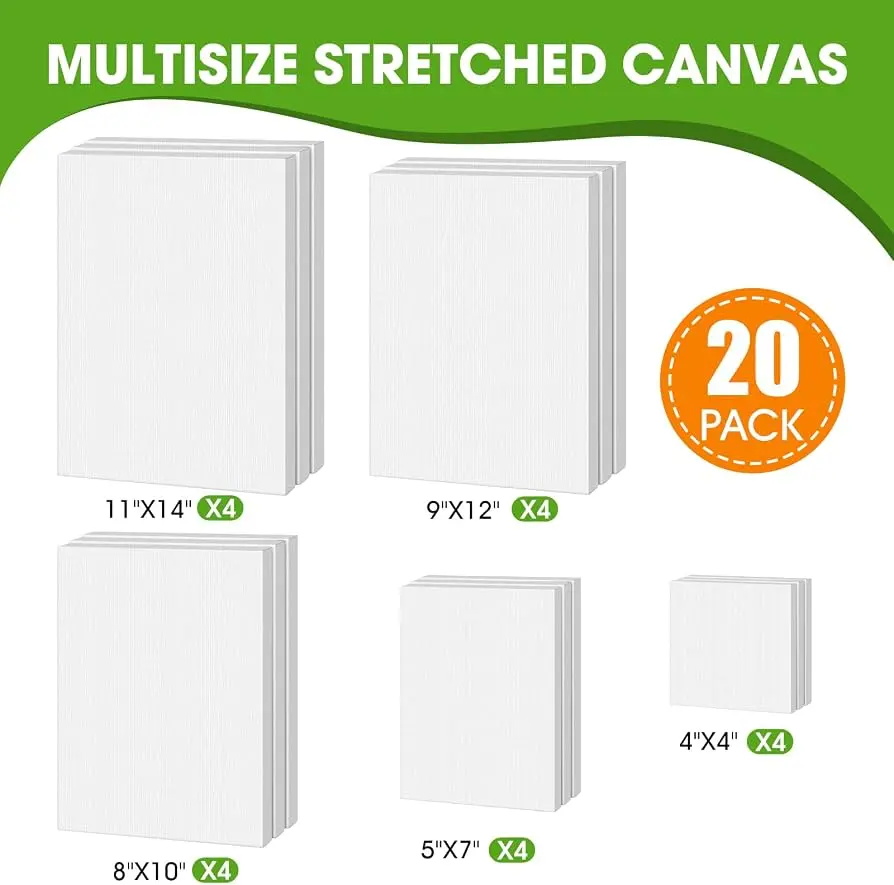
A stretched canvas is a painting surface consisting of a woven fabric, typically cotton or linen, pulled taut and secured over a wooden frame known as a stretcher bar. This structure provides a firm, resilient foundation for oil or acrylic paints, allowing artists to apply pressure without the material sagging or buckling.
On this page
What is a stretched canvas made of?
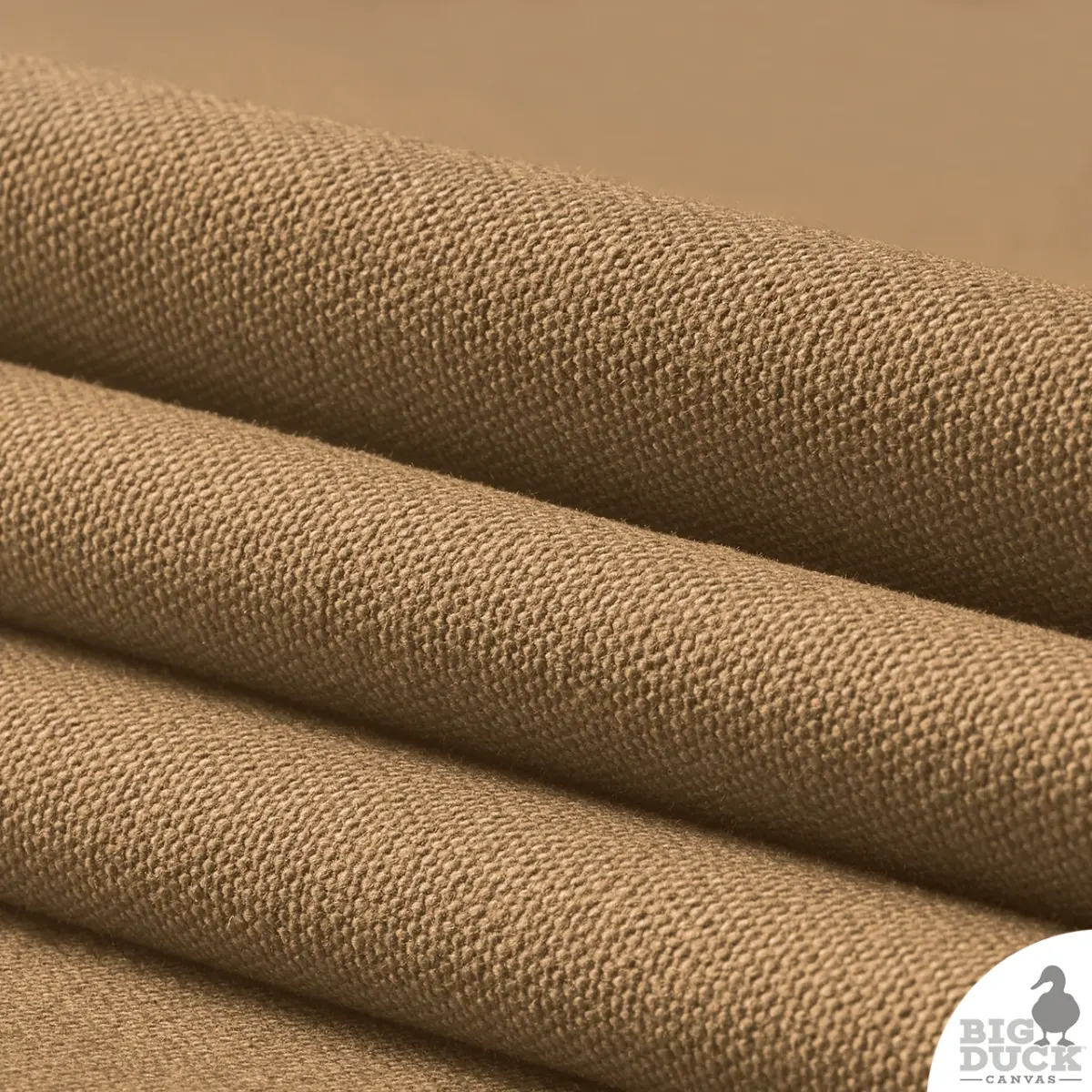
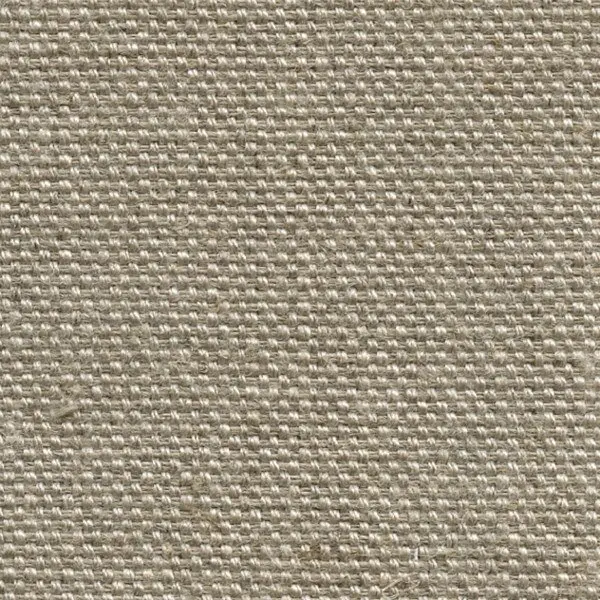
Stretched canvas serves as the primary substrate for traditional easel painting. The fabric is usually made from cotton duck, which is prized for its affordability and uniform weave, or linen, a stronger, more durable fiber derived from the flax plant. Linen is generally preferred by professional artists for its longevity and resistance to atmospheric changes, though it carries a significantly higher price point than cotton.
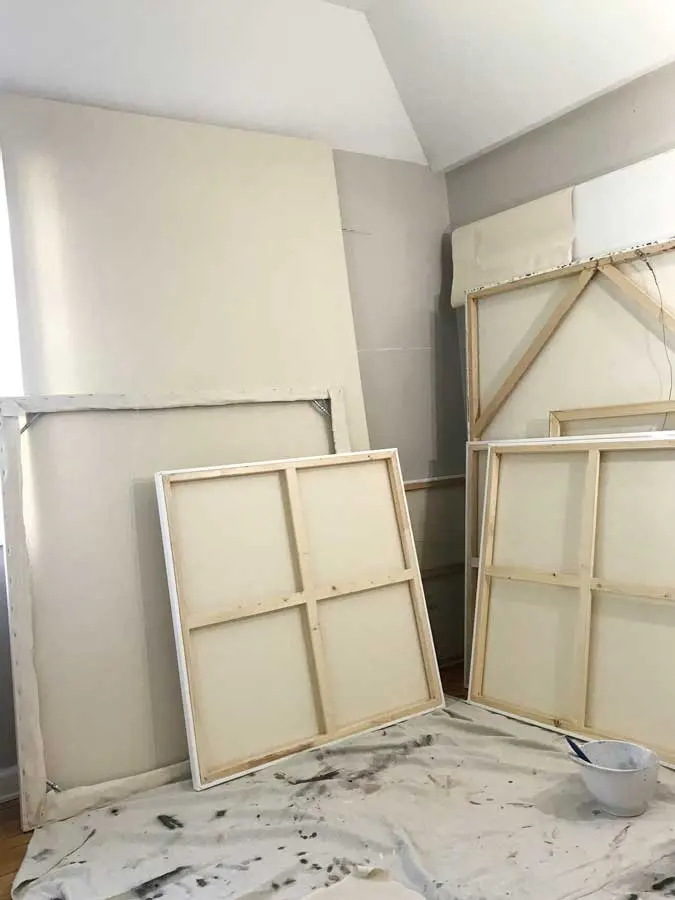
The fabric is attached to a wooden frame constructed from stretcher bars. These bars are designed with a slight lip or "beveled edge" that prevents the canvas from touching the wood frame, which would otherwise create a visible line through the paint. High-quality bars are often made from kiln-dried pine or cedar to prevent warping over time. Once the fabric is stapled to the back of the frame, it is typically primed with gesso—a mixture of binder, chalk, and pigment—to seal the fibers and prevent the paint from rotting the material.
How to choose the right canvas for your project
Selecting the appropriate canvas depends largely on your medium and skill level. Cotton is an excellent choice for beginners or those working on large-scale projects where cost is a factor. Linen is the superior choice for archival work or highly detailed portraiture, as its tighter weave provides a smoother surface for intricate brushwork.
When shopping for a canvas, consider these three primary factors:
- Weight: Measured in ounces per square yard; 10-12 ounces is standard for most paintings.
- Texture: Ranging from fine (smooth) to extra-rough (heavy tooth), which dictates how much paint the surface can hold.
- Priming: "Universal" gesso is suitable for both oils and acrylics, while oil-primed canvas is specifically designed for traditional oil painting techniques.
Avoid purchasing pre-stretched canvases that feel loose or sound hollow when tapped. A high-quality canvas should feel drum-tight, indicating that the tension is even across the entire surface.
How to stretch your own canvas
Stretching your own canvas allows for custom sizing and ensures the highest quality of materials. To begin, you will need stretcher bars, a roll of raw or primed canvas, a heavy-duty staple gun, and canvas pliers.
- Assemble your stretcher bars into a square or rectangle, ensuring the corners are perfectly 90 degrees.
- Cut the canvas to size, leaving at least 3 inches of excess material on every side.
- Center the frame on the fabric and staple the middle of each side first, pulling the canvas taut with your pliers.
- Work from the centers toward the corners, placing staples every two inches, and fold the corners neatly before securing them.
Using pliers is essential for achieving the necessary tension. Without them, it is nearly impossible to pull the fabric tight enough to prevent sagging once paint is applied.
Why does canvas sag over time?
Canvas is a natural fiber that reacts to the environment by expanding and contracting. High humidity causes the threads to loosen, leading to a visible sag, while dry heat can cause the fabric to tighten excessively. Because the canvas is stretched over a wooden frame, the wood itself may also shift slightly due to temperature fluctuations, further altering the tension of the painting surface.
To remedy this, most professional stretcher bars include wooden keys. These small, triangular wedges are inserted into the slots at the corners of the frame. By gently tapping these keys into the frame with a small hammer, the corners of the stretcher bars are pushed outward, effectively expanding the frame and re-tensioning the fabric. This process should be done gradually over several days to avoid tearing the canvas. Never over-tighten the keys, as this can cause the frame to warp or the canvas to split under the extreme pressure.
Common mistakes when handling stretched canvas
One of the most frequent errors is storing canvases in environments with extreme temperature shifts, such as attics or basements. These spaces accelerate the degradation of the fabric and can cause the wooden frame to twist. Always store finished paintings vertically, separated by spacers, to prevent the surfaces from sticking together or being punctured by accidental contact.
Another common mistake is applying paint too thickly on a canvas that has not been properly primed. Without a sufficient barrier, the oil in the paint can seep into the fibers, causing the canvas to become brittle and eventually rot. If you are working on raw, unprimed canvas, you must apply at least two coats of gesso to protect the integrity of the support. Finally, avoid leaning heavy objects against the back of the canvas, as this will leave a permanent indentation that is nearly impossible to remove without re-stretching the entire piece.
Key facts
- A stretched canvas consists of a woven fabric, typically cotton or linen, pulled taut over a wooden frame known as stretcher bars.
- Stretcher bars often feature a beveled edge to prevent the canvas from touching the wood, which avoids unsightly lines on the painting surface.
- Professional artists often prefer linen for its archival durability and resistance to rot, while cotton duck is the standard for students and hobbyists.
- The canvas must be primed with gesso before painting to create a barrier that prevents oil paint from rotting the fabric fibers.
- Wedges or keys are inserted into the corners of the stretcher bars to allow the artist to expand the frame and re-tighten the canvas over time.
- A common mistake is pulling the fabric too tightly during the initial stretching, which can warp the wooden frame or cause the canvas to tear.
The bottom line
A stretched canvas serves as the foundational support for most traditional painting, offering a resilient and professional surface for oil or acrylic media. By selecting the appropriate fabric—linen for longevity or cotton for economy—and ensuring proper tension, artists create a stable environment for their work. Understanding how to prime, tension, and maintain this surface ensures that your artwork remains durable and vibrant for generations to come.
People also ask
Can I stretch my own canvas at home?
Yes, you can stretch your own canvas by using a staple gun, pliers, and pre-cut stretcher bars. Ensure you pull the fabric evenly from the center toward the corners to maintain consistent tension.
What is the difference between gallery-wrapped and standard canvas?
Gallery-wrapped canvas is stapled on the back of the frame, allowing the artist to paint the sides and hang it without a decorative frame. Standard canvas is stapled on the sides, which usually requires an external frame to cover the staples.
Why does my canvas sound like a drum when I tap it?
A drum-like sound indicates the canvas is properly tensioned and taut. If it sounds dull or loose, you may need to tap the corner keys further into the frame to tighten the fabric.
Should I use oil or acrylic gesso?
Acrylic gesso is versatile and can be used under both oil and acrylic paints. However, you should never use oil-based gesso on a canvas intended for acrylic paint, as it will not adhere correctly and will eventually peel.
How do I fix a dent in my stretched canvas?
You can often remove a dent by lightly misting the back of the canvas with water and allowing it to air dry. The moisture causes the fibers to shrink and tighten, pulling the dent flat.
What is the purpose of the cross-brace in large canvases?
Cross-braces prevent large wooden stretcher bars from bowing inward due to the high tension of the stretched fabric. They provide structural integrity to ensure the painting remains perfectly flat over many years.
This answer was created with the help of AI research tools and reference sources. Spotted an error? Let us know — we correct mistakes quickly. See our editorial policy.