How do you stretch watercolor paper?
Short answer
Stretching watercolor paper involves soaking a sheet in clean water, attaching it to a rigid board with water-activated gummed tape, and allowing it to dry completely. This process expands the fibers, preventing the paper from buckling or warping when you apply heavy washes of paint during the watercolor painting process.
On this page
Why do you need to stretch watercolor paper?
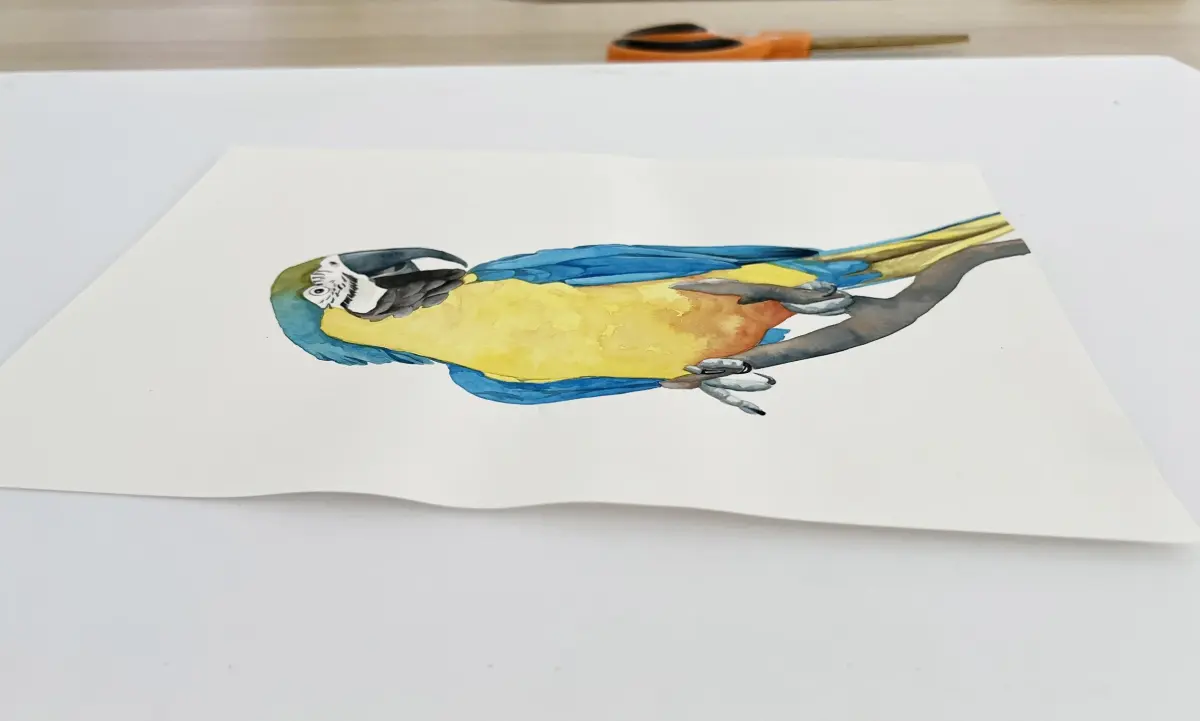
Watercolor paper is composed of cellulose fibers that expand when they absorb moisture. When you apply a wet wash to a loose sheet of paper, the areas that get wet expand faster than the dry areas, leading to unsightly bumps, ripples, or "cockling." Stretching the paper forces these fibers to expand fully before you begin painting. Once the paper is taped down and dries, it remains taut and flat, providing a stable surface for your work.
This technique is essential for artists who use heavy water applications, such as wet-on-wet techniques or multiple glazing layers. While heavier papers, such as 300-pound cold-press or hot-press sheets, are often rigid enough to resist buckling without stretching, lighter weights like 90-pound or 140-pound paper almost always require this preparation. By taking the time to stretch your paper, you ensure that your paint flows predictably and that your final composition remains perfectly flat on the board.
What materials are required for stretching?
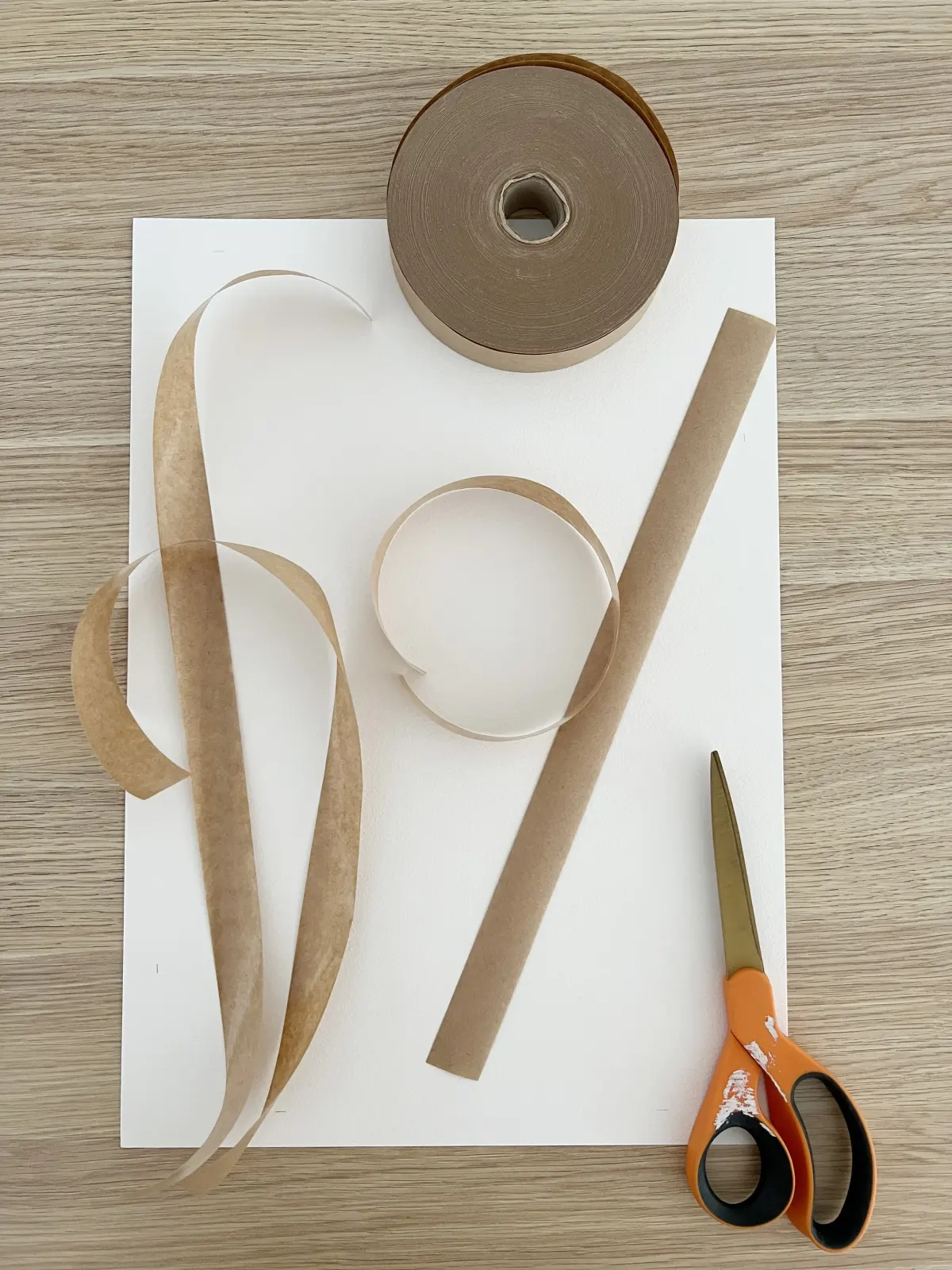
To stretch paper effectively, you need a few specific supplies that are readily available at art supply stores. The most important component is the gummed paper tape, which is coated with a water-activated adhesive that becomes incredibly strong once dry. You will also need a board that is completely waterproof and non-porous, such as a piece of plywood, Masonite, or a dedicated watercolor stretching board.
- A sheet of watercolor paper (preferably 140lb or lighter).
- A rigid, waterproof drawing board.
- A roll of gummed brown paper tape (not masking or painter's tape).
- A large sponge or a clean, soft brush.
- A basin or bathtub large enough to hold the paper flat.
- A pair of scissors to cut the tape to the desired length.
Ensure your workspace is clean, as any debris trapped under the paper will create bumps that interfere with your brushwork later. Using high-quality materials ensures the tape holds firmly throughout the entire painting process.
How to stretch watercolor paper step by step
The process requires patience and a methodical approach to ensure the paper is evenly saturated. Start by cutting your gummed tape into four strips, each slightly longer than the sides of your paper. Submerge your watercolor paper in a tray or bathtub filled with clean, cool water. Let it soak until the paper becomes limp, which usually takes between five and ten minutes depending on the weight of the paper.
- Carefully lift the wet paper and lay it flat onto your board, smoothing it out from the center toward the edges with a clean sponge.
- Quickly wipe away any excess water from the surface of the paper so it is damp but not pooling.
- Wet your pre-cut strips of gummed tape with a sponge, ensuring the adhesive is fully activated.
- Place the tape along the edges of the paper, overlapping the paper and the board by about an inch.
- Smooth the tape down firmly with your fingers or a damp sponge to ensure a tight, air-tight seal.
- Leave the board in a flat, horizontal position until the paper is completely dry, which typically takes several hours or overnight.
How long does it take to dry?
The drying time for stretched paper depends heavily on the ambient temperature and humidity of your environment. In a warm, dry room, the paper may be ready to paint on within four to six hours. In cooler or more humid conditions, it is best to leave the paper undisturbed for at least twelve to twenty-four hours. Never attempt to speed up the process by using a hair dryer or placing the board near a heater, as forced heat can cause the paper to dry unevenly or the tape to lose its grip.
If you remove the tape while the paper is still damp, the fibers will contract prematurely, causing the paper to warp immediately. You can test if the paper is ready by lightly touching the center; it should feel cool and taut like a drumhead. If it feels soft or slightly flexible, it needs more time. Patience during this phase is the best way to guarantee a professional, ripple-free surface for your artwork.
Common mistakes when stretching paper
One of the most frequent errors is failing to soak the paper long enough, which prevents the fibers from reaching their maximum expansion. Another common mistake is using the wrong type of tape; regular masking tape or painter's tape will not hold the paper down as it dries and pulls against the edges. Always use gummed paper tape, as its adhesive is specifically designed to bond with the board and the paper fibers as they dry.
- Over-soaking the paper, which can damage the sizing and make the surface too absorbent.
- Leaving air bubbles trapped between the paper and the board, which creates weak spots.
- Drying the paper in direct sunlight, which causes uneven tension across the sheet.
- Using a board that is not perfectly flat or that has a finish that the tape cannot stick to.
- Removing the tape too early, which causes the paper to snap back and wrinkle.
By avoiding these pitfalls, you can master the art of stretching paper and enjoy a consistent, reliable surface for every watercolor painting you create.
Key facts
- Stretching prevents watercolor paper from buckling or warping when it becomes saturated with water.
- Use only 100% cotton rag paper, as wood-pulp paper often disintegrates or tears when soaked.
- Soak the paper in a clean tray of cool water for 5 to 10 minutes until it expands fully.
- Use gummed brown paper tape, which requires water to activate its adhesive, to secure the edges.
- Ensure the board is non-porous, such as plywood or heavy-duty gatorboard, to prevent moisture damage.
- Allow the paper to dry completely in a flat, horizontal position for at least 12 hours before painting.
The bottom line
Stretching watercolor paper is a foundational technique that ensures your surface remains perfectly flat regardless of how much water you apply. By soaking the fibers and securing them with gummed tape, you create a drum-tight canvas that resists buckling. While it requires patience and preparation, this process allows for consistent washes and precise control, making it an essential skill for any serious watercolorist working on lighter-weight sheets.
People also ask
Do I need to stretch paper that is already in a block?
No, watercolor blocks are manufactured with the edges glued together at the factory to keep the sheet taut. You simply paint on the top sheet and slice it off with a palette knife once the painting is fully dry.
Can I use masking tape instead of gummed paper tape?
Masking tape is generally ineffective because it loses its grip once it becomes wet. Gummed paper tape is essential because it forms a permanent bond with the board as it dries and shrinks.
What happens if I remove the tape before the paper is dry?
The paper will immediately begin to buckle and warp as the tension is released unevenly. Always wait until the paper is bone-dry to the touch before removing the tape or cutting the sheet free.
Should I stretch paper that is 300lb weight or heavier?
Heavyweight 300lb (640gsm) paper is thick enough to resist significant warping without being stretched. Most artists only find it necessary to stretch lighter weights like 90lb or 140lb paper.
How do I remove the gummed tape without damaging the painting?
Use a damp sponge to re-moisten the tape, which softens the adhesive for easier removal. Alternatively, you can trim the edges of the paper just inside the tape line using a sharp craft knife.
Can I stretch paper more than once?
Once a sheet of watercolor paper has been stretched and dried, it is considered a single-use surface. You cannot re-stretch it after it has been painted on, as the sizing in the paper fibers will have been compromised.
This answer was created with the help of AI research tools and reference sources. Spotted an error? Let us know — we correct mistakes quickly. See our editorial policy.