How do you avoid hand pain when drawing?
Short answer
Preventing hand pain while drawing requires maintaining a relaxed grip, taking frequent breaks, and practicing proper ergonomics. By adjusting your posture, using ergonomic tools, and incorporating regular stretching, you reduce muscle strain and tension. Consistent attention to your physical form ensures you can sustain a creative practice without risking repetitive stress injuries.
On this page
Why hand pain happens when drawing
Hand pain in artists often stems from repetitive strain injury (RSI) caused by prolonged muscle tension. When you grip a pencil too tightly, the small muscles in your hand and forearm remain in a state of constant contraction. Over time, this leads to inflammation of the tendons and fatigue in the intrinsic muscles of the palm. Poor posture, such as hunching over a desk, further exacerbates this by restricting blood flow and placing undue stress on the nerves that run from your neck down to your fingertips.
Many artists unknowingly develop a "death grip" on their drawing instruments, especially when focusing on intricate details. This excessive pressure forces the hand to work harder than necessary, leading to cramping and soreness. Additionally, the lack of frequent breaks prevents the muscles from recovering during long sessions. Ignoring these early warning signs of discomfort can eventually lead to chronic conditions like tendonitis or carpal tunnel syndrome, which may require medical intervention and extended periods of rest.
How to hold a pencil correctly
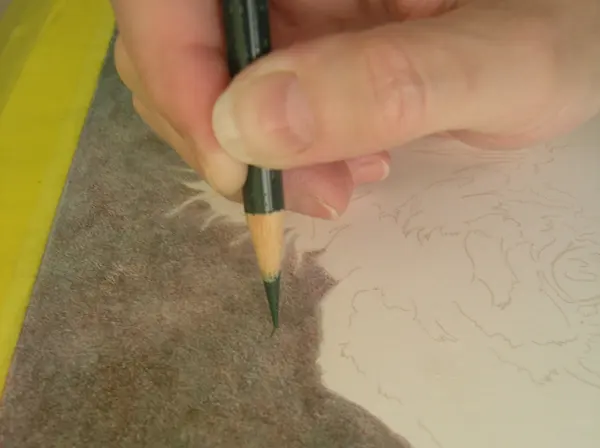
The way you hold your drawing tool is the most critical factor in preventing discomfort. A "tripod grip" is generally recommended, where the pencil rests on the middle finger and is held by the thumb and index finger. This grip balance allows for fluid movement without requiring excessive force. Avoid pressing your knuckles against the paper, as this creates unnecessary tension that travels directly into your wrist and forearm.
To optimize your grip and reduce strain, follow these professional techniques:
- Use a light, relaxed touch; the pencil should feel like an extension of your hand rather than a tool you are fighting.
- Periodically loosen your grip to ensure your hand remains flexible and responsive.
- Experiment with different pencil thicknesses or add a foam grip to increase the diameter, which requires less muscular effort to hold.
- Shift your grip occasionally to engage different muscle groups, preventing any single area from becoming overworked.
Best ergonomic setup for artists
Your workspace significantly influences how your body handles the physical demands of drawing. A flat desk often forces you to hunch over, which puts strain on your neck and shoulders, eventually affecting your hand. Using a drafting table or an adjustable easel allows you to work vertically or at an angle. This keeps your spine neutral and your wrist in a more natural, relaxed position, significantly reducing the likelihood of developing repetitive strain.
Ensure your chair provides adequate lumbar support, keeping your feet flat on the floor to stabilize your posture. If your desk is too high, your shoulders will naturally rise, creating tension that flows down into your arms. When your shoulders are relaxed and your torso is supported, your hand is free to move with precision. Investing in an adjustable chair and a tilted drawing surface is one of the most effective ways to ensure long-term comfort and health during your creative sessions.
Stretching exercises for drawing pain
Regular stretching is essential for maintaining flexibility and preventing the buildup of tension in the forearm and wrist. These exercises should be performed at least once every hour to keep muscles loose and blood circulating efficiently. Never push a stretch to the point of pain; instead, aim for a gentle pull that feels restorative. Incorporating these movements into your routine acts as a preventative measure against the stiffness that often follows long periods of focused work.
Follow these steps to perform a simple, effective hand stretch:
- Extend your arm in front of you with the palm facing outward, fingers pointing toward the ceiling.
- Use your opposite hand to gently pull your fingers back toward your body until you feel a stretch in your forearm.
- Hold this position for 15 to 20 seconds, then repeat with the palm facing downward, pulling the fingers toward you.
- Finally, make a loose fist and rotate your wrist in slow, circular motions for 30 seconds to release any remaining tension.
Common mistakes when drawing for long hours
A frequent mistake is the failure to take structured breaks, leading to "over-drawing" without recovery time. Many artists fall into the habit of working for several hours straight, assuming that momentum is more important than physical health. This approach is counterproductive, as fatigue leads to sloppy technique and increased muscle tension. Set a timer for every 45 minutes to stand up, walk around, and perform your stretches, ensuring your body remains refreshed throughout the day.
Another common error is ignoring the signs of pain until they become debilitating. If you feel a sharp ache or numbness in your fingers, stop drawing immediately. Continuing through pain is a recipe for long-term injury. Furthermore, avoid using tools that are too heavy or poorly balanced, as these require more effort to control. By being mindful of your physical limits and maintaining a balanced, ergonomic environment, you can enjoy a sustainable and pain-free creative practice for many years to come.
Key facts
- Use a "tripod" grip with a light touch, as excessive pressure causes muscle fatigue and cramping.
- Take a mandatory 5-minute break for every 25 minutes of drawing to stretch your fingers, wrists, and shoulders.
- Choose thicker drawing tools or wrap thin pencils in foam grips to reduce the need for a tight pinch.
- Keep your wrist in a neutral, straight position rather than bending it sharply against the drawing surface.
- Engage your entire arm, including the shoulder and elbow, rather than relying solely on small finger movements.
- Perform gentle tendon glides and wrist rotations before and after sessions to maintain joint mobility.
The bottom line
Avoiding hand pain requires a shift from localized finger movements to fluid, full-arm motions. By maintaining a relaxed grip, utilizing thicker tools, and strictly adhering to frequent rest intervals, you can significantly reduce physical strain. Prioritize your ergonomic setup by adjusting your posture and surface angle. Ultimately, listening to your body’s signals is essential to ensuring your creative practice remains sustainable and pain-free for years.
People also ask
Is it normal for my hand to hurt after drawing for a long time?
While occasional fatigue is common, persistent pain is a sign of repetitive strain. You should adjust your technique immediately if you feel sharp, shooting, or burning sensations.
Does the type of paper or surface affect hand strain?
Yes, drawing on a vertical surface like an easel can reduce wrist strain compared to drawing on a flat desk. A flat surface often forces you to hunch over, which increases tension in your neck and shoulders.
How can I tell if I am gripping my pencil too hard?
If your knuckles turn white or you leave deep indentations on the paper, your grip is too tight. A proper grip should be loose enough that you can easily pull the pencil out of your hand with your other hand.
Are ergonomic pens actually effective for artists?
Ergonomic pens with wider, contoured barrels distribute pressure across a larger surface area of your hand. This helps prevent the "death grip" that leads to cramping during long sketching sessions.
Should I use wrist braces to prevent pain?
You should only use wrist braces if recommended by a medical professional. Relying on them for drawing can weaken the muscles in your forearm and create a false sense of security.
What are the early warning signs of carpal tunnel syndrome?
Early symptoms include numbness, tingling, or a "pins and needles" sensation in the thumb and first three fingers. If these symptoms occur, stop drawing and consult a physical therapist or doctor.
This answer was created with the help of AI research tools and reference sources. Spotted an error? Let us know — we correct mistakes quickly. See our editorial policy.