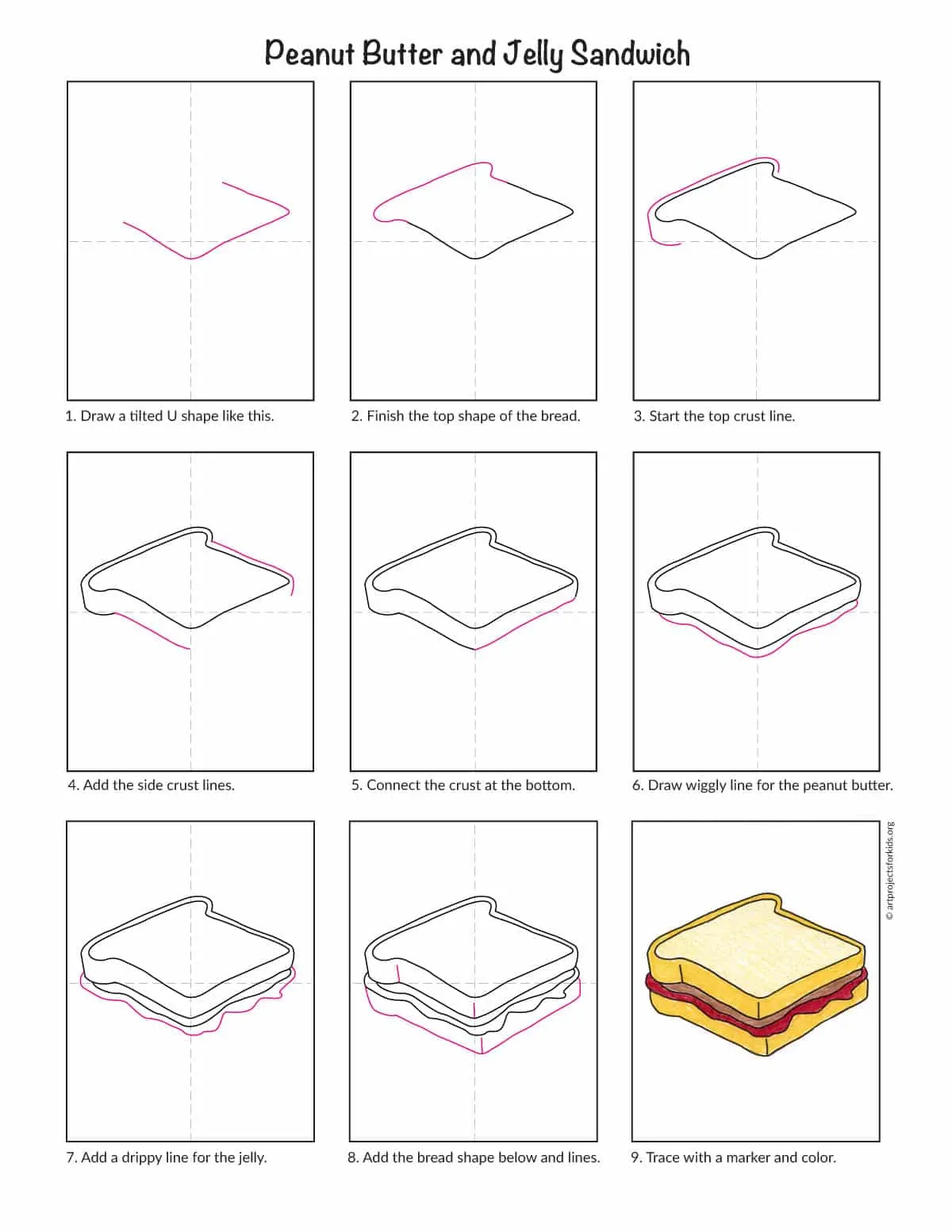
How do you fill a sketchbook?
Short answer
Filling a sketchbook is a process of consistent practice rather than artistic perfection. Begin by setting a small, daily goal, such as sketching for ten minutes. Use various tools, experiment with different subjects, and embrace mistakes as part of the learning journey. The goal is to build a habit of observation.
On this page
How to start a sketchbook for beginners
The most significant barrier to filling a sketchbook is the fear of the "blank page." To overcome this, treat your sketchbook as a private laboratory rather than a portfolio for public display. Start by choosing a size that fits comfortably in your bag, such as an A5 or pocket-sized notebook, which makes it easier to carry and use daily.
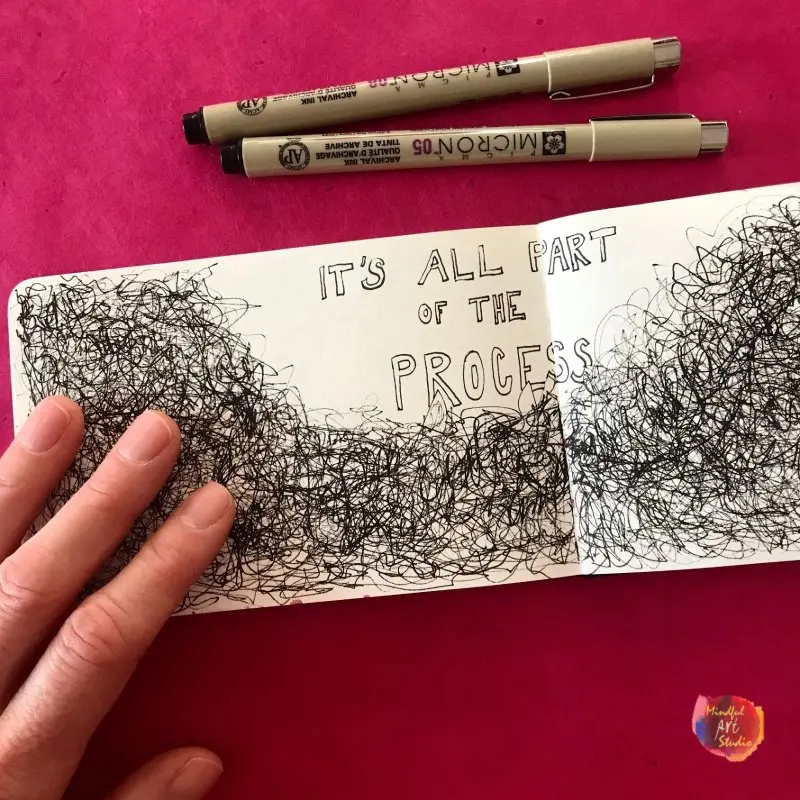
Do not worry about the quality of the first few pages. Many artists find it helpful to "break in" the book by scribbling, testing pens, or writing dates on the first page to lower the pressure of creating a masterpiece. Consistency is far more important than talent when you are first starting out.
- Select a sketchbook with paper weight appropriate for your medium, such as 100gsm for pencils or 200gsm for light watercolor.
- Keep your sketchbook in a dedicated spot, like your bedside table or backpack, so it is always accessible.
- Commit to a low-stakes goal, such as filling one page every two days, to establish a sustainable rhythm.
What to draw in a sketchbook
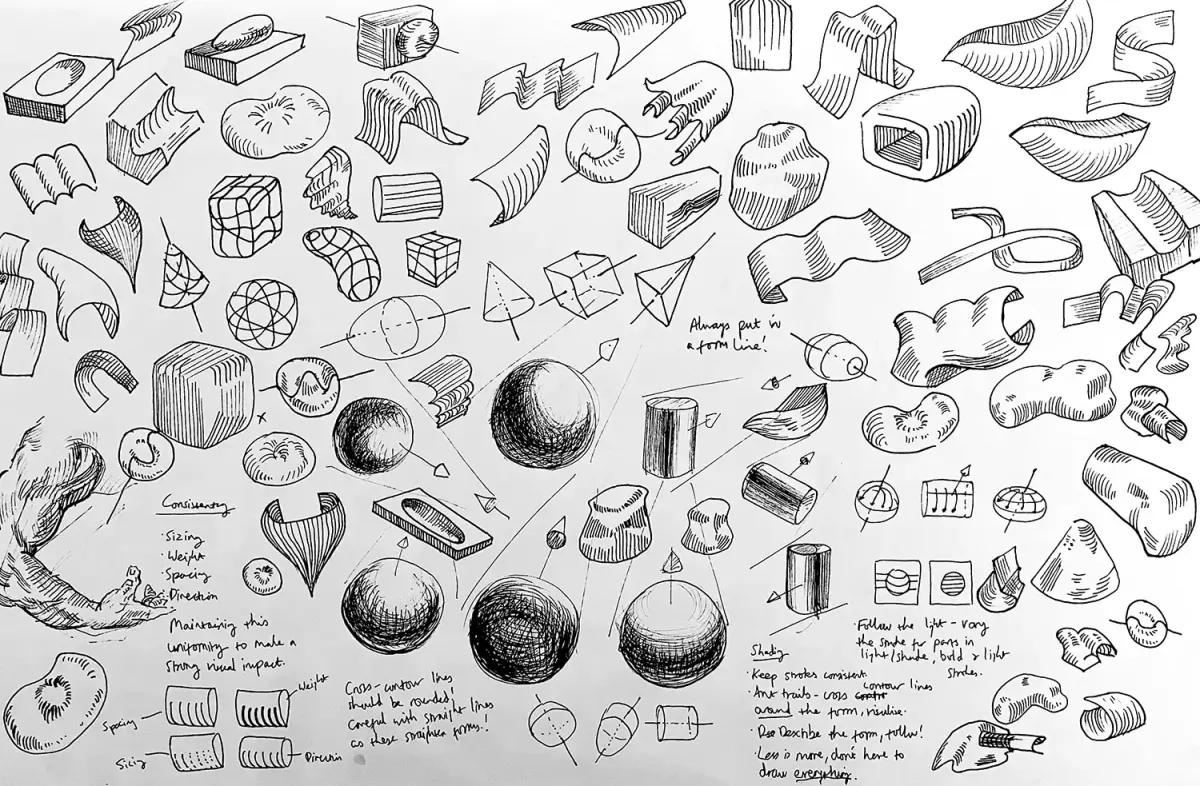
If you struggle with subject matter, look at your immediate environment for inspiration. Everything from the contents of your kitchen pantry to the people sitting across from you on a train serves as a valid subject. Drawing from life helps improve your hand-eye coordination and spatial awareness much faster than copying images from a screen.
If you feel stuck, try thematic challenges or structured exercises to guide your hand. You might dedicate a week to drawing only hands, or perhaps focus on architectural details in your neighborhood. By narrowing your focus, you remove the paralysis of choice and can concentrate entirely on the technical aspects of line, shadow, and perspective.
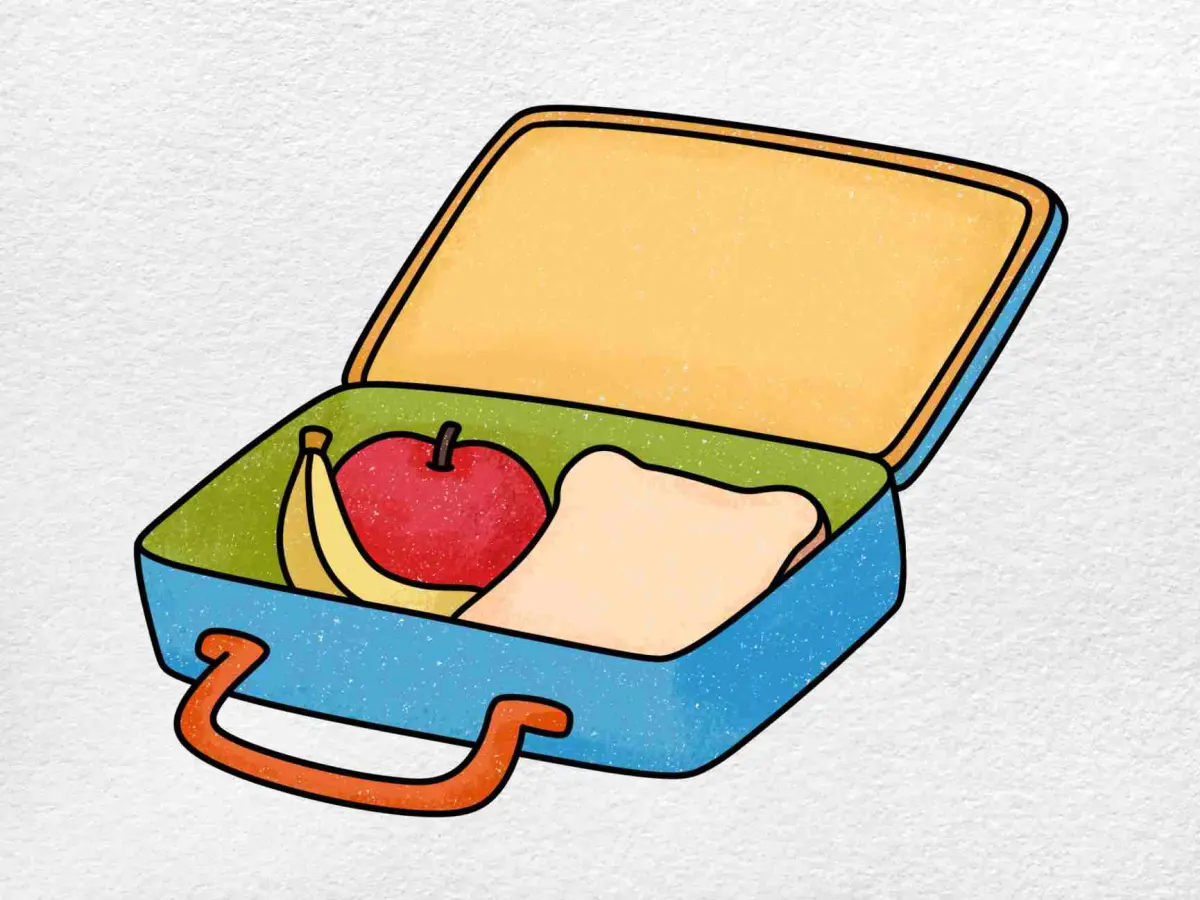
- Draw your breakfast or coffee cup before you start your day.
- Sketch the interior of a room from a corner perspective.
- Practice drawing textures, such as wood grain, fabric folds, or tree bark.
- Document the items in your bag or on your desk to practice composition.
How to make sketching a daily habit
Building a habit requires integrating sketching into your existing routine. Many people find success by pairing sketching with another activity, such as listening to a podcast or sitting in a park during a lunch break. By linking the act of drawing to a time or place you already frequent, you reduce the mental effort required to start.
Track your progress to maintain motivation, but avoid judging your work harshly. You might use a simple calendar to mark an "X" on every day you spend at least five minutes in your sketchbook. This visual representation of your consistency often provides more satisfaction than the individual drawings themselves, encouraging you to keep the momentum going over several months.
Common mistakes when filling a sketchbook
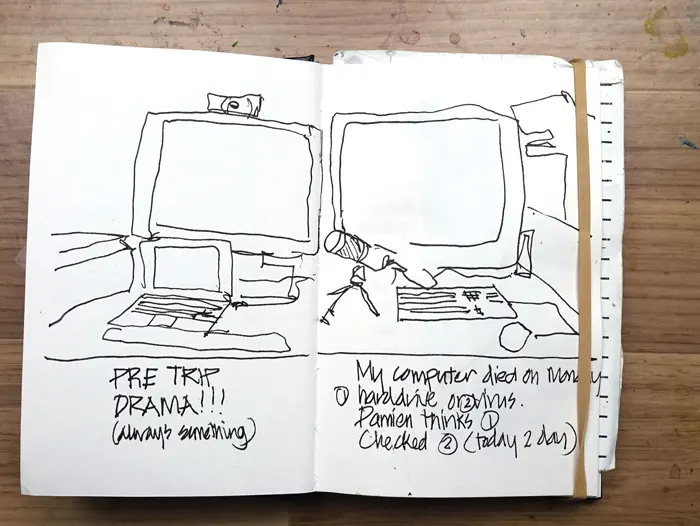
One of the most frequent errors is the "perfectionist trap," where artists avoid drawing because they fear ruining a page. Remember that a sketchbook is a tool for failure; every messy sketch is a lesson in observation or technique. If you dislike a drawing, simply turn the page and move on, or paste a new piece of paper over the mistake.
Another common mistake is using materials that do not suit your style or the paper quality. For example, using heavy alcohol-based markers on thin paper will cause bleeding that ruins the back of the page. Always test your pens and paints on the final pages of your book to see how the paper reacts before committing to a detailed drawing.
- Avoid comparing your early sketches to the polished, social media-ready work of professional illustrators.
- Do not feel obligated to draw chronologically; skip pages if you feel like starting a new section.
- Stop worrying about "wasting" paper; the cost of a sketchbook is negligible compared to the value of the practice you gain.
How to stay motivated to keep drawing
Motivation often wanes after the initial excitement of a new sketchbook fades. To combat this, change your medium or your environment to keep the process fresh. If you have been using graphite pencils for weeks, switch to charcoal, ink pens, or colored pencils to see how different materials change your approach to mark-making and shading.
Finally, look back at your earlier pages periodically to see how far you have come. Seeing your own growth is the most powerful motivator available. When you notice that your lines have become more confident or your proportions more accurate, you will naturally want to fill the remaining pages. Keep your focus on the process of observation, and the sketchbook will fill itself naturally over time.
Key facts
- Choose a sketchbook size that fits your daily carry, such as A5 or pocket-sized, to ensure you actually use it.
- Use a pencil or pen with archival-quality ink to prevent fading or smudging over time.
- Dedicate the first page to a simple "warm-up" drawing or your contact information to reduce the pressure of the blank page.
- Aim for a "one-page-a-day" goal to build a consistent habit, regardless of the quality of the output.
- Mix media by using water-soluble graphite, ink washes, or colored pencils to keep the creative process engaging.
- Date every entry to track your artistic progression and provide historical context for your future self.
The bottom line
Filling a sketchbook is less about artistic perfection and more about building a consistent habit of observation. By choosing a portable format, setting small daily goals, and embracing imperfection, you transform the book into a personal archive of your growth. Remember that every page represents a step forward; the act of drawing regularly is far more valuable than the final aesthetic result of any single entry.
People also ask
What is the best paper weight for a general-purpose sketchbook?
Aim for paper between 80 and 120 grams per square meter (gsm) for sketching with pencils or pens. If you plan to use watercolors or heavy ink markers, look for paper rated at 150 gsm or higher to prevent buckling.
How do I overcome the fear of ruining a nice sketchbook?
Treat the first few pages as "throwaway" space by testing pens or scribbling patterns. By intentionally making the pages messy, you remove the pressure to create a masterpiece on every spread.
Should I organize my sketchbook by subject or just draw randomly?
Both methods are valid, but random entries often lead to more creative connections. If you prefer structure, dedicate specific sections to life drawing, architectural studies, or written notes.
How can I make my sketches look more professional?
Focus on varying your line weight by pressing harder for shadows and lighter for highlights. Consistent practice with basic perspective and anatomical proportions will also significantly improve the visual quality of your work.
Is it better to use a hardbound or spiral-bound sketchbook?
Spiral-bound books lie perfectly flat, making them ideal for drawing across two pages. Hardbound books are more durable and provide a professional, book-like feel for long-term archiving.
What should I do if I run out of ideas?
Draw what is directly in front of you, such as your coffee cup, your shoes, or the view from a window. Observational drawing is the most effective way to fill pages when inspiration is low.
This answer was created with the help of AI research tools and reference sources. Spotted an error? Let us know — we correct mistakes quickly. See our editorial policy.