How do you draw a bento box?
Short answer
Drawing a bento box involves sketching a rectangular container filled with diverse, compartmentalized food items. Start by establishing the box's perspective, then fill the interior with distinct shapes representing rice, proteins, and vegetables. Use overlapping forms and varied textures to create depth, ensuring the final composition looks both organized and appetizing.
On this page
How to sketch the basic bento box shape
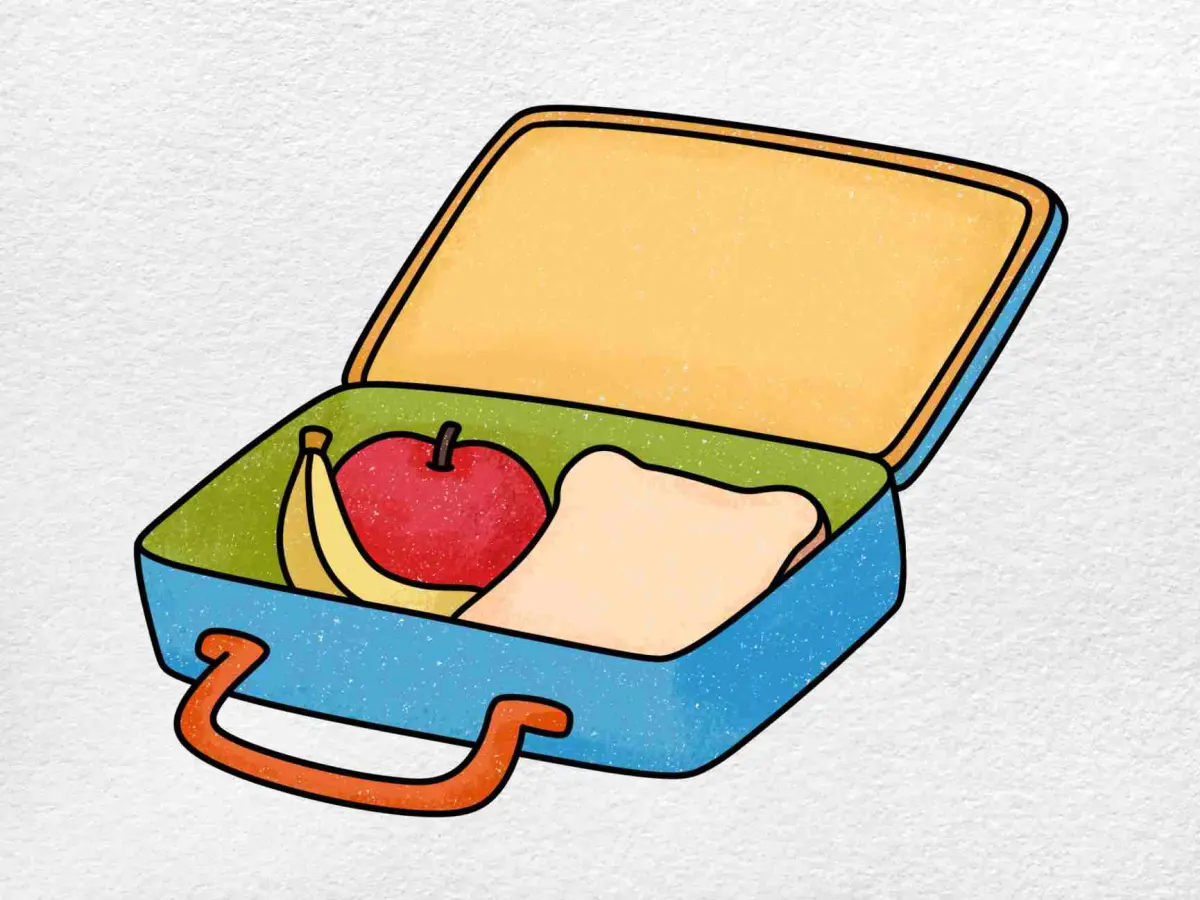
To begin your drawing, establish the container's perspective. Most bento boxes are rectangular or oval, so start by drawing a simple geometric box. If you want a three-dimensional look, draw a slightly skewed rectangle and add thickness to the sides to show the depth of the container. A common technique is to use a light pencil sketch to define the outer boundary before committing to permanent ink lines.
Once the container is established, divide the interior space. Traditional bento boxes often contain dividers or separate small containers for different food groups. You can draw these as simple interior lines that split the box into three or four distinct sections. Keeping the base structure clean and symmetrical will provide a stable foundation for the more complex food items you will add later.
- Draw a light rectangle or oval for the main container body.
- Add a second, slightly offset line to create the thickness of the box walls.
- Use vertical or diagonal lines to partition the interior into smaller compartments.
- Erase overlapping construction lines to ensure the box looks like a single, solid object.
How to add food items to your drawing
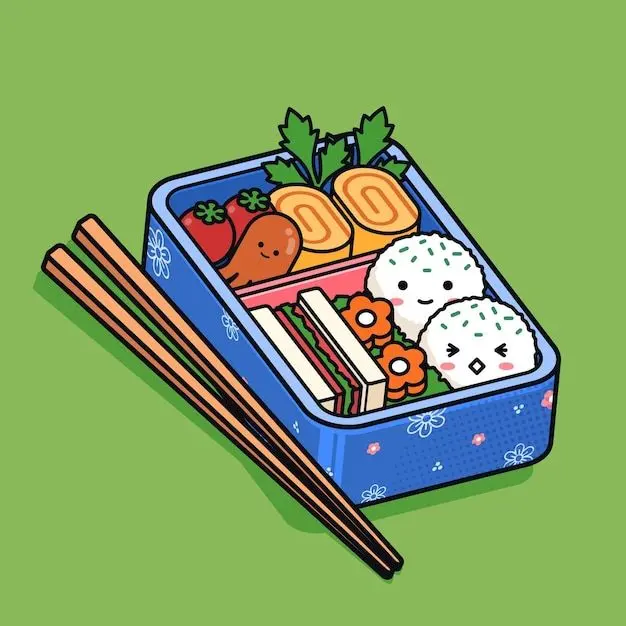
Filling the bento box requires attention to variety and texture. Start by placing a large, rounded shape in one corner to represent a mound of steamed rice. You can add small, repeating dots or short dashes on the rice to suggest individual grains. Next, place a protein, such as a piece of grilled salmon or a tamagoyaki egg roll, in another section. Use rectangular or cylindrical shapes to represent these items, keeping their edges slightly rounded to look organic rather than mechanical.
Vegetables provide essential color and visual interest. Add small, circular shapes for cherry tomatoes, broccoli florets with textured, bumpy edges, or thin, wavy lines for shredded carrots. The key is to make the items look packed tightly together. Since bento boxes are designed to prevent food from shifting, your drawing should show the items touching or slightly overlapping. This density creates a realistic sense of a packed meal.
How to use color and shading effectively
Color is vital for making a bento box drawing look appetizing. Use a vibrant palette: white for rice, bright red for tomatoes, deep green for leafy vegetables, and golden brown for cooked proteins. When coloring, consider the light source. If the light comes from the top left, add a soft shadow on the bottom right of each food item. This simple shading technique gives the food volume and prevents it from looking flat or cartoonish.
For the box itself, choose a color that contrasts with the food. Traditional lacquerware boxes are often black or dark red, which makes the bright colors of the vegetables pop. If you are using colored pencils or markers, use light, circular strokes to build up the color density. Adding a small white highlight on the surface of glossy items, like a piece of glazed chicken or a tomato, will make them appear fresh and appetizing.
Common mistakes when drawing bento boxes
One frequent error is making the food items appear too uniform or perfectly geometric. Real food has natural irregularities; a piece of broccoli is never a perfect sphere, and a slice of egg roll may have slightly uneven edges. Avoid drawing every item as a perfect circle or square. Instead, vary the sizes and shapes to reflect the natural diversity of a real meal. Another mistake is forgetting the scale of the items relative to the box.
If the food items are too large, the box will look cramped and unrealistic. Conversely, if they are too small, the box will appear mostly empty. Always check your proportions by comparing the size of the rice mound to the overall width of the container. Additionally, avoid leaving large, empty gaps between items. A bento box is meant to be packed full, so ensure that your composition feels crowded and abundant rather than sparse.
How to add final details and texture
The final stage of your drawing involves adding small details that bring the meal to life. You might include a pair of chopsticks resting across the top of the box or a small garnish like a sesame seed sprinkle on the rice. These minor elements provide context and scale. Use a fine-liner pen to sharpen the edges of your food items, which helps separate them visually from one another.
Texture is the final touch. Use short, quick strokes to suggest the fibrous nature of cooked meat or the leafy edges of greens. If you have any leftover space, add a small container for soy sauce or a decorative leaf divider. These authentic touches ground the drawing in reality. By focusing on these small, deliberate details, you transform a basic sketch of a container into a vibrant, artistic representation of a traditional Japanese lunch.
Key facts
- A bento box is traditionally rectangular, so start by drawing a simple 3D box shape using parallel lines.
- Use a light pencil to sketch the internal dividers, which typically section the box into three or four compartments.
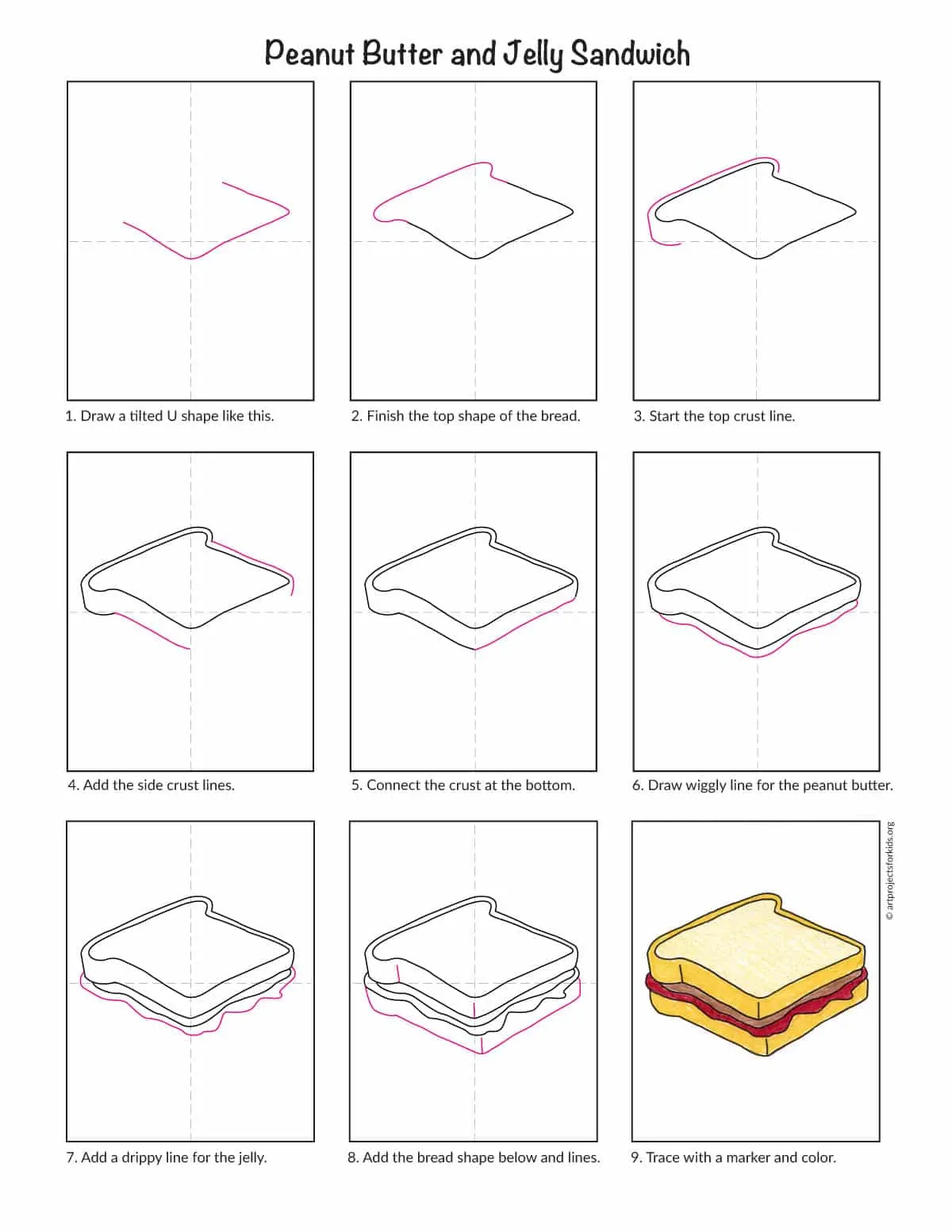
- Focus on drawing distinct shapes for food items, such as circles for cherry tomatoes or oval shapes for rice balls.
- Maintain balance by placing heavier items, like a main protein, in the largest compartment to ground the composition.
- Add texture details like sesame seeds on rice or cross-hatch marks on grilled items to make the food look realistic.
- Use a dark ink liner to trace your final outlines after erasing the initial construction lines to ensure a clean look.
The bottom line
Drawing a bento box is an exercise in composition and shape management. By establishing a structured rectangular frame and filling it with varied, overlapping food forms, you create a visually appealing scene. Remember to prioritize color contrast and texture to bring the illustration to life. With practice, you can master the balance between the rigid container and the organic, colorful nature of the food inside.
People also ask
What is the best perspective to use when drawing a bento?
An isometric or slightly tilted top-down view is best. This allows the viewer to see the arrangement of the food while maintaining the structural integrity of the box container.
Should I color the bento box drawing?
Adding color is highly recommended, as bento aesthetics rely on the contrast between vibrant ingredients. Use bright reds, greens, and yellows to mimic the natural colors of fresh vegetables and proteins.
How do I make the rice look authentic?
Draw the rice as a slightly irregular, rounded mound rather than a perfect sphere. Adding small, subtle dots or light shading can represent the individual grains packed together.
What are common mistakes when drawing bento boxes?
A frequent error is making the food look flat or floating. Ensure that items overlap slightly and touch the bottom of the compartments to create a sense of depth and weight.
How do I draw the lid of the bento box?
You can draw the lid resting beside the box or slightly askew on top. If the lid is on, use light shading to suggest it is made of plastic or wood, depending on the desired style.
Can I include accessories like chopsticks?
Yes, placing a pair of chopsticks across the top of the box adds a sense of scale and cultural context. Draw them as two long, thin rectangles that taper toward the ends.
This answer was created with the help of AI research tools and reference sources. Spotted an error? Let us know — we correct mistakes quickly. See our editorial policy.