What should I put in my sketchbook?
Short answer
A sketchbook serves as a personal laboratory for visual exploration, housing everything from quick observational studies to complex conceptual planning. You should fill your pages with daily life sketches, experimental textures, reference notes, and creative brainstorming. There are no strict rules; the goal is to build a consistent habit of creative documentation.
On this page
How to start a sketchbook for beginners
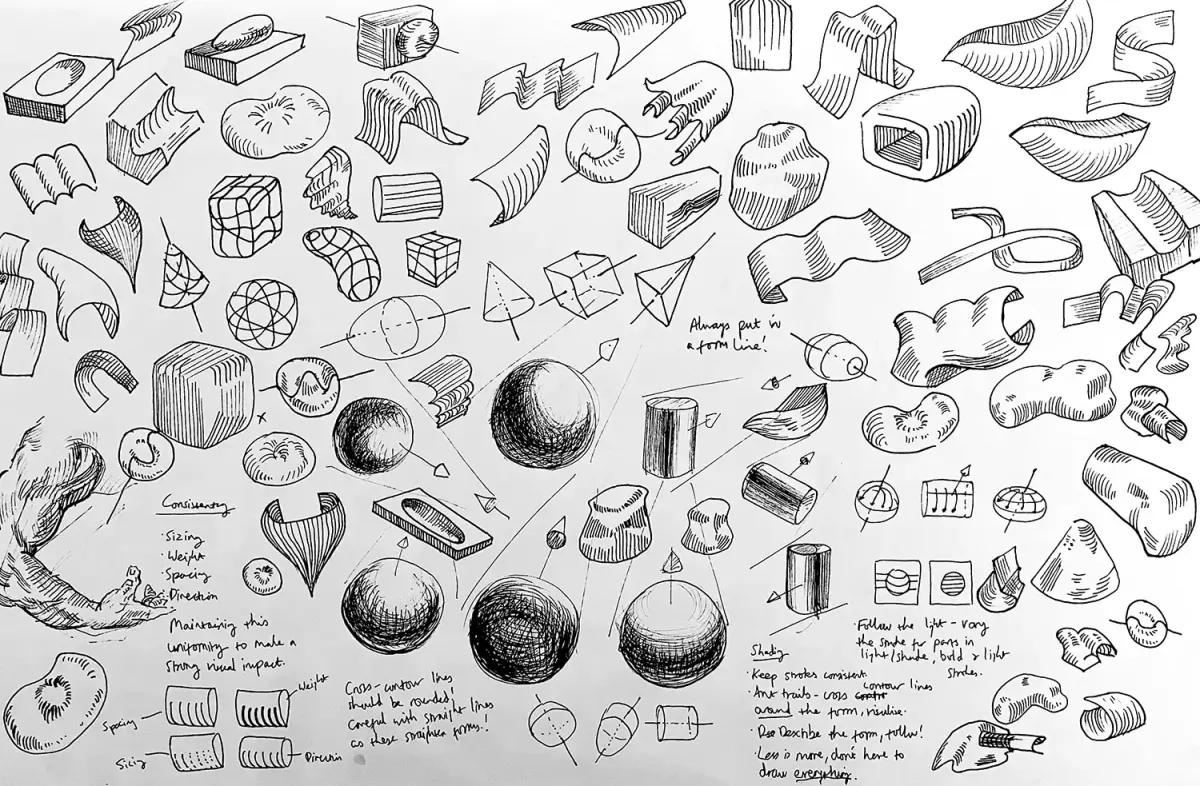
Starting a sketchbook often feels daunting because of the pressure to produce "masterpieces" on every page. To overcome this, treat your book as a low-stakes playground rather than a gallery. Begin by dedicating the first few pages to simple, non-threatening exercises, such as drawing the objects currently on your desk or practicing basic geometric shapes. This removes the intimidation of the blank page and establishes a routine of daily interaction with your materials.
Consistency is far more important than technical perfection during the early stages. Aim to spend just ten minutes per day sketching, regardless of the quality of the output. By lowering the barrier to entry, you ensure that your sketchbook remains a tool for growth rather than a source of anxiety. Over time, these small, frequent entries will form a comprehensive record of your artistic development and personal interests.
What to draw in your sketchbook
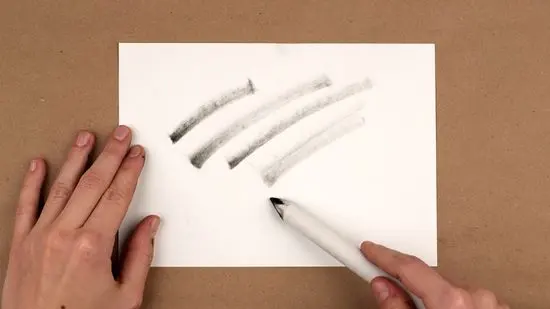
The most effective sketchbooks contain a diverse mix of observational work and imaginative exploration. You should prioritize subjects that genuinely interest you, as this will keep you motivated to return to the page. Consider incorporating a variety of media, such as graphite, ink, watercolor, or collage, to see how different tools interact with your paper.
- Daily observational sketches of people in public spaces or coffee shops.
- Detailed studies of natural forms like leaves, stones, or anatomical structures.
- Conceptual brainstorming for future projects, including mind maps and written lists.
- Experimental color palettes or texture swatches for painting techniques.
- Copies of works by masters, such as Leonardo da Vinci or Egon Schiele, to study their line work.
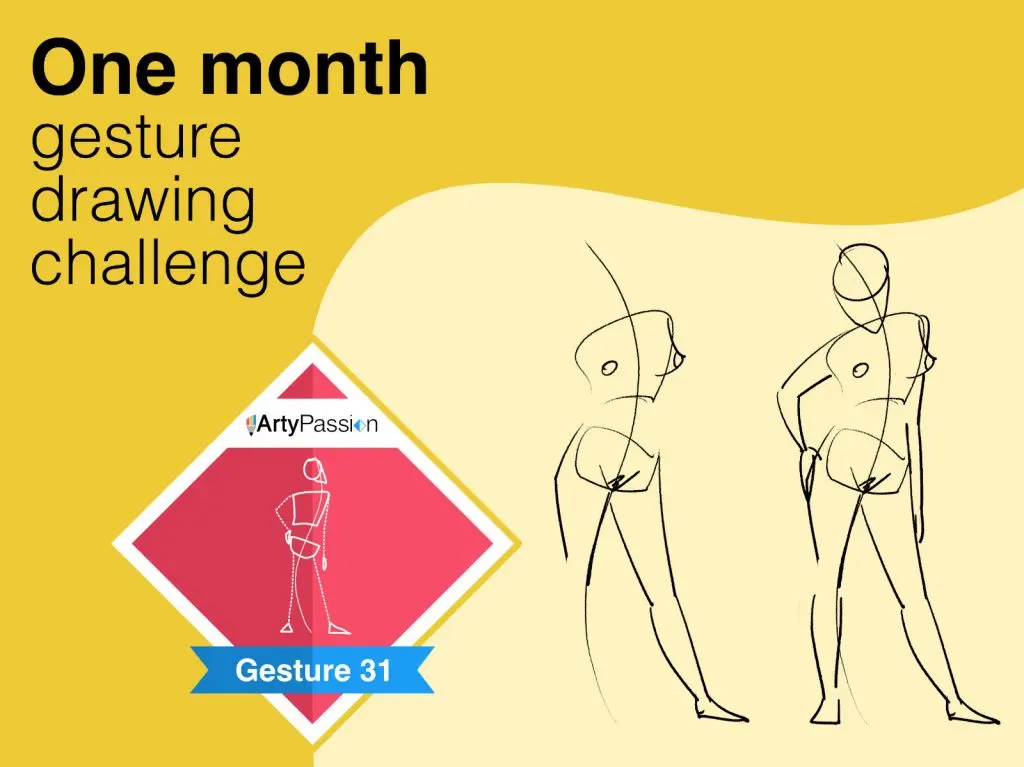
By rotating between these categories, you prevent creative burnout and ensure that your skills remain well-rounded. Do not feel obligated to finish every drawing; sometimes, a rough gesture sketch is more valuable than a polished, time-consuming illustration.
Best materials for a sketchbook
Choosing the right materials depends heavily on your preferred medium and portability needs. For those who enjoy sketching on the go, a pocket-sized A6 or A5 book with a hard cover provides durability and convenience. If you prefer working with wet media like markers or watercolors, look for paper with a weight of at least 140 pounds (300 gsm) to prevent buckling and bleed-through.
- Select a paper weight that matches your primary medium to avoid page damage.
- Test your pens and markers on the back page to check for smearing or ghosting.
- Use a binding style that allows the book to lie flat, such as a spiral or sewn lay-flat binding.
- Keep a small pouch attached to your book containing a pencil, an eraser, and a fine-liner pen.
Investing in a high-quality sketchbook with acid-free, archival paper ensures that your work remains preserved for years. Avoid overly cheap paper, which can disintegrate under moderate erasing or heavy ink application.
Common mistakes when keeping a sketchbook
One of the most frequent errors is the "perfectionist trap," where artists avoid sketching because they fear making a mistake. This mindset often leads to empty books and stagnant progress. Remember that a sketchbook is a private space intended for learning, not a public exhibition. If you make a drawing you dislike, simply turn the page or glue a new piece of paper over it to start fresh.
Another common mistake is failing to date your entries. Adding a date to your work provides a chronological timeline of your progress, which is invaluable for self-reflection. Without dates, it becomes difficult to track how your style, confidence, and technique have evolved over months or years. Additionally, avoid the temptation to compare your sketchbook pages to the curated, highly polished work often seen on social media platforms, as these rarely represent the messy, experimental reality of a working artist.
Why sketchbooks are essential for creativity
A sketchbook acts as a bridge between your internal ideas and the external world. It serves as a visual diary that captures fleeting thoughts, observations, and inspirations that would otherwise be forgotten. When you commit an idea to paper, you move from passive observation to active engagement, which deepens your understanding of perspective, light, and composition.
Beyond technical skill, the sketchbook provides a safe space for failure. Every "bad" drawing is a necessary step toward understanding what does not work, which is just as important as identifying what does. By maintaining this habit, you cultivate a unique visual language that is entirely your own. Whether you are a professional designer or a hobbyist, the act of filling a sketchbook regularly is the single most effective way to sharpen your creative vision and maintain a lifelong passion for artistic discovery.
Key facts
- Dedicate the first page to a simple index or table of contents to track your progress over time.
- Use a 60-pound (90 gsm) paper weight as a minimum to prevent ink bleed-through when using markers or pens.
- Try the "10-minute rule" by setting a timer to sketch a single household object before you start your day.
- Include written notes, dates, and locations next to your drawings to turn the book into a visual diary.
- Carry a pocket-sized A6 sketchbook to ensure you can capture ideas while commuting or waiting in lines.
- Experiment with different media on a single page, such as combining charcoal, ink, and watercolor, to test material compatibility.
The bottom line
A sketchbook is a versatile tool for growth, serving as both a technical training ground and a personal archive of your creative journey. By prioritizing daily practice over polished results, you build the confidence necessary to refine your artistic voice. Use your book to experiment freely, document your surroundings, and capture fleeting ideas, ensuring that your sketchbook remains a living reflection of your evolving perspective.
People also ask
Should I worry about making every page look perfect?
Perfectionism is the primary cause of "blank page syndrome." Treat your sketchbook as a laboratory for trial and error rather than a gallery for finished masterpieces.
How do I overcome the fear of starting the first page?
Make a deliberate, messy mark on the very first page, such as a scribble or a random color swatch. Once the white space is broken, the pressure to maintain a pristine book disappears.
What are the best pens for a beginner?
Fineliners ranging from 0.1mm to 0.8mm are ideal for precision and detail. A simple ballpoint pen is also an excellent tool for learning shading through cross-hatching.
How often should I draw in my sketchbook?
Aim for consistency rather than duration. Drawing for five minutes every day is more effective for developing muscle memory than drawing for three hours once a week.
Is it better to use a hardbound or spiral-bound sketchbook?
Spiral-bound books lie flat, which is convenient for scanning or drawing across a two-page spread. Hardbound books are more durable for travel and provide a professional, archival feel.
Can I use my sketchbook for things other than drawing?
Many artists use sketchbooks for collage, pressed flowers, ticket stubs, or writing down creative prompts. It is your personal space, so feel free to include any visual or written inspiration.
This answer was created with the help of AI research tools and reference sources. Spotted an error? Let us know — we correct mistakes quickly. See our editorial policy.