How do you draw an old woman?
Short answer
Drawing an old woman requires focusing on the structural changes of aging, such as skin elasticity loss, bone prominence, and gravity’s effects. By emphasizing deep wrinkles, sagging tissues, and thinner hair, you can create a realistic portrait. Success relies on observing how light interacts with skin folds and varied facial textures.
On this page
How to structure the face of an older person
The aging process alters the skeletal structure of the face, primarily through the resorption of bone and the loss of subcutaneous fat. As a result, the orbits of the eyes appear larger, the nose may seem to lengthen due to cartilage drooping, and the jawline loses its sharp definition. When beginning your sketch, prioritize these structural shifts rather than immediately focusing on surface wrinkles. Establish the skull shape first, then map out where the skin hangs loosely against the underlying bone.
To capture these changes accurately, follow these foundational steps:
- Sketch a basic oval, then divide it into thirds to place the eyes, nose, and mouth.
- Extend the jawline slightly to account for the sagging skin that often accumulates at the chin.
- Draw the eye sockets deeper than you would for a younger subject, as the eyes tend to recede with age.
- Define the nasolabial folds—the lines running from the nose to the corners of the mouth—as these are primary indicators of maturity.
How to draw realistic wrinkles and skin texture
Wrinkles are not merely random lines; they are topographical maps of a person’s life, formed by repetitive muscle movements and gravity. To draw them effectively, treat them as three-dimensional forms rather than flat scratches on the page. Each wrinkle has a highlight on the upper edge and a shadow on the lower edge, depending on your light source. Avoid drawing every single line you see, as this can make the face look cluttered or unintentionally harsh.
Focus your attention on the areas where skin folds naturally occur. Use varying line weights to suggest depth, pressing harder in the deepest crevices and using lighter, feathered strokes for the surrounding skin. Consider the following techniques to enhance texture:
- Use cross-hatching to build up shadows in the hollows of the cheeks.
- Apply soft blending tools to smooth out the skin between deep folds.
- Incorporate "crow’s feet" near the eyes to add character and movement to the expression.
- Use a kneaded eraser to lift highlights from the bridge of the nose and the cheekbones.
How to capture the eyes and mouth of an older woman
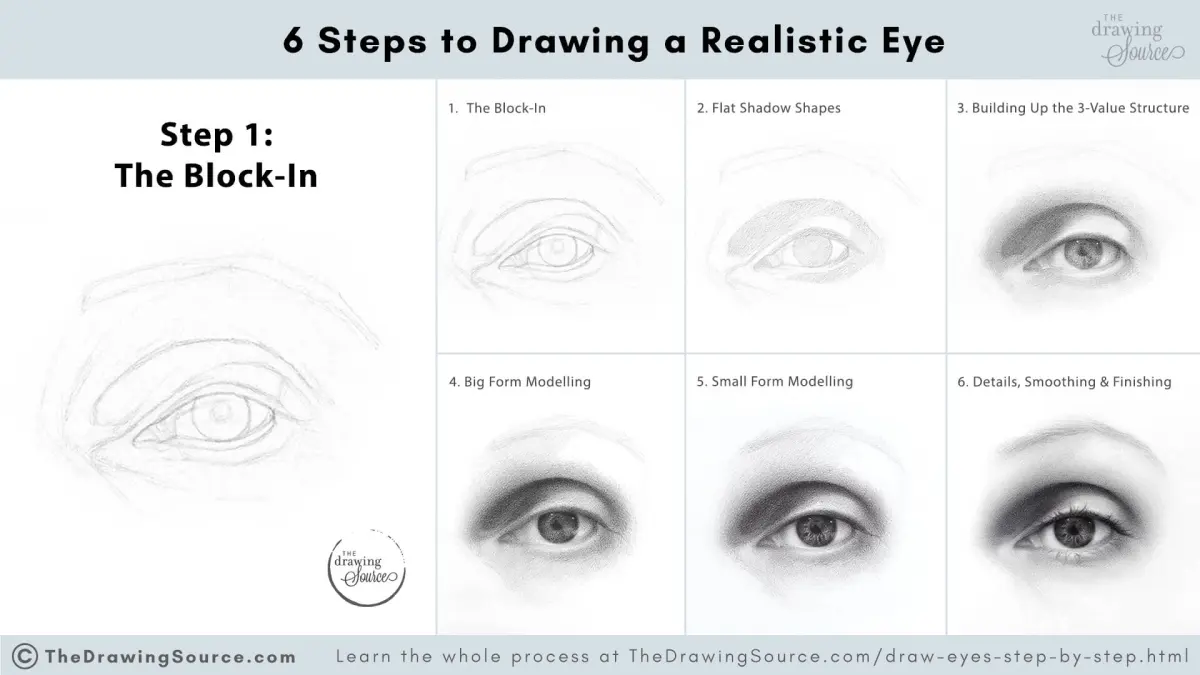
The eyes and mouth undergo significant changes that define the character of an older face. Eyelids often become hooded or droopy, which creates a heavy, tired look. When drawing the eyes, ensure the upper lid overlaps the iris slightly, and emphasize the bags or dark circles that form beneath the lower lash line. These features provide a sense of history and emotional depth to the portrait.
The mouth often appears smaller in older individuals because the lips lose volume and the surrounding skin compresses. As the teeth shift or are lost, the mouth may also appear to sink inward toward the jaw. To draw this accurately:
- Minimize the definition of the lip borders, as they often bleed into the surrounding skin.
- Add vertical lines radiating outward from the lips to suggest the thinning of the skin in that area.
- Observe how the corners of the mouth turn downward, which is a common effect of gravity over several decades.
How to draw thinning hair and natural volume
Hair density decreases with age, and the hairline often recedes or changes shape. Instead of drawing individual strands, focus on the overall volume and shape of the hairstyle. Use loose, directional strokes to suggest the texture of the hair, and leave some areas of the scalp visible if the hair is notably thin. This approach prevents the hair from looking like a heavy, solid helmet, which is a common error for beginners.
When rendering hair, keep these practical tips in mind:
- Use a duller pencil for hair to avoid creating overly sharp, artificial-looking lines.
- Group hair into larger masses or "ribbons" rather than drawing every single hair.
- Add gray tones by using light, scattered shading rather than solid black blocks.
- Highlight the crown of the head to show where light hits the hair, as this creates a more natural, three-dimensional appearance.
Common mistakes when drawing an older subject
A frequent error is the "mask effect," where the artist draws a young face and simply adds lines on top of it. This fails to account for the actual sagging of tissues and the thinning of the skin. Another mistake is making wrinkles too symmetrical, which looks unnatural; human faces are rarely perfectly balanced, and aging often emphasizes these asymmetries. Finally, beginners often use too much contrast, creating deep, black lines that look like scars rather than soft skin folds.
To refine your technique, always step back from your drawing every twenty minutes to look at the overall composition. If the face looks too young, check the distance between the nose and the mouth; as people age, this space often lengthens. If the face looks too harsh, soften your shadows with a blending stump or a soft cloth. By focusing on the subtle interplay of light and shadow rather than just drawing lines, you will create a portrait that feels authentic and deeply human.
Key facts
- Focus on the skeletal structure, as skin loses elasticity and reveals the underlying bone shape more prominently.
- Emphasize deep-set eyes by drawing heavier upper lids and pronounced bags or shadows beneath the lower lids.
- Create realistic wrinkles by following the natural contours of facial muscles, particularly around the corners of the mouth and eyes.
- Use thinner, sparser lines for eyebrows and lips, as these features naturally lose volume and density with age.
- Add texture to the skin using cross-hatching or stippling to represent age spots and thinning, papery skin.
- Draw the neck with more visible tendons and slight sagging to accurately depict the loss of muscle tone.
The bottom line
Drawing an elderly face requires a shift from smooth, idealized forms to a focus on skeletal structure and textural detail. By highlighting the natural loss of volume in the cheeks and lips, and carefully placing wrinkles along muscle contours, you create a portrait that feels authentic. Remember that subtlety is your greatest tool; light, varied lines will always yield a more lifelike result than heavy, uniform marks.
People also ask
How do you make wrinkles look natural rather than messy?
Focus on "expression lines" that follow the muscles, such as the nasolabial folds running from the nose to the mouth. Use light, varied line weights instead of uniform dark lines to keep them from looking like deep scars.
Should I draw every single wrinkle I see?
No, over-detailing can make a face look cluttered or older than intended. Select the most prominent wrinkles that define the person's character and leave the rest to subtle shading.
How does the shape of the face change with age?
Gravity causes the lower face to lose firmness, often creating jowls or a heavier jawline. Conversely, the cheeks may appear hollower as fat pads diminish, making the cheekbones more angular.
What is the best way to draw thinning hair?
Use individual, sparse strokes rather than solid blocks of color. Show more of the scalp through the hair and vary the direction of the strands to suggest a lack of volume.
How do I draw the hands of an elderly person?
Emphasize prominent veins and knuckles by using angular lines. Keep the skin texture loose and slightly oversized around the finger joints to show the reduction in subcutaneous fat.
Why do my drawings of old women look like caricatures?
This usually happens when wrinkles are drawn too dark or too symmetrically. Use soft transitions and avoid harsh outlines to ensure the face retains a realistic, human quality.
This answer was created with the help of AI research tools and reference sources. Spotted an error? Let us know — we correct mistakes quickly. See our editorial policy.