How do you start a sketchbook?
Short answer
Starting a sketchbook involves selecting a portable notebook and committing to regular, low-pressure practice. Begin by choosing paper that suits your preferred medium, whether pencil, ink, or watercolor. Focus on observation rather than perfection, using the book as a private space to experiment, document ideas, and build a consistent creative habit daily.
On this page
How to choose the best sketchbook for beginners
Selecting the right sketchbook is the foundational step in starting your practice. Beginners often feel intimidated by high-quality, expensive paper, which can lead to "blank page syndrome." Instead, look for a sketchbook with a durable binding—either spiral-bound for lay-flat convenience or stitched for longevity. Consider the weight of the paper, measured in grams per square meter (gsm). Standard drawing paper typically ranges from 100 to 130 gsm, which handles graphite and ink well, while watercolorists require paper at 300 gsm or higher to prevent buckling.
Size is equally important for maintaining a consistent habit. A pocket-sized A6 or A5 sketchbook is highly portable, allowing you to carry it everywhere to capture fleeting inspirations. If you prefer working at a desk, a larger A4 size provides more room for expansive gestures. Regardless of the size, ensure the paper is acid-free to prevent yellowing over time. Ultimately, the best sketchbook is one you feel comfortable carrying and using without fear of making mistakes.
How to overcome the fear of the first page
The first page of a new sketchbook is notoriously daunting because it represents a clean slate. Many artists hesitate to make a mark, fearing that an imperfect drawing will ruin the entire book. To bypass this anxiety, treat the first few pages as a testing ground for your materials. Scribble with different pencils, test how markers bleed through the paper, or write down the date and your goals for the book. This process demystifies the surface and transforms the intimidating white space into a familiar workspace.
Another effective strategy is to start in the middle of the book or on a random page. By removing the pressure of the "first" page, you lower the stakes and encourage experimentation. You can also use the initial pages for low-effort tasks, such as:
- Creating a color swatch index of your pens or paints.
- Listing subjects you want to draw in the future.
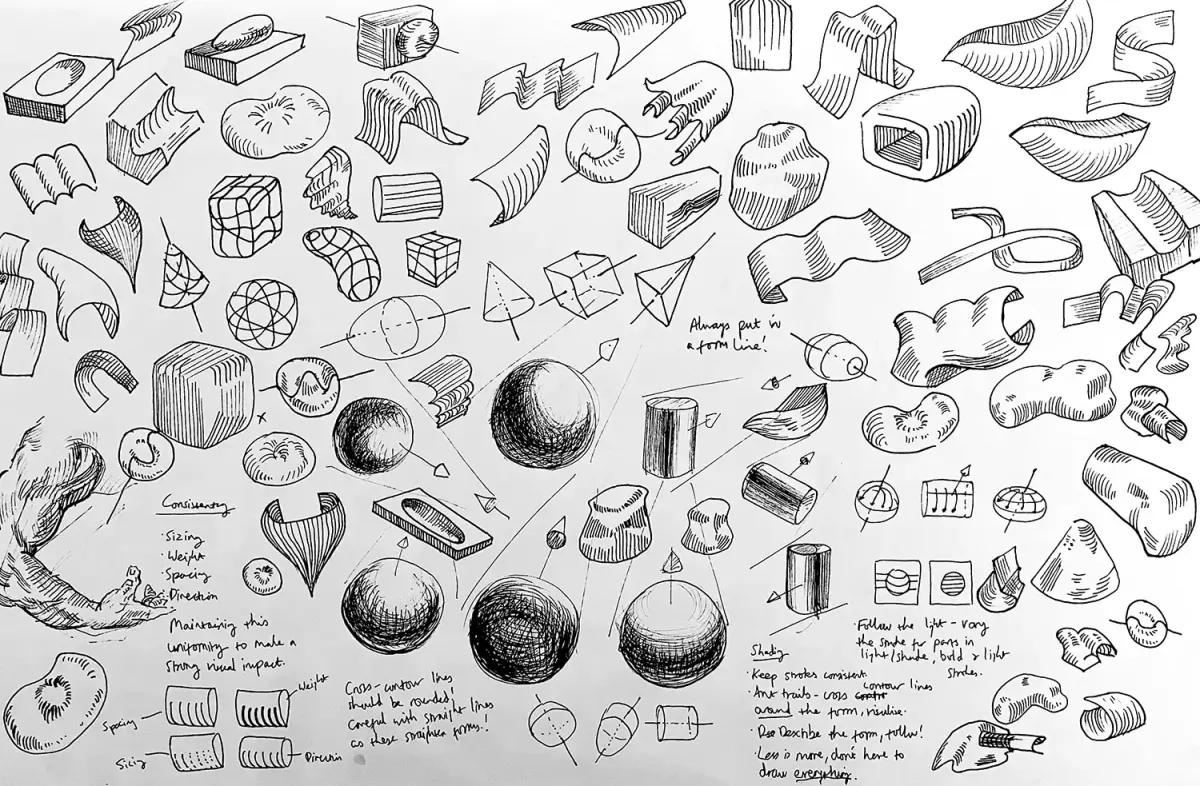
- Practicing simple geometric shapes or shading techniques.
- Pasting in a small found object or a piece of ephemera.
How to build a consistent drawing habit
Consistency is the primary driver of artistic improvement, far outweighing the need for innate talent. Aim to set aside a specific time each day, even if it is only for ten minutes. By integrating sketching into your existing routine—such as during a morning coffee or a lunch break—you reduce the mental friction required to start. Use a timer to keep sessions brief, which prevents burnout and keeps the activity feeling like a refreshing break rather than a chore.
If you struggle to find inspiration, try these structured approaches to keep your momentum going:
- Draw objects from your immediate environment, such as a coffee mug or a houseplant.
- Dedicate one week to drawing only hands or eyes to improve specific technical skills.
- Use a "blind contour" method, where you draw an object without looking down at the paper.
- Set a theme for the week, such as "shadows" or "textures," and find examples in your daily life.
Common mistakes when starting a sketchbook
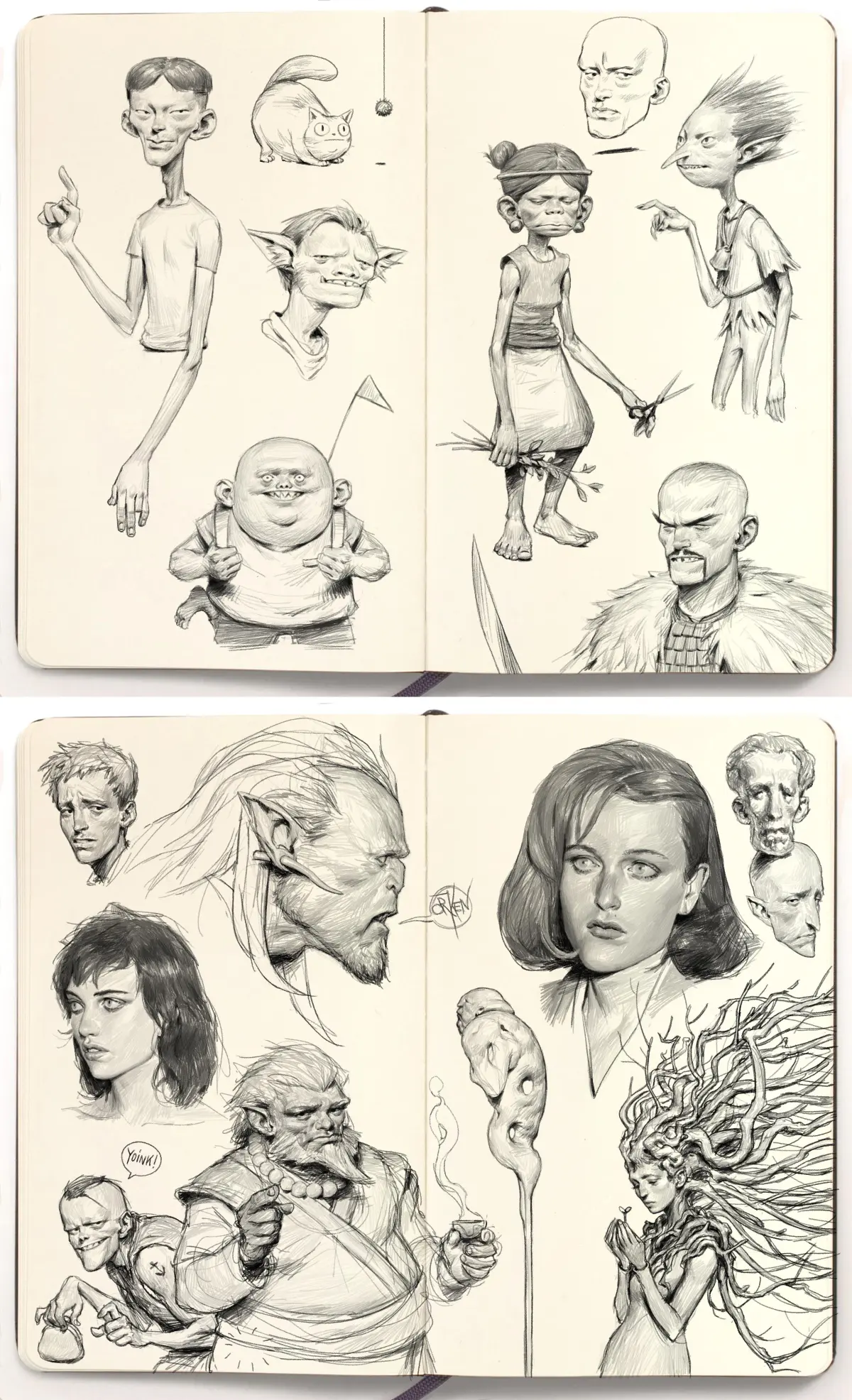
One of the most frequent errors is the pursuit of perfection. Many beginners treat their sketchbooks as portfolios for finished masterpieces rather than as laboratories for growth. This mindset leads to frustration when a drawing does not meet high expectations. Remember that a sketchbook is a private record of your development; it is meant to contain failed attempts, messy sketches, and unfinished ideas. If you find yourself obsessing over a single page, turn the leaf and start something new immediately.
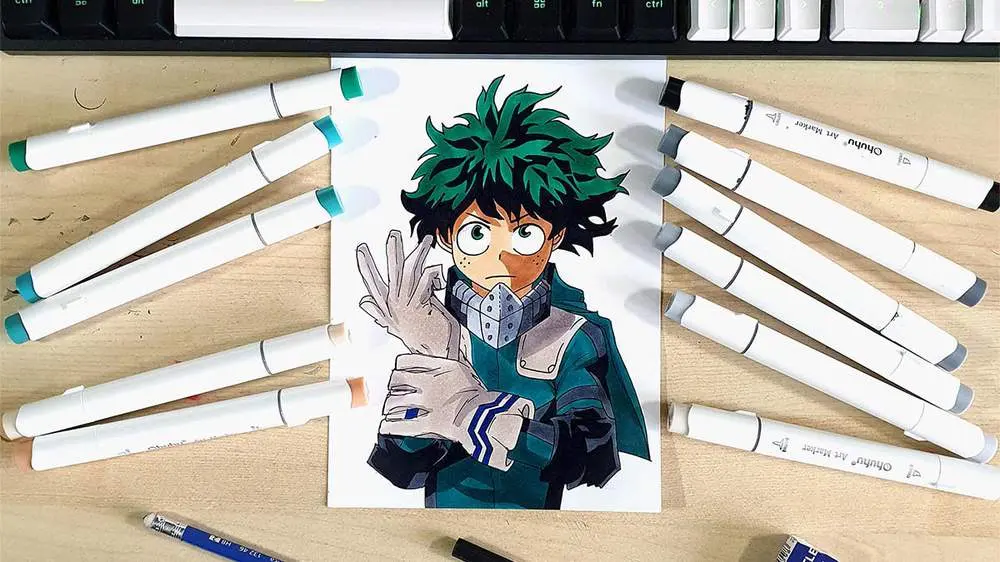
Another common mistake is purchasing materials that do not match your goals. For example, using alcohol-based markers on thin, low-quality paper will result in bleeding that ruins the reverse side of the page. Similarly, trying to use watercolors on standard copy paper will cause the fibers to pill and tear. Always research the compatibility of your tools with your paper type before committing to a specific brand. By matching your supplies to your intended techniques, you ensure a smoother and more enjoyable creative process.
Why sketchbooks are essential for artistic growth
A sketchbook serves as a visual diary that documents your progress over months and years. By keeping your work in one place, you can look back and observe how your line quality, perspective, and observational skills have evolved. This retrospective view is vital for identifying your unique style and recurring interests. When you see your growth in a tangible format, it provides the psychological reinforcement necessary to continue practicing, even when you feel stuck or uninspired.
Beyond technical skill, a sketchbook functions as a repository for ideas that might otherwise be forgotten. Whether it is a quick sketch of a building, a color palette observed in nature, or a stray thought, your sketchbook preserves these observations for future projects. It acts as a bridge between your imagination and the physical world, allowing you to refine concepts before committing them to a larger, more permanent canvas. By maintaining this practice, you transform your sketchbook into an invaluable archive of your life and your creative journey.
Key facts
- Choose a sketchbook with paper weight between 80 and 120 grams per square meter to prevent ink bleeding.
- Start by drawing something low-stakes, such as a simple household object or a geometric shape, to overcome "blank page syndrome."
- Number your pages and create an index at the front to help you track your progress and locate specific sketches later.
- Use a pencil or pen that you find comfortable, as the tactile experience is essential for building a consistent daily habit.
- Date every entry to provide a chronological record of your artistic growth over weeks, months, or years.
- Keep your sketchbook in a dedicated bag or case to ensure it remains accessible for spontaneous drawing sessions.
The bottom line
Starting a sketchbook is less about creating a masterpiece and more about establishing a consistent habit of observation. By selecting comfortable materials, setting low expectations for your initial entries, and dating your work, you transform the book into a valuable record of your artistic evolution. Focus on the process of drawing rather than the final result to maintain your motivation and creative momentum over time.
People also ask
Should I use a hardbound or spiral-bound sketchbook?
Hardbound books offer durability and a professional aesthetic, while spiral-bound books allow the pages to lay completely flat. Choose spiral-bound if you prefer working across two-page spreads or need to fold the book back on itself.
How often should I draw in my sketchbook?
Aim for a consistent schedule, even if it is only five minutes a day. Frequent, short sessions are more effective for developing muscle memory than infrequent, hours-long marathons.
Can I use both sides of the paper?
Yes, though you should test your pens first to ensure they do not bleed through. If you use heavy markers or watercolors, you may prefer to glue two pages together or skip every other page.
What if I make a mistake on a page?
Treat mistakes as part of the learning process rather than failures. You can cover them with collage, paint over them, or simply turn the page and continue without dwelling on the error.
Is it better to draw from life or from photographs?
Drawing from life helps you understand three-dimensional form, lighting, and perspective more accurately than photographs. Use photographs for reference when you cannot access a subject, but prioritize direct observation to improve your skills.
Should I organize my sketchbook by theme?
While some artists prefer thematic journals, many find that mixing subjects keeps the process spontaneous. Do not feel pressured to categorize your work unless it helps you achieve a specific creative goal.
This answer was created with the help of AI research tools and reference sources. Spotted an error? Let us know — we correct mistakes quickly. See our editorial policy.