How do you stay motivated to draw?
Short answer
Staying motivated to draw requires shifting your focus from producing perfect final products to enjoying the process of creation. By setting small, manageable goals, establishing a consistent routine, and embracing imperfection, you can overcome creative blocks. Consistency, rather than sporadic bursts of intense inspiration, is the key to long-term artistic growth.
On this page
How to build a consistent drawing habit
Consistency is the most effective tool for maintaining motivation because it removes the pressure to feel "inspired" before picking up a pencil. When you treat drawing as a daily ritual rather than an occasional event, your brain begins to view the activity as a standard part of your life. Start by committing to a very small amount of time, such as 10 or 15 minutes, to ensure the task feels achievable even on your busiest days.
To solidify this habit, try integrating drawing into your existing daily schedule. For example, sketch during your morning coffee or right before bed. By anchoring the practice to a stable event, you reduce the mental friction required to start. Remember that the goal is not to produce a masterpiece every session, but simply to keep the connection between your hand and the paper active.
- Pick a specific time of day for your practice.
- Keep your sketchbook and pens in a visible, accessible location.
- Start with a timer to prevent the task from feeling overwhelming.
- Focus on volume and frequency rather than the quality of individual drawings.
Why creative burnout happens
Creative burnout often stems from setting unrealistic expectations or comparing your early work to the finished portfolios of seasoned professionals. When you demand perfection from every sketch, you introduce anxiety that stifles your desire to create. This phenomenon, sometimes called "analysis paralysis," occurs when the gap between your taste and your current skill level feels too wide to bridge, leading to frustration and avoidance.
Another common cause is the lack of variety in your practice. If you only draw one specific subject, such as eyes or cars, you may eventually feel bored or restricted. Diversifying your subject matter keeps your brain engaged and allows you to learn new techniques while keeping the process fresh. If you feel your motivation waning, it is often a sign that you need to shift your focus toward exploration and play rather than rigorous technical study.
Common mistakes when trying to stay motivated
One of the most frequent errors artists make is waiting for motivation to strike before beginning a drawing. Motivation is often a result of action, not a prerequisite for it; by simply drawing a few lines, you often find that the desire to continue grows naturally. Another mistake is the "all-or-nothing" mentality, where you believe that if you cannot spend two hours drawing, it is not worth spending ten minutes. This mindset leads to long periods of inactivity that make it harder to return to the page.
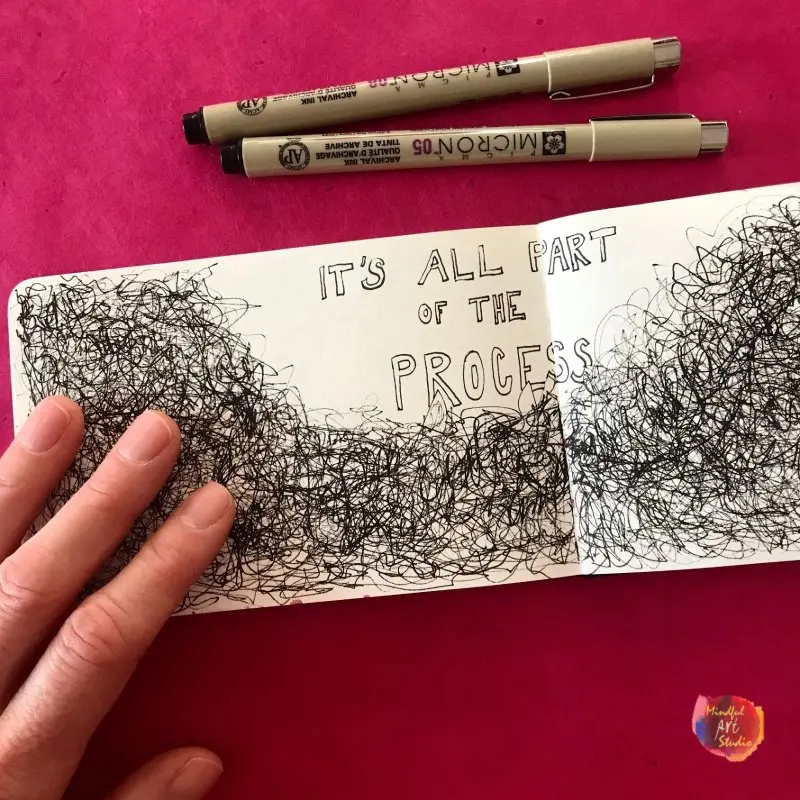
Additionally, many beginners fall into the trap of focusing solely on the end result. When you judge your worth as an artist based on whether a drawing looks "good" or "bad," you ignore the valuable lessons learned during the process. Focusing on the outcome creates a feedback loop of disappointment. Instead, try to evaluate your sessions based on whether you learned something new or simply enjoyed the act of mark-making.
- Avoid comparing your sketches to finished, edited professional works.
- Do not discard "bad" drawings, as they provide evidence of your progress.
- Stop seeking external validation on social media as your primary source of motivation.
- Avoid over-complicating your setup; keep your tools simple to minimize preparation time.
How to find inspiration for daily drawing
Inspiration is rarely a lightning bolt of genius; it is usually the result of active observation. To keep your motivation high, train yourself to look at the world as an artist. Carry a pocket-sized sketchbook and draw the mundane objects around you, such as your keys, a plant, or a coffee mug. This practice of "observational drawing" turns the world into a constant source of material, ensuring you never run out of things to capture on paper.
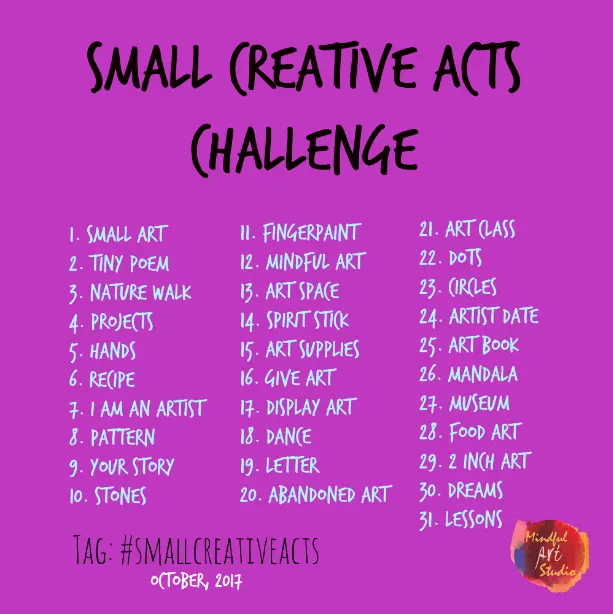
If you find yourself stuck, use structured prompts to guide your efforts. Many artists use monthly challenges or themed lists to provide a clear direction for their work. Engaging with the work of other artists through books, museum visits, or online galleries can also reignite your passion. By analyzing how others solve visual problems, you can gain new ideas and techniques that you can incorporate into your own practice, turning the act of consuming art into a productive exercise.
Best ways to track artistic progress
Tracking your progress is essential for maintaining long-term motivation because it provides concrete evidence of your improvement. When you look back at work from three or six months ago, you will often notice subtle improvements in your line quality, perspective, or shading that you missed in the moment. Keep all your sketches in dated notebooks or folders so you can physically see the accumulation of your effort over time.
You might also consider keeping a simple log of your drawing sessions. Recording the date, the subject, and one thing you learned can help you feel a sense of accomplishment. Seeing a streak of dates on a calendar can be a powerful psychological motivator, encouraging you to keep the chain going. Ultimately, your motivation will be most sustainable when you recognize that every drawing, regardless of its quality, is a necessary step in your ongoing journey as an artist.
Key facts
- Set a timer for 15 minutes of daily practice to build a sustainable habit without the pressure of completing a masterpiece.
- Use the 70/30 rule: spend 70 percent of your time on fun, low-stakes sketching and 30 percent on challenging technical studies.
- Keep a dedicated sketchbook to track progress, as seeing visual evidence of improvement over months is a powerful psychological motivator.
- Avoid the "blank page syndrome" by preparing your workspace with materials ready to use, reducing the friction required to start.
- Join online communities like Sketchdaily or Inktober to participate in structured challenges that provide external accountability and prompts.
- Limit your tools to one pen and one pad for a week to focus on mark-making rather than being overwhelmed by complex digital or physical supplies.
The bottom line
Maintaining motivation to draw requires shifting your mindset from outcome-oriented perfectionism to process-oriented consistency. By breaking large goals into small, manageable daily habits and focusing on the joy of observation, you can bypass the frustration that often leads to quitting. Remember that artistic progress is a marathon, not a sprint; celebrate your incremental improvements and keep your tools accessible to ensure that drawing remains a rewarding practice.
People also ask
How do I overcome the fear of making a bad drawing?
Accept that every artist creates thousands of poor drawings to reach professional standards. View mistakes as essential data points that teach you what to adjust for your next attempt.
Should I draw every single day to improve?
Consistency is more important than duration, but daily practice helps build muscle memory faster. Aim for frequent, short sessions rather than one long, exhausting session that leads to burnout.
How can I find inspiration when I feel stuck?
Look at the work of masters like Leonardo da Vinci or contemporary illustrators to analyze their techniques. Alternatively, draw objects in your immediate environment to practice observation skills without needing complex concepts.
Is it better to draw from imagination or reference?
Beginners should prioritize drawing from life or high-quality references to build a mental library of shapes and lighting. Imagination relies on the visual data you have collected through disciplined observation.
How do I stop comparing my work to others on social media?
Remember that social media feeds are curated highlight reels that exclude the years of struggle behind a single image. Focus on your own growth trajectory rather than the relative skill level of strangers.
What is the best way to handle creative burnout?
Take a planned break for a few days to engage in other hobbies or rest your eyes. Returning to the page after a short hiatus often provides a fresh perspective and renewed enthusiasm.
This answer was created with the help of AI research tools and reference sources. Spotted an error? Let us know — we correct mistakes quickly. See our editorial policy.