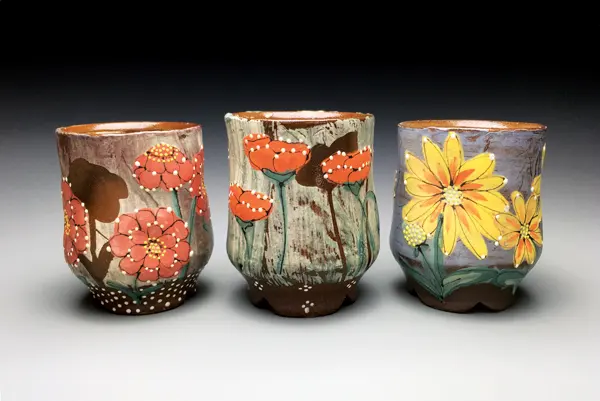
What is raku pottery?
Short answer
Raku is a specialized Japanese pottery technique characterized by rapid firing and immediate post-firing reduction. Potters remove glowing, red-hot vessels from a kiln and place them into containers filled with combustible materials. This process creates unpredictable, dramatic surface effects, including metallic lusters, crackled glazes, and blackened, unglazed clay bodies.
On this page
What is the history of raku pottery?
The origins of raku date back to the 16th-century Momoyama period in Japan. It was developed by the potter Chōjirō, working under the guidance of the tea master Sen no Rikyū. They sought to create simple, hand-built tea bowls that embodied the aesthetic of wabi-sabi, which emphasizes the beauty of imperfection and the natural cycle of growth and decay. These early bowls were fired in small kilns and removed while still hot, a departure from the traditional, slow-cooling methods used for mass-produced ceramics.
In the 20th century, the American potter Paul Soldner adapted this traditional process for Western audiences. He introduced the "American Raku" style, which incorporates post-firing reduction—placing hot pots into containers of sawdust or leaves to starve them of oxygen. This innovation transformed raku from a meditative, controlled craft into a dynamic, experimental art form. Today, the practice remains popular among studio potters who value the spontaneity and unique chemical reactions that occur during the rapid cooling phase.
How does the raku firing process work?
The raku process is significantly faster than traditional ceramic firing, often taking only a few hours. Once the glaze matures at temperatures typically between 1,650°F and 1,850°F (900°C to 1,010°C), the potter uses long, specialized metal tongs to extract the glowing piece from the kiln. The sudden thermal shock causes the glaze to crack, creating the signature "crackle" pattern associated with the style.
- Load the kiln with bisque-fired pottery coated in specialized raku glazes.
- Heat the kiln rapidly until the glaze reaches a molten, glossy state.
- Remove the red-hot pieces using heavy-duty, long-handled steel tongs.
- Place the pieces immediately into a metal container filled with combustible materials like sawdust, newspaper, or straw.
- Cover the container to create a smoke-filled, oxygen-starved environment.
- Remove the pottery once cooled and scrub away the carbon deposits to reveal the final finish.
What materials are needed for raku?
Because raku involves extreme thermal shock, the clay body must be highly resistant to breakage. Potters typically use clay mixed with a high percentage of grog, sand, or kyanite. These additives provide structural integrity, allowing the vessel to expand and contract rapidly without shattering. Standard earthenware or stoneware bodies often fail under these conditions, so specialized "raku clay" is the industry standard for both beginners and professionals.
Glazes for raku are equally specific, formulated to melt at lower temperatures than those used for high-fire stoneware. They often contain high amounts of metallic oxides, such as copper, cobalt, or iron, which react aggressively to the reduction process. These oxides produce the characteristic iridescent, metallic, and matte surfaces that define the aesthetic. When selecting materials, consider the following essentials:
- High-grog clay bodies to prevent thermal shock failure.
- Low-fire glazes designed specifically for rapid thermal cycling.
- Heavy-duty, heat-resistant safety gear, including leather aprons and face shields.
- Long-handled steel tongs for safe handling of glowing pottery.
- A metal trash can or lidded container for the reduction process.
How to avoid common mistakes in raku
The most common mistake beginners make is failing to account for the extreme heat involved in the process. Working with red-hot ceramics requires constant vigilance and a clear workspace. Always ensure that your reduction container is placed on a non-flammable surface, such as concrete or gravel, as the combustible materials will ignite immediately upon contact with the hot pottery. Never attempt to handle raku pieces without professional-grade, heat-resistant leather gloves and proper eye protection.
Another frequent error is "over-reducing" the piece, which can result in muddy, dull colors rather than vibrant lusters. If the piece remains in the reduction chamber for too long, the smoke may completely overwhelm the glaze colors, leaving the surface looking like charred, flat black charcoal. Conversely, removing the piece too quickly from the kiln before the glaze has fully matured will result in an under-fired, dull, and potentially unstable surface. Mastering the timing of the extraction and the duration of the reduction phase is the primary challenge for any potter.
Why is raku pottery not food safe?
It is a critical safety fact that traditional raku pottery is generally not suitable for holding food or liquids. The rapid cooling process and the presence of heavy metal oxides in the glazes create a porous, unstable surface. Furthermore, the reduction process leaves carbon trapped within the glaze cracks, which can harbor bacteria over time. Because the glaze is not fully vitrified—meaning it has not fused into a solid, glass-like state—it can leach chemicals if it comes into contact with acidic foods or beverages.
If you intend to use raku for functional purposes, you must ensure the piece is clearly marked as decorative. Many potters choose to glaze only the exterior of the vessel, leaving the interior unglazed or applying a clear, food-safe liner glaze. However, even with these precautions, the structural integrity of a raku-fired vessel is significantly lower than that of high-fire stoneware or porcelain. Always treat your raku collection as fine art intended for display rather than as functional kitchenware, ensuring the longevity of the pieces and the safety of your home environment.
Key facts
- Raku originated in 16th-century Japan, specifically associated with the tea ceremony and the Sen no Rikyu tradition.
- The process involves removing pottery from the kiln while it is still glowing red-hot, usually at temperatures around 1,800°F (980°C).
- Traditional Japanese raku is hand-built rather than wheel-thrown, emphasizing a rustic, organic aesthetic known as wabi-sabi.
- Western-style raku, popularized by Paul Soldner in the 1960s, introduces post-firing reduction in containers filled with combustible materials like sawdust.
- Thermal shock is a fundamental element of the process, causing the characteristic crackle patterns in the glaze.
- Raku ware is porous and fragile, making it unsuitable for holding liquids or serving food, unlike functional stoneware or porcelain.
The bottom line
Raku pottery is a distinctive ceramic technique defined by its rapid firing process and dramatic, unpredictable results. Whether following the meditative Japanese tradition or the experimental Western method, the practice relies on thermal shock to create unique textures and metallic finishes. While these pieces are prized for their aesthetic beauty and organic character, their porous nature ensures they remain decorative objects rather than functional kitchenware.
People also ask
Is raku pottery food safe?
No, raku pottery is generally not considered food safe. The firing process leaves the clay body porous and the glazes often contain heavy metals that can leach into food or liquids.
Why does raku pottery crack?
The cracks, known as "crackle" or "crazing," are intentional results of rapid cooling. When the hot piece is moved to a cooler environment, the glaze contracts faster than the clay body, creating a network of fine lines.
What is the difference between Western and Japanese raku?
Japanese raku is fired slowly and cooled naturally, resulting in a more subtle, refined finish. Western raku involves rapid, dramatic cooling and post-firing reduction, which creates metallic lusters and carbon-blackened clay surfaces.
Can I make raku pottery in a standard electric kiln?
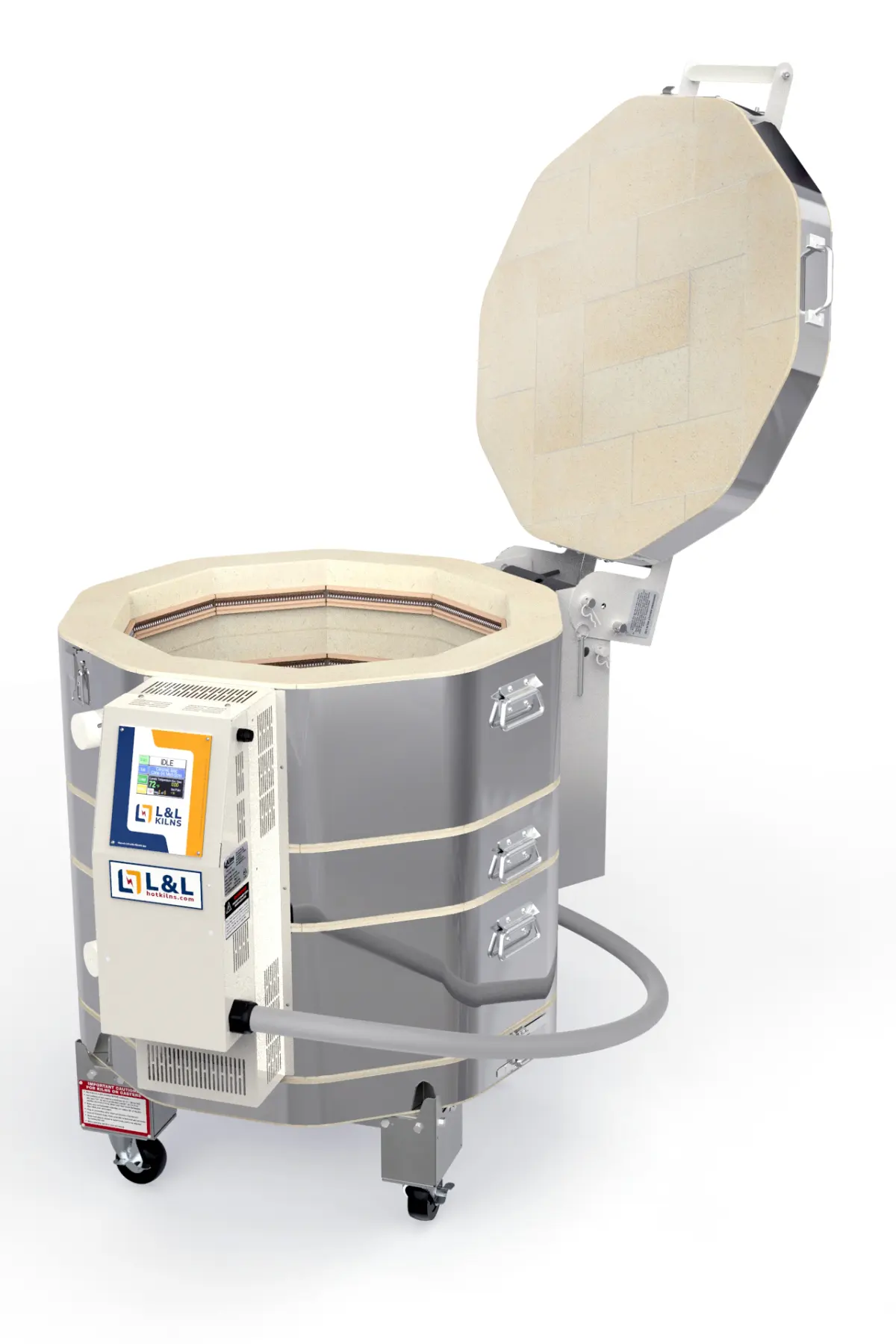
You can use an electric kiln to reach the necessary temperatures, but you must be able to remove the pieces quickly while they are red-hot. Because of the intense heat and smoke, this process is almost always performed outdoors.
What materials do I need for post-firing reduction?
You need a metal container with a tight-fitting lid, heat-resistant tongs, and combustible materials like sawdust, dried leaves, or newspaper. These materials ignite upon contact with the hot pot, consuming oxygen and creating unique color shifts.
How do I avoid common mistakes during the raku process?
The most common mistake is failing to use proper safety gear, such as heat-resistant gloves and face shields. Additionally, avoid using clay bodies that cannot withstand extreme thermal shock, as they will shatter during the rapid cooling phase.
This answer was created with the help of AI research tools and reference sources. Spotted an error? Let us know — we correct mistakes quickly. See our editorial policy.