What are the best pottery tools for beginners?
Short answer
Beginners should prioritize a basic pottery tool kit containing a wire clay cutter, wooden rib, needle tool, loop tool, sponge, and a metal scraper. These essential implements allow you to cut, shape, trim, and smooth clay effectively. Investing in a quality starter set provides the foundational versatility needed for most hand-building and wheel-throwing projects.
On this page
Best pottery tools for beginners
Starting your pottery journey requires a modest investment in specialized equipment designed to manipulate clay at different stages of dryness. A standard starter kit typically includes six to eight essential items that serve as the foundation for your studio practice. You do not need expensive professional-grade gear initially; reliable stainless steel or hardwood tools will suffice for learning the basics of form and texture.
The most critical tools for a novice include:
- Wire clay cutter: Used for slicing blocks of clay from a larger bag.
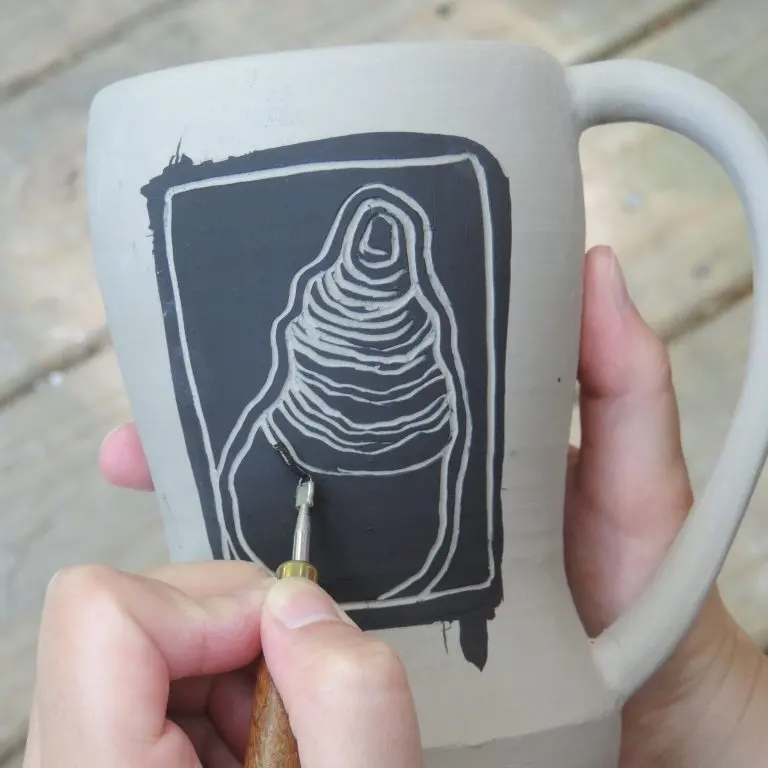
- Needle tool: Essential for scoring joints, measuring thickness, and trimming rims.
- Wooden rib: Used to shape and smooth the walls of thrown or hand-built pieces.
- Loop tool: Necessary for carving and trimming excess clay from the foot of a pot.
- Sponge: Used for adding moisture and smoothing surfaces during the throwing process.
- Metal scraper: Excellent for refining surfaces and removing unwanted clay paste.
How to use pottery tools correctly
Proper technique is just as important as the quality of the tools you select. When using a needle tool, hold it like a pencil to ensure precision, but be careful not to drag it through the clay, which can cause tearing. Always keep your sponge clean and damp; a dry, dirty sponge will leave abrasive particles on your piece that can create unsightly scratches during the firing process.
When trimming on the wheel, the loop tool should be held at a 45-degree angle to the clay surface. Apply light, consistent pressure to shave off thin ribbons of clay rather than gouging into the wall. If you are hand-building, use the wooden rib to compress the clay molecules, which strengthens the structure and prevents cracks from forming during the drying stage. Consistency in pressure and angle is the mark of a skilled potter.
Common mistakes when using pottery tools
One of the most frequent errors beginners make is using tools with too much force, which often leads to structural collapse or surface gouging. Beginners often forget to "score and slip" when attaching two pieces of clay together, leading to parts falling off in the kiln. Another common mistake is overworking the clay with a sponge, which pulls too much water into the body and makes the piece prone to warping or cracking.
To avoid these pitfalls, follow these basic guidelines:
- Always score the surfaces with a needle tool before applying slip for a secure bond.
- Use the minimum amount of water necessary to lubricate the clay surface.
- Allow your pieces to reach the "leather-hard" stage before attempting to trim or carve.
- Clean your tools immediately after use to prevent clay buildup from dulling the edges.
- Avoid leaving tools submerged in water, as this can rot wooden handles.
How to care for your pottery tools
Maintaining your tools ensures they remain functional for years, saving you money and frustration. Stainless steel tools are resistant to rust, but they should still be wiped dry after every session to prevent mineral deposits from accumulating. If you use wooden tools, occasionally rub them with a light coat of food-grade mineral oil to keep the wood from drying out, splintering, or absorbing too much water.
Organize your tools in a dedicated roll-up bag or a sturdy container to prevent the needle tips from bending or the loop tools from becoming misshapen. If a tool does become bent, you can often gently tap it back into shape with a small hammer or pliers. By treating your equipment with care, you develop a better tactile relationship with your materials, which is essential for mastering the nuances of ceramic art.
Where to buy pottery supplies
You can find reliable pottery tools at specialized ceramic supply stores, online marketplaces, or local art supply shops. When shopping, look for sets that feature ergonomic handles, as these reduce hand fatigue during long hours of throwing or sculpting. While big-box craft stores offer entry-level kits, dedicated pottery retailers often provide higher-quality steel that holds a sharp edge longer and resists corrosion more effectively than cheaper alternatives.
Before purchasing a massive collection, start with a basic set and add specific tools as you discover your preferred style. You might find that you prefer specific shapes of ribs or unique carving loops as your skills evolve. Many potters eventually supplement their kits with custom tools, such as silicone ribs or specialized stamps, but these are unnecessary until you have mastered the fundamental techniques. Focus on learning the capabilities of your initial six tools before expanding your inventory to avoid cluttering your workspace with unused items.
Key facts
- A wooden rib is the most versatile tool for shaping and smoothing clay surfaces on the wheel.
- Needle tools are essential for trimming the top edges of cylinders and measuring the thickness of a clay base.
- Wire cutters are necessary for slicing clay from a large block and removing finished pieces from the potter's wheel.
- Loop tools feature sharpened metal ribbons that are ideal for hollowing out clay and trimming excess material from leather-hard pots.
- A natural or synthetic sponge is required for controlling moisture levels and compressing the clay body during the throwing process.
- Metal scrapers provide a smooth finish to clay walls and are highly effective at removing unwanted burrs or clay buildup.
The bottom line
For beginners, the best approach is to invest in a modest set of high-quality essentials rather than an overwhelming collection of specialized implements. Focus on mastering the wooden rib, needle tool, and loop tool to gain control over form and surface. By keeping tools clean and dry, you ensure their longevity while developing the tactile skills necessary to transform raw clay into functional ceramic art.
People also ask
Do I need to buy a complete pottery kit right away?
You do not need to buy a comprehensive kit immediately. Start with a basic set of five to seven essential tools, as many studios provide communal equipment for students to use during sessions.
What is the difference between a wooden rib and a metal rib?
Wooden ribs are typically used for shaping and compressing clay, while metal ribs are more flexible and better suited for smoothing and refining the final surface of a vessel.
How do I keep my pottery tools from rusting?
Always wash your metal tools in clean water and dry them thoroughly with a towel after every use. Storing them in a dry environment or applying a light coat of mineral oil can prevent oxidation.
Why does my clay stick to my wooden tools?
Clay sticks when the tool is too dry or the clay is too wet. Keep your tools slightly damp and ensure your clay has achieved a "leather-hard" state before performing detailed trimming or carving.
Can I use kitchen utensils as pottery tools?
Many household items, such as rubber spatulas, forks, or serrated knives, work perfectly as pottery tools. These items are often inexpensive and can provide unique textures that specialized tools cannot replicate.
How often should I replace my sponges?
Sponges should be replaced when they begin to lose their shape or become clogged with dried clay particles that cannot be rinsed out. Regular cleaning after each use will significantly extend their lifespan.
This answer was created with the help of AI research tools and reference sources. Spotted an error? Let us know — we correct mistakes quickly. See our editorial policy.