What is Japanese calligraphy?
Short answer
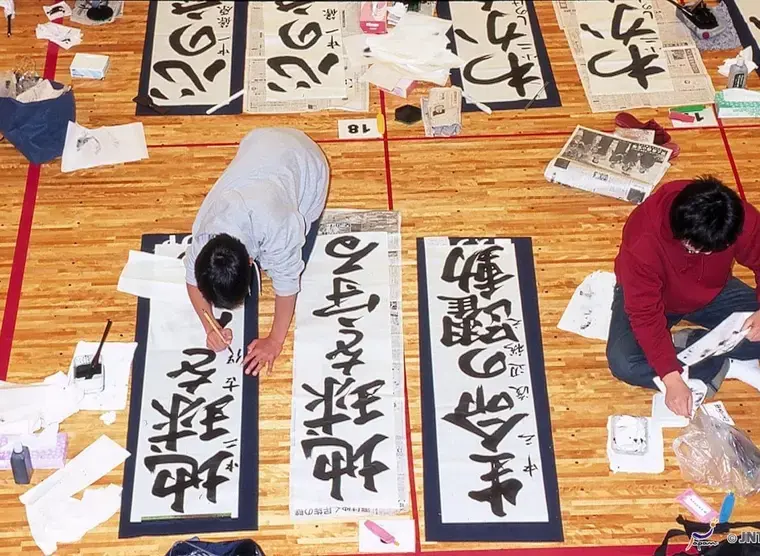
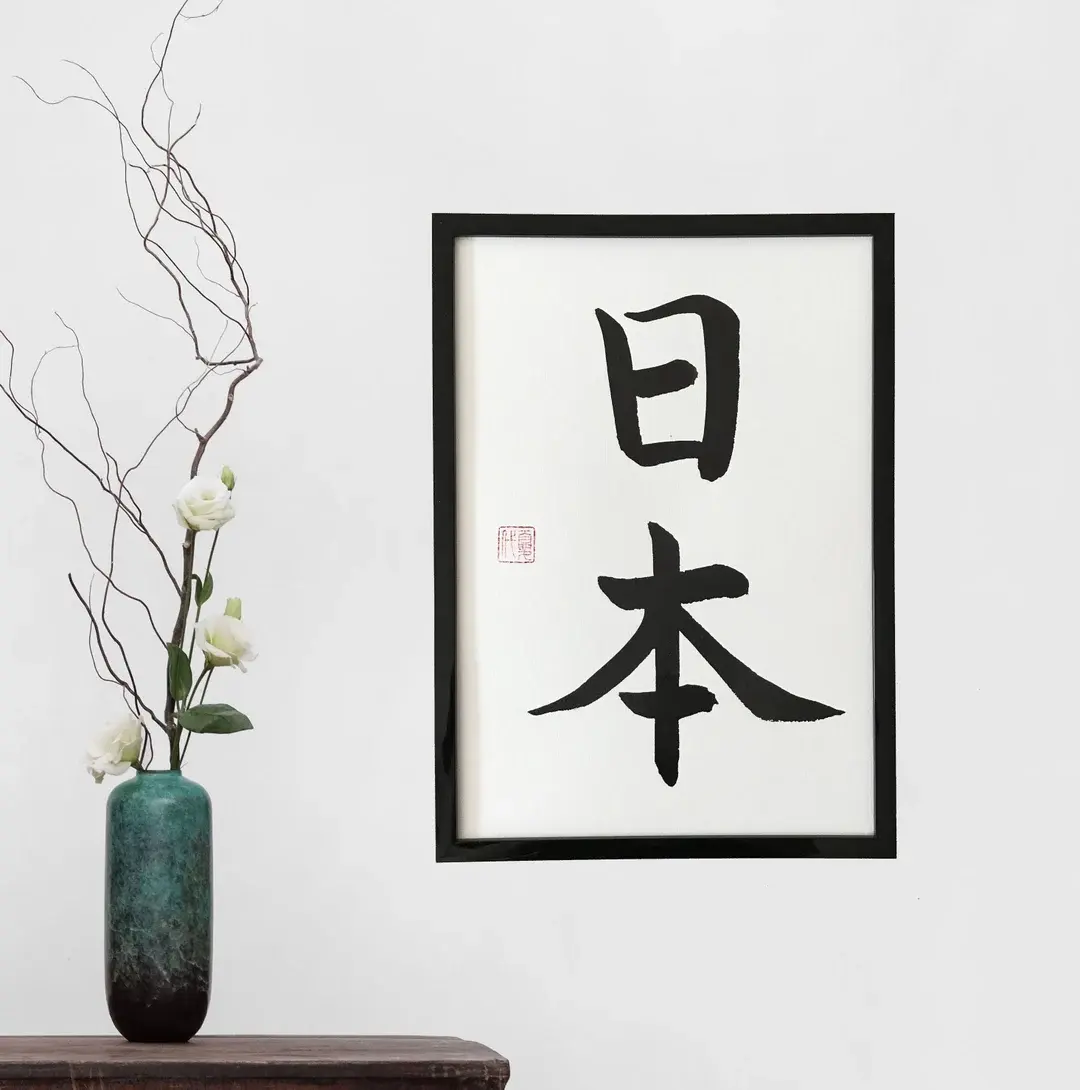
Japanese calligraphy, known as shodo, is the artistic practice of writing Japanese characters using a brush, ink, and washi paper. Rooted in Buddhist traditions and Chinese influence, it emphasizes the flow of energy, balance, and mindfulness. Practitioners aim to capture the spirit of the character through deliberate, fluid brushstrokes rather than mere legibility.
On this page
What is the history of Japanese calligraphy?
Japanese calligraphy originated in the 6th and 7th centuries when Buddhist monks brought Chinese writing systems to Japan. Initially, the practice was reserved for the aristocracy and clergy, who used it to transcribe religious sutras and poetry. As the art form evolved, it became deeply intertwined with Zen Buddhism, which emphasizes spontaneity and the direct expression of the practitioner's inner state.
During the Heian period (794–1185), the development of kana—the Japanese phonetic script—allowed for a uniquely Japanese aesthetic. This shift moved calligraphy away from rigid Chinese styles toward a more fluid, cursive style known as wayo. Over the centuries, shodo became a fundamental discipline for samurai, who used it to cultivate focus and mental discipline. Today, it remains a respected cultural practice taught in schools and practiced by enthusiasts worldwide as a form of meditative art.
What are the essential tools for shodo?
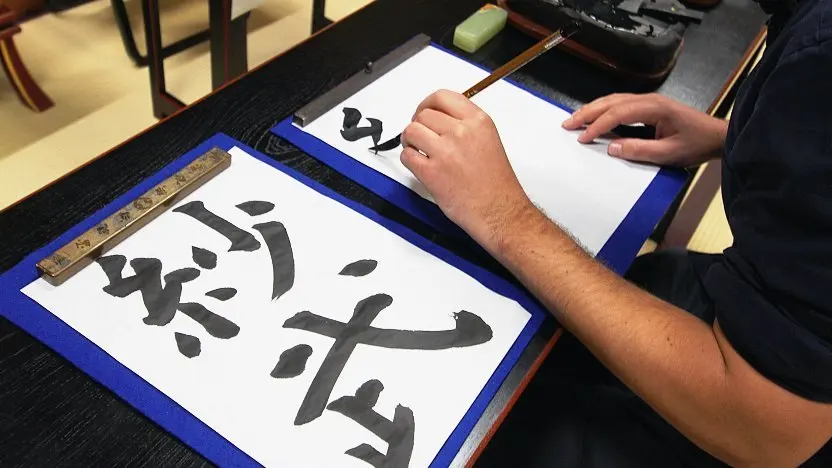
To practice shodo, you need specific traditional tools known as the "Four Treasures of the Study." These items are designed to work in harmony to produce the distinct aesthetic qualities of Japanese ink work. Quality materials significantly impact the control you have over the brush and the final appearance of the characters.
- Fude: The brush, typically made with animal hair like goat, horse, or badger.
- Sumi: A solid ink stick made of soot and glue, which you grind against a stone.
- Suzuri: The heavy inkstone used to hold water and grind the ink stick.
- Hanshi: The thin, absorbent washi paper specifically designed for calligraphy.
- Shitajiki: A soft felt mat placed under the paper to provide a cushioned surface.
When selecting these tools, beginners should look for a medium-sized brush with a firm tip. Avoid synthetic brushes, as they lack the necessary water-retention properties required for proper ink flow.
How to start practicing Japanese calligraphy
Learning shodo is a process of mastering body posture and brush control. Before making a single mark, you must center yourself and steady your breathing. The goal is to move the brush with your entire arm rather than just your wrist, which allows for more stable and powerful lines.
- Sit upright with your feet flat on the floor to maintain a straight spine.
- Hold the brush vertically, gripping it firmly but without excessive tension.
- Dip the brush into the ink, wiping excess on the side of the inkstone to prevent dripping.
- Visualize the character in your mind before touching the paper.
- Apply pressure to the brush to create thick lines and lift slightly for thin, delicate strokes.
Consistency is more important than speed. Start by practicing basic horizontal and vertical lines to understand how the ink interacts with the paper. Once you have mastered these, move on to simple kanji characters like "one" (ichi) or "person" (hito).
Common mistakes when learning shodo
Many beginners struggle because they treat calligraphy like writing with a pen. One of the most frequent errors is applying too much pressure throughout the entire stroke, which results in flat, lifeless lines. Calligraphy requires dynamic changes in pressure to create the characteristic "bones and flesh" of a character.
Another common mistake is failing to prepare the ink correctly. If you do not grind the ink stick long enough, the ink will be too watery and will bleed uncontrollably into the absorbent paper. Conversely, using too much ink can cause the brush to become heavy and sluggish. Beginners often forget to clean their brushes thoroughly after a session; if ink dries inside the bristles, the brush will lose its shape and become stiff, rendering it useless for future practice. Always rinse your brush with cool water and hang it vertically to dry.
Why is shodo considered a meditative practice?
Shodo is often described as "moving Zen" because it requires total concentration and presence. When you are writing, you cannot be distracted by external thoughts or anxieties, as any hesitation or lack of focus will immediately manifest in the quality of the brushstroke. The ink is permanent, meaning there is no room for correction or erasure, which teaches the practitioner to accept the outcome of their actions.
This practice encourages a deep connection between the mind, the breath, and the hand. By focusing on the rhythm of the brush and the texture of the paper, the practitioner enters a state of flow. This mental clarity is the true objective of shodo; the finished character is merely a record of that moment of focus. Whether you are a student or a master, the discipline of calligraphy serves as a lifelong journey toward self-awareness and aesthetic refinement. Through the simple act of putting brush to paper, you engage with centuries of tradition while simultaneously uncovering your own unique artistic expression.
Key facts
- Japanese calligraphy, known as shodo, uses a brush, ink, and handmade paper to create artistic characters.
- The four essential tools, called the four treasures of the study, are the brush, ink stick, ink stone, and paper.
- Practitioners typically sit in a formal seiza position or stand to allow full arm movement during strokes.
- The ink is created by grinding a solid ink stick against a stone with a small amount of water.
- Proper posture and breathing are considered as important as the physical movement of the brush.
- Beginners should avoid pressing the brush too hard, as this prevents the elegant tapering of lines.
The bottom line
Japanese calligraphy is a profound blend of artistic precision and meditative discipline. By mastering the four essential tools and focusing on breath and posture, practitioners transform simple ink strokes into expressive art. Whether you are a beginner or an expert, the practice invites a deeper connection to Japanese culture and personal mindfulness, proving that the beauty of the written word lies in the movement of the brush.
People also ask
What is the difference between shodo and simple handwriting?
Shodo is a disciplined art form that emphasizes the flow of energy, balance, and the aesthetic quality of each stroke rather than just legibility. Handwriting is a utilitarian skill, whereas calligraphy is a meditative practice rooted in Zen philosophy.
How long does it take to learn Japanese calligraphy?
Mastery can take a lifetime, but basic techniques can be learned in a few months. Most students spend years refining their control over ink density and brush pressure.
Can I use regular paper for calligraphy practice?
Standard printer paper is not suitable because it is too smooth and absorbs ink incorrectly. Authentic washi paper is designed to hold ink without bleeding, allowing for the characteristic texture of the strokes.
Why is the ink stick ground by hand instead of using bottled ink?
The act of grinding the ink stick is a meditative process that prepares the mind for the creative work. It also allows the artist to control the thickness and consistency of the ink for specific artistic effects.
What are the most common styles of Japanese calligraphy?
The three primary styles are kaisho (block style), gyosho (semi-cursive), and sosho (cursive). Kaisho is the most structured and is recommended for beginners to learn proper stroke order.
Do I need to know the Japanese language to practice shodo?
You do not need to be fluent in Japanese, but you must learn the stroke order of the characters. Understanding the meaning of the characters helps in capturing the intended spirit of the work.
This answer was created with the help of AI research tools and reference sources. Spotted an error? Let us know — we correct mistakes quickly. See our editorial policy.