What is Chinese brush painting?
Short answer
Chinese brush painting, or shuimo, is a traditional art form utilizing ink, water, and brushes on rice paper or silk. It emphasizes the movement of the brush, the flow of ink, and the expression of the artist’s inner spirit rather than photographic realism. This meditative practice focuses on capturing the essence of nature.
On this page
What are the essential tools for Chinese brush painting?
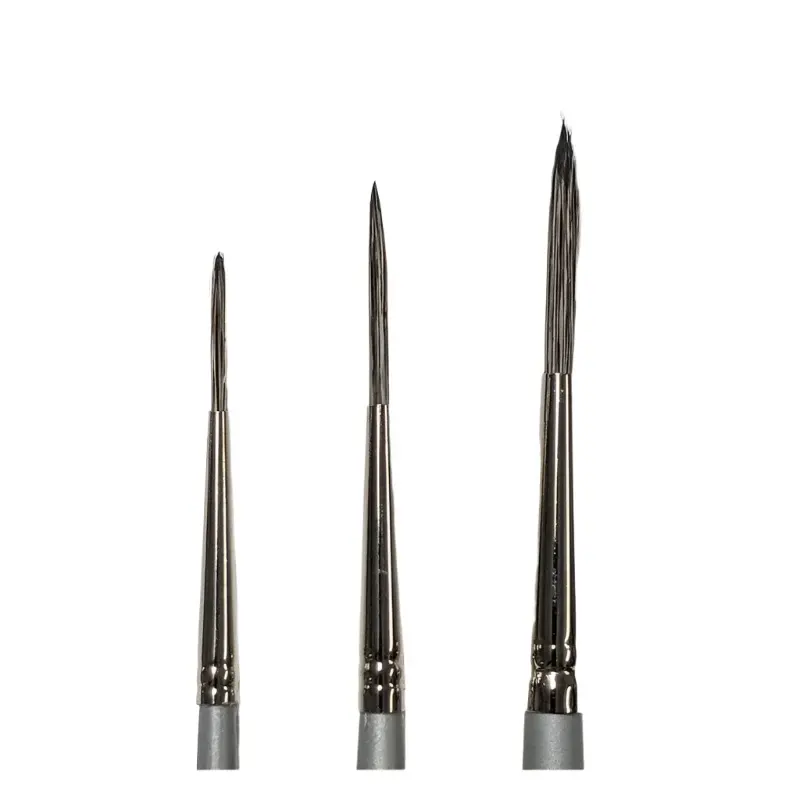
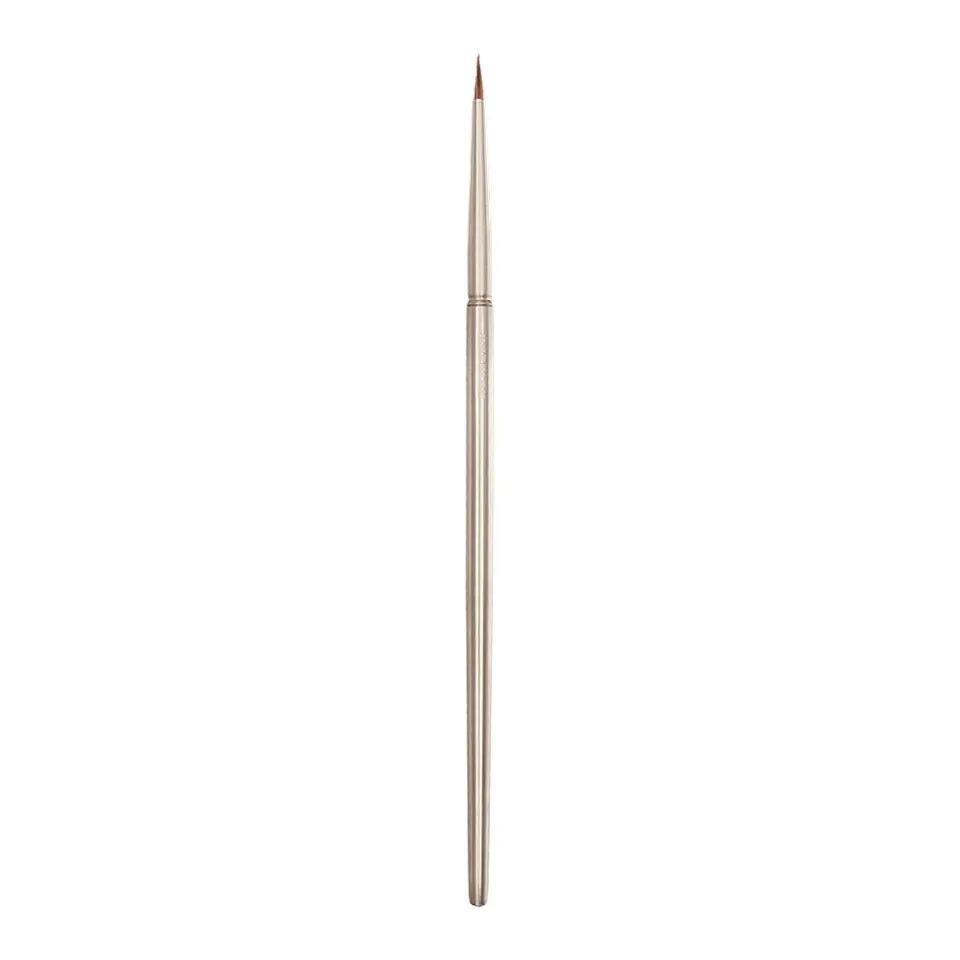
The "Four Treasures of the Study" are the fundamental instruments required for this art form: the brush, the ink stick, the ink stone, and the paper. Brushes are typically crafted from animal hair, such as goat, wolf, or rabbit, which offer varying degrees of flexibility and absorbency. The ink stick, made of pine soot or oil lampblack, must be ground against an ink stone with a small amount of water to produce the desired intensity of liquid ink.
Paper selection is equally critical to the final outcome of the painting. Artists primarily use xuan paper, which is prized for its unique ability to absorb ink without blurring excessively. Beginners often start with "sized" paper, which is treated to be less absorbent, making it easier to control ink spread.
- Brushes: Select a medium-sized goat-hair brush for versatile strokes.
- Ink: Use a high-quality solid ink stick rather than pre-bottled liquid ink.
- Stone: A heavy, flat ink stone allows for consistent grinding.
- Paper: Start with practice rice paper before moving to professional-grade xuan.
How do you perform basic brush strokes?
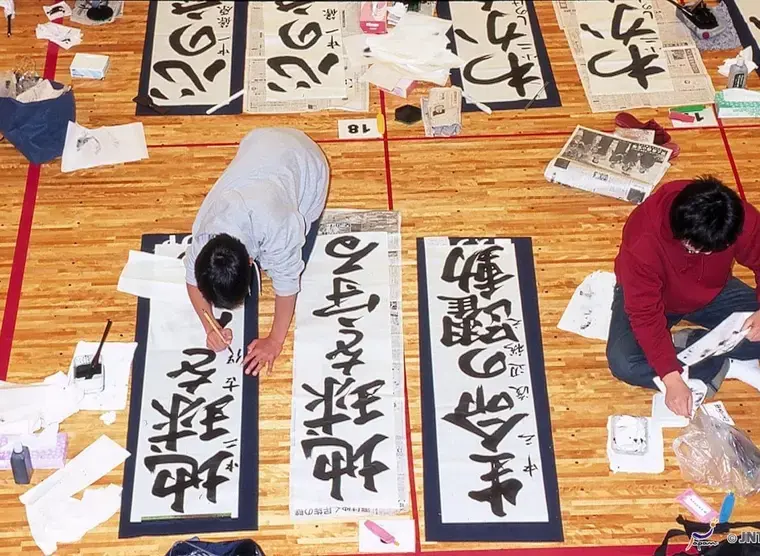
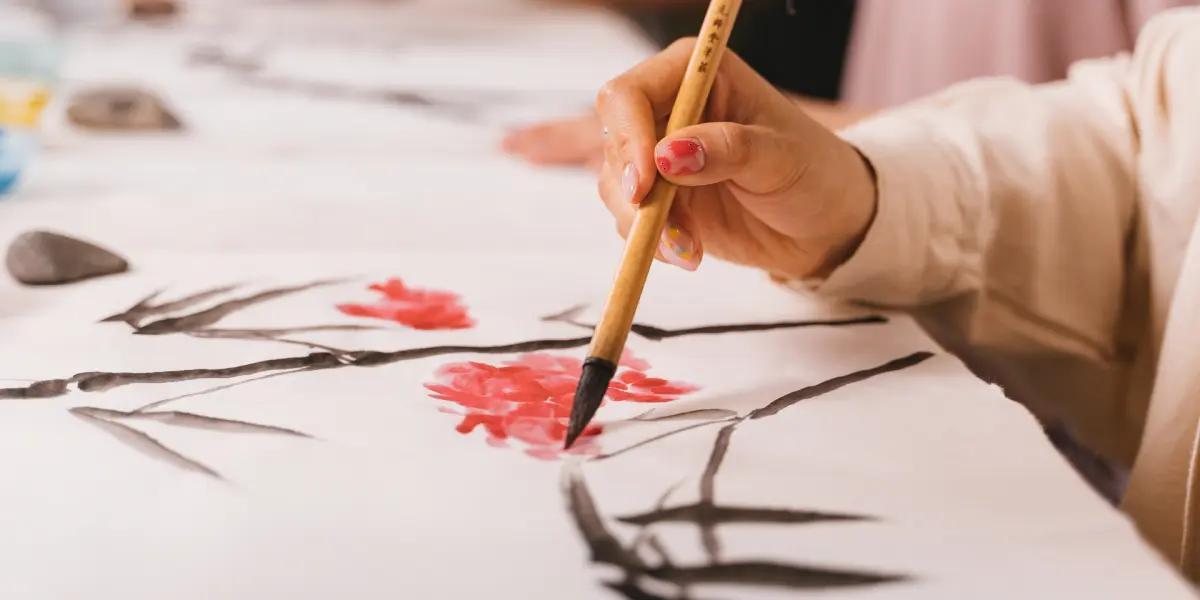
Mastery of the brush begins with understanding the relationship between the artist’s posture and the movement of the hand. Unlike Western painting, where the wrist is often rested, Chinese brush painting requires the artist to keep the brush upright and the wrist flexible. The arm should move from the shoulder, allowing for fluid, continuous lines that convey energy or qi.
There are several fundamental strokes that form the building blocks of every composition. These strokes vary based on the pressure applied and the angle of the brush tip.
- The "Center Tip" stroke: Keep the brush perpendicular to the paper to create a uniform, balanced line.
- The "Side Tip" stroke: Tilt the brush to create broad, textured washes or leaf shapes.
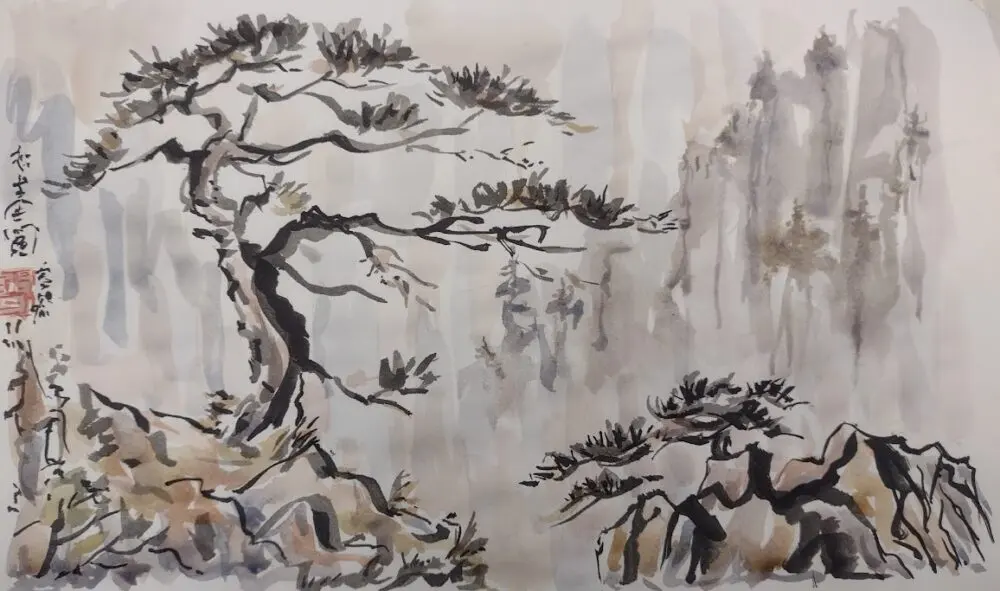
- The "Dry Brush" technique: Use minimal water to create jagged, rough textures for rocks or tree bark.
- The "Wash" technique: Use a heavily diluted ink to create soft, atmospheric backgrounds or mist.
What are the common mistakes when starting?
A frequent error among beginners is the improper management of water and ink ratios. If the brush is too dry, the stroke will appear scratchy and lack the intended flow; if it is too wet, the ink will bleed uncontrollably across the paper. Achieving the perfect balance requires constant testing on scrap paper before applying the brush to the final piece.
Another common mistake is overworking the composition. Chinese brush painting values spontaneity and the "first-time" effect, meaning that once a stroke is placed, it should not be corrected or painted over. Trying to "fix" a line often results in a muddy appearance that obscures the clarity of the ink.
- Using too much pressure, which destroys the delicate tip of the brush.
- Applying ink in layers, which ruins the transparency and freshness of the work.
- Failing to clean the brush thoroughly, which leads to stained bristles and poor performance.
- Rushing the process, as the art form requires a calm, deliberate pace to achieve harmony.
Why is composition important in Chinese painting?
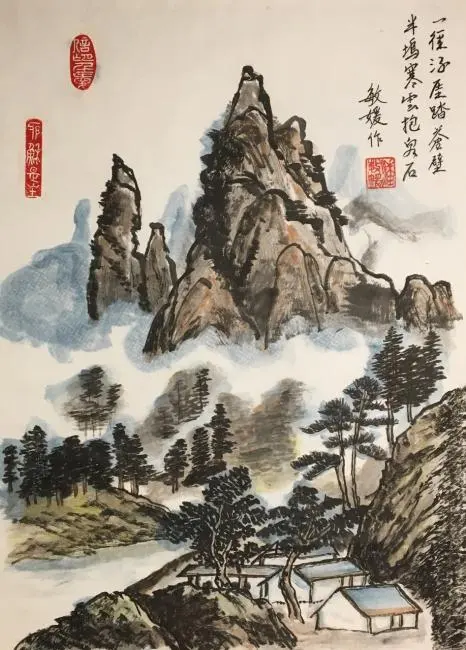
Composition in this tradition is defined by the concept of "empty space," or liubai. Unlike Western art, which often fills the entire canvas with detail, Chinese painting leaves significant portions of the paper blank. This negative space is not merely an absence of ink; it represents air, water, or clouds, allowing the viewer’s eye to rest and the subject matter to breathe.
The placement of elements follows a philosophy of balance between yin and yang. An artist must consider the weight of the ink, the direction of the strokes, and the overall rhythm of the piece. A painting should feel as though it is growing naturally from the paper rather than being imposed upon it. By strategically placing a single branch or a distant mountain, the artist creates a sense of infinite depth within a two-dimensional plane.
How long does it take to master the technique?
Developing proficiency in Chinese brush painting is a lifelong journey rather than a destination. Many artists spend years practicing the painting of "The Four Gentlemen"—the plum blossom, the orchid, the bamboo, and the chrysanthemum—to master the discipline required for each. These subjects are chosen because they each demand a unique set of brush skills, from the delicate, sharp lines of the orchid to the sturdy, structural joints of the bamboo.
While a beginner can learn the basic handling of tools within a few weeks, the ability to imbue a painting with personal expression and technical precision takes years of daily practice. The goal is to reach a state where the brush becomes an extension of the hand, and the hand becomes an extension of the mind. Consistent, mindful practice remains the only way to achieve the effortless grace that characterizes the work of the masters.
Key facts
- Chinese brush painting, or shuǐmòhuà, traditionally utilizes four essential tools known as the "Four Treasures of the Study": brush, ink, paper, and inkstone.
- The art form focuses on the spirit and essence of a subject rather than photographic realism, often emphasizing negative space to create balance.
- Artists typically use animal hair brushes, such as goat, wolf, or rabbit, which provide varying levels of flexibility and ink retention.
- Ink is created by grinding a solid ink stick against a stone with a small amount of water to achieve the desired consistency and tonal depth.
- Proper posture is vital; artists traditionally stand or sit with a straight back to allow for fluid, controlled movement from the shoulder rather than the wrist.
- Beginners should prioritize "the four gentlemen"—plum blossom, orchid, bamboo, and chrysanthemum—as these subjects teach fundamental brush strokes and control.
The bottom line
Chinese brush painting is a meditative practice that prioritizes the artist’s inner energy and the rhythmic flow of the brush over precise realism. By mastering the Four Treasures of the Study and practicing disciplined, confident strokes, you can capture the essence of nature. It is an art form where simplicity, negative space, and the quality of every single line define the beauty of the final composition.
People also ask
What is the difference between Chinese brush painting and Western watercolor?
Chinese brush painting relies on black ink and monochromatic tones, whereas Western watercolor typically emphasizes a broad spectrum of colors. Additionally, Chinese art is performed on absorbent xuan paper that reacts instantly to ink, making corrections nearly impossible.
Why is negative space important in this style?
Negative space, or liubai, is considered as vital as the painted subject itself. It provides visual rest and allows the viewer’s imagination to complete the scene, reflecting Taoist principles of emptiness and flow.
How do I hold the brush correctly?
You should hold the brush vertically, gripping it firmly with your thumb and fingers while keeping your palm hollow. This upright position allows the brush tip to move in any direction with equal pressure and grace.
What are the most common mistakes for beginners?
The most frequent errors include using too much water, which causes the ink to bleed uncontrollably, and pressing too hard, which ruins the brush tip. Beginners also often hesitate, leading to shaky lines rather than the confident, fluid strokes required.
Do I need to learn calligraphy before painting?
While not strictly mandatory, practicing calligraphy is highly recommended because it teaches the same brush control, pressure, and rhythm needed for painting. Many masters consider the two disciplines to be two sides of the same coin.
How long does it take to master the technique?
Mastery is a lifelong pursuit, as the art form demands both physical discipline and deep philosophical study. Most practitioners spend years perfecting simple strokes before attempting complex landscapes or detailed animal portraits.
This answer was created with the help of AI research tools and reference sources. Spotted an error? Let us know — we correct mistakes quickly. See our editorial policy.