What is watercolor pencils used for?
Short answer
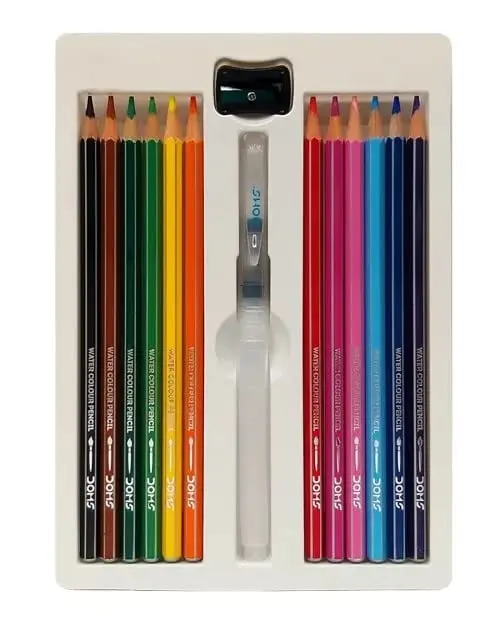
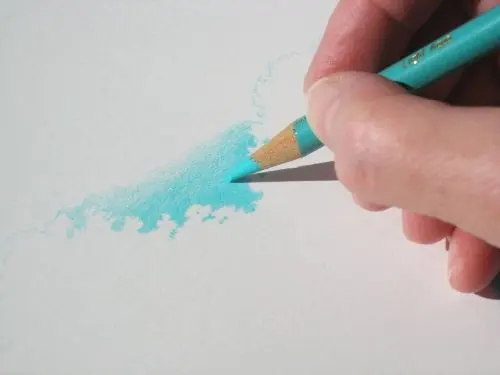
Watercolor pencils are versatile drawing tools containing water-soluble pigment cores encased in wood. They function as standard colored pencils when dry but transform into fluid paint when brushed with water. Artists use them for sketching, detailed illustration, and mixed-media projects, offering the precision of a pencil with the expressive capabilities of watercolor.
On this page
What are watercolor pencils used for?
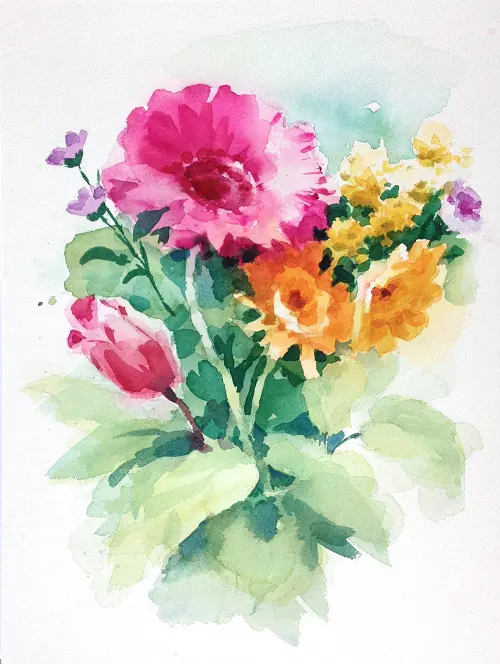
Watercolor pencils serve as a bridge between drawing and painting. Artists use them to achieve fine details that are difficult to manage with traditional brushes, such as intricate textures in botanical illustrations or sharp edges in architectural sketches. Because the pigment is wax or oil-based and bound with a water-soluble agent, the pencils provide high color saturation and control.
Beyond simple drawing, these tools are ideal for travel and plein air painting. They eliminate the need for bulky palettes, tubes of paint, and multiple water containers. By carrying a small set of pencils and a water brush, an artist can create professional-grade artwork anywhere. They are frequently used for:
- Adding highlights to existing watercolor paintings.
- Creating mixed-media effects by layering over acrylics.
- Sketching preliminary layouts that dissolve into a wash.
- Developing color gradients without the mess of liquid paint.
How to use watercolor pencils for beginners
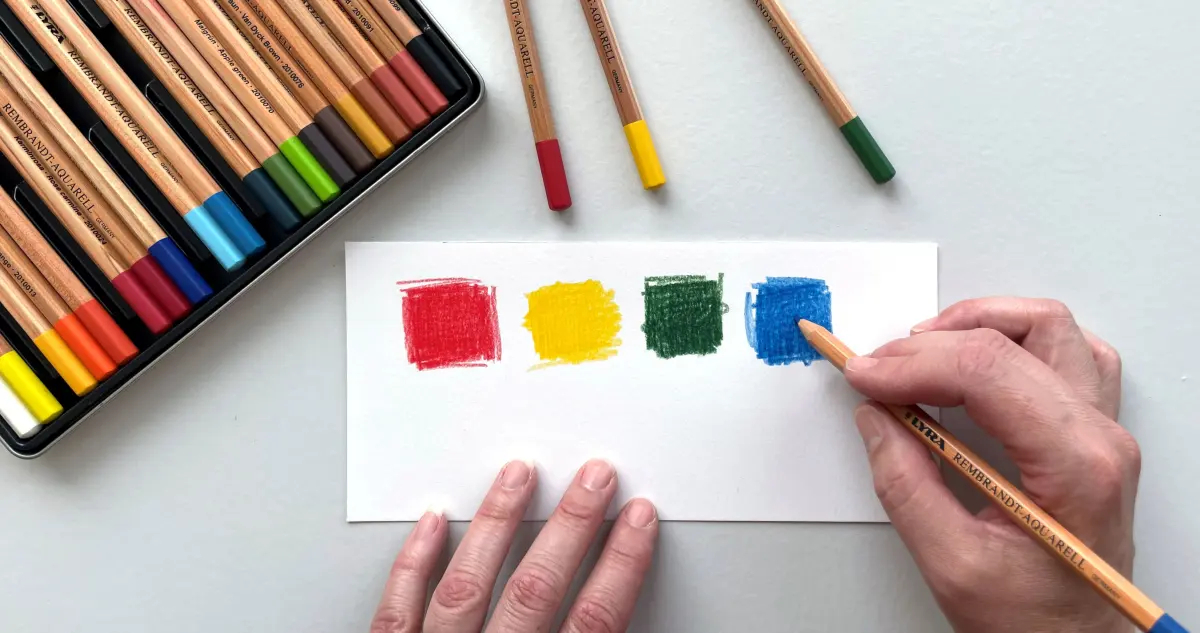
Learning to use these pencils requires understanding the transition from dry to wet application. Beginners should start by drawing on heavy-weight paper, specifically cold-press watercolor paper that can withstand moisture without buckling. Once the design is drawn, a damp brush is applied to the pigment to activate the color, turning the pencil strokes into a smooth wash.
To master the technique, follow these foundational steps:
- Apply your colors lightly to the paper, as the pigment intensifies significantly when wet.
- Use a high-quality synthetic round brush, size 4 or 6, to ensure precise water control.
- Dip the brush in clean water and dab it on a paper towel to remove excess moisture.
- Gently touch the brush to the pencil marks, pulling the color outward to create a gradient.
- Clean your brush thoroughly between colors to prevent muddying the hues.
Best techniques for blending colors
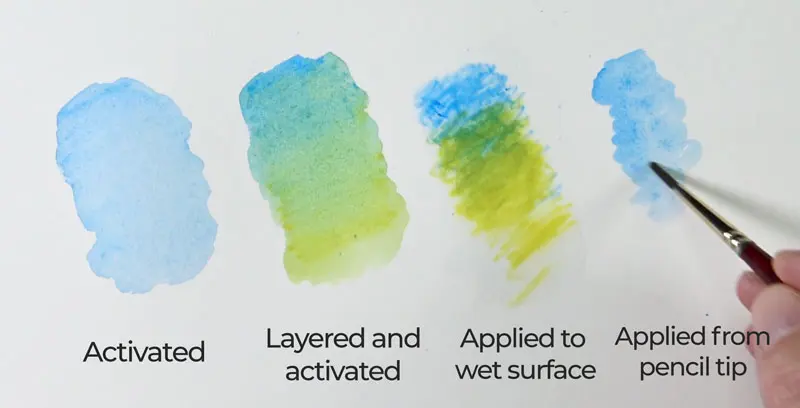
Blending is the primary advantage of watercolor pencils, allowing for seamless transitions between shades. You can blend colors directly on the paper by overlapping strokes and then applying water, which causes the pigments to mix physically. Alternatively, you can pick up pigment directly from the pencil tip with a wet brush to use it like a traditional pan watercolor.
For more advanced blending, consider these methods:
- Dry-to-dry blending: Use a colorless blender pencil to soften edges before adding any water.
- Wet-on-wet: Pre-dampen the paper with clear water, then draw directly onto the wet surface for soft, diffused color blooms.
- Layering: Allow an initial wash to dry completely, then add a second layer of pencil for deeper shadows or sharp, crisp details.
- Palette mixing: Scribble colors onto a plastic palette or ceramic plate, then mix them with a wet brush to create custom shades before applying them to your artwork.
Common mistakes when using watercolor pencils
A frequent error is applying too much pressure during the initial drawing phase. Heavy pressure leaves deep indentations in the paper fibers, which remain visible even after the pigment is activated. These "ghost lines" can ruin the look of a smooth, professional wash. Always keep your hand light and build up color density gradually through multiple layers.
Another common pitfall involves using the wrong paper. Standard printer or sketchbook paper is too thin and will warp, pill, or tear when exposed to water. Always choose paper labeled as "watercolor" with a weight of at least 140lb (300gsm). Additionally, avoid using too much water, which can cause the pigment to pool and lose its vibrancy. If you find your colors looking dull, you likely used too much water or over-worked the paper surface, which can damage the delicate sizing that keeps the paint on the surface.
How to maintain and store your pencils
Proper maintenance ensures that your watercolor pencils remain functional for years. Because the binder is water-soluble, it is sensitive to humidity. Store your pencils in a cool, dry place, ideally in their original tin or a dedicated roll-up case. High humidity can cause the cores to soften or bloom, making them difficult to sharpen.
When sharpening, use a high-quality metal sharpener to avoid snapping the soft, water-soluble lead. If the core becomes brittle, try sharpening it slowly or using a manual blade to shave the wood away carefully. Keep your pencils organized by color family to streamline your workflow during long projects. By protecting the leads from impact and moisture, you ensure that the pigment remains consistent and easy to activate whenever you are ready to create your next piece of art.
Key facts
- Watercolor pencils contain a water-soluble binder that allows the pigment to dissolve when brushed with water.
- You can apply color dry like a standard pencil and then transform it into a paint-like wash using a damp brush.
- These pencils offer the precision of drawing tools combined with the fluid, expressive qualities of traditional watercolors.
- Using high-quality, heavy-weight watercolor paper (at least 140lb/300gsm) prevents the surface from buckling or tearing when wet.
- You can pick up pigment directly from the pencil tip with a wet brush to use it like a traditional watercolor pan.
- Layering colors dry before adding water allows for complex color mixing without muddying the pigments on the paper.
The bottom line
Watercolor pencils serve as a versatile bridge between drawing and painting, offering artists unparalleled control. By combining the precision of a pencil with the fluidity of watercolor, they allow for intricate detail and expressive washes in a single medium. Whether used dry for sketching or wet for painterly effects, they are an essential tool for illustrators and hobbyists seeking a portable, clean, and highly adaptable creative experience.
People also ask
Can watercolor pencils be used without water?
Yes, they function perfectly as high-quality dry colored pencils. They are often softer than wax-based pencils, making them excellent for detailed sketching or shading before any water is introduced.
How do you prevent the paper from wrinkling?
Using professional-grade watercolor paper is essential to handle moisture. You can also tape down the edges of your paper to a rigid board using artist's masking tape to keep it flat while drying.
Should I use a synthetic or natural hair brush?
Synthetic brushes are generally preferred for watercolor pencils because they provide a consistent, controlled flow of water. Soft, round brushes in sizes 4 through 8 are ideal for most detail and wash work.
Can I erase watercolor pencil marks?
If the marks are dry, they can often be lifted with a kneaded eraser. Once water has been applied and the pigment has stained the paper, the marks become permanent and cannot be erased.
How do I achieve smooth gradients?
Apply the pencil color in light layers and use a clean, damp brush to pull the pigment across the surface. Work from the lightest areas to the darkest to maintain control over the color intensity.
Do watercolor pencils fade over time?
Most professional brands are lightfast, meaning they resist fading when exposed to light. Always check the lightfastness rating on the pencil barrel to ensure your artwork remains vibrant for years.
This answer was created with the help of AI research tools and reference sources. Spotted an error? Let us know — we correct mistakes quickly. See our editorial policy.