What is the difference between India ink and acrylic ink?
Short answer
India ink is a traditional, water-soluble medium made from soot and binders, offering deep blacks but remaining re-wettable once dry. Acrylic ink, by contrast, utilizes synthetic acrylic resin as a binder. It is waterproof, archival, and permanent upon drying, making it more versatile for layering and mixed-media applications in modern art.
On this page
What is the chemical difference between India ink and acrylic ink?
India ink consists primarily of fine carbon black pigment suspended in a liquid carrier, typically water with a binder like shellac or gelatin. Because the binder is often water-soluble or sensitive to moisture, the ink can be reactivated or smudged if it comes into contact with water after it has dried. This characteristic makes it ideal for traditional calligraphy and wash techniques where artists intentionally seek to manipulate the ink after application.
Acrylic ink, however, uses an acrylic polymer emulsion as its binder. Once the water evaporates, the acrylic resin forms a durable, plastic-like film that is completely insoluble in water. This chemical structure ensures that the ink remains fixed to the substrate, preventing it from bleeding or lifting when subsequent layers of paint or ink are applied. This permanence allows artists to build complex, multi-layered compositions without the risk of "lifting" the underlying ink work.
How to use India ink for calligraphy and drawing
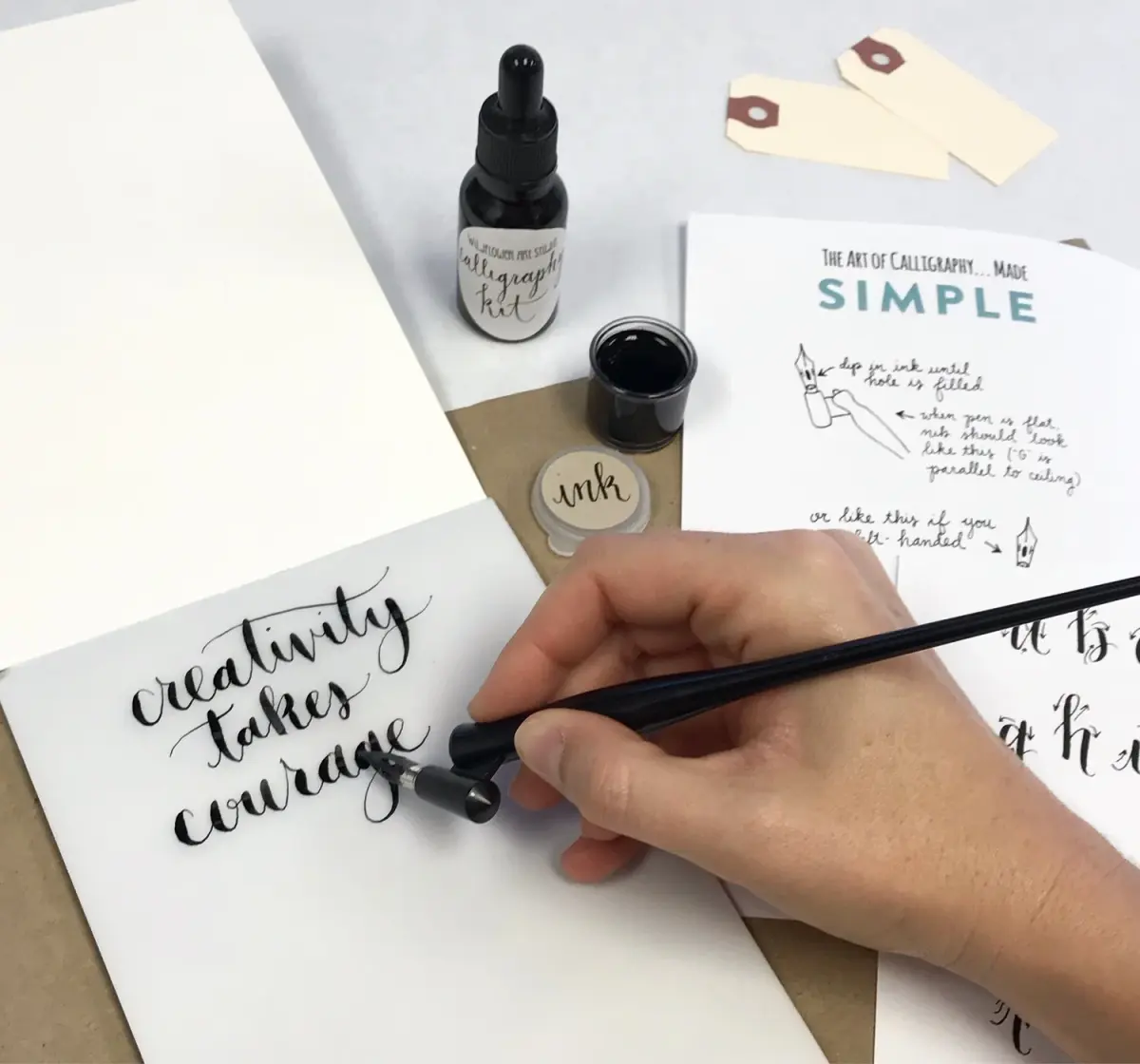
India ink is favored by calligraphers and illustrators for its intense, lightfast black pigment and its ability to flow smoothly through dip pens and technical pens. When working with this medium, it is important to manage the viscosity and drying time carefully to achieve crisp lines. Because it is highly pigmented, a little ink goes a long way, and it is often diluted with distilled water to create varying shades of gray for wash effects.
- Prepare your surface with high-quality, heavy-weight paper or Bristol board to prevent buckling.
- Dip your nib into the ink, ensuring you do not overload it, which can lead to unwanted blobs.
- Apply the ink with a steady hand, allowing for natural drying time before attempting to erase any underlying pencil sketches.
- Clean your nibs immediately after use with warm water, as dried shellac-based ink can permanently clog and ruin metal nibs.
Why acrylic ink is better for mixed-media art
Acrylic ink has become a staple for mixed-media artists because it can be used on a wide variety of surfaces, including canvas, wood, plastic, and even fabric. Its primary advantage is its compatibility with other acrylic-based products, such as gels, pastes, and mediums. Unlike India ink, which can reactivate and bleed into subsequent layers, acrylic ink locks into place, allowing for clean, sharp edges even when painting over the top with heavy-bodied acrylics.
- Versatility: It can be applied with brushes, airbrushes, dip pens, or refillable markers.
- Durability: The dried film is resistant to UV light and environmental pollutants, ensuring long-term archival quality.
- Intermixability: It can be mixed with other acrylic paints to adjust opacity or flow without compromising the integrity of the paint film.
- Fast Drying: It typically dries within minutes, allowing for rapid layering in fast-paced studio environments.
Common mistakes when using these inks
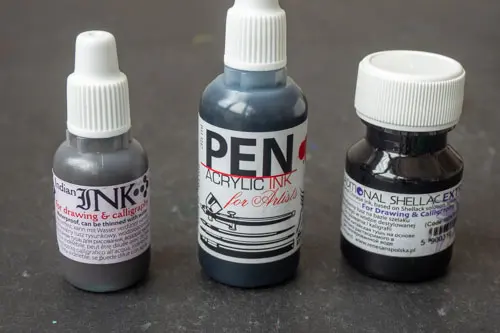
One frequent error when using India ink is attempting to use it in fountain pens. Because India ink often contains shellac, it will quickly dry inside the delicate feed system of a fountain pen, leading to permanent damage. Always use "fountain pen ink" or specifically labeled "non-clogging" inks for these tools. Furthermore, artists often forget that India ink is not lightfast in all formulations; if you require work that will be displayed in direct sunlight for years, check the label for lightfastness ratings.
When working with acrylic ink, the most common mistake is failing to shake the bottle thoroughly before use. Because acrylic ink contains high concentrations of pigment and resin, the components can separate over time. If the ink is not properly mixed, you may experience inconsistent flow or color saturation. Additionally, avoid using acrylic ink on surfaces coated with oils or waxes, as the acrylic binder will fail to adhere properly, leading to peeling or flaking over time.
Which ink should you choose for your project?
The choice between these two mediums ultimately depends on your desired outcome and the techniques you intend to employ. If you are practicing traditional sumi-e, classical calligraphy, or require a medium that can be reactivated with a wet brush for shading, India ink is the superior choice. Its historical significance and unique flow characteristics provide a tactile experience that synthetic alternatives struggle to replicate.
If your project involves layering, mixed-media collage, or requires a finish that will not smear when exposed to moisture, acrylic ink is the professional standard. It offers modern convenience, archival stability, and a degree of flexibility that allows for experimentation across diverse surfaces. By understanding these fundamental differences, you can select the right tool to ensure your artwork remains vibrant and stable for years to come. Regardless of your choice, always test your ink on a scrap piece of your chosen substrate to ensure the flow and adhesion meet your specific project requirements before beginning your final masterpiece.
Key facts
- India ink is traditionally composed of fine soot (carbon black) mixed with water and a binder like shellac or gelatin.
- Acrylic ink uses lightfast pigments suspended in an acrylic polymer emulsion, making it waterproof once dry.
- India ink is often archival and lightfast but can be difficult to remove from surfaces once it has fully cured.
- Acrylic ink can be thinned with water or acrylic mediums, whereas India ink should generally be used as-is or thinned only with water.
- India ink is highly acidic and may damage paper over long periods, while acrylic ink is typically pH-neutral and safer for archival projects.
- Never mix India ink with acrylic ink, as the chemical interaction can cause the binder to coagulate and clog your pens or brushes.
The bottom line
The fundamental difference lies in their chemical composition: India ink relies on carbon soot and shellac, while acrylic ink utilizes pigment suspended in a plastic-like polymer. Choose India ink for traditional calligraphy and dip-pen illustrations where archival blackness is required. Opt for acrylic ink if you need vibrant colors, durability on non-traditional surfaces, or a medium that remains stable and flexible once it has fully dried.
People also ask
Can I use India ink in a fountain pen?
You should avoid using traditional shellac-based India ink in fountain pens because it will dry and permanently clog the delicate feed mechanism. Only use inks specifically labeled as "fountain pen safe" or "non-clogging" for these instruments.
Is acrylic ink lightfast?
Yes, most professional-grade acrylic inks are highly lightfast because they use stable pigments rather than dyes. Always check the label for an ASTM lightfastness rating to ensure your artwork will not fade when exposed to sunlight.
Can I paint over dried acrylic ink?
Acrylic ink is permanent once dry, making it an excellent base for layering other media like watercolors or colored pencils. Because it forms a plastic film, it will not bleed or reactivate when you apply wet media over it.
Does India ink work on plastic surfaces?
India ink is designed primarily for porous surfaces like paper, vellum, or illustration board. It will likely bead up or wipe off if applied to non-porous surfaces like plastic, glass, or metal.
How do I clean brushes used with acrylic ink?
You must clean your brushes immediately after use with soap and water before the acrylic polymer dries. Once the acrylic binder cures, it becomes plastic and will ruin natural or synthetic hair brushes if left to harden.
Is India ink waterproof?
Most India inks are waterproof once the shellac binder dries, allowing you to wash over them with other media. However, some cheaper varieties may contain water-soluble binders that will smear if they get wet again.
This answer was created with the help of AI research tools and reference sources. Spotted an error? Let us know — we correct mistakes quickly. See our editorial policy.