What paper weight is best for watercolor?
Short answer
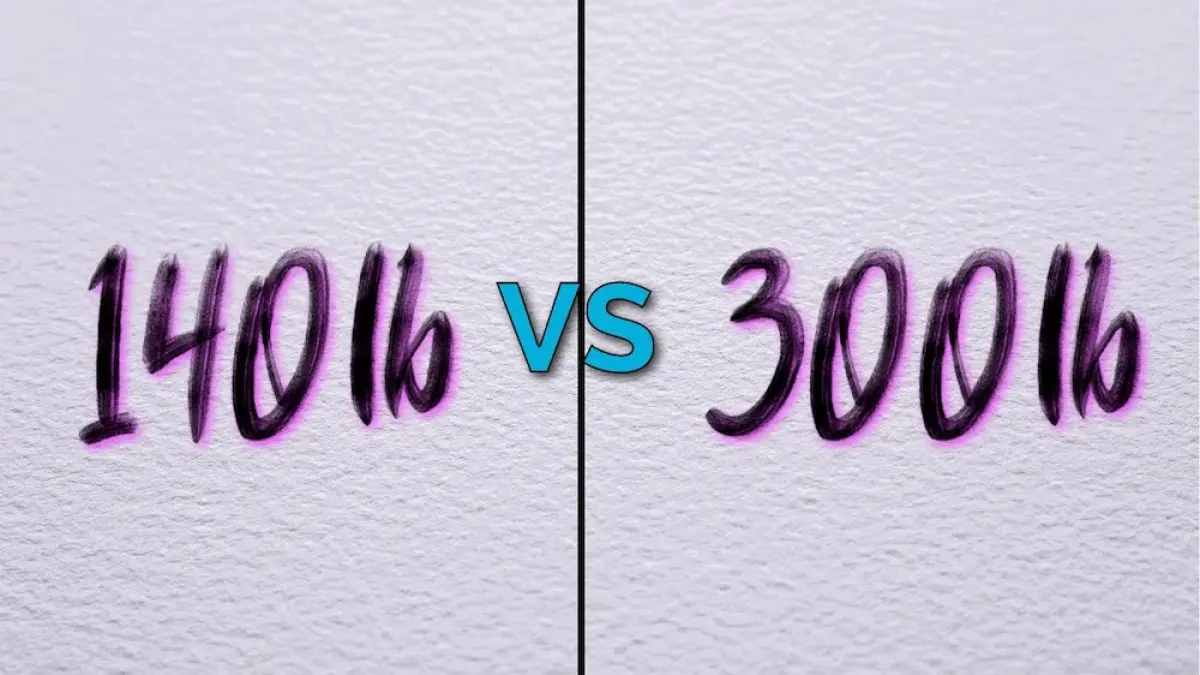
The best paper weight for watercolor is 140 lb (300 gsm). This thickness provides enough structural integrity to withstand heavy water application without excessive buckling or tearing. While lighter papers exist, they often require stretching to remain flat, whereas 140 lb paper offers the ideal balance of durability, absorbency, and professional performance.
On this page
Why 140 lb paper is the industry standard
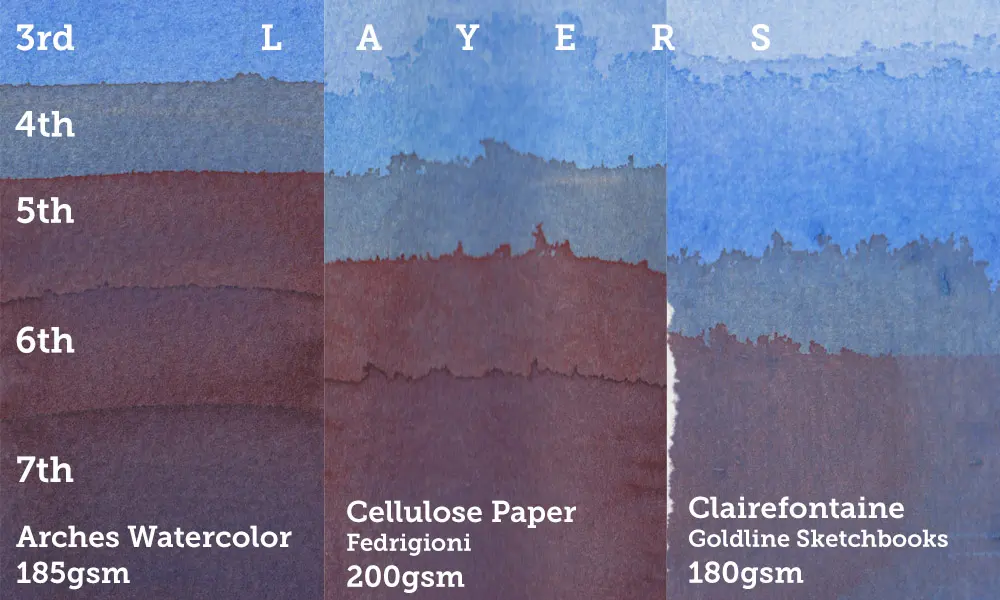
The weight of watercolor paper is measured by the mass of 500 sheets in a standard size, known as a ream. For watercolorists, 140 lb (300 gsm) is the gold standard because it is thick enough to hold significant amounts of water without disintegrating. When paper is too thin, the fibers saturate quickly, causing the surface to pill or tear under the friction of a brush. 140 lb paper strikes a perfect balance, allowing for multiple washes and glazing techniques while remaining affordable for daily practice.
Professional artists often choose this weight because it is versatile enough for both wet-on-wet and wet-on-dry techniques. While heavier options like 300 lb (640 gsm) exist, they are significantly more expensive and often unnecessary unless you are working on a massive scale or using extremely heavy-handed techniques. By choosing 140 lb paper, you ensure that your work remains stable throughout the painting process.
How to choose between cold press, hot press, and rough
Surface texture, or "tooth," is just as important as weight when selecting your paper. The manufacturing process determines how the paper fibers are compressed, which directly influences how your paint behaves on the surface. Understanding these textures helps you match your paper to your specific artistic style and desired level of detail.
- Cold Press: The most popular choice, featuring a slight texture that is perfect for beginners and general watercolor work.
- Hot Press: A smooth, hard surface that is excellent for fine detail, pen-and-ink work, and precise illustrations.
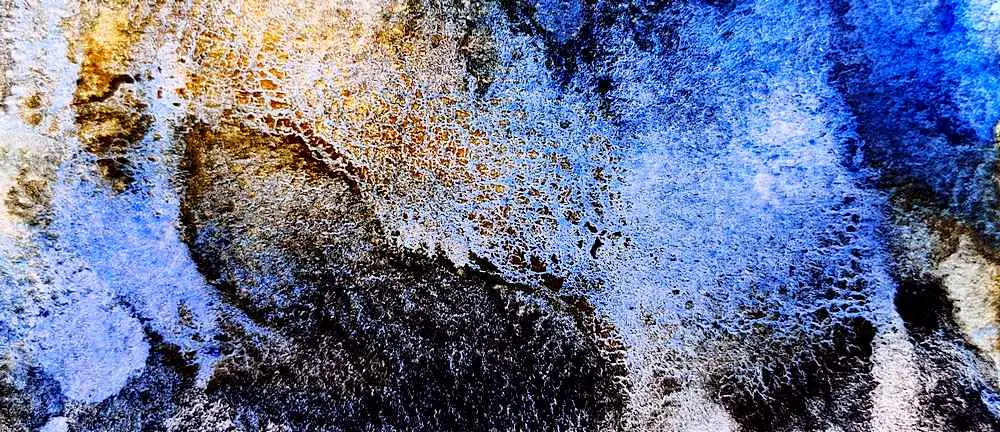
- Rough: A heavily textured surface that creates dramatic, broken color effects, ideal for expressive landscapes or loose, gestural paintings.
Selecting the right texture depends on your goals. If you enjoy fine detail, hot press is essential, as the paint will not settle into deep grooves. Conversely, if you prefer loose, atmospheric paintings, the deep texture of rough paper will help you create beautiful granulating effects. Most students find that cold press is the most forgiving and versatile starting point for their journey.
Common mistakes when preparing watercolor paper
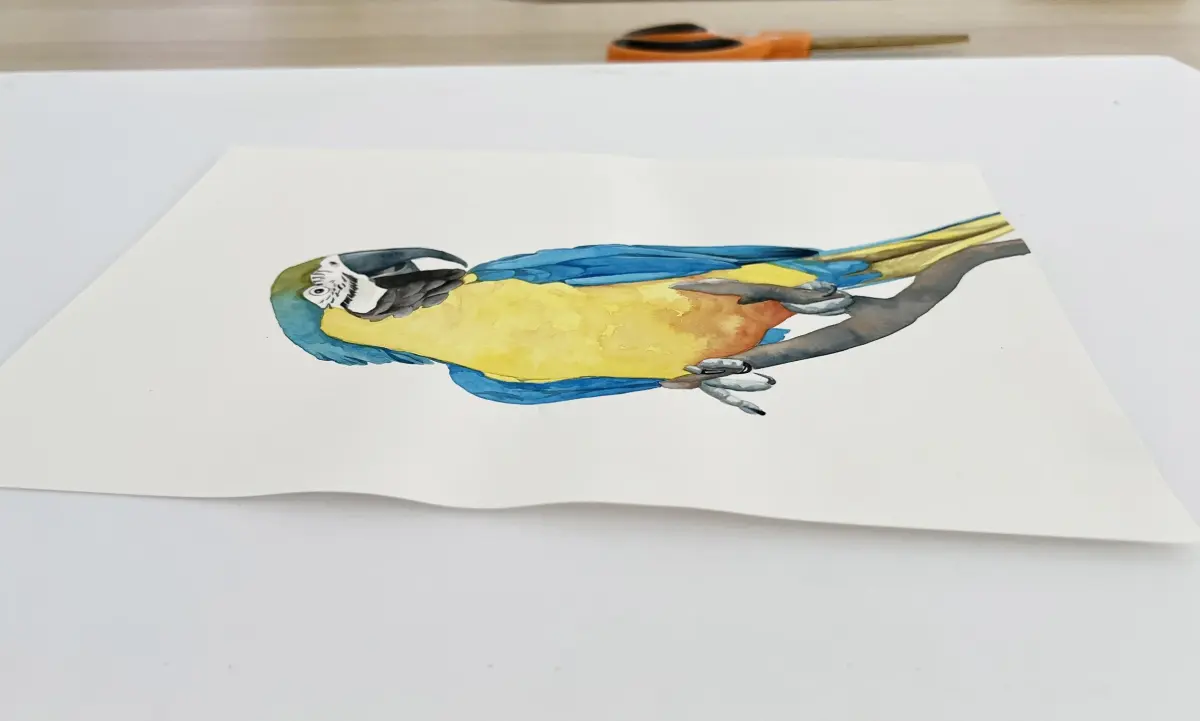
Many beginners fail to realize that paper preparation is a critical step in achieving professional results. One of the most common errors is failing to secure the paper properly before starting a painting. Even 140 lb paper can warp slightly when saturated, which can cause puddles of pigment to collect in the valleys of the buckled paper. This ruins the uniformity of your wash and can lead to watermarks.
To prevent these issues, follow these steps to prepare your surface:
- Soak your sheet of watercolor paper in a clean tray of water for about five to ten minutes.
- Lay the damp paper flat on a non-porous board, such as plexiglass or a sealed wooden surface.
- Use gummed paper tape to secure all four edges of the paper to the board.
- Allow the paper to dry completely, which will shrink it tight like a drum, ensuring it stays flat regardless of how much water you apply later.
Best paper brands for beginners and pros
Navigating the market of art supplies can be overwhelming due to the sheer volume of available brands. When shopping, look for papers labeled as "acid-free" and "archival," which ensure your work will not yellow or degrade over time. Cotton content is another vital factor; 100% cotton paper is superior to wood pulp or cellulose blends because it is more durable and handles water much more gracefully.
Top-tier brands like Arches, Fabriano, and Saunders Waterford are considered the industry leaders for cotton-based papers. These brands provide a reliable surface that allows for beautiful color lifting and blending. For those on a budget, student-grade papers like Canson XL or Strathmore 400 Series are acceptable for practice, but they lack the longevity and performance of professional cotton sheets. Investing in high-quality paper is often more beneficial for your growth than buying expensive brushes or paints, as the paper dictates how the medium behaves.
How to store and preserve watercolor paper
Proper storage is essential to maintain the integrity of your watercolor paper over time. Paper is highly sensitive to environmental factors, particularly humidity and light. If stored in a damp area, the paper can develop mold or lose its internal sizing, which is the chemical coating that prevents paint from soaking directly into the fibers. Always keep your paper flat in a cool, dry place away from direct sunlight to avoid premature yellowing or brittleness.
If you have leftover sheets, keep them in their original packaging or a portfolio case to prevent dust and debris from settling on the surface. Dust can interfere with the way paint adheres to the paper, leading to uneven washes or unwanted spots. By treating your paper with the same care you give your finished paintings, you ensure that your materials remain in peak condition for every creative session. Proper handling protects your investment and guarantees that your artistic process remains consistent and enjoyable for years to come.
Key facts
- Watercolor paper is measured by weight in pounds (lb) or grams per square meter (gsm).
- 140 lb (300 gsm) is the industry standard for most watercolor artists.
- Paper lighter than 140 lb requires stretching on a board to prevent buckling when wet.
- 300 lb (640 gsm) paper is thick enough to handle heavy water usage without warping.
- Cold press paper has a slight texture, while hot press is smooth and fine-grained.
- Always look for "acid-free" and "archival" labels to ensure your artwork does not yellow over time.
The bottom line
For most watercolorists, 140 lb (300 gsm) cold press paper made from 100% cotton is the ideal choice. It offers the perfect balance of durability, absorbency, and texture for various techniques. While lighter weights are cheaper, they often warp and frustrate beginners. Investing in professional-grade cotton paper ensures your colors remain vibrant and your finished paintings stand the test of time without yellowing or degrading.
People also ask
Does paper weight affect the final color of the painting?
Yes, heavier papers often contain more sizing, which keeps pigments on the surface rather than absorbing them into the fibers. This results in more vibrant, luminous colors compared to thinner, more absorbent paper.
What is the difference between cold press and hot press paper?
Cold press paper is pressed between cold rollers, leaving a textured surface that captures pigment in its "tooth." Hot press paper is pressed between heated rollers, creating a smooth surface ideal for fine detail and ink work.
Can I use regular printer paper for watercolor?
No, standard printer paper is too thin and lacks the necessary sizing to handle water. It will disintegrate, pill, and warp immediately upon contact with wet paint.
What is "sizing" in watercolor paper?
Sizing is a gelatinous substance added to the paper to control its absorbency. It acts as a barrier that prevents the paint from soaking too deeply into the fibers, allowing for better color blending.
Should I choose cotton or wood pulp paper?
Cotton paper is the professional choice because it is durable, archival, and handles water beautifully without tearing. Wood pulp paper is cheaper but often yellows over time and is prone to buckling.
How do I know if my paper is high quality?
Look for the "100% cotton" label and professional brands like Arches, Fabriano, or Saunders Waterford. High-quality paper should feel substantial and have a consistent surface texture across the entire sheet.
This answer was created with the help of AI research tools and reference sources. Spotted an error? Let us know — we correct mistakes quickly. See our editorial policy.