What is earthenware?
Short answer
Earthenware is a type of porous, non-vitreous pottery fired at relatively low temperatures, typically between 1,000°C and 1,200°C. Because it remains slightly absorbent after firing, it must be glazed to become watertight. It is one of the oldest forms of ceramics, prized for its workability, vibrant color potential, and historical cultural significance.
On this page
What is earthenware made of?
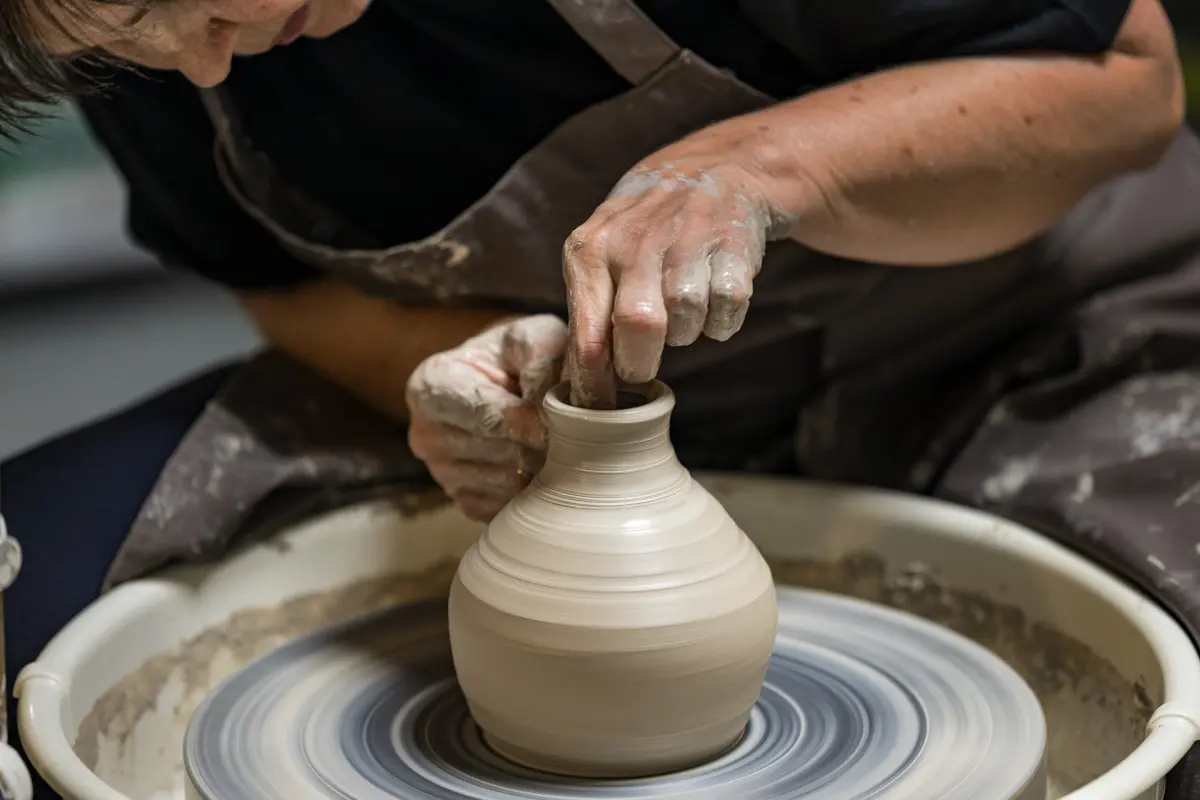
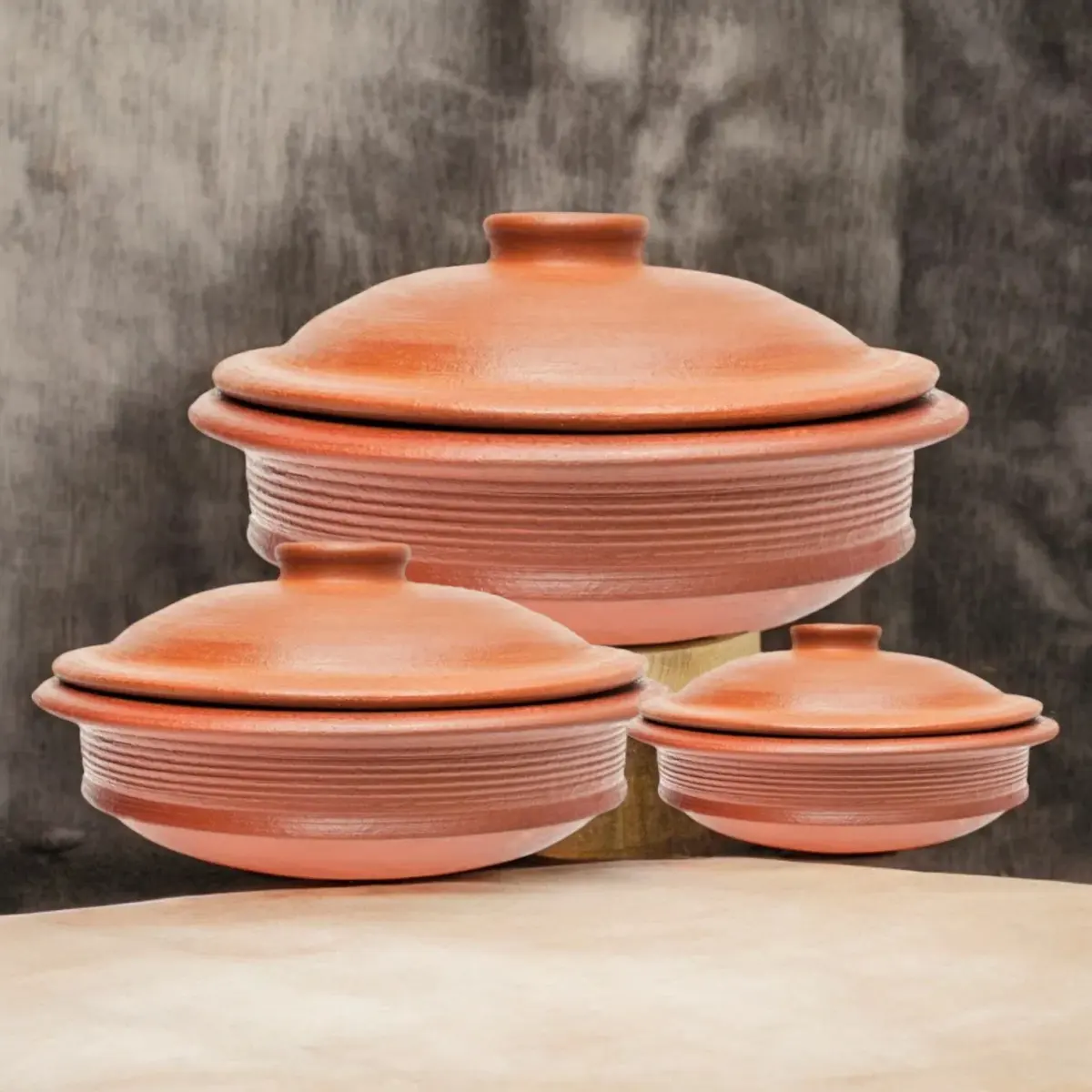
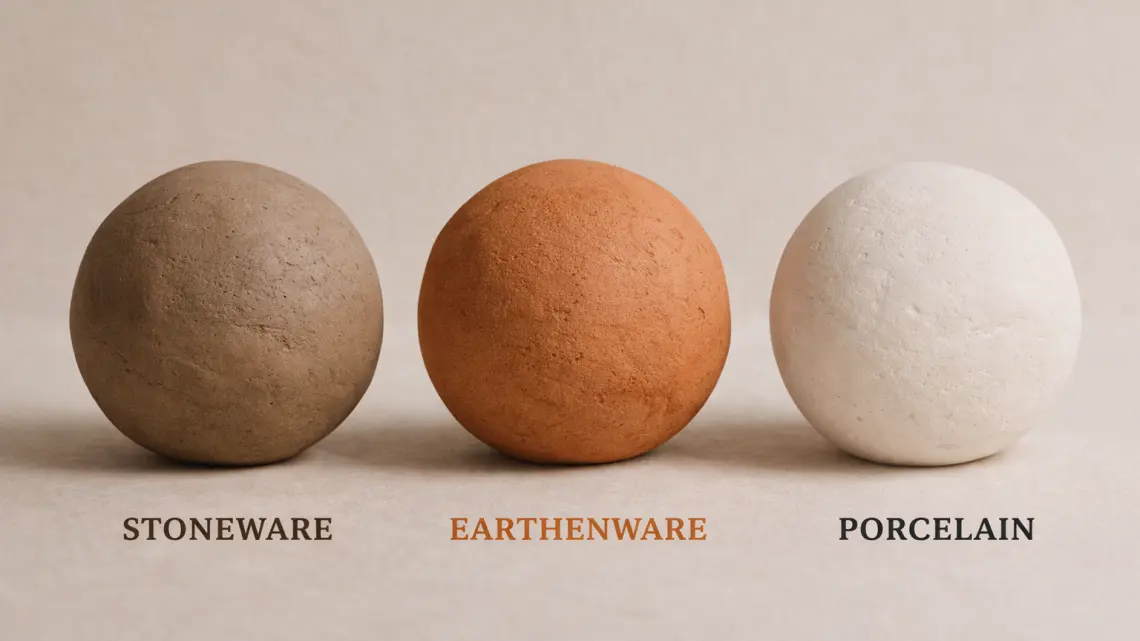
Earthenware is primarily composed of natural clay minerals, such as kaolinite, illite, and montmorillonite, often mixed with impurities like iron oxide. These iron deposits are what give traditional earthenware its characteristic reddish or brownish hue, though white-burning earthenware clays also exist. The clay is highly plastic, meaning it is easy to mold, throw on a wheel, or shape by hand, making it a favorite for both ancient artisans and modern hobbyists.
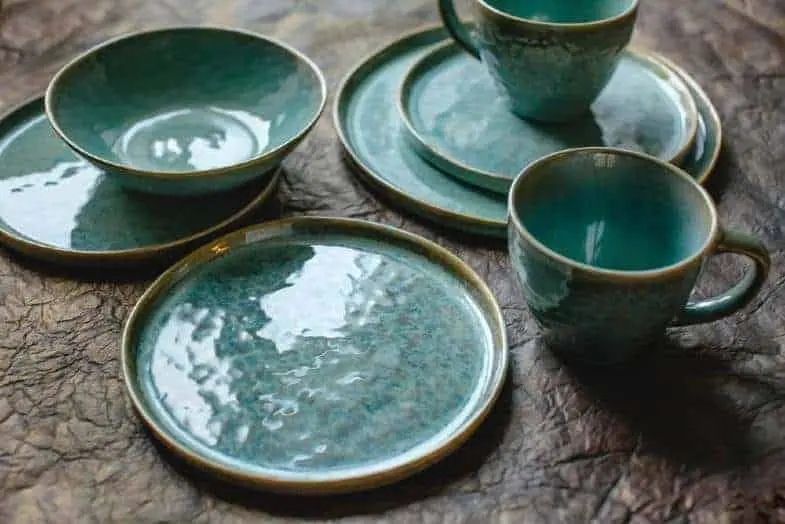
Because it is fired at lower temperatures than stoneware or porcelain, the clay particles do not fuse together completely. This process, known as sintering, leaves the finished piece with a porous structure. To make the object functional for holding liquids or food, a glaze must be applied to the surface. This vitreous coating seals the pores and provides a smooth, decorative finish. Common types of earthenware include:
- Terracotta: A reddish, unglazed or glazed clay used for flower pots and sculptures.
- Majolica: Earthenware decorated with opaque tin glazes.
- Faience: Fine, tin-glazed earthenware often mimicking porcelain.
- Creamware: A refined, light-colored earthenware developed in the 18th century.
How is earthenware fired?
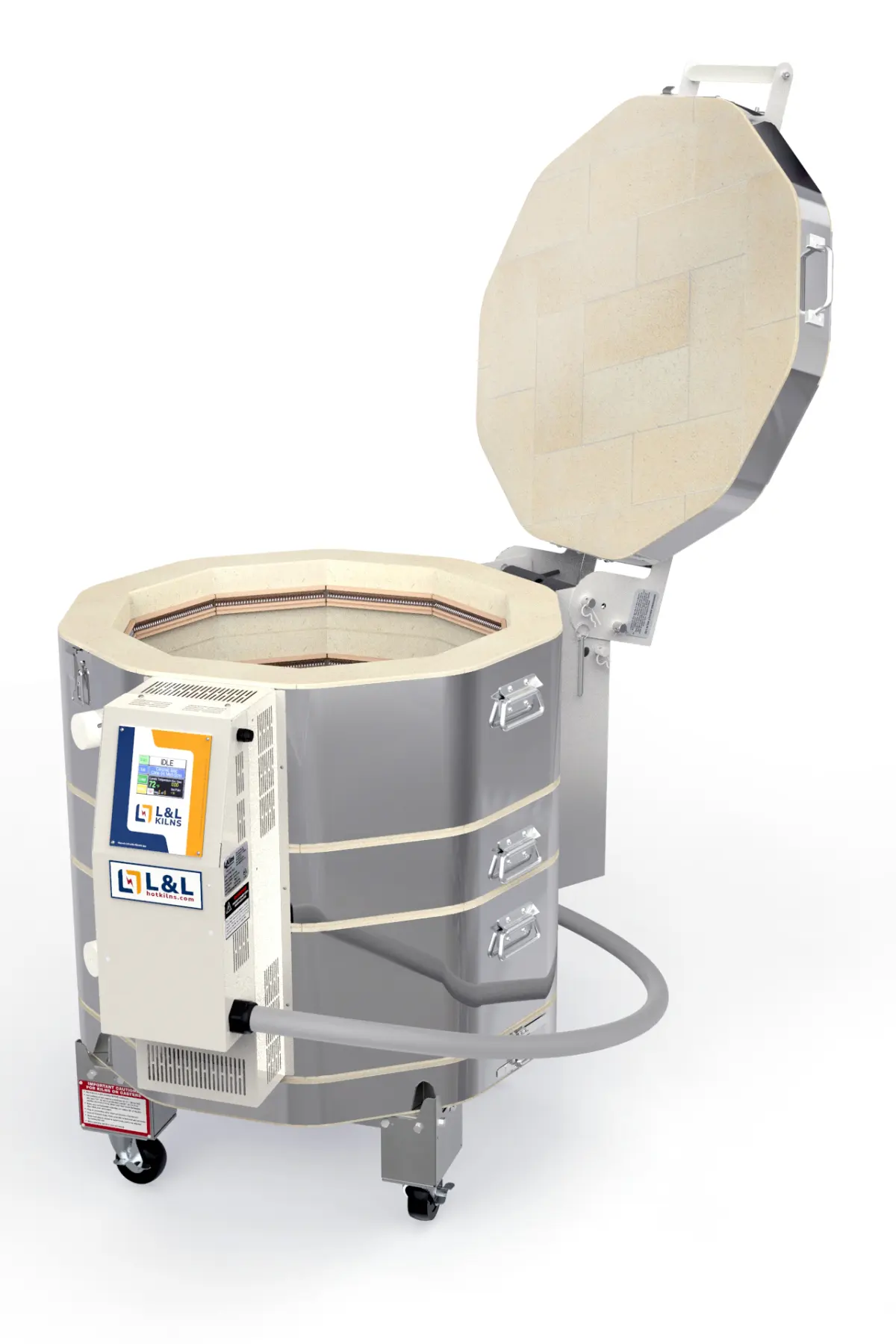
The firing process for earthenware is distinct because it requires less energy than other ceramic types. Most earthenware is fired in a kiln at temperatures ranging from 1,000°C to 1,200°C (1,832°F to 2,192°F). At these temperatures, the clay body hardens but does not undergo vitrification, which is the process that makes ceramics glass-like and non-porous. This lower temperature allows for the use of a wider variety of colorful glazes that would otherwise burn off or change color in the intense heat required for porcelain.
Potters typically follow a two-stage firing process to ensure the best results for their work:
- Bisque firing: The dried, raw clay (greenware) is fired to a lower temperature to harden it, making it durable enough to handle during the glazing process.
- Glaze firing: After the glaze is applied, the piece is fired a second time at a temperature specific to the glaze’s melting point to create a permanent, sealed surface.
Why use earthenware for pottery?
Earthenware remains popular today because it is affordable, accessible, and versatile. Its low firing temperature makes it much cheaper to produce than high-fire ceramics, as it requires less fuel and puts less stress on kiln elements. Furthermore, the clay is forgiving for beginners, as it is soft and easy to manipulate without requiring the high-speed spinning or precise moisture control needed for more temperamental clay bodies.
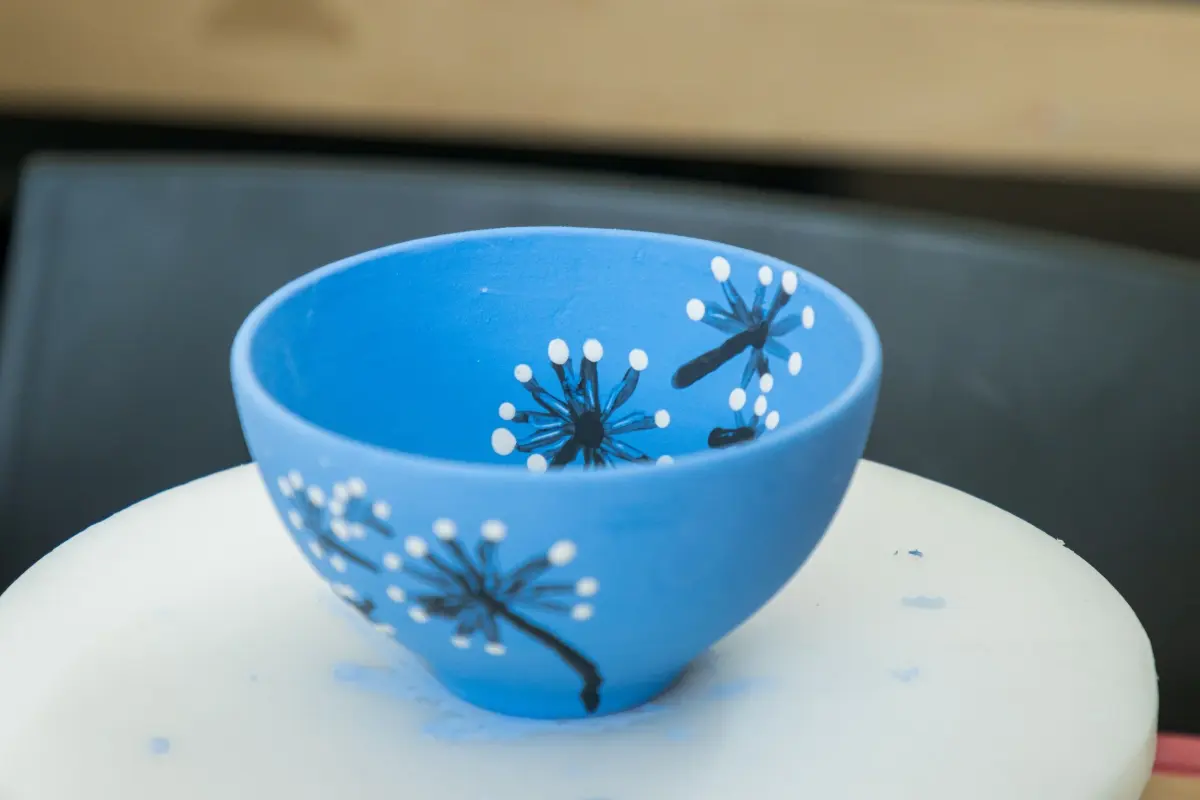
Beyond its physical properties, earthenware has a rich aesthetic appeal. The earth-toned body provides a warm, organic canvas that artists can decorate with slips, underglazes, or intricate overglaze enamels. Historically, it has served as the backbone of civilization, used for everything from storage jars and cooking vessels to decorative tiles and religious figurines. Because it is so abundant, it allows for mass production while still maintaining the ability to be crafted into unique, artisanal pieces.
Common mistakes when working with earthenware
Working with earthenware requires careful attention to moisture and structural integrity. One of the most frequent mistakes is failing to dry the piece completely before firing. If any moisture remains trapped inside the clay, it can turn into steam during the firing process, causing the piece to crack or even explode inside the kiln. Always allow your work to dry slowly and evenly in a room with consistent humidity.
Another common issue involves improper glazing techniques. If the glaze is applied too thickly, it may run or pool during the firing, causing the piece to fuse to the kiln shelf. Conversely, applying the glaze too thinly can lead to "crawling," where the glaze pulls away from the clay body, leaving bare, porous patches. To ensure success, follow these guidelines:
- Always clean the bottom of your piece thoroughly before firing to prevent it from sticking to the kiln shelf.
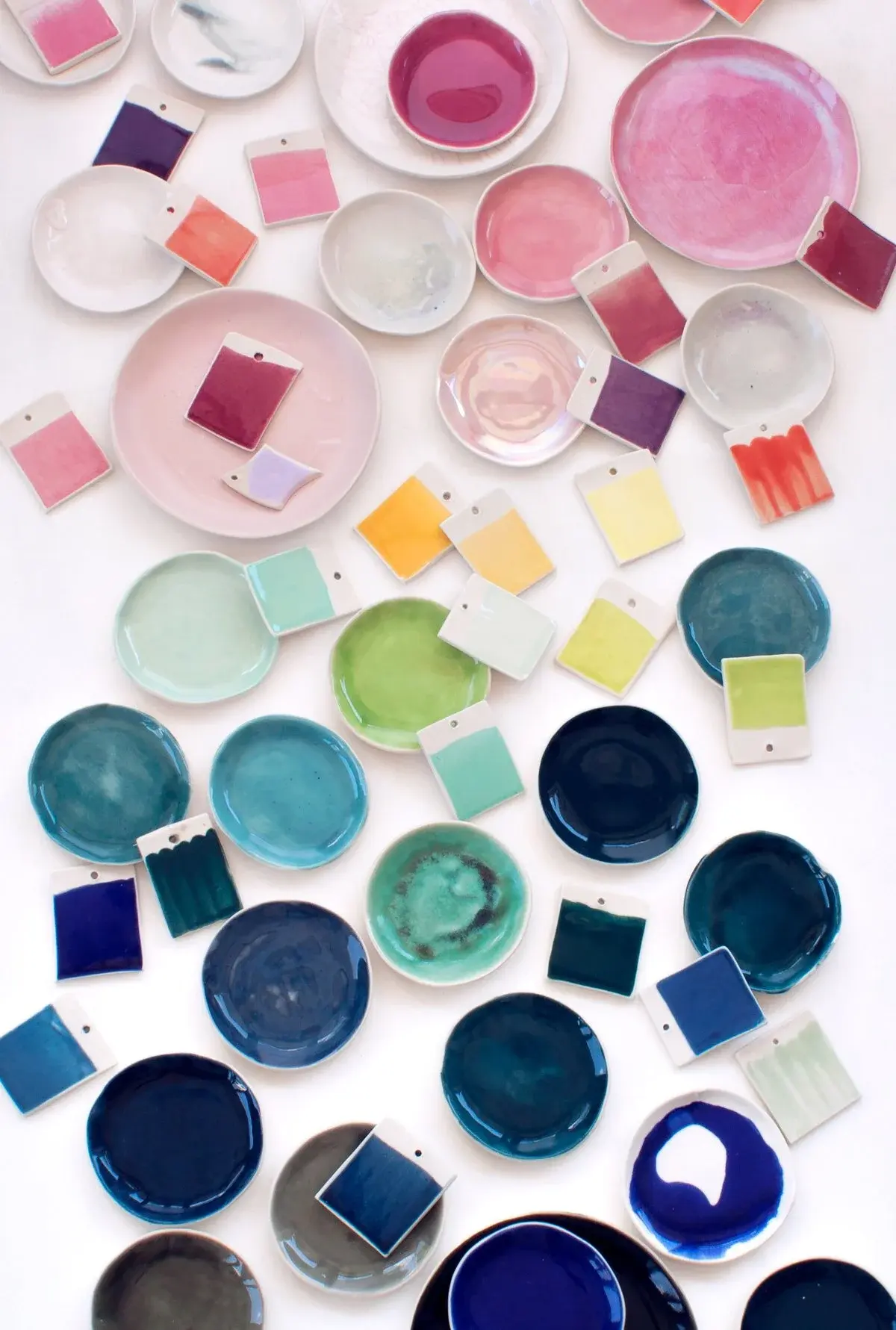
- Test your glazes on small sample tiles to see how they react to the specific firing temperature of your kiln.
- Use a wax resist on the foot of the pot to keep the area glaze-free.
Best practices for caring for earthenware
Because earthenware is porous, it requires specific care to maintain its longevity and hygiene. While many modern earthenware pieces are labeled as dishwasher safe, frequent exposure to high heat and harsh detergents can cause the glaze to develop tiny cracks, known as crazing. Once the glaze crazes, water can seep into the porous clay body, which may harbor bacteria or cause the object to weaken over time.
To keep your earthenware in the best condition, consider these practical maintenance tips:
- Hand wash your earthenware with mild soap and warm water rather than using a dishwasher.
- Avoid using earthenware for long-term storage of acidic liquids, which can eventually penetrate the glaze and degrade the clay.
- If a piece is unglazed, such as a terracotta pot, soak it in water before use to prevent it from pulling moisture away from the contents.
- Store your pieces in a dry location to prevent the absorption of ambient moisture, which can lead to mold growth in the porous clay.
Key facts
- Earthenware is a type of porous pottery fired at relatively low temperatures, typically between 1,000°C and 1,150°C.
- Because it remains porous after firing, earthenware must be coated with a glaze to become watertight and food-safe.
- It is the oldest form of pottery, with archaeological evidence dating back to the Jōmon period in Japan around 10,000 BCE.
- The clay used for earthenware is rich in iron and other minerals, which gives the finished product its characteristic reddish or brownish hue.
- Earthenware is generally thicker and less durable than stoneware or porcelain, making it prone to chipping if handled roughly.
- To avoid damage, hand-wash earthenware rather than using a dishwasher, as the high heat and harsh detergents can cause the glaze to craze or crack.
The bottom line
Earthenware represents the foundational history of human ceramic craft, defined by its low-fire process and porous structure. While it offers a rustic, artisanal aesthetic perfect for decorative displays and specific culinary uses, it requires careful maintenance to ensure longevity. By understanding its limitations regarding water absorption and thermal shock, you can effectively incorporate these timeless, earthy pieces into your home while avoiding common breakage or hygiene issues.
People also ask
Is earthenware safe for use in a microwave?
Generally, yes, provided the piece is labeled as microwave-safe and does not contain metallic glazes. Always check for cracks, as moisture trapped in the porous body can expand during heating and cause the item to shatter.
How can I tell the difference between earthenware and stoneware?
Earthenware is porous and usually opaque, while stoneware is non-porous and often rings when tapped. You can test for porosity by placing a drop of water on an unglazed area; if it soaks in, it is earthenware.
Why does my earthenware plate have tiny cracks in the glaze?
This is known as crazing, which occurs when the glaze and the clay body expand or contract at different rates during cooling. While often aesthetic, it can make the piece unhygienic if bacteria settle into the fissures.
Can earthenware be used for cooking in an oven?
Yes, but it must be placed in a cold oven and allowed to heat up gradually to prevent thermal shock. Sudden temperature changes will likely cause the clay to crack or break.
What is the primary advantage of using earthenware?
Earthenware is inexpensive to produce and easy to shape, making it ideal for decorative items and rustic tableware. Its porous nature also allows for excellent heat retention in specific cooking vessels like clay bean pots.
Does earthenware require special storage?
Store earthenware in a dry environment and ensure it is completely dry before stacking. If the piece remains damp, it may develop mildew or odors due to its absorbent nature.
This answer was created with the help of AI research tools and reference sources. Spotted an error? Let us know — we correct mistakes quickly. See our editorial policy.