What is stoneware?
Short answer
Stoneware is a durable, non-porous ceramic fired at high temperatures, typically between 2,100°F and 2,370°F. Made from dense, vitrified clay, it is prized for its strength, chip resistance, and heat retention. Often finished with a glaze, it serves as a versatile, practical choice for both functional kitchenware and decorative pottery pieces.
On this page
What is stoneware made of?
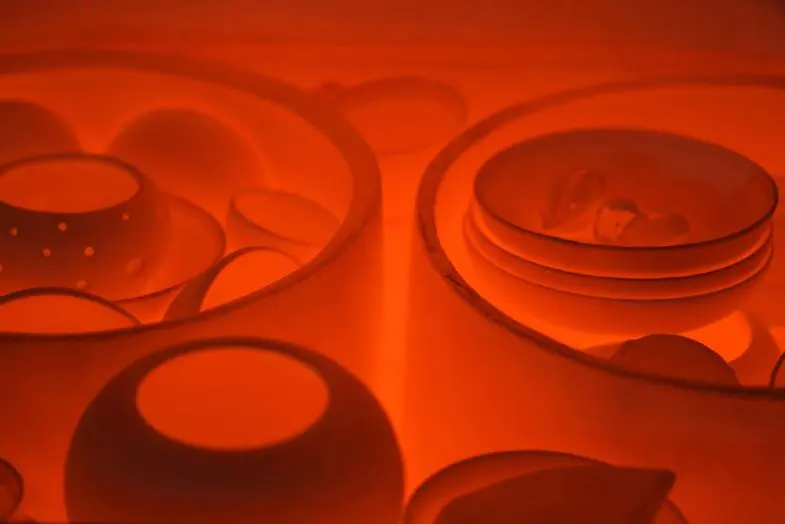
Stoneware is crafted from a specific type of clay that contains a high percentage of silica and fluxing agents. When fired at high temperatures, these minerals melt and fuse together in a process known as vitrification. This chemical transformation turns the clay into a glass-like, non-porous material that does not require a glaze to be watertight, although most functional pieces are glazed for aesthetic and sanitary reasons.
The clay body is typically gray, tan, or brown in its raw state, depending on the mineral content and impurities present in the earth where it was mined. Because it is a natural material, the exact composition can vary significantly between regions. Potters often blend different clays to achieve specific working properties, such as plasticity for throwing on a wheel or structural stability for large hand-built sculptures.
- Silica: Provides the structural glass-like skeleton.
- Flux: Lowers the melting point to encourage vitrification.
- Alumina: Adds stability so the piece keeps its shape during firing.
- Iron oxide: Often responsible for the natural, earthy colors of the clay.
How is stoneware different from porcelain and earthenware?
The primary distinction between ceramic types lies in their firing temperature and density. Earthenware is fired at much lower temperatures, resulting in a porous, fragile material that must be glazed to hold water. Porcelain, conversely, is fired at extremely high temperatures using kaolin clay, producing a white, translucent, and highly refined product that is more delicate than stoneware.
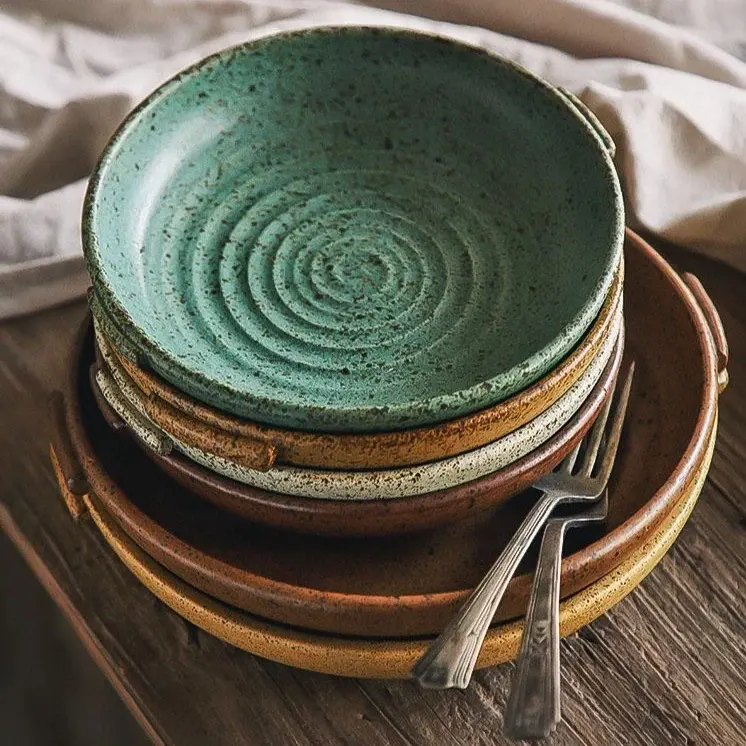
Stoneware occupies the middle ground, offering the robustness of high-fire clay without the extreme fragility or translucency of porcelain. While porcelain is often reserved for fine dining or decorative objects, stoneware is the workhorse of the kitchen. Its density makes it heavier and less prone to chipping, which is why it has been the preferred material for storage crocks, mixing bowls, and everyday dinnerware for centuries.
- Earthenware: Fired at 1,800°F to 2,000°F; porous and requires thick glazing.
- Stoneware: Fired at 2,100°F to 2,370°F; vitrified, durable, and chip-resistant.
- Porcelain: Fired at 2,300°F to 2,500°F; translucent, delicate, and refined.
How to care for stoneware dinnerware
Proper maintenance ensures that stoneware remains a long-lasting staple in your home. Although the material is inherently durable, extreme temperature fluctuations can cause thermal shock, leading to cracks or breakage. To protect your pieces, always avoid moving them directly from a cold freezer into a preheated oven. Instead, allow the dish to reach room temperature before applying heat.
Most modern stoneware is dishwasher and microwave safe, but it is wise to check the manufacturer’s instructions. If you are using vintage or handmade stoneware, hand washing is often the safest approach to prevent potential damage from harsh detergents or intense water pressure. When stacking plates, place a soft cloth or paper towel between them to prevent scratching the glaze, which is the most vulnerable part of the finished object.
- Avoid sudden temperature changes to prevent thermal shock.
- Use mild detergents when hand washing to preserve the glaze finish.
- Inspect pieces regularly for hairline fractures that could harbor bacteria.
- Use a soft sponge rather than abrasive scouring pads to clean surfaces.
Common mistakes when buying stoneware
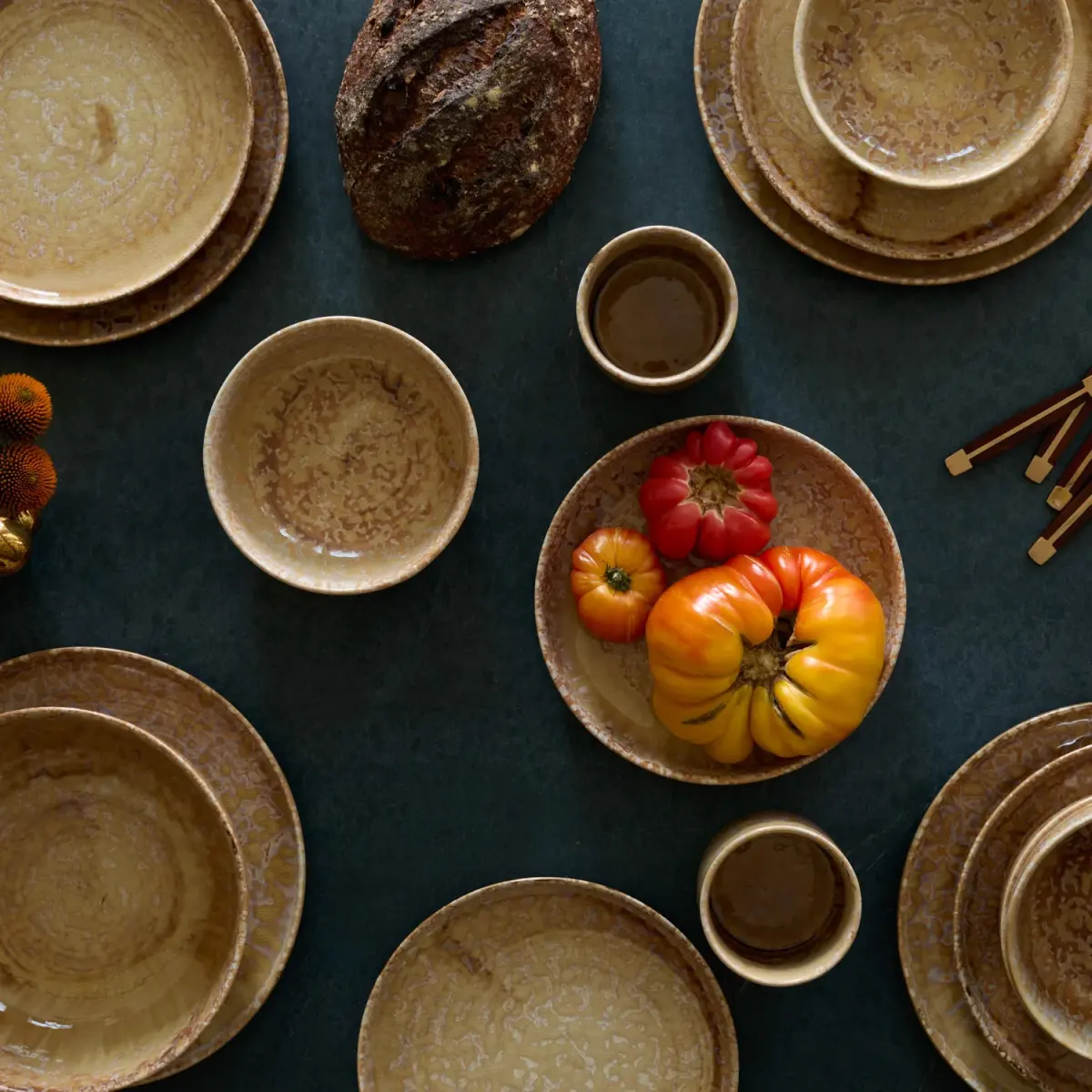
A frequent error consumers make is assuming that all "stoneware" is created equal. Some mass-produced items labeled as stoneware are actually semi-vitreous, meaning they have not been fired hot enough to become fully non-porous. These pieces may absorb moisture over time, which can lead to odors, staining, or even bacterial growth within the clay body. Always look for reputable brands that specify the firing temperature or verify that the item is fully vitrified.
Another mistake is ignoring the weight and thickness of the piece. While heavy stoneware is excellent for heat retention, it can be cumbersome for daily use if the design is poorly balanced. Additionally, buyers often overlook the quality of the glaze. A poorly formulated glaze may contain lead or cadmium, especially in older or imported items. Always ensure that any stoneware intended for food consumption is clearly marked as food-safe and lead-free by the manufacturer.
Why stoneware is popular for baking
Stoneware is a favorite among bakers because of its exceptional heat retention and even distribution. Unlike thin metal pans that can create hot spots and cause uneven browning, stoneware absorbs heat slowly and radiates it consistently throughout the baking process. This makes it ideal for items that require a crispy crust, such as artisan breads, pizzas, and roasted vegetables.
Over time, stoneware develops a natural patina, often referred to as "seasoning." As the clay absorbs small amounts of oils from the food being cooked, the surface becomes increasingly non-stick. This natural seasoning process is why many bakers refuse to wash their stoneware with soap, preferring to wipe it clean with hot water to maintain the protective layer. By treating the surface with care, you allow the material to improve in performance the more you use it, creating a unique piece that is tailored to your specific culinary habits.
Key facts
- Stoneware is a type of ceramic fired at high temperatures, typically between 2,150°F and 2,350°F.
- The high firing temperature causes the clay to vitrify, meaning it becomes non-porous and glass-like.
- It is significantly more durable and chip-resistant than earthenware, making it ideal for daily kitchen use.
- Stoneware is safe for use in microwave ovens, dishwashers, and conventional ovens.
- Avoid thermal shock by not moving stoneware directly from a freezer to a hot oven, as this can cause cracking.
- Unglazed stoneware, often used for baking stones, absorbs moisture to create a crisp crust on breads and pizzas.
The bottom line
Stoneware is a versatile, high-fired ceramic prized for its exceptional durability and non-porous nature. Because it resists chips and retains heat well, it serves as a reliable staple for both cooking and dining. By avoiding sudden temperature changes and using gentle cleaning methods, you can ensure your stoneware collection remains functional and attractive for many years, making it an excellent investment for any modern kitchen.
People also ask
Is stoneware the same as porcelain?
No, while both are vitrified, porcelain is made from a finer, white kaolin clay and is often translucent when thin. Stoneware is typically thicker, heavier, and composed of coarser, more plastic clay bodies.
Can stoneware be used on a stovetop?
Most stoneware is not designed for direct heat from a burner, which can cause uneven heating and breakage. Always check the manufacturer's instructions before using any ceramic piece on a stove.
Does stoneware contain lead?
Modern commercial stoneware is generally lead-free and food-safe. However, some vintage or handmade pieces may use glazes containing lead, so it is best to verify with the maker or use a home test kit.
Why does my stoneware have small cracks in the glaze?
This is known as crazing, which occurs when the glaze and the clay body expand and contract at different rates. It is usually a cosmetic issue rather than a structural failure.
How should I clean burnt-on food from stoneware?
Soak the piece in warm, soapy water and use a plastic scraper or a nylon brush to remove residue. Avoid harsh metal scouring pads, which can scratch the surface glaze.
Does stoneware need to be seasoned?
Unglazed stoneware, such as baking stones, benefits from seasoning with a light coating of oil before the first use. This helps build a natural, non-stick patina over time.
This answer was created with the help of AI research tools and reference sources. Spotted an error? Let us know — we correct mistakes quickly. See our editorial policy.