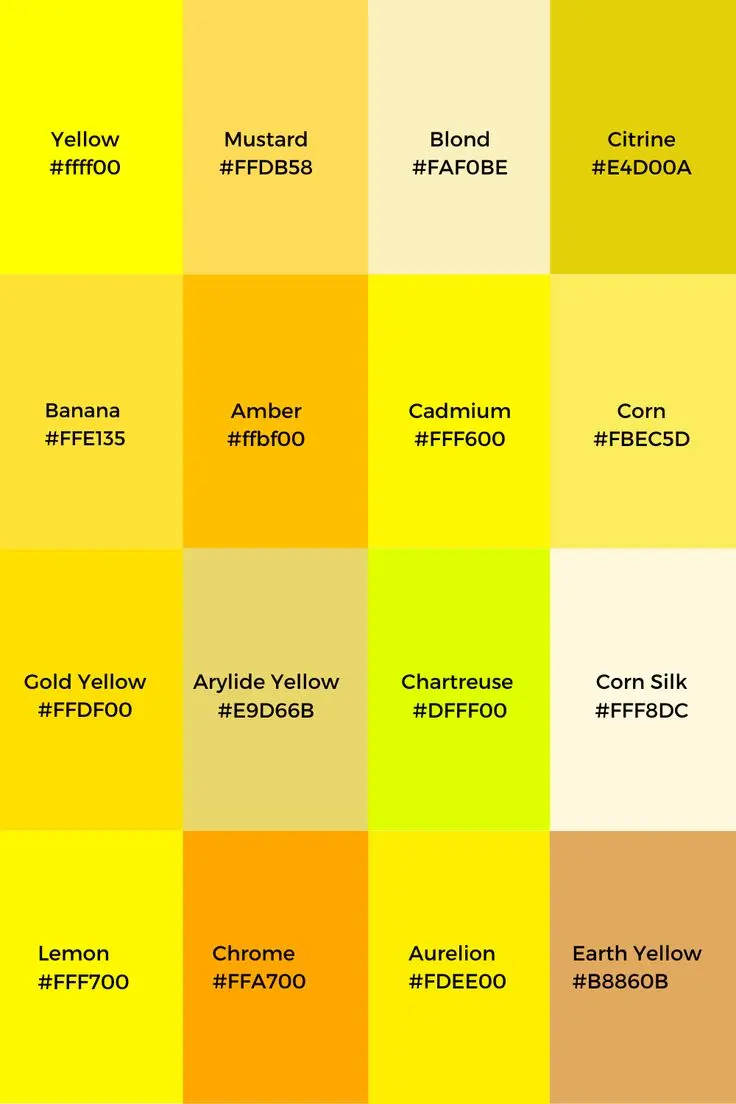
What colors go with mustard yellow?
Short answer
Mustard yellow pairs best with neutrals like charcoal, navy, and cream, or bold contrasts like forest green and deep plum. Because it is a saturated, earthy tone, it works harmoniously with warm wood textures and metallic accents. Balancing its intensity requires careful consideration of the surrounding palette’s temperature and overall saturation levels.
On this page
Which colors complement mustard yellow?
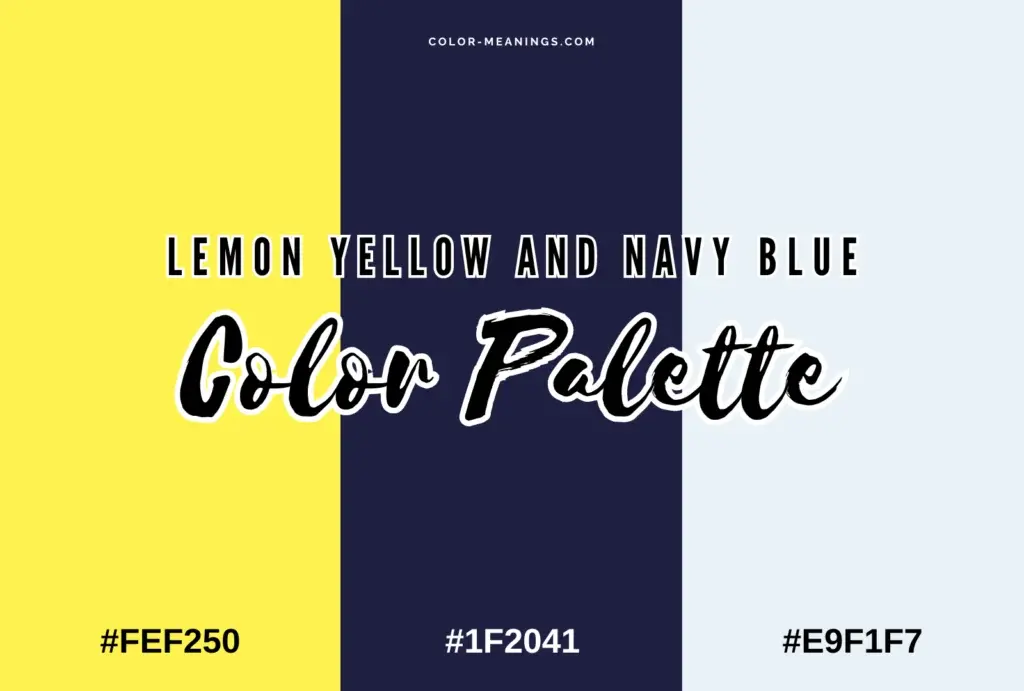
Mustard yellow is a complex, golden-hued shade that sits between primary yellow and earthy ochre. Because it possesses a strong warm undertone, it thrives when paired with colors that offer either high contrast or sophisticated balance. Navy blue is arguably the most successful pairing because it sits directly opposite yellow on the color wheel, creating a vibrant, complementary relationship that feels both classic and professional.
Beyond navy, other deep, cool-toned colors provide a grounding effect that prevents the mustard from feeling overwhelming in a space or outfit. Consider these effective color pairings:
- Charcoal gray: Provides a modern, industrial backdrop that makes the yellow pop.
- Forest green: Creates an organic, nature-inspired palette that feels cozy and grounded.
- Cream or off-white: Softens the intensity of mustard, preventing the harshness of a pure white contrast.
- Deep plum or eggplant: Offers a sophisticated, moody contrast that feels luxurious and unexpected.
How to use mustard yellow in interior design
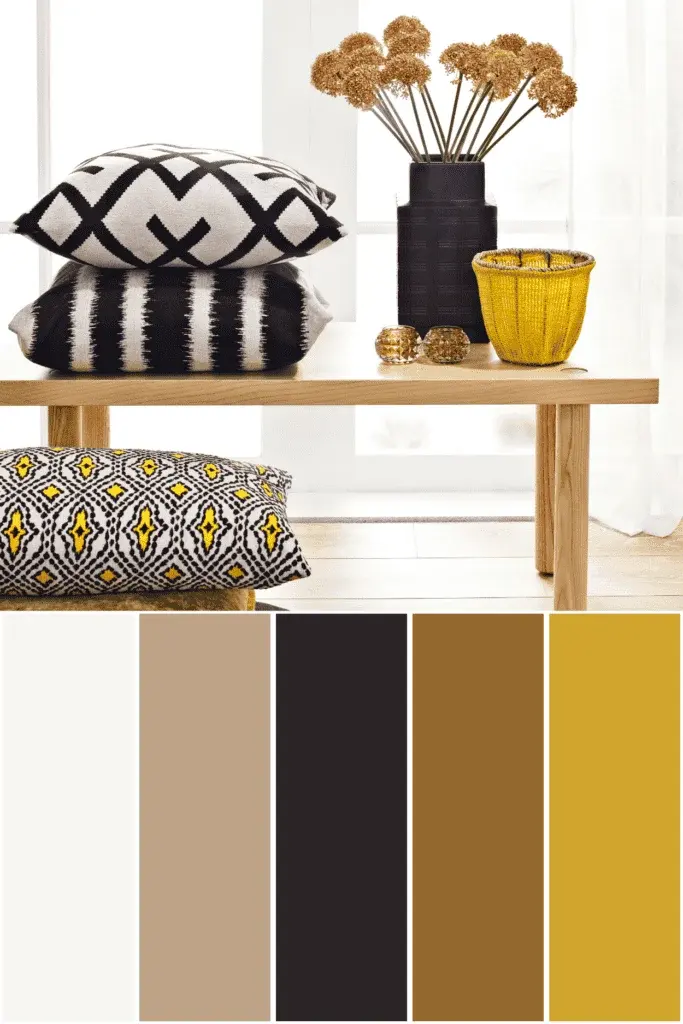
When incorporating mustard yellow into a room, the goal is to use it as an accent rather than a primary wall color. Large surfaces painted in mustard can quickly dominate a space, making it feel smaller or visually chaotic. Instead, focus on using the color in textiles, such as throw pillows, curtains, or a statement armchair, which allows you to update the room easily without a major renovation.
To create a balanced interior, follow these steps to integrate the color effectively:
- Select a neutral base for large items like sofas or rugs, such as light gray, beige, or navy.
- Introduce mustard yellow through smaller, intentional accessories to draw the eye.
- Incorporate natural textures like walnut wood, brass hardware, or woven rattan to complement the earthy nature of the yellow.
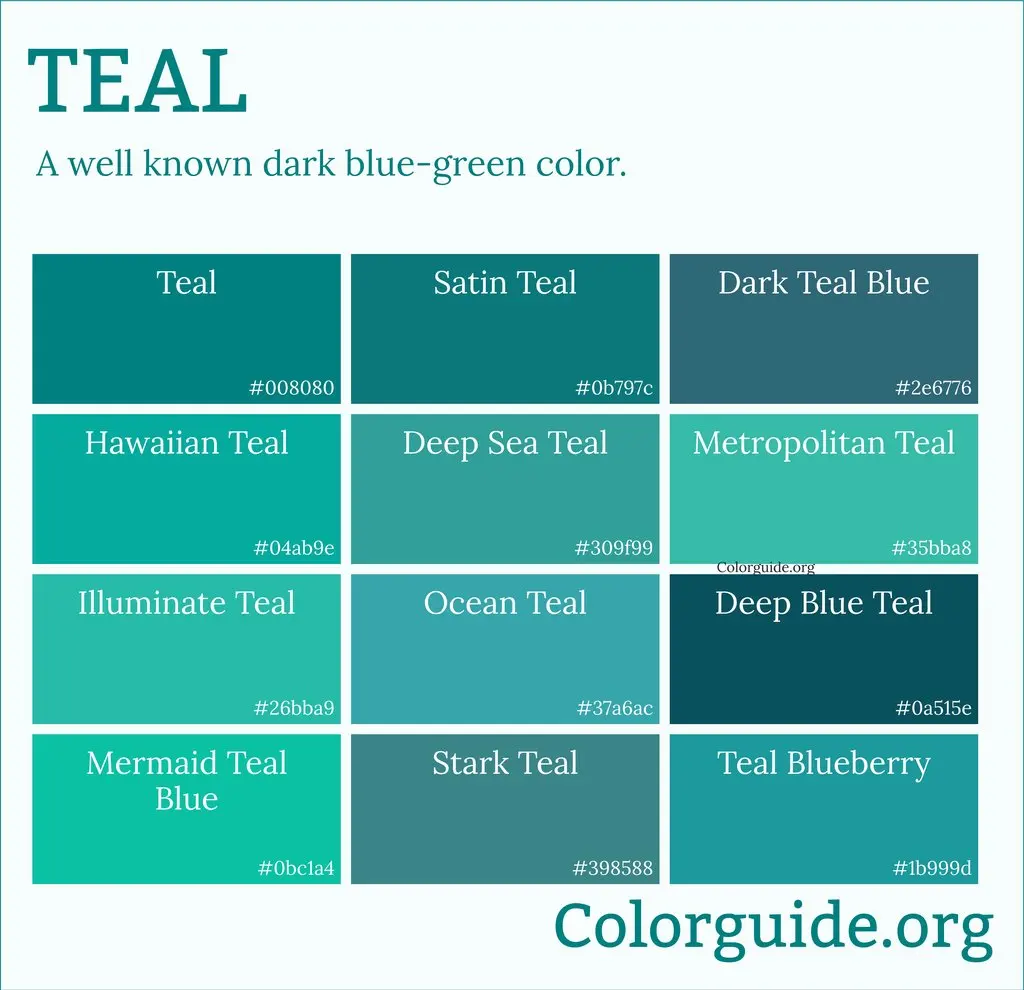
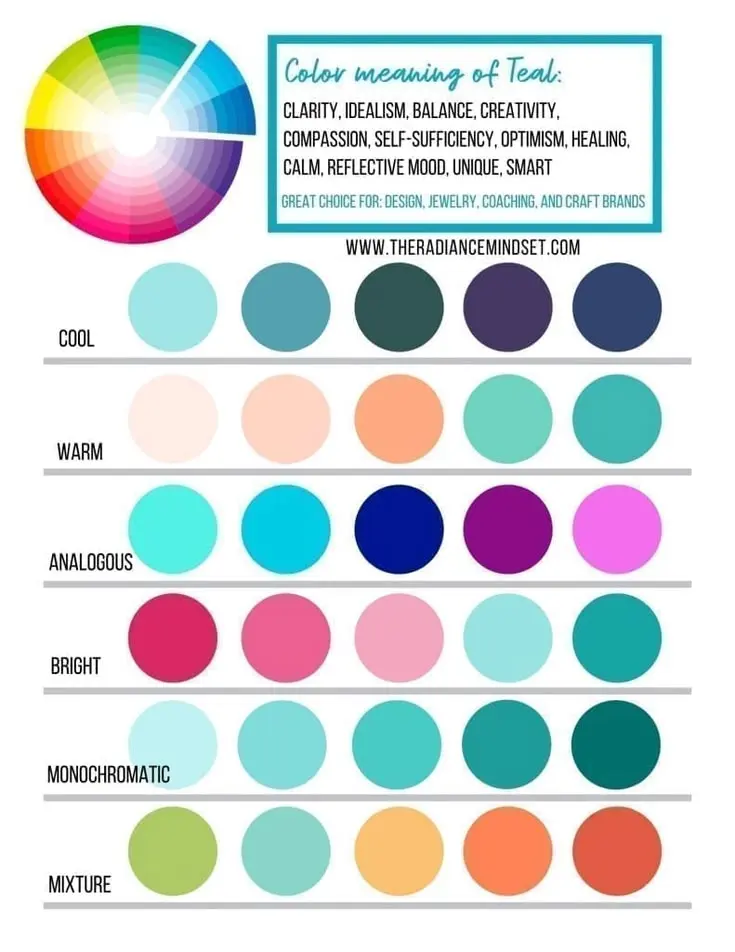
- Layer in a third accent color, such as teal or terracotta, to add depth and complexity to your overall design scheme.
Best clothing color combinations for mustard yellow
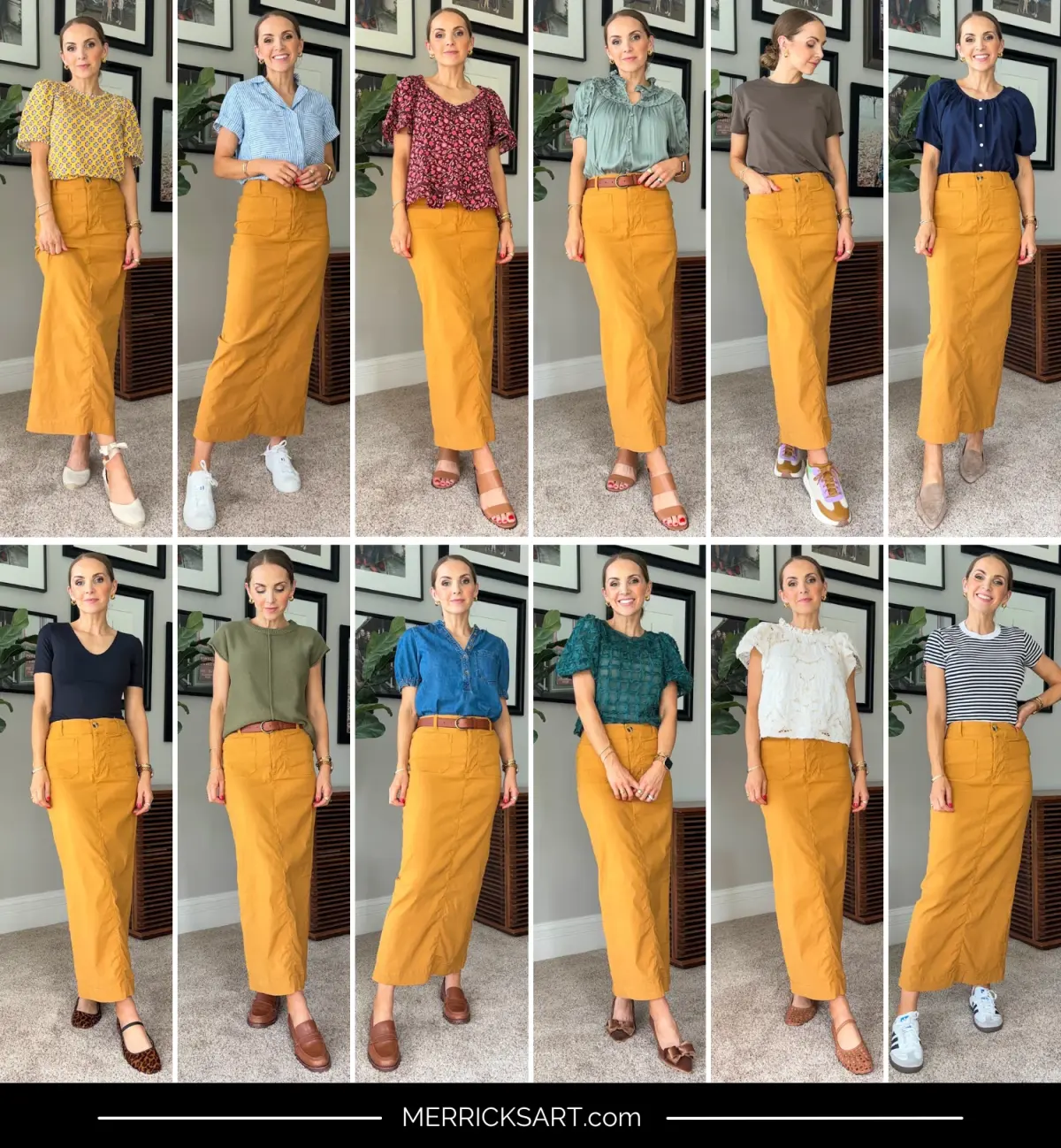
Mustard yellow is a versatile fashion choice that works well across all skin tones if paired correctly. For a professional look, combine a mustard blazer or sweater with navy trousers or a dark charcoal skirt. This combination feels authoritative yet approachable, making it suitable for creative office environments. If you prefer a softer aesthetic, pair mustard with cream, camel, or soft brown tones to create a monochromatic, autumnal ensemble.
For those looking to make a bolder statement, consider these color-blocking strategies:
- Pair mustard with emerald green for a high-fashion, high-contrast look.
- Combine it with denim blue for a casual, everyday outfit that feels timeless.
- Use black as a sharp, edgy anchor for mustard accessories, such as a handbag or scarf.
- Experiment with metallic accents like gold or bronze jewelry to enhance the warmth of the yellow fabric.
Why mustard yellow looks different in different lighting
Lighting significantly alters how mustard yellow is perceived, as the color relies heavily on ambient light to reveal its undertones. In rooms with abundant natural sunlight, mustard can appear brighter and more energetic, sometimes leaning closer to a true golden yellow. Conversely, in artificial lighting or dim spaces, the color can shift toward a darker, muddier brown, which may make it appear dull if not paired with the right lighting temperature.
When planning your palette, test your mustard-colored items in the exact space where they will reside. If you are using it in a dark hallway, ensure you pair it with lighter, reflective colors like cream or pale gray to prevent the area from feeling cavernous. If your space is bright, you have more freedom to pair it with darker, moodier shades like navy or forest green without the room feeling heavy or claustrophobic.
Common mistakes when styling mustard yellow
The most frequent error when working with mustard yellow is overusing it in a single space or outfit. Because it is a high-impact color, using it in too many places creates visual fatigue. Avoid matching mustard with other bright, primary colors like fire-engine red or royal blue, as these combinations often clash and feel disjointed. Instead, stick to one primary accent color and use neutrals to bridge the gap between different elements.
Another common pitfall is ignoring the undertones of the other colors in your palette. Mustard is an earthy, warm color; pairing it with "cool" whites that have blue undertones can make the yellow look dirty or sickly. Always opt for warmer neutrals, such as ivory, ecru, or greige, to ensure the mustard remains vibrant and intentional. By maintaining a focus on color temperature and limiting the quantity of the yellow, you can successfully integrate this bold shade into any professional or personal aesthetic.
Key facts
- Mustard yellow is a saturated, warm tone that functions best as an accent color rather than a primary wall color.
- Navy blue provides the highest contrast, creating a sophisticated and balanced look when paired with mustard.
- Earth tones like olive green, terracotta, and warm brown emphasize the organic, retro feel of mustard yellow.
- Charcoal gray or slate provides a modern, neutral backdrop that prevents mustard from appearing overly vibrant.
- Cream and off-white offer a safer, softer alternative to stark white, which can make mustard look too harsh.
- Avoid pairing mustard with bright neon colors, as the clashing intensities often create a chaotic and unappealing visual effect.
The bottom line
Mustard yellow is a versatile, warm hue that thrives when paired with high-contrast neutrals like navy or charcoal, or organic tones like olive and brown. To achieve a balanced look, treat it as an accent rather than a dominant color. By avoiding clashing neons and incorporating metallic touches, you can successfully integrate this vibrant, retro-inspired shade into a modern home or professional wardrobe with ease.
People also ask
Does mustard yellow go with black?
Yes, black creates a bold, high-contrast aesthetic that feels modern and edgy. Use black sparingly as an accent to ensure the mustard yellow remains the focal point of the room.
Can I pair mustard yellow with other bright colors?
You can, but it requires careful balance to avoid visual fatigue. Stick to one other saturated color, such as teal or plum, and use neutrals to bridge the gap between them.
Is mustard yellow considered a neutral color?
While it is a warm, earthy tone, it is not a true neutral. It acts as a "power color," meaning it commands attention and should be used intentionally to highlight specific design elements.
What metal finishes look best with mustard yellow?
Brushed brass and gold finishes complement the warmth of mustard yellow, creating a cohesive, luxurious look. If you prefer a cooler contrast, matte black or silver hardware also works effectively.
Should I use mustard yellow in a small room?
Mustard yellow can make a small room feel cozy, but painting all four walls may make the space feel cramped. Instead, use it for a single accent wall or through textiles like pillows and rugs.
How do I style mustard yellow for a professional look?
Combine mustard yellow with muted, professional neutrals like charcoal, navy, or camel. Keeping the surrounding palette sophisticated and monochromatic allows the yellow to add personality without appearing unprofessional.
This answer was created with the help of AI research tools and reference sources. Spotted an error? Let us know — we correct mistakes quickly. See our editorial policy.