What colors go with silver?
Short answer
Silver is a versatile, cool-toned metallic that pairs beautifully with both monochromatic palettes and bold contrasts. It excels alongside crisp whites, deep blacks, and cool blues, while providing a sophisticated edge to jewel tones like emerald or plum. When styling silver, balance its reflective, icy quality with varied textures and finishes.
On this page
Which colors complement silver in interior design?
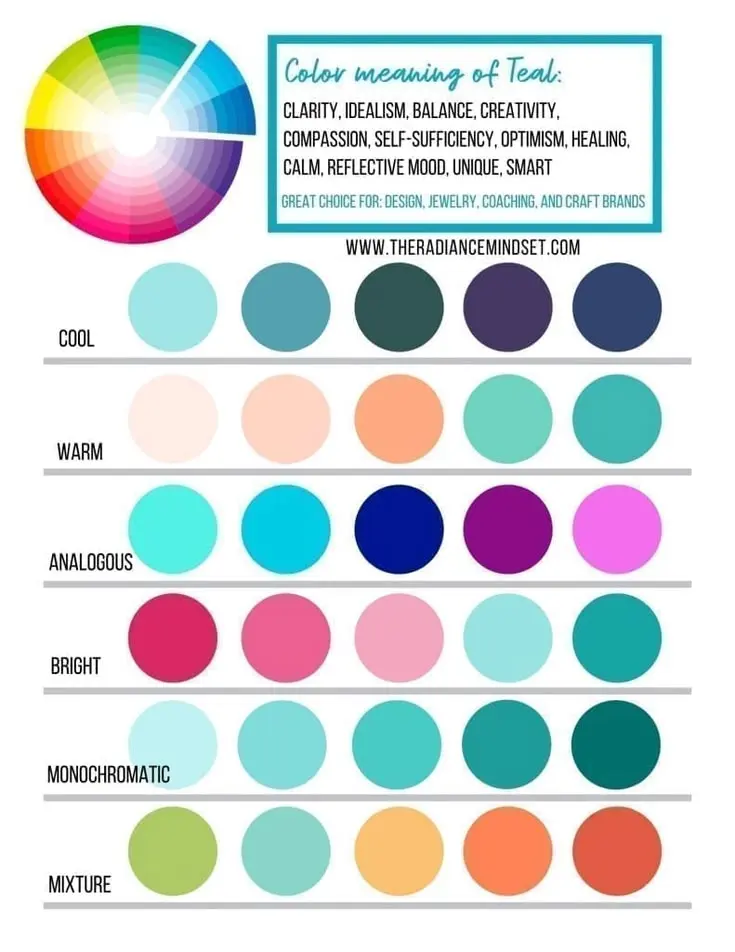
Silver acts as a neutral, making it highly adaptable for home decor. Because it carries cool undertones, it works best when paired with colors that share a similar temperature or those that provide a sharp, clean contrast. Crisp white is perhaps the most classic pairing, as it enhances the metallic sheen of silver without competing for attention. For a more dramatic or modern look, deep charcoal or matte black creates a sophisticated, high-contrast environment that makes silver accents pop.
If you prefer a softer aesthetic, consider pairing silver with muted pastels or cool-toned neutrals. These combinations maintain a serene, airy atmosphere that feels both elegant and understated. To create a balanced space, follow these guidelines:
- Use silver for hardware, light fixtures, or picture frames to provide subtle highlights.
- Combine silver with navy blue or slate gray to ground the room and prevent it from feeling too sterile.
- Incorporate textures like velvet or wool to warm up the space, as silver can sometimes feel cold or clinical in large quantities.
How to style silver jewelry with clothing colors?
When choosing clothing to wear with silver jewelry, consider the overall color temperature of your outfit. Silver is naturally flattering against cool-toned fabrics, such as jewel tones, icy blues, and crisp whites. If you are wearing black, silver provides a sharp, polished look that elevates the ensemble for formal occasions. For a more casual day look, try pairing silver with soft grays or denim, which allows the jewelry to stand out without feeling overly formal or flashy.
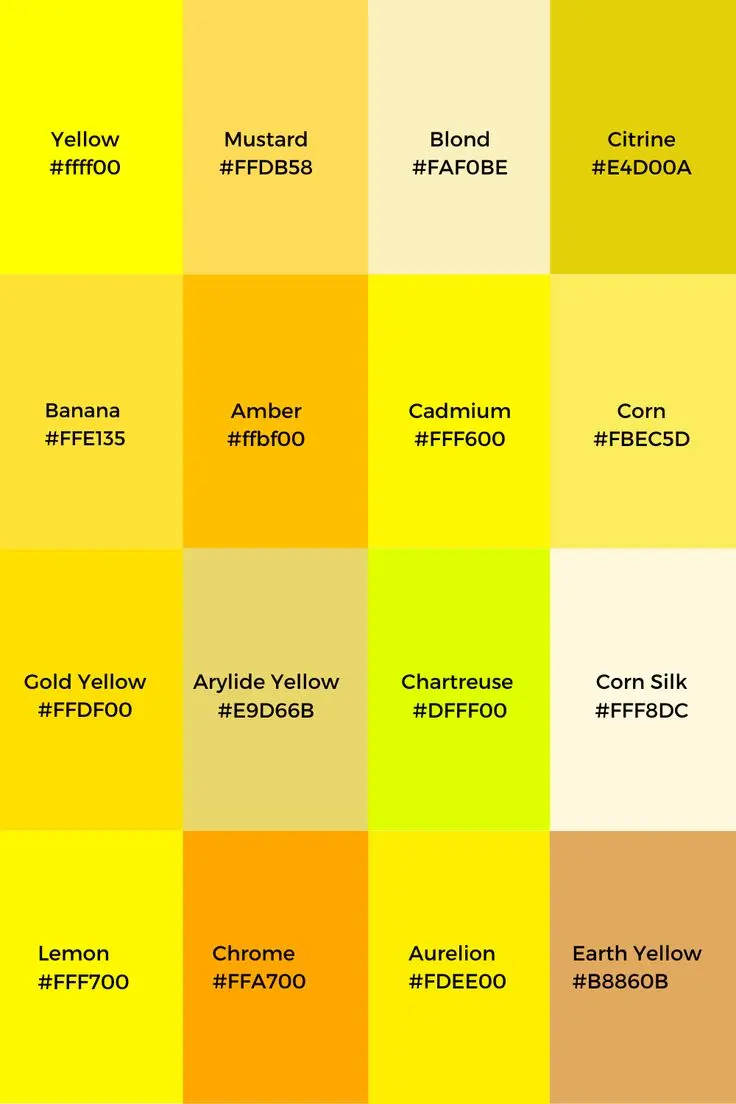
While silver is versatile, it can sometimes clash with warm, earthy tones like mustard yellow, olive green, or deep browns. If you want to wear these colors, look for silver pieces with unique textures or matte finishes to bridge the gap. To ensure your jewelry complements your wardrobe, follow these steps:
- Assess your outfit’s undertones; choose cool colors for a cohesive, professional look.
- Mix and match finishes, such as brushed or oxidized silver, to add depth to your outfit.
- Keep the scale of your jewelry in mind, ensuring that large silver statement pieces do not overwhelm delicate fabric patterns or bright colors.
Why does silver work well with monochromatic palettes?
A monochromatic color scheme relies on variations of a single hue, often incorporating different shades of gray, white, and black. Silver fits perfectly into this design philosophy because it functions as a reflective extension of the gray spectrum. By introducing silver into a monochromatic room or outfit, you add a layer of dimension that prevents the design from appearing flat or monotonous. The metallic surface catches light, creating focal points that draw the eye toward specific areas of interest.
The key to mastering this look is balancing matte and reflective surfaces. If your primary color is a matte charcoal, a high-polish silver accessory will create a striking visual tension. Conversely, if you are using a light, pearlescent white, a brushed silver finish will provide a more subtle, harmonious effect. This approach is particularly effective in minimalist design, where the goal is to create visual interest through texture and light rather than a wide variety of colors. By limiting your palette, you allow the silver to serve as a sophisticated, sparkling anchor.
Common mistakes when pairing colors with silver
A frequent error when working with silver is over-accessorizing, which can lead to a cluttered or chaotic appearance. Because silver has a high-shine quality, it naturally commands attention. When you pair it with too many other bright or competing colors, the overall effect can become overwhelming. Another common mistake is mixing too many different metallic finishes in a single space or outfit. While mixing metals is a popular trend, doing so without a clear plan can make the aesthetic feel disorganized rather than intentional.
To avoid these pitfalls, focus on consistency and restraint. If you are decorating a room, choose one primary metallic finish for your hardware and stick to it throughout the space. If you are styling an outfit, ensure that your silver jewelry shares a consistent tone, whether it is bright sterling or darkened antique silver. Avoiding these common mistakes ensures that your use of silver remains a deliberate design choice rather than an accidental addition. Remember that less is often more when dealing with high-reflectivity materials.
Best color combinations for formal occasions
For formal events, silver is a timeless choice that exudes elegance and refinement. It pairs exceptionally well with deep, saturated colors that provide a rich backdrop for its metallic luster. Emerald green, royal purple, and midnight blue are excellent choices, as they create a luxurious contrast that feels regal and polished. These combinations are particularly effective for evening wear, where the light can play off the silver surfaces to create a sophisticated, shimmering effect that stands out in dim settings.
When preparing for a formal event, consider the following color pairings for a high-end look:
- Deep burgundy with silver: This provides a warm, classic contrast that feels festive and sophisticated.
- Midnight blue with silver: A modern alternative to black that looks incredibly sharp and professional.
- Icy lavender with silver: A softer, more ethereal combination that is perfect for spring or summer formal gatherings.
By selecting these intentional combinations, you ensure that your silver accents contribute to a cohesive and high-fashion aesthetic that is appropriate for any formal setting.
Key facts
- Silver is a cool-toned metallic neutral that pairs best with other cool colors like navy, slate gray, and crisp white.
- Black and silver create a high-contrast, sophisticated look often associated with formal evening wear or modern industrial design.
- Jewel tones such as emerald green, royal blue, and deep purple provide a luxurious aesthetic when combined with silver accents.
- Soft pastels like lavender, baby blue, and pale pink create a delicate, airy atmosphere when balanced with silver hardware.
- Avoid mixing silver with warm, earthy tones like mustard yellow or terracotta, as these clash with the metallic's inherent cool undertones.
- When decorating, use silver as a secondary accent rather than a primary color to prevent a space from feeling cold or sterile.
The bottom line
Silver is a versatile, cool-toned metallic that excels when paired with colors that share its crisp, icy quality. By focusing on navy, black, white, and jewel tones, you can create a balanced and elegant aesthetic. Always consider the undertones of your secondary colors, and remember that silver works best as a refined accent rather than an overwhelming primary feature in your home or wardrobe.
People also ask
Can you mix silver and gold jewelry?
Yes, mixing metals is a popular trend that adds visual interest to an outfit. To make it look intentional, choose one metal as the dominant piece and use the other for smaller, layered accents.
Is silver better suited for cool or warm skin tones?
Silver generally complements cool skin tones, which often have blue or pink undertones. People with warm, golden undertones typically find that gold or copper jewelry flatters their complexion more effectively.
How do I incorporate silver into a room with warm lighting?
If you have warm lighting, use silver in matte or brushed finishes rather than high-gloss chrome. This softens the reflection and prevents the silver from looking jarring against the yellow-toned light.
Does silver go with beige?
Silver and beige can be difficult to pair because beige is a warm neutral. If you must combine them, opt for a cool-toned greige or a very light, silver-toned gray to bridge the gap.
What is the best way to clean silver accessories?
Use a soft, lint-free microfiber cloth to polish silver regularly and prevent tarnish. For deeper cleaning, use a mild soap solution and ensure the item is completely dry before storage.
Should I use silver or chrome for bathroom fixtures?
Chrome is more durable and resistant to water spots, making it ideal for high-traffic bathrooms. Silver-plated items are better suited for decorative purposes where they will not be exposed to constant moisture.
This answer was created with the help of AI research tools and reference sources. Spotted an error? Let us know — we correct mistakes quickly. See our editorial policy.