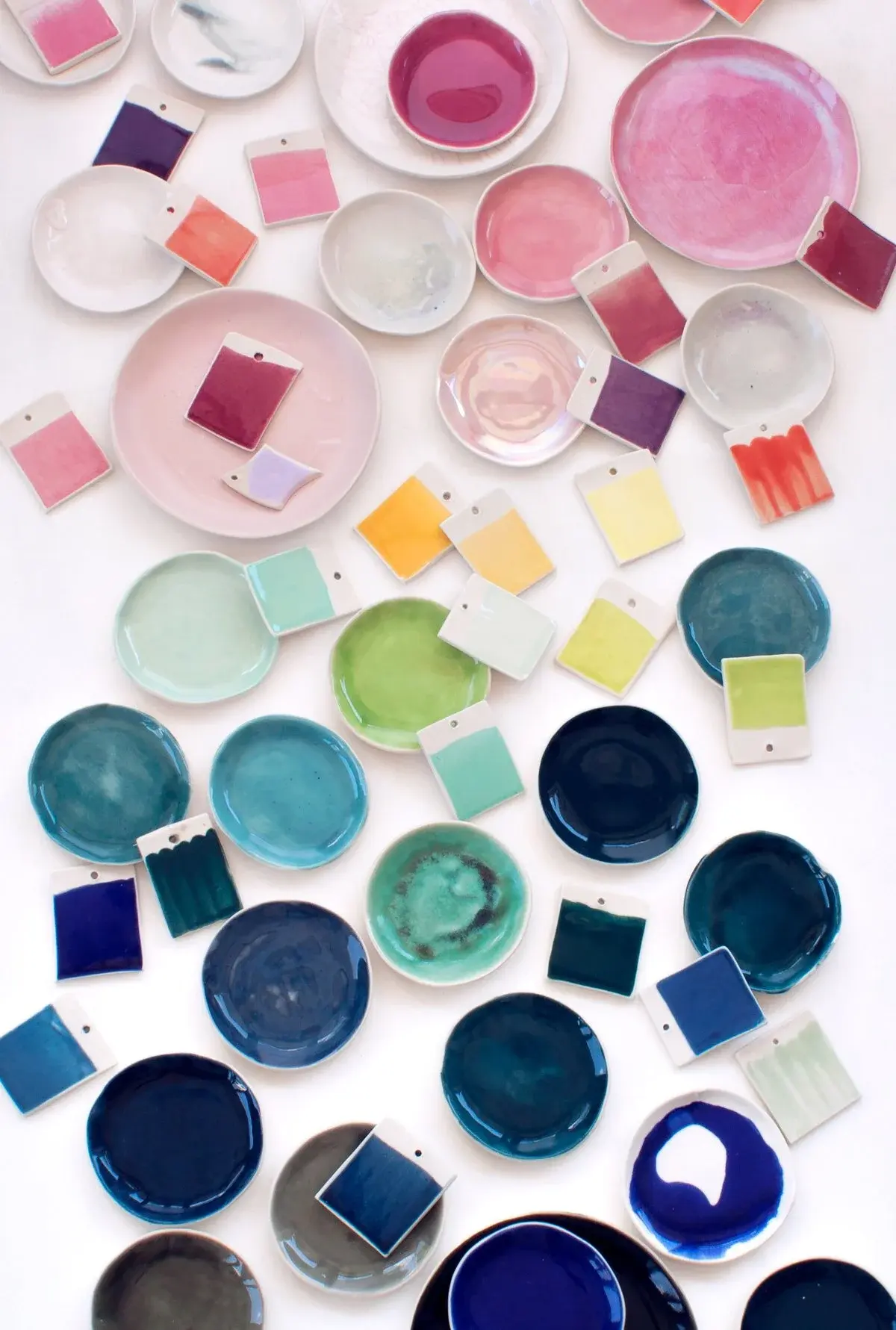
What is sgraffito?
Short answer
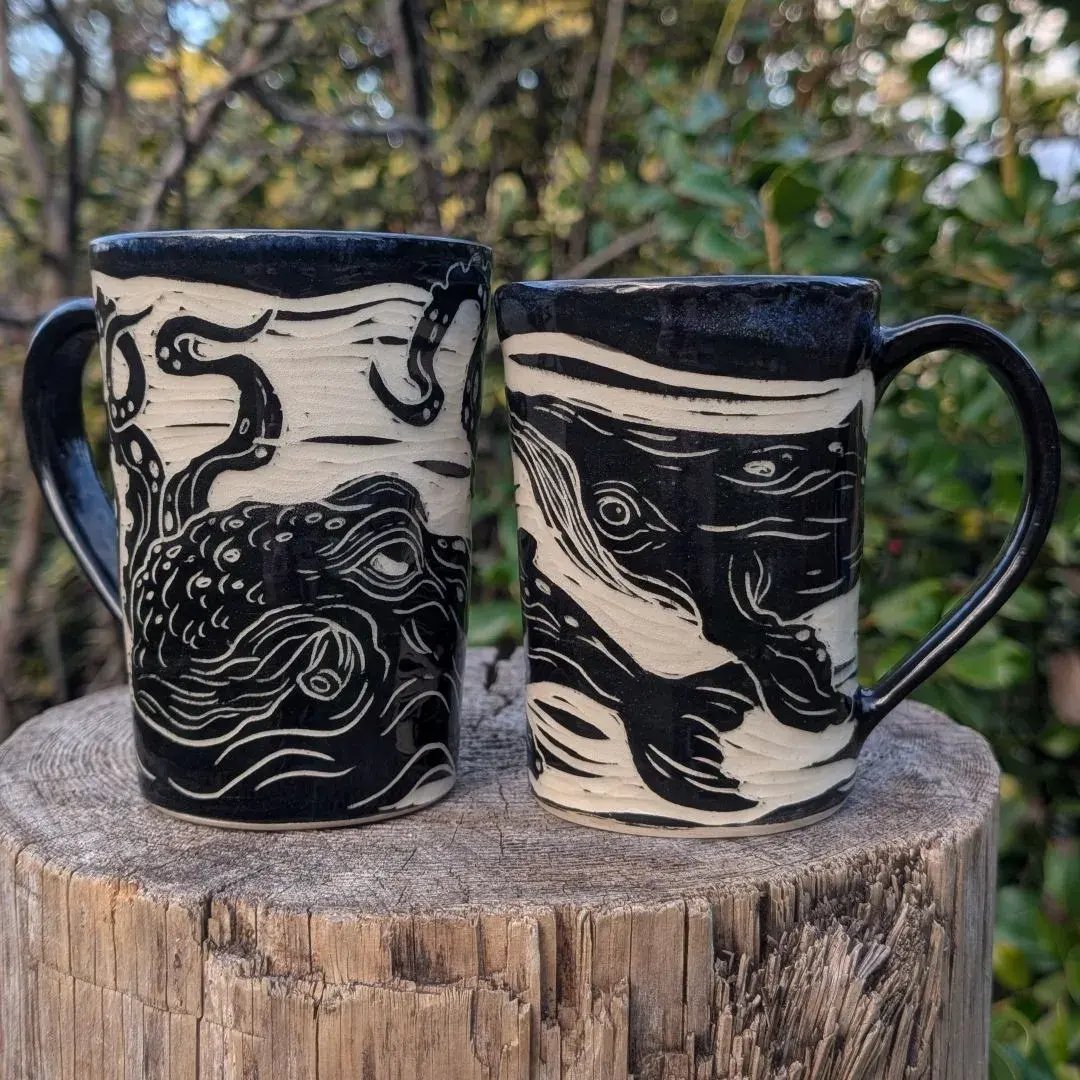
Sgraffito is a decorative technique involving the scratching of a design through a surface layer of contrasting material to reveal a different color underneath. Derived from the Italian word "sgraffiare," meaning to scratch, it is widely used in ceramics, plasterwork, and mural painting to create bold, graphic imagery with high visual contrast.
On this page
What is the history of sgraffito?
Sgraffito has been practiced for millennia, appearing in various forms across ancient civilizations. Archaeologists have discovered prehistoric pottery featuring simple incised patterns, while the technique reached a significant level of sophistication in the Islamic world and during the Italian Renaissance. In 15th-century Italy, architects frequently used sgraffito to decorate the façades of buildings, applying layers of tinted plaster to create intricate, monochromatic patterns that mimicked the look of carved stone or elaborate frescoes.
The durability of the technique made it an ideal choice for exterior architecture in harsh climates. By layering dark mortar beneath a lighter topcoat, artists could ensure that the design remained visible even as the building weathered over time. Today, the method remains a staple in contemporary studio pottery and public art installations. It serves as a bridge between historical craftsmanship and modern design, allowing artists to achieve clean, precise lines that define complex narratives or abstract geometric compositions on both clay vessels and structural walls.
How do you do sgraffito on pottery?
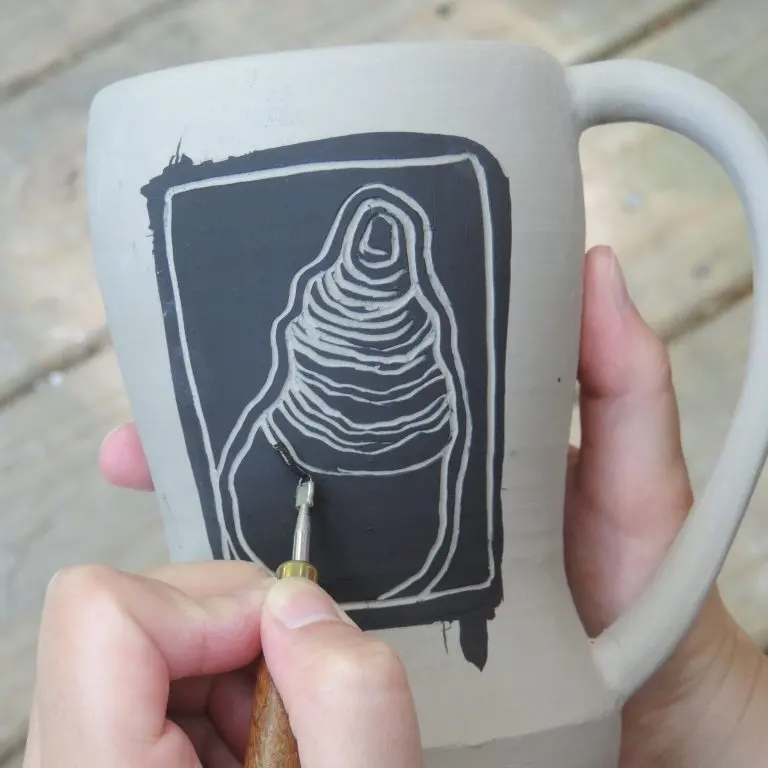
Creating sgraffito on ceramics requires careful timing and preparation. The artist begins with a piece of leather-hard clay, which is firm enough to hold a line but soft enough to carve easily. The surface is then coated with a layer of colored liquid clay, known as underglaze or slip, which must contrast sharply with the color of the clay body beneath it.
- Apply two to three even coats of colored slip to the leather-hard clay surface.
- Allow the slip to dry until it is no longer tacky to the touch.
- Use a sharp stylus, needle tool, or specialized carving loop to scratch your design through the slip.
- Carefully brush away the resulting clay "burrs" or shavings to reveal the clean lines of the underlying clay body.
- Once the carving is complete, allow the piece to dry slowly before proceeding to the initial bisque firing.
The process demands a steady hand and a clear plan, as the lines cannot be easily erased once they are carved into the surface.
What are the best tools for sgraffito?
Selecting the right tools is essential for achieving professional results in sgraffito. While many beginners start with basic needle tools, experienced artists often prefer specialized implements that offer more control and versatility. The choice of tool typically depends on the desired line weight and the complexity of the design being executed on the surface.
- Needle tools: Ideal for fine, delicate lines and intricate hatching or cross-hatching details.
- Loop tools: Best for removing larger areas of slip to create bold, thicker lines or textured backgrounds.
- Rubber-tipped shapers: Useful for smoothing edges or cleaning up stray marks without damaging the surrounding slip.
- Custom-made scrapers: Many artists fashion their own tools from old hacksaw blades or dental instruments to achieve unique line qualities.
Regardless of the tool, keeping the tip sharp is crucial. A dull tool will drag through the slip rather than cutting it cleanly, resulting in jagged, uneven edges that detract from the final aesthetic quality of the piece.
Why does sgraffito crack or peel?
Technical failures in sgraffito usually stem from improper application or timing. The most common issue is the difference in shrinkage rates between the base clay and the applied slip. If the slip is too thick or contains a different clay composition than the body, it may flake off as the piece dries or during the firing process. This phenomenon, known as shivering or peeling, occurs when the tension between the two layers becomes too great for the bond to hold.
To prevent these issues, artists should ensure that the slip and the clay body have similar moisture contents and shrinkage characteristics. Applying the slip when the clay is too wet can also lead to warping or cracking along the incised lines. Furthermore, rushing the drying process can cause the slip to shrink faster than the underlying clay, creating stress fractures. Always allow the piece to dry slowly in a controlled environment to ensure the layers bond securely before the heat of the kiln is introduced.
Common mistakes when doing sgraffito
Beginners often struggle with the consistency of their slip application. If the slip is applied too thinly, the underlying clay color may show through, resulting in a muddy appearance. Conversely, applying the slip too thickly can lead to deep, unstable grooves that are prone to chipping. Another frequent error is carving too deeply into the clay body, which can compromise the structural integrity of the vessel or wall, especially if the piece is thin or delicate.
It is also important to manage the "burrs" created during the carving process. If these small bits of dried clay are not brushed away correctly, they can become fused to the surface during the firing, creating a rough or gritty texture. Always use a soft, dry brush to gently remove debris as you work. Finally, avoid the temptation to overwork a design; sgraffito is most effective when the lines are crisp and intentional. By focusing on steady, confident movements and proper preparation, you can create professional-grade work that highlights the beauty of this ancient, enduring artistic tradition.
Key facts
- Sgraffito is a decorative technique produced by applying layers of plaster tinted in contrasting colors to a surface and then scratching through the top layer to reveal the underlying color.
- The term originates from the Italian word "sgraffiare," which literally means "to scratch."
- Historically, this method was widely used in 15th- and 16th-century Renaissance Italy to decorate the facades of buildings with elaborate monochrome or polychrome patterns.
- When working with pottery, the technique is often called "sgraffito" or "incised slipware," where a layer of colored slip is applied to leather-hard clay and carved away.
- A common mistake is waiting too long to carve; the top layer should be firm enough to hold a clean line but soft enough to be easily removed without chipping the base.
- To achieve the best results, use a sharp metal tool or a wooden stylus to ensure crisp edges and consistent depth throughout the design.
The bottom line
Sgraffito is a versatile artistic technique that relies on the contrast between layered materials to create intricate designs. By scratching through a top layer to reveal a different color underneath, artists can produce bold, graphic imagery on everything from architectural facades to delicate pottery. Mastering this method requires precise timing and steady tools, offering a timeless way to add depth and texture to various creative surfaces.
People also ask
Is sgraffito only used on walls?
No, while it was famously used for exterior architecture, it is a staple technique in ceramics and printmaking. Artists use it on clay vessels and even in painting by scratching through layers of dried oil paint.
What is the difference between sgraffito and incising?
Incising typically refers to carving directly into clay without the use of a contrasting slip layer. Sgraffito specifically relies on the visual contrast between two distinct layers of color or material.
Can I use acrylic paint for sgraffito?
You can, but you must work quickly before the paint dries completely. It is best to apply a thick layer of paint over a dried base coat and scratch through it while it is still slightly tacky.
What tools are essential for beginners?
A simple wire loop tool, a needle tool, or even a sharpened wooden dowel will suffice. The choice of tool depends on the desired line width and the hardness of the surface being carved.
Does sgraffito work on all types of clay?
It is most effective on leather-hard clay, which is firm but still contains moisture. If the clay is too dry, it will crack or crumble when you attempt to carve the design.
How do I prevent the edges from looking ragged?
Keep your tool clean by wiping it frequently to prevent excess slip or paint from building up. Additionally, maintain a steady, confident hand to create fluid lines rather than hesitant, jagged strokes.
This answer was created with the help of AI research tools and reference sources. Spotted an error? Let us know — we correct mistakes quickly. See our editorial policy.