What are the best acrylic paints for beginners?
Short answer
Student-grade acrylic paints are the best choice for beginners due to their affordability, blendability, and ease of use. Brands like Liquitex Basics, Winsor & Newton Galeria, and Golden’s budget-friendly line offer high pigment loads without the premium cost of professional series paints, allowing new artists to practice techniques without financial stress.
On this page
Best acrylic paints for beginners
When starting your painting journey, prioritize student-grade acrylics over craft-store paints. While craft paints are inexpensive, they often contain low pigment concentrations and excessive binders, which result in streaky, translucent coverage. Student-grade paints are formulated specifically for educational purposes, offering a thicker consistency that mimics professional materials while remaining budget-friendly. These paints provide enough pigment to allow for proper color mixing and layering, which are essential skills for any developing artist.
Look for reputable brands that provide a consistent texture across their entire color range. Liquitex Basics is widely considered the gold standard for beginners due to its heavy-body consistency, which holds brushstrokes well. Winsor & Newton Galeria is another excellent choice, known for its smooth, satin finish and high lightfastness ratings. Choosing these established brands ensures that you are working with non-toxic, reliable materials that behave predictably on canvas.
How to choose the right colors for a starter set
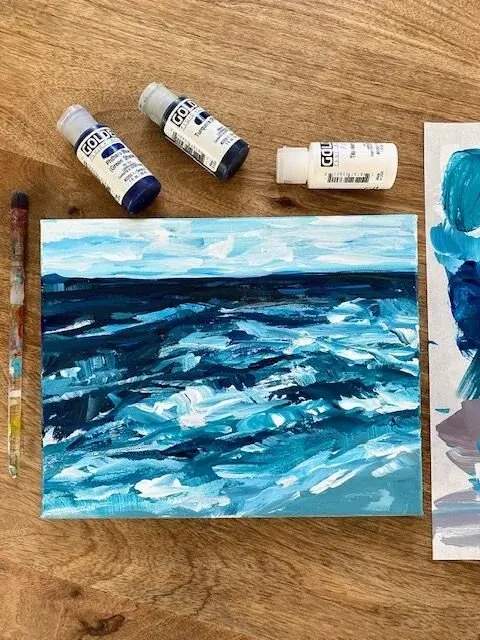
You do not need a massive set of colors to begin painting effectively. In fact, learning to mix your own colors from a limited palette is the fastest way to understand color theory and harmony. Start with a "split primary" palette, which includes two versions of each primary color: one warm and one cool. This setup allows you to create a vast range of vibrant secondary and tertiary colors without muddying your mixtures.
- Titanium White (essential for tinting)
- Mars Black (useful for darkening tones)
- Cadmium Yellow Medium (warm) and Lemon Yellow (cool)
- Cadmium Red Medium (warm) and Alizarin Crimson (cool)
- Ultramarine Blue (warm) and Phthalo Blue (cool)
- Burnt Umber (an excellent neutral for shadows)
By mastering this limited selection, you will avoid the common beginner mistake of buying large, expensive sets that contain colors you may never use. This approach also prevents color confusion, as you will learn exactly how different pigments react when combined on your palette.

Essential supplies for acrylic painting
Beyond the paint itself, your choice of tools will significantly impact your results. Acrylic paint dries very quickly, so you need brushes that can handle the medium without shedding or losing their shape. Synthetic brushes are superior for acrylics because they are durable, easy to clean, and stand up well to the slightly alkaline nature of the paint. Natural hair brushes, by contrast, tend to absorb too much water and can become damaged by the acrylic binder.
- Flat brushes: Ideal for blocking in large areas and creating sharp edges.
- Filbert brushes: The best all-around tool, featuring a rounded tip that excels at blending.
- Round brushes: Perfect for detailed work and fine lines.
- Palette knife: Essential for mixing paint on your palette without ruining your brush bristles.
Invest in a few high-quality synthetic brushes rather than a large bundle of cheap, flimsy ones. A small collection of varied shapes will provide more utility and longevity than a dozen low-grade brushes that lose their bristles during your first session.
How to manage acrylic drying times
Acrylic paint is famous for its rapid drying time, which can be a double-edged sword for beginners. While it allows for quick layering, it can also make blending colors on the canvas difficult. To extend the "open time" of your paint, you can use a fine misting spray bottle filled with water to lightly dampen your canvas or your palette. This simple technique keeps the paint workable for several minutes longer, allowing for smoother gradients and softer transitions between colors.
Alternatively, you can purchase a "retarder" medium, which is a liquid additive specifically designed to slow down the evaporation of water from the paint. When mixing a retarder into your acrylics, start with a small amount, as adding too much can prevent the paint from ever drying completely. Understanding how to control the drying process is a critical skill that will drastically improve the quality of your finished artwork.
Common mistakes when painting with acrylics
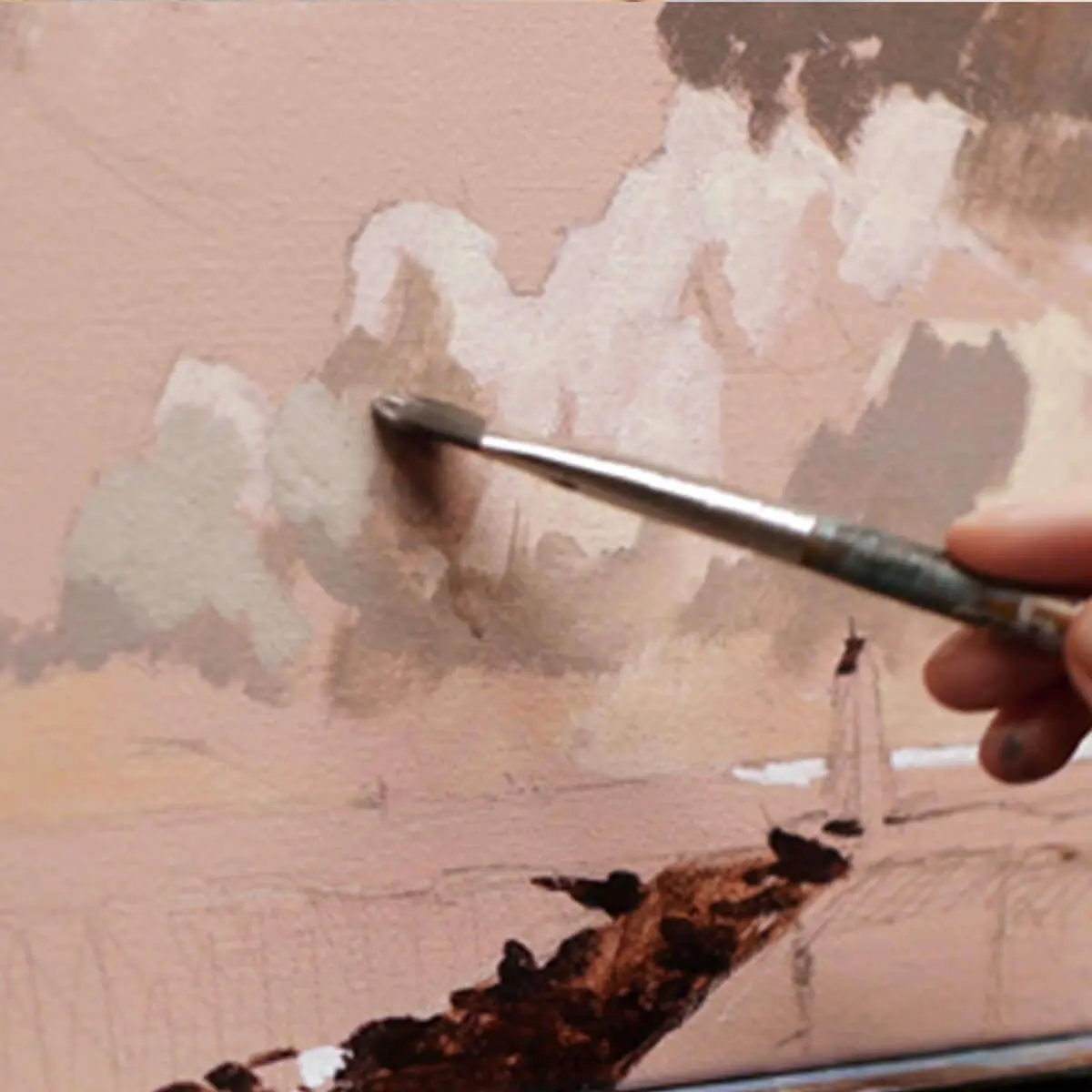
One of the most frequent errors beginners make is using paint directly from the tube without thinning it with water or a medium. While heavy-body paint is useful, it can become too thick and difficult to manipulate if not managed correctly. Another common issue is failing to wash brushes immediately after use. Acrylic paint becomes plastic-like once dry and will permanently ruin a brush if it is allowed to harden in the bristles. Always keep a jar of water nearby and rinse your brushes every few minutes.
- Overworking an area: This leads to muddy colors and can lift the underlayers of paint.
- Using the wrong surface: Always use a primed surface, such as gessoed canvas or heavy-duty acrylic paper, to ensure the paint adheres correctly.
- Ignoring the "fat over lean" rule: While less critical in acrylics than in oils, it is still best practice to apply thinner layers first and build up to thicker, more textured applications later.
By avoiding these pitfalls and maintaining your equipment properly, you will find that acrylic painting is a highly rewarding and accessible medium for artists of all levels.
Key facts
- Student-grade acrylics are more affordable and contain more binder than pigment, making them ideal for learning color mixing.
- Heavy body acrylics hold brushstrokes and texture, while soft body paints have a consistency similar to heavy cream for smooth coverage.
- Acrylics dry within 10 to 20 minutes, so keep your brushes wet in a jar of water to prevent permanent hardening.
- Always start with a primary color palette—red, blue, yellow, black, and white—to master color theory before buying expensive sets.
- Synthetic brushes are superior to natural hair brushes for acrylics because they resist the alkaline nature of the paint.
- Use a stay-wet palette or a spray bottle of water to keep your paint workable during long painting sessions.
The bottom line
For beginners, the best approach is to invest in a high-quality student-grade set of primary colors and a few synthetic brushes. Focus on understanding consistency and color mixing rather than purchasing a vast array of expensive tubes. By maintaining your tools properly and working on primed surfaces, you will build a solid foundation for your artistic practice while keeping costs manageable and your creative process efficient.
People also ask
Do I need to buy expensive brushes for acrylic painting?
No, beginners should start with affordable synthetic brushes. Natural hair brushes are damaged by the chemical composition of acrylics, whereas nylon or polyester bristles are durable and easy to clean.
How do I clean acrylic paint off my brushes?
Wash your brushes immediately with mild soap and cool water before the paint dries. Once acrylic paint cures on the bristles, it becomes water-resistant and often requires harsh solvents to remove.
Can I mix acrylic paint with water?
You can thin acrylics with water, but avoid adding more than 30 percent water to the paint. Excessive dilution breaks down the acrylic polymer binder, which can cause the paint to flake or lose its adhesive properties.
What surfaces can I paint on with acrylics?
Acrylics adhere to almost any non-oily surface, including canvas, wood, paper, and primed metal. Ensure your surface is primed with gesso to prevent the paint from soaking into the fibers.
How do I fix a mistake while painting?
If the paint is still wet, simply wipe it away with a damp cloth. If the paint has already dried, wait for it to cure completely and then paint over the area with a fresh layer of opaque color.
Do acrylic paints change color when they dry?
Yes, acrylics typically darken slightly as they dry due to the binder transitioning from a milky white state to a clear finish. This phenomenon is known as "color shift," and it is most noticeable in darker pigments.
This answer was created with the help of AI research tools and reference sources. Spotted an error? Let us know — we correct mistakes quickly. See our editorial policy.