What colors go with navy blue?
Short answer
Navy blue is a versatile neutral that pairs effortlessly with crisp whites, soft creams, and metallic tones like gold or silver. For bolder looks, it complements warm shades such as mustard yellow, burnt orange, and terracotta. Cool tones like blush pink, sage green, and charcoal gray also create sophisticated, balanced color palettes.

On this page
What colors go with navy blue for interior design?
Navy blue functions as a foundational anchor in interior design, providing depth and a sense of permanence to a room. When choosing wall colors or furniture pairings, light neutrals are the most reliable companions. Crisp white trim provides a sharp, nautical contrast, while cream or ivory softens the intensity of the blue, creating a more welcoming, traditional atmosphere.
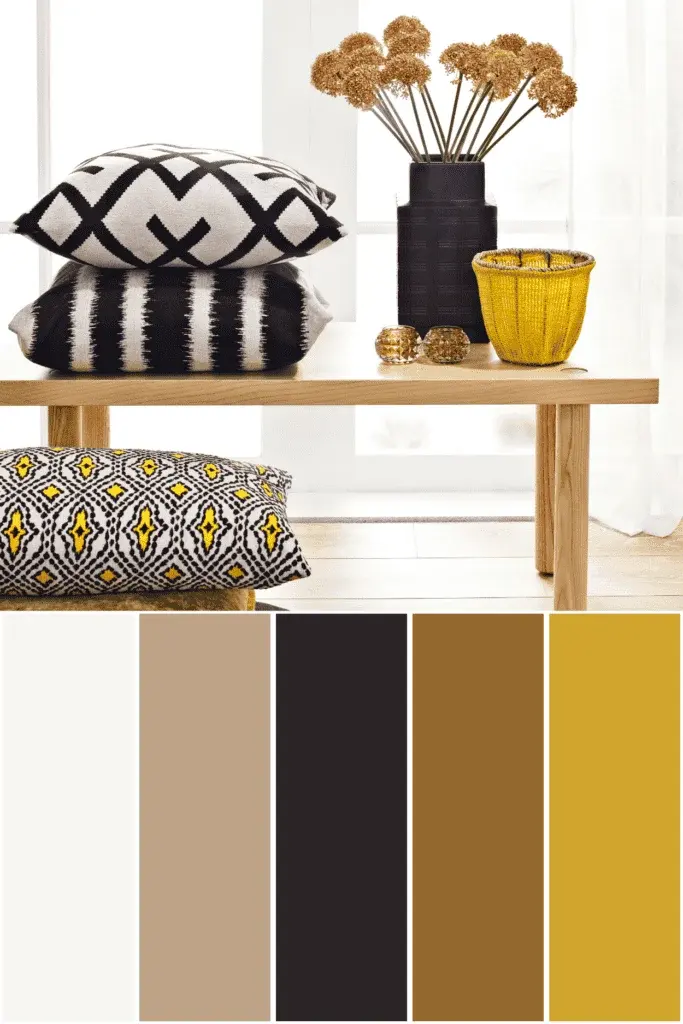
For those seeking a more dramatic aesthetic, layering navy with other dark tones like charcoal or slate creates a moody, monochromatic environment. Alternatively, introducing warm metallic accents such as brass or brushed gold adds a luxurious touch that reflects light and prevents the space from feeling too cold. Consider these effective pairings for your home:
- White and ivory for a clean, high-contrast look.
- Mustard yellow or ochre to provide a vibrant, energetic pop.
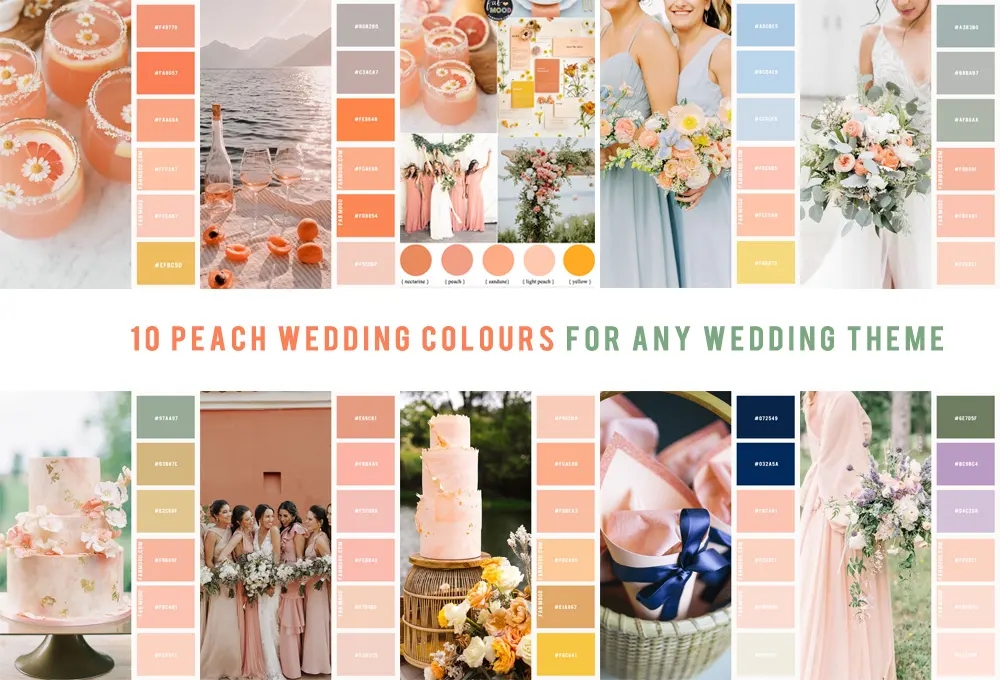
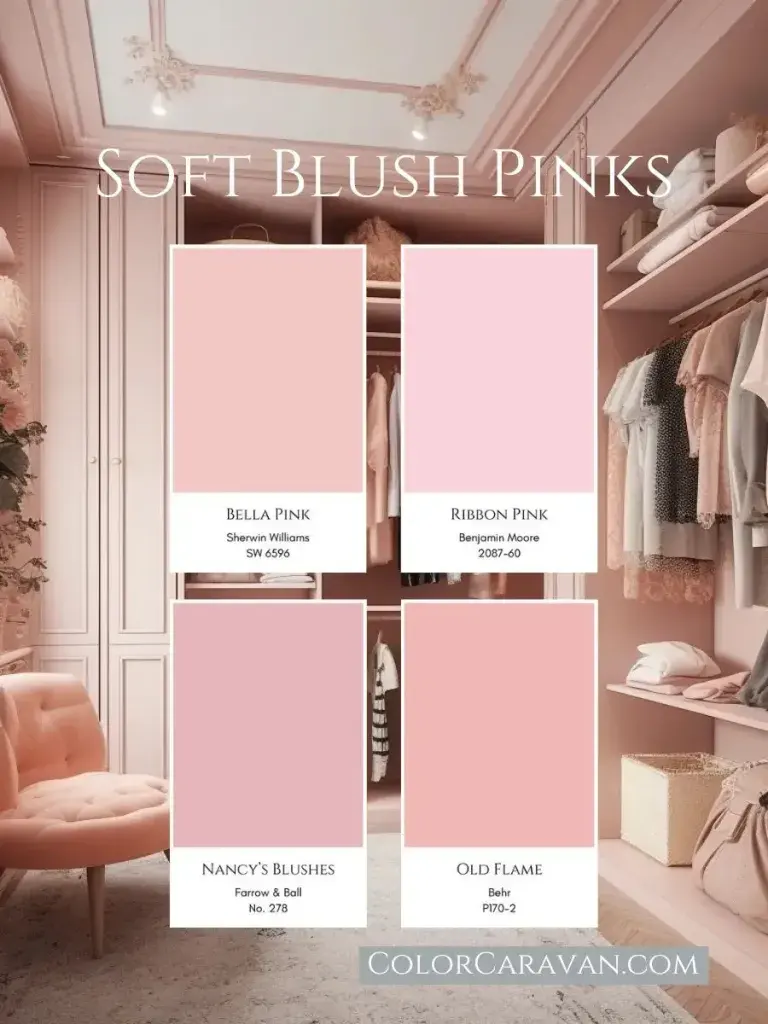
- Blush pink to introduce a soft, feminine balance to the deep blue.
- Brushed gold or brass hardware for a sophisticated finish.
How to style navy blue clothes for any occasion?
Navy blue is widely considered a wardrobe staple because it is less harsh than black but equally slimming and professional. For a classic business look, pair navy trousers or a blazer with crisp white shirts or light blue button-downs. If you are dressing for a social event, navy serves as a perfect backdrop for bold patterns or vibrant accessories like scarves, handbags, or statement jewelry.
When styling your outfit, consider the undertones of the secondary colors. Because navy is a cool-toned neutral, it pairs exceptionally well with warm, earthy shades. This contrast creates visual interest without appearing disjointed. Follow these steps to build a balanced navy outfit:
- Start with a solid navy base, such as a dress or suit.
- Add a neutral layer, like a white blouse or a gray sweater, to break up the color.
- Incorporate a "power color" accessory, such as a red belt or shoes, for a striking focal point.
- Finish with metallic jewelry that complements your skin tone to tie the look together.
Which colors create the best contrast with navy?
Creating contrast with navy blue requires an understanding of the color wheel. Since navy sits on the cool side of the spectrum, its direct complement is a range of oranges. Burnt orange, rust, and terracotta provide a high-impact, sophisticated contrast that feels both modern and grounded. These colors prevent navy from looking like a uniform and instead make it feel like a curated design choice.
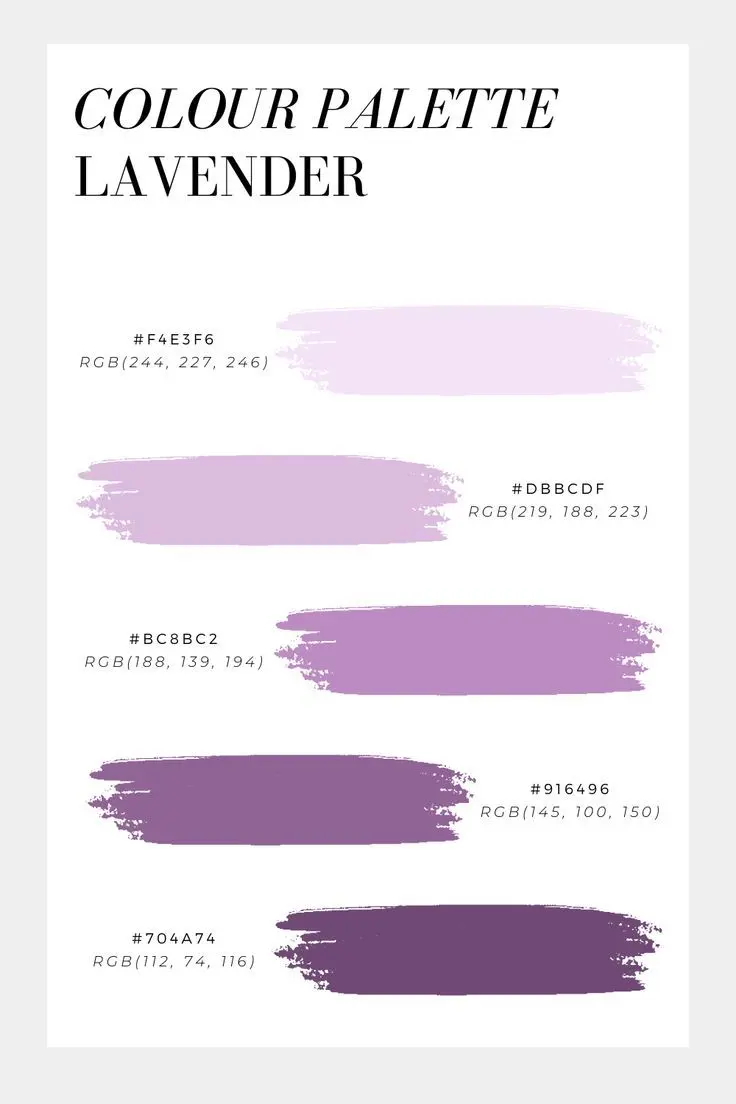
If you prefer a cooler palette, shades of green—specifically sage, olive, or emerald—create a harmonious, nature-inspired aesthetic. These combinations are particularly popular in fashion and textile design because they feel organic and balanced. Avoid pairing navy with colors that are too close in value, such as midnight black or very dark purple, as these can look muddy or unintentional in low-light environments.

Common mistakes when pairing colors with navy
One of the most frequent errors when working with navy blue is treating it as a true black. Because navy contains blue undertones, it can clash with certain shades of black that have warm or brownish tints. Always check your pairings in natural daylight to ensure the colors do not look like a failed attempt at a matching set. If you are unsure, stick to high-contrast neutrals rather than trying to blend two very dark, similar shades.
Another mistake is overusing navy in a small, windowless room, which can make the space feel claustrophobic. If you choose to paint your walls navy, ensure you have adequate lighting and light-colored furniture to break up the mass of color. Avoid these common pitfalls to maintain a balanced aesthetic:
- Do not pair navy with muddy, dark browns that lack clear undertones.
- Avoid using too many dark colors in a single outfit or room, which can suppress light.
- Do not ignore the importance of texture; navy looks different on velvet than it does on cotton.
- Be cautious with neon colors, which can make navy look dated rather than modern.
Best ways to use navy blue as a neutral base
Navy blue is an excellent alternative to black for those who find black too severe or restrictive. It is inherently elegant and works across all seasons, making it a reliable choice for long-term investments like sofas, coats, or curtains. By using navy as your base, you gain the flexibility to change your accent colors seasonally without having to replace your major pieces.
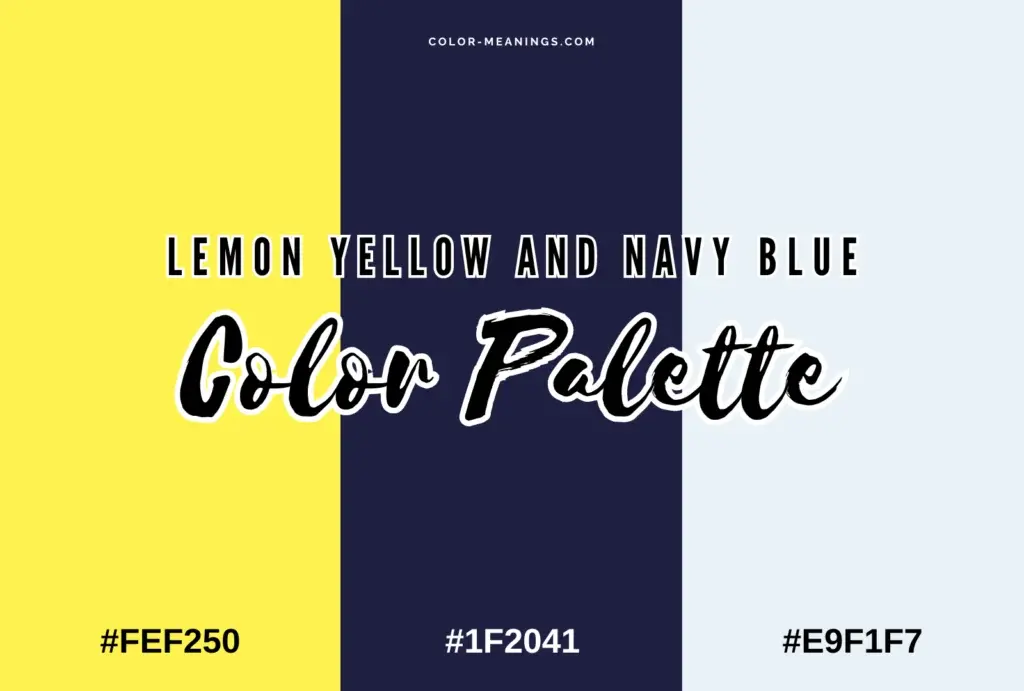
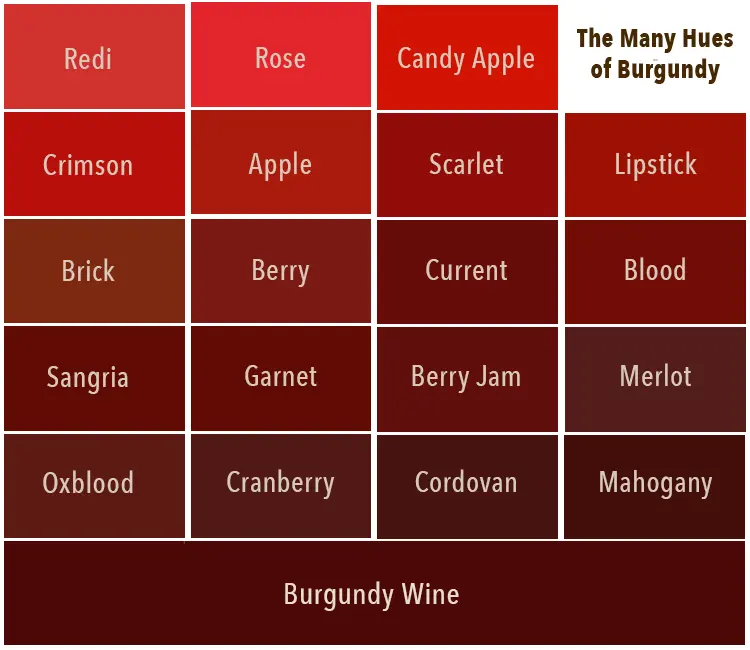
To keep your navy-based palette fresh, rotate your accent colors based on the time of year. In the spring and summer, pair navy with bright whites, lemon yellows, or soft pastels to create an airy, lighthearted feel. As autumn and winter arrive, swap those accents for deeper, warmer tones like burgundy, forest green, or copper. This adaptability ensures that your navy base remains relevant and exciting throughout the year, regardless of evolving trends or personal style shifts.
Key facts
- Navy blue is a neutral base that functions similarly to black but offers a softer, more sophisticated appearance.
- Crisp white provides the highest contrast and is the most classic pairing for a nautical or professional aesthetic.
- Metallic tones such as gold, brass, and copper add warmth and luxury to the cool undertones of navy.
- Soft pastels like blush pink or pale yellow create a balanced, modern look by tempering the intensity of the blue.
- Combining navy with earthy neutrals like camel, beige, or tan creates a refined, timeless color palette.
- For a bold, high-fashion statement, pair navy with vibrant accent colors such as emerald green, mustard yellow, or coral.
The bottom line
Navy blue serves as a versatile, foundational neutral that elevates any ensemble or interior design scheme. By pairing it with high-contrast whites, warm metallics, or soft earth tones, you can achieve a polished look that avoids the harshness of black. Whether dressing for a professional setting or styling a living space, prioritize balance and texture to ensure your navy-focused palette remains sophisticated and visually engaging.
People also ask
Does navy blue match with black?
Traditionally, navy and black were considered a fashion faux pas, but modern style rules encourage mixing them. To succeed, ensure there is enough contrast in texture or shade so the colors do not look like a failed attempt at a matching set.
What is the best color to wear with navy trousers?
Light-colored tops like cream, white, or light gray are the most reliable choices for navy trousers. These colors prevent the outfit from looking too dark and keep the focus on the tailored fit of the pants.
Can navy blue be paired with other shades of blue?
Yes, monochromatic layering is a sophisticated way to wear navy. Pair it with lighter shades like sky blue or powder blue to create depth without clashing.
What colors should I avoid wearing with navy?
Avoid pairing navy with colors that are too similar in depth but different in hue, such as deep charcoal or dark brown, as they can look muddy. Always check your outfit in natural light to ensure the colors are distinct.
How do I use navy blue in home decor?
Use navy as a grounding color for walls or large furniture pieces, then layer in lighter textiles and metallic hardware. This prevents a room from feeling too enclosed while maintaining a sense of elegance.
Is navy blue considered a warm or cool color?
Navy is a cool-toned color, which is why it pairs exceptionally well with warm accents like gold or orange. These complementary temperatures create visual balance and prevent the navy from appearing too stark or clinical.
This answer was created with the help of AI research tools and reference sources. Spotted an error? Let us know — we correct mistakes quickly. See our editorial policy.