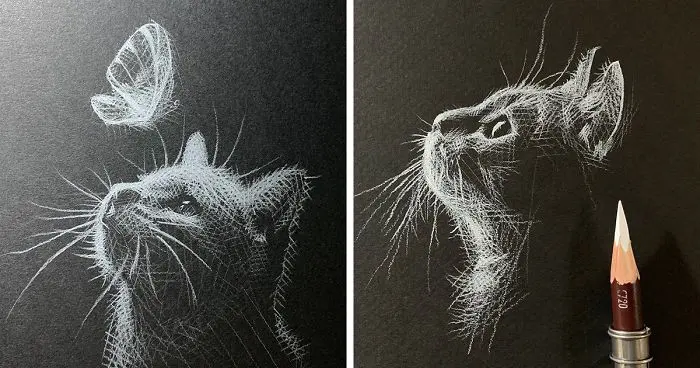
What is graphite paper used for?
Short answer
Graphite paper is a specialized transfer medium coated with a layer of dry, erasable graphite. It allows artists, crafters, and designers to replicate intricate patterns, sketches, or lettering onto surfaces like wood, canvas, or paper. By placing the sheet between an original design and a substrate, users can trace lines with precision.
On this page
What is graphite paper used for in art?
Graphite paper serves as a vital tool for artists who need to transfer complex compositions from preliminary sketches to final surfaces. Unlike carbon paper, which contains wax or ink that can be permanent, graphite paper leaves a deposit of pure graphite. This makes it an ideal choice for fine art applications, as the transferred lines can be easily erased, blended, or painted over without bleeding.
Many professional illustrators and portrait artists use this medium to ensure accurate proportions when working on expensive canvases or watercolor paper. By tracing a master drawing onto the final surface, the artist avoids the need for repetitive erasing on the final substrate, which could damage the paper fibers. It is particularly useful for:
- Mapping out intricate architectural sketches.
- Transferring calligraphy patterns onto wood or stone.
- Creating stencils for mural painting.
- Duplicating detailed botanical illustrations.
How to use graphite paper correctly
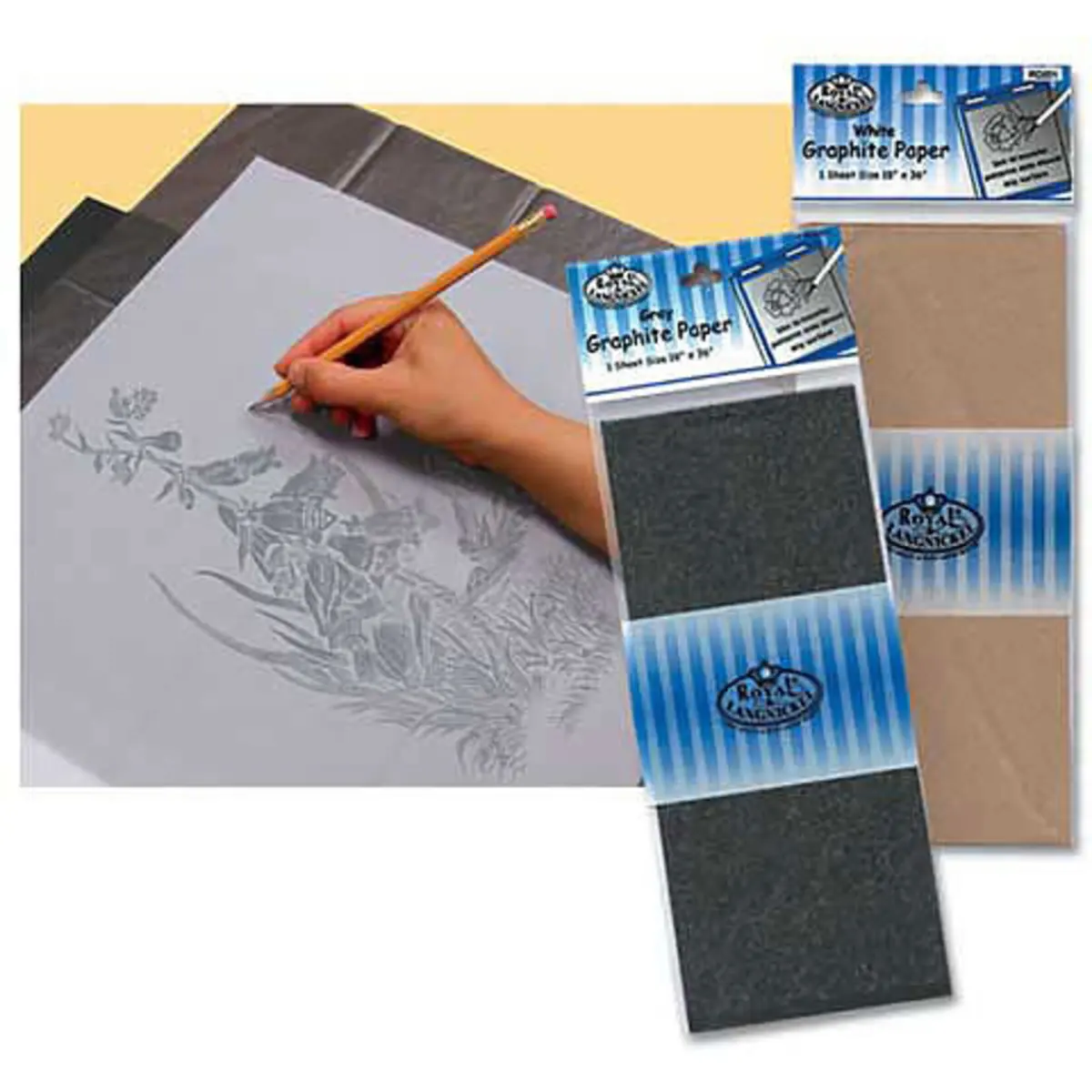
Using graphite paper effectively requires a steady hand and a clear understanding of pressure. You must align your original design over the graphite paper, ensuring the coated side faces the surface you wish to draw on. If the paper is placed backward, you will fail to transfer the image, and you may accidentally mark your substrate with the non-coated side.
Follow these steps to achieve a clean transfer:
- Secure your reference drawing and the graphite paper to your surface using low-tack painter's tape to prevent slipping.
- Use a stylus, a hard-lead pencil, or a ballpoint pen to trace the outlines of your design.
- Apply consistent, moderate pressure to ensure the graphite adheres to the substrate.
- Periodically lift one corner of the papers to check the darkness and clarity of the transferred lines.
- Once the tracing is complete, remove the tape and gently brush away any loose graphite dust.
Best graphite paper for beginners
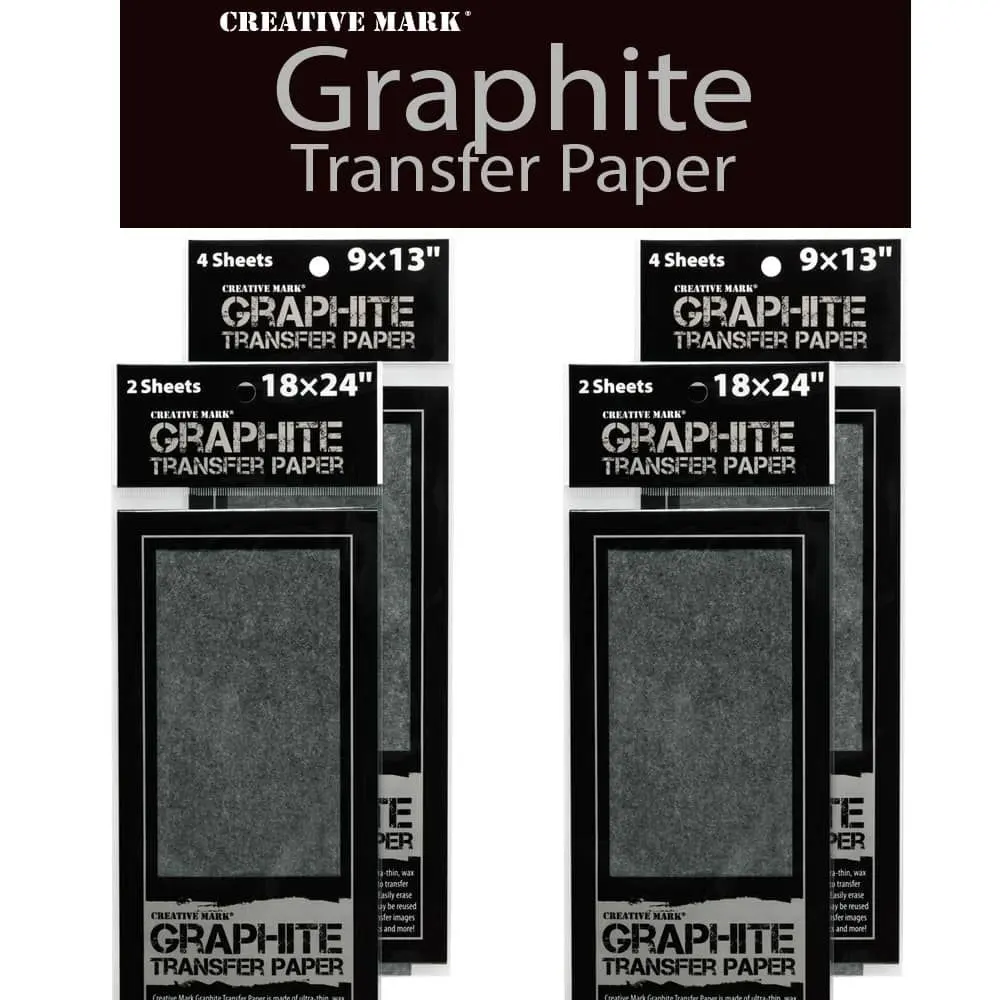
For those new to the medium, choosing the right grade is essential. Graphite paper typically comes in large sheets or rolls, and it is often categorized by its weight and the intensity of the graphite coating. Beginners should look for "transfer paper" specifically labeled as wax-free and acid-free to ensure it does not damage the underlying material or interfere with future paint layers.
When purchasing your first sheets, consider the following features:
- Erasability: Test a small scrap to ensure the graphite lifts cleanly with a kneaded eraser.
- Size: Larger sheets are better for murals, while pre-cut smaller sheets are convenient for standard sketchbook work.
- Reusability: High-quality graphite paper can be used multiple times until the graphite coating on the back becomes too thin to produce a visible mark.
- Surface compatibility: Verify that the paper is intended for the specific material you are using, such as canvas, wood, or smooth-pressed paper.
Why graphite paper is better than carbon paper
The primary advantage of graphite paper over traditional carbon paper lies in its chemical composition. Carbon paper uses a waxy, ink-based coating that is designed to be permanent and smudge-prone. Once carbon ink is applied to a surface, it is notoriously difficult to remove and can often bleed through subsequent layers of acrylic or oil paint, ruining the finished piece.
Graphite paper, conversely, is essentially a thin sheet of paper coated with dry graphite powder. This material behaves exactly like a standard pencil lead. If you make a mistake during the transfer or if you decide to change the composition later, you can simply lift the lines with an eraser. Furthermore, graphite does not react with wet media in the way that carbon ink does, making it the industry standard for professional painters and fine artists who require a clean, reversible foundation for their work.
Common mistakes when using graphite paper
A frequent error is applying too much pressure during the tracing process, which can leave deep indentations on soft surfaces like watercolor paper or wood. These grooves are permanent and can be distracting once the painting or drawing is finished. Always use the lightest pressure necessary to create a visible line, as you can always go back and darken the lines later if they appear too faint.
Another common mistake involves failing to secure the paper properly, which leads to "ghosting" or double lines if the reference drawing shifts while you are tracing. Additionally, users often forget to clean their hands before starting, which can result in oils from the skin transferring to the substrate and creating smudges that prevent the graphite from adhering correctly. To avoid these issues, always keep your workspace clean, use tape to hold your materials in place, and consider placing a clean sheet of paper under your hand while tracing to protect the surface from accidental marks.
Key facts
- Graphite paper is a specialized transfer medium coated with a layer of dry, erasable graphite on one side.
- It functions like carbon paper but leaves a gray, graphite-based mark that is easily removed with a standard eraser.
- Artists and crafters use it to transfer intricate sketches or patterns onto surfaces like wood, canvas, paper, or fabric.
- Unlike carbon paper, graphite paper does not smudge as easily and does not leave a permanent, waxy residue.
- To use it, place the graphite side down against your target surface, lay your drawing on top, and trace the lines with a stylus or pencil.
- Always secure the paper with low-tack painter's tape to prevent the design from shifting during the tracing process.
The bottom line
Graphite paper is an essential tool for artists, crafters, and designers who need to transfer precise drawings onto various surfaces without leaving permanent marks. By providing a clean, erasable alternative to messy carbon paper, it allows for accurate design replication while maintaining the integrity of the base material. When used with a light touch and proper securing techniques, it ensures professional results for any creative project.
People also ask
Can you reuse graphite paper?
Yes, high-quality graphite paper can be used multiple times until the graphite coating on the back is depleted. You will know it is time for a new sheet when the transferred lines become faint or inconsistent.
Does graphite paper work on dark surfaces?
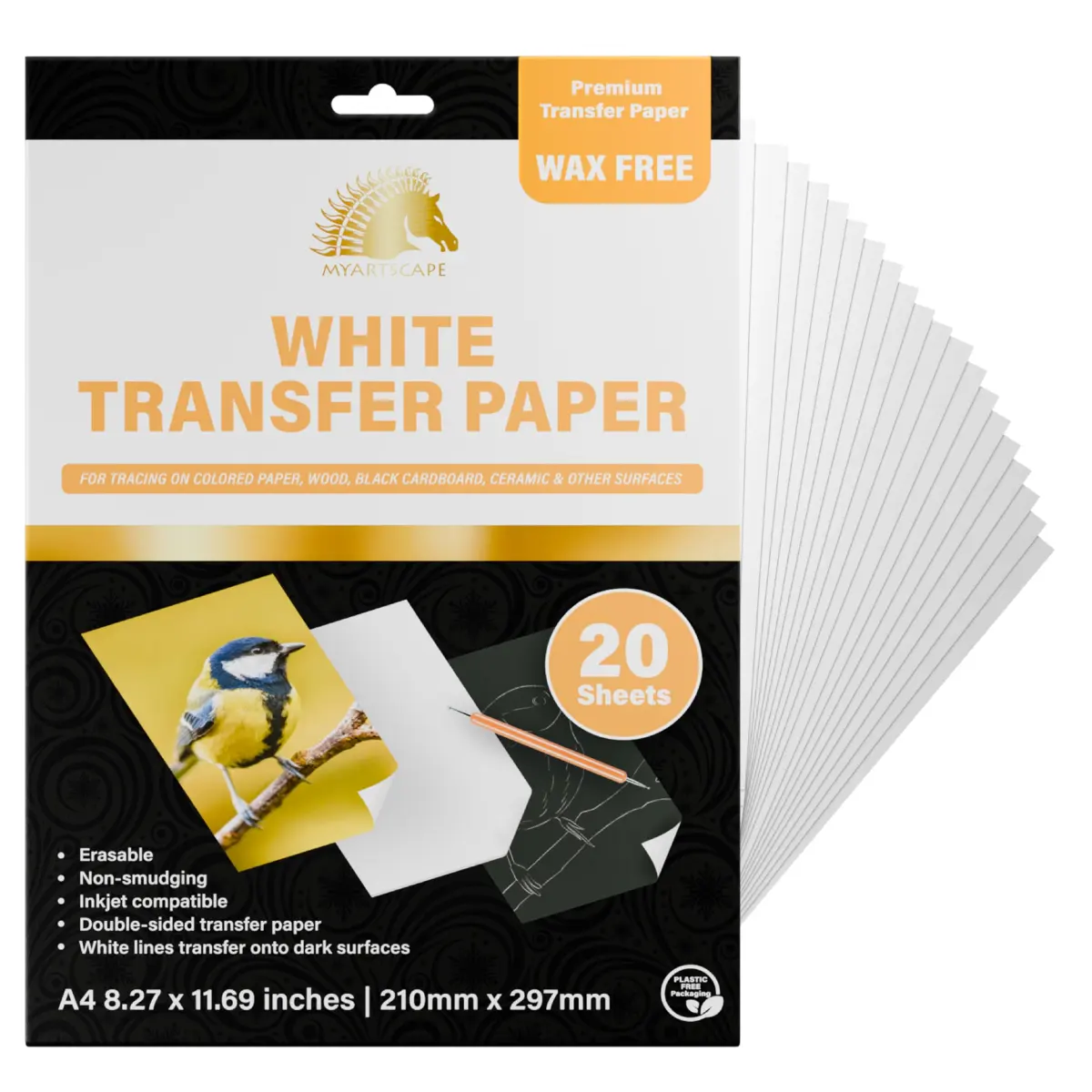
Standard graphite paper is designed for light surfaces because the gray marks are difficult to see on dark materials. For dark surfaces, professional artists typically use white or colored transfer paper instead.
Is graphite paper the same as carbon paper?
No, they are distinct products; carbon paper uses a waxy, ink-based coating that is permanent and difficult to erase. Graphite paper uses dry carbon-based powder, making it the preferred choice for fine art and drafting.
Will the graphite lines show through paint?
Graphite lines can sometimes bleed through thin layers of acrylic or watercolor paint. It is best practice to trace lightly and use a kneaded eraser to lift excess graphite before applying your final medium.
What tool should I use to trace the design?
A ballpoint stylus or a dull, empty ballpoint pen works best for transferring lines. Avoid using sharp pencils, as they can tear the transfer paper or indent the surface of your final project.
Can graphite paper be used for sewing patterns?
It is frequently used in quilting and embroidery to transfer designs onto fabric. However, ensure the fabric is taut and flat to avoid distortion, and test a scrap piece first to confirm the lines can be washed or brushed away.
This answer was created with the help of AI research tools and reference sources. Spotted an error? Let us know — we correct mistakes quickly. See our editorial policy.