What is a monoprint?
Short answer
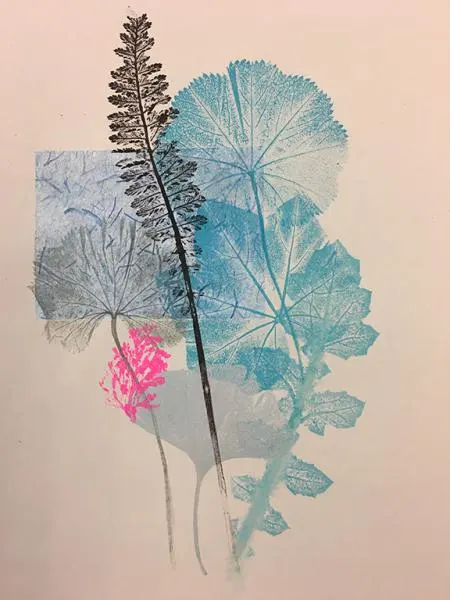
A monoprint is a unique form of printmaking where a single impression is taken from a prepared surface. Unlike traditional printmaking, which produces identical multiples, a monoprint involves a repeatable element—such as a textured plate or etched line—combined with unique, hand-painted ink applications, ensuring that no two prints are ever exactly the same.
On this page
What is the difference between a monoprint and a monotype?
The distinction between a monoprint and a monotype often confuses beginners, but it centers on the presence of a permanent matrix. A monotype is created by painting directly onto a smooth, featureless surface like glass or metal, meaning the image exists only once and cannot be recreated. Once the paper is lifted, the plate is wiped clean, leaving no trace of the original design.
In contrast, a monoprint utilizes a permanent matrix, such as an etched metal plate, a woodblock, or a textured collage element. While the artist adds unique, variable ink layers for every pull, the underlying structure or texture remains consistent across multiple prints. This allows the artist to maintain a specific composition while experimenting with color, opacity, and pressure. Effectively, a monoprint is a hybrid process that bridges the gap between the spontaneity of painting and the technical rigor of traditional printmaking.
How to create a monoprint at home
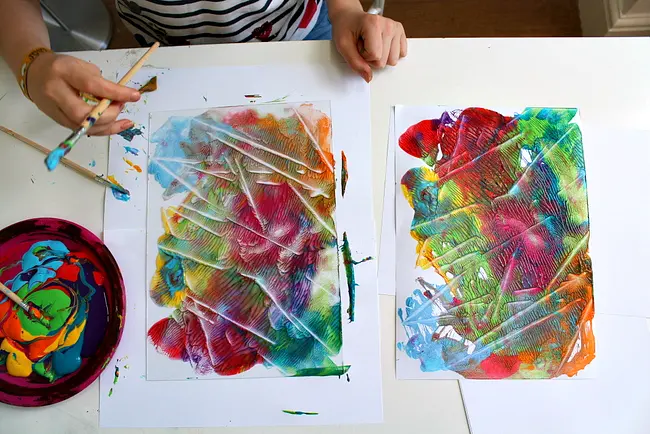
Creating a monoprint does not require a professional printing press, though one certainly helps with consistency. You can achieve excellent results using a simple brayer, a sturdy piece of plexiglass, and high-quality printmaking paper. The process is highly tactile and rewards experimentation with different surfaces and ink viscosities.
- Prepare your matrix by etching a design or gluing textured materials like lace or leaves onto a rigid plate.
- Apply a thin, even layer of oil-based or water-soluble printmaking ink using a brayer.
- Use a brush or rag to wipe away ink in specific areas or add unique color accents to the plate.
- Place a sheet of dampened printmaking paper carefully over the inked surface.
- Apply pressure evenly across the back of the paper using a wooden spoon or a brayer to transfer the ink.
- Peel the paper back slowly to reveal your unique, one-of-a-kind print.
Best materials for monoprinting beginners
For those just starting, keeping the material list simple is essential to mastering the technique without becoming overwhelmed. You should prioritize surfaces that are easy to clean and inks that provide enough "open time," or drying time, to allow for creative adjustments. Avoid heavy-duty industrial inks until you have a firm grasp of how much pressure is required for a clean transfer.
- Plexiglass or acrylic sheets: These are lightweight, durable, and provide a perfectly smooth base for your matrix.
- Rubber brayers: Choose a medium-soft durometer to ensure smooth ink distribution across textured surfaces.
- Water-soluble block printing ink: These are safer for home use and clean up easily with soap and water compared to oil-based alternatives.
- Rives BFK or Stonehenge paper: These cotton-based papers are absorbent and durable enough to handle the moisture and pressure of the printing process.
- Palette knives: Use these for mixing colors and applying thick, textural ink applications directly to the plate before printing.
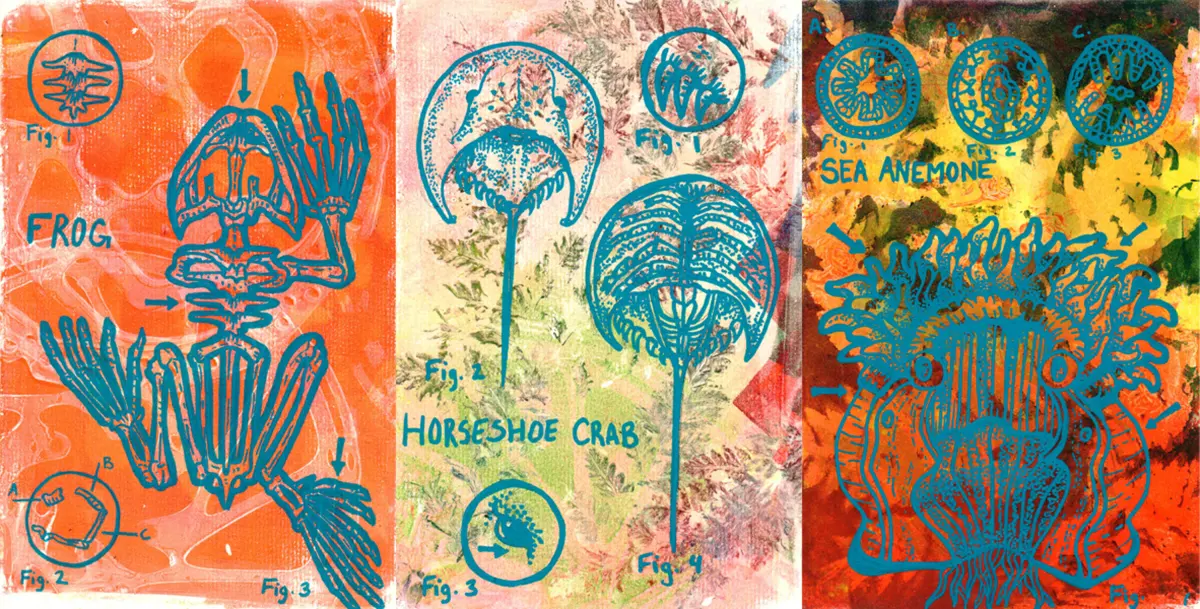
Why ink ghosting happens
Ghosting, or "ghost prints," occurs when a second, fainter impression is pulled from the plate without re-inking it. Because a small amount of ink remains on the matrix after the first pull, the second print captures the residual pigment. This effect is often desired by artists for its ethereal, washed-out quality, but it can be frustrating if you are aiming for high-contrast, bold imagery.
The intensity of a ghost print depends heavily on the pressure applied during the first pull and the viscosity of the ink. If you use too much ink initially, the ghost print may appear muddy or indistinct. Conversely, if the first pull was too light, the ghost print might not pick up enough detail to be visually interesting. Managing the "plate tone"—the thin film of ink left behind—is a skill that improves with practice, allowing you to control the depth and mood of your secondary impressions.
Common mistakes when monoprinting
The most frequent error beginners make is applying too much ink to the plate. Excess ink tends to fill in fine details and creates messy, blurred edges that obscure the intended design. It is always better to start with a very thin layer and build up opacity gradually; you can always add more ink, but removing it once it is on the paper is impossible.
Another common mistake is failing to control the moisture of the printing paper. If the paper is too wet, the ink will bleed and lose its crispness, but if it is too dry, it will not pick up the ink from the deeper textures of the plate. Always blot your paper thoroughly between towels before placing it on the matrix. Finally, ensure your pressure is consistent; uneven pressure often leads to "bald spots" where the ink failed to transfer, resulting in an incomplete and unsatisfactory image.
Key facts
- A monoprint is a form of printmaking where only one unique impression is created from a plate or matrix.
- Unlike editions of etchings or lithographs, the image cannot be reproduced identically because the ink is removed during the first pressing.
- Artists often use smooth, non-porous surfaces such as glass, plexiglass, or metal plates to apply their ink or paint.
- The process allows for spontaneous, painterly effects that are difficult to achieve with traditional, repeatable printmaking techniques.
- A "ghost print" is a secondary, lighter impression made from the residual ink left on the plate after the first pull.
- Common mistakes include using too much ink, which causes blurring, or applying uneven pressure, which results in patchy image transfer.
The bottom line
Monoprinting is a versatile and accessible artistic process that bridges the gap between painting and printmaking. By applying ink to a surface and transferring it to paper, artists create singular, expressive works that capture immediate gestures. Whether using a professional press or manual pressure, the technique rewards experimentation and spontaneity, making it an excellent medium for artists who value unique results over mass production.
People also ask
How does a monoprint differ from a monotype?
A monotype involves painting on a blank plate, while a monoprint incorporates a permanent element, such as a carved line or etched texture, that remains consistent across multiple prints.
What materials are best for beginners?
Beginners should start with plexiglass sheets, water-based block printing inks, and a brayer for even application. These materials are easy to clean and provide a forgiving surface for experimentation.
Can I use a regular household iron for transferring prints?
While some artists use heat-based transfers, it is not standard for traditional monoprinting. Stick to a printing press or a manual rubbing tool like a baren to ensure consistent pressure.
How do I prevent the paper from slipping during the transfer?
Tape one edge of your paper to the printing surface to create a hinge. This allows you to lift the paper to check the progress without shifting its alignment.
Is it possible to add details after the print has dried?
Yes, many artists use monoprinting as a base layer. Once the ink is dry, you can add details using pencils, markers, or additional layers of paint.
What type of paper works best for this technique?
Lightweight printmaking paper or smooth drawing paper is ideal. Avoid heavily textured watercolor paper, as it may prevent the ink from picking up fine details from the plate.
This answer was created with the help of AI research tools and reference sources. Spotted an error? Let us know — we correct mistakes quickly. See our editorial policy.