What are spooky things to draw?
Short answer
Spooky drawing subjects range from classic gothic monsters to unsettling psychological imagery. Effective horror art relies on high-contrast lighting, distorted anatomy, and the "uncanny valley" effect. Whether you choose traditional specters like ghosts and skeletons or surreal, abstract nightmares, the goal is to evoke a visceral reaction through atmosphere and shadows.
On this page
What are classic spooky subjects for beginners
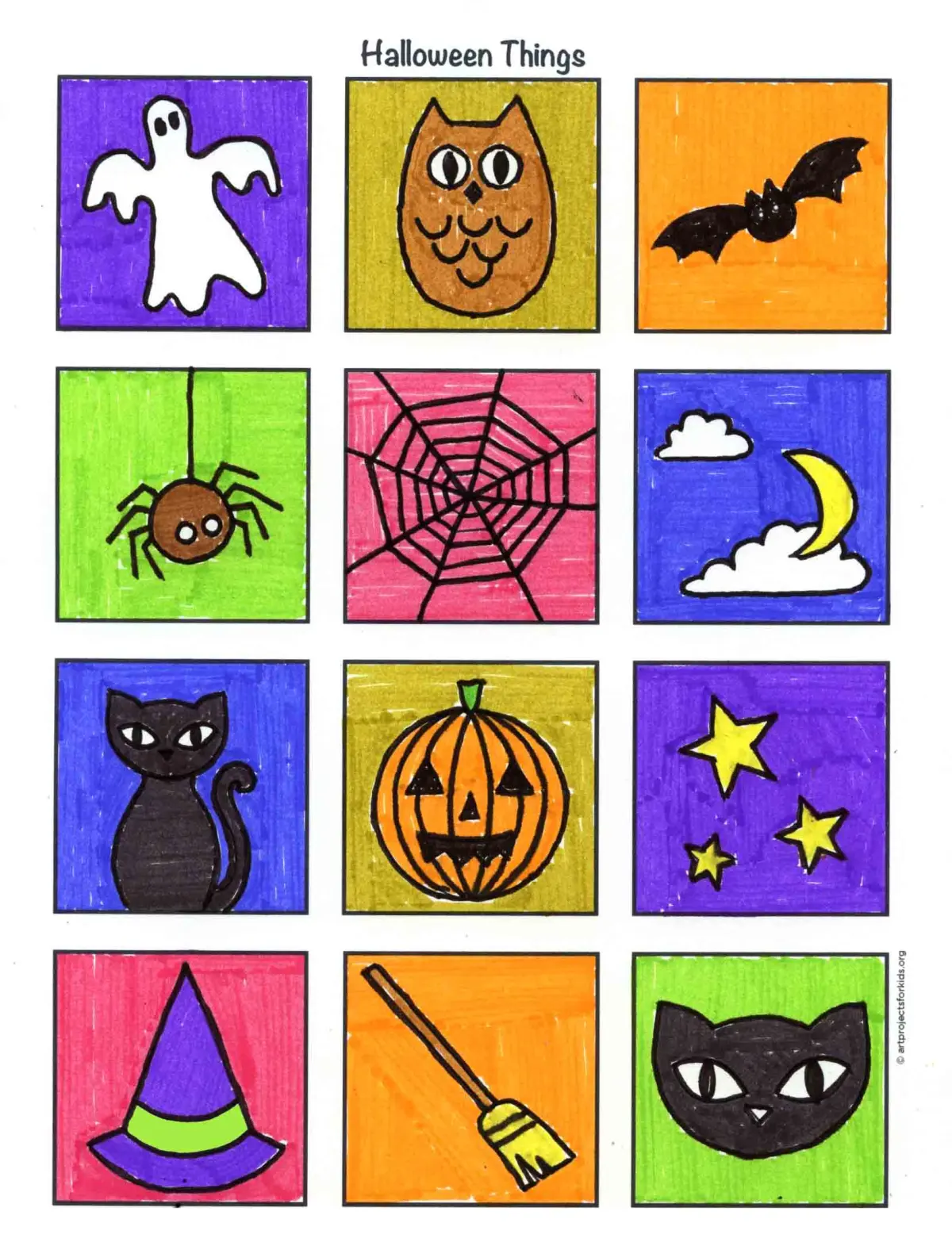
If you are new to horror illustration, start with iconic figures that rely on recognizable silhouettes. Ghosts, skeletons, and jack-o'-lanterns are excellent subjects because their forms are simple yet highly adaptable. You can experiment with different expressions, such as a hollow-eyed skull or a tattered, floating sheet, to practice how line weight affects the overall mood of your piece.
Focusing on these archetypes allows you to master basic shading techniques without getting bogged down in complex anatomy. For instance, a skeleton is essentially a study in bone structure and negative space. Once you understand the basic proportions of a skull or ribcage, you can add stylistic flourishes like cracks, moss, or glowing eyes to enhance the eerie factor.
- Use a soft graphite pencil to sketch loose, flowing lines for ghosts.
- Utilize a fine-liner pen to emphasize the deep, dark crevices of a skull.
- Incorporate high-contrast shadows to make simple shapes appear more three-dimensional and threatening.
How to create a spooky atmosphere in drawings
Atmosphere is often more frightening than the monster itself. To achieve a chilling effect, focus on lighting and environmental storytelling. Use a single, harsh light source to create long, distorted shadows that stretch across the page. This technique, known as chiaroscuro, forces the viewer to fill in the dark, unseen areas with their own imagination, which is inherently more terrifying.
Consider adding environmental details that suggest a history of decay or isolation. A crumbling Victorian mansion, a fog-covered forest, or a graveyard with tilted headstones provides a context that makes your subject feel grounded in a haunted world. The key is to avoid clutter; keep the background sparse to emphasize the loneliness and vulnerability of the scene.
- Draw your primary subject first to establish the focal point.
- Sketch the light source, such as a flickering candle or a full moon.
- Apply dark, heavy shading to areas furthest from the light.
- Add subtle textures like spiderwebs or peeling wallpaper to increase the sense of age.
Why the uncanny valley makes drawings scary
The uncanny valley is a psychological phenomenon where an image is almost human but slightly "off," triggering a feeling of revulsion. To leverage this, draw faces with subtle distortions. You might elongate the neck, widen the eyes beyond natural proportions, or place the mouth in an anatomically impossible position. These small deviations from reality create a profound sense of unease.
When drawing humanoids, focus on the eyes and the mouth, as these are the features we scan first. A smile that is too wide or eyes that lack pupils can immediately signal to the viewer that something is wrong. By keeping the rest of the figure relatively realistic, the distorted features stand out as the primary source of horror, making the drawing feel like an intrusion into our reality.
Common mistakes when drawing horror art
A frequent error is over-detailing the monster, which can actually reduce its impact. When you show every single scale, vein, or tooth, you leave nothing for the viewer’s brain to fear. Instead, focus on mystery. Obscuring parts of the creature in darkness or fog is often much more effective than rendering a fully visible, detailed beast.
Another mistake is neglecting the composition of the page. If the subject is perfectly centered and brightly lit, it loses its tension. Try placing your subject off-center or cropping the frame so that the monster is only partially visible. This composition technique suggests that the creature is lurking just out of sight, which creates a much stronger psychological tension than a static, full-body portrait.
Best tools for dark and moody illustrations
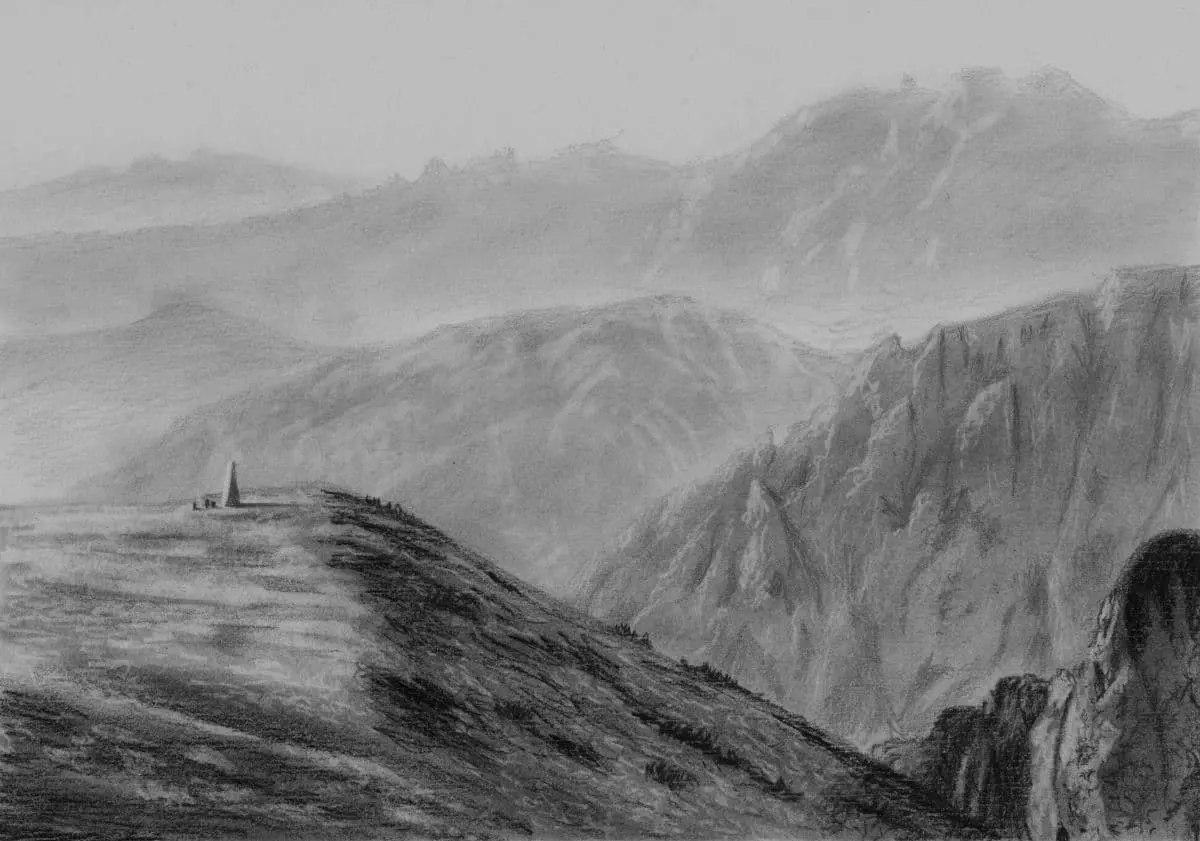
For spooky art, the quality of your blacks is paramount. Charcoal and soft graphite pencils are ideal for creating deep, rich shadows that define the darkness. Charcoal, in particular, allows for smudging and blending, which is perfect for creating ghostly mists or soft, shadowy edges that are difficult to achieve with standard ballpoint pens or hard pencils.
If you prefer ink, use a brush pen to achieve varying line weights. A brush pen can transition from a thin, delicate line to a thick, bold stroke, allowing you to build up texture and depth quickly. Combining these media—such as using charcoal for backgrounds and ink for sharp, defined details—will give your work a professional, gritty aesthetic that enhances the overall spooky tone of your finished piece.
Key facts
- Use high-contrast lighting, such as chiaroscuro, to create deep shadows that obscure details and heighten suspense.
- Focus on "uncanny valley" proportions by slightly elongating limbs or distorting facial features to make figures feel unsettling.
- Incorporate textures like decaying wood, cobwebs, or cracked skin to add tactile realism to supernatural subjects.
- Study anatomy, specifically the skeletal structure, to ensure that even monstrous creations feel grounded in biological logic.
- Limit your color palette to desaturated tones, greys, or monochromatic schemes to emphasize mood over vibrancy.
- Practice drawing eyes with minimal highlights, as "dead" or hollow eyes are a universal trigger for fear.
The bottom line
Creating effective horror art relies on manipulating light, shadow, and psychological discomfort rather than relying solely on shocking imagery. By mastering high-contrast techniques and subtle anatomical distortions, you can evoke a sense of dread that lingers with the viewer. Focus on the power of suggestion and the mystery of the unseen to elevate your drawings from simple illustrations into truly unsettling works of dark visual storytelling.
People also ask
How do I make a drawing look scarier without using gore?
Focus on atmosphere and the unknown rather than violence. Use long, distorted shadows, claustrophobic compositions, and subtle, misplaced details that suggest something is wrong with the environment.
What are the best pencils for creating dark, moody drawings?
Use soft graphite pencils ranging from 4B to 8B to achieve deep, velvety blacks. These pencils allow for smooth transitions in shadows and can be easily smudged for a hazy, ghost-like effect.
Why do human-like figures often look creepier than monsters?
The uncanny valley effect occurs when a figure looks almost human but has slight, unnatural flaws. This cognitive dissonance triggers a stronger fear response than a clearly fictional creature.
Should I use ink or charcoal for horror art?
Charcoal is ideal for soft, smoky, and ethereal effects, while ink provides sharp, high-contrast lines. Many artists combine both to create a mix of crisp edges and unsettling, blurred backgrounds.
How can I draw a scary forest setting?
Focus on vertical lines to mimic tall, thin trees and use tangled, chaotic branches to trap the viewer’s eye. Keep the ground level obscured by fog or darkness to hide what might be lurking there.
Is it better to draw a monster fully or partially hidden?
Partial concealment is almost always more effective. By leaving parts of the creature in darkness or behind obstacles, you force the viewer’s imagination to fill in the gaps, which is often scarier than the actual design.
This answer was created with the help of AI research tools and reference sources. Spotted an error? Let us know — we correct mistakes quickly. See our editorial policy.