How do you draw a ski lodge step by step?
Short answer
Drawing a ski lodge requires establishing a sturdy A-frame or rectangular base, adding steep rooflines to shed heavy snow, and incorporating rustic architectural details like timber logs and stone chimneys. By focusing on geometric perspective and cozy textures, you can create a realistic mountain retreat that evokes a classic winter atmosphere.
On this page
How to sketch the basic structure of a ski lodge
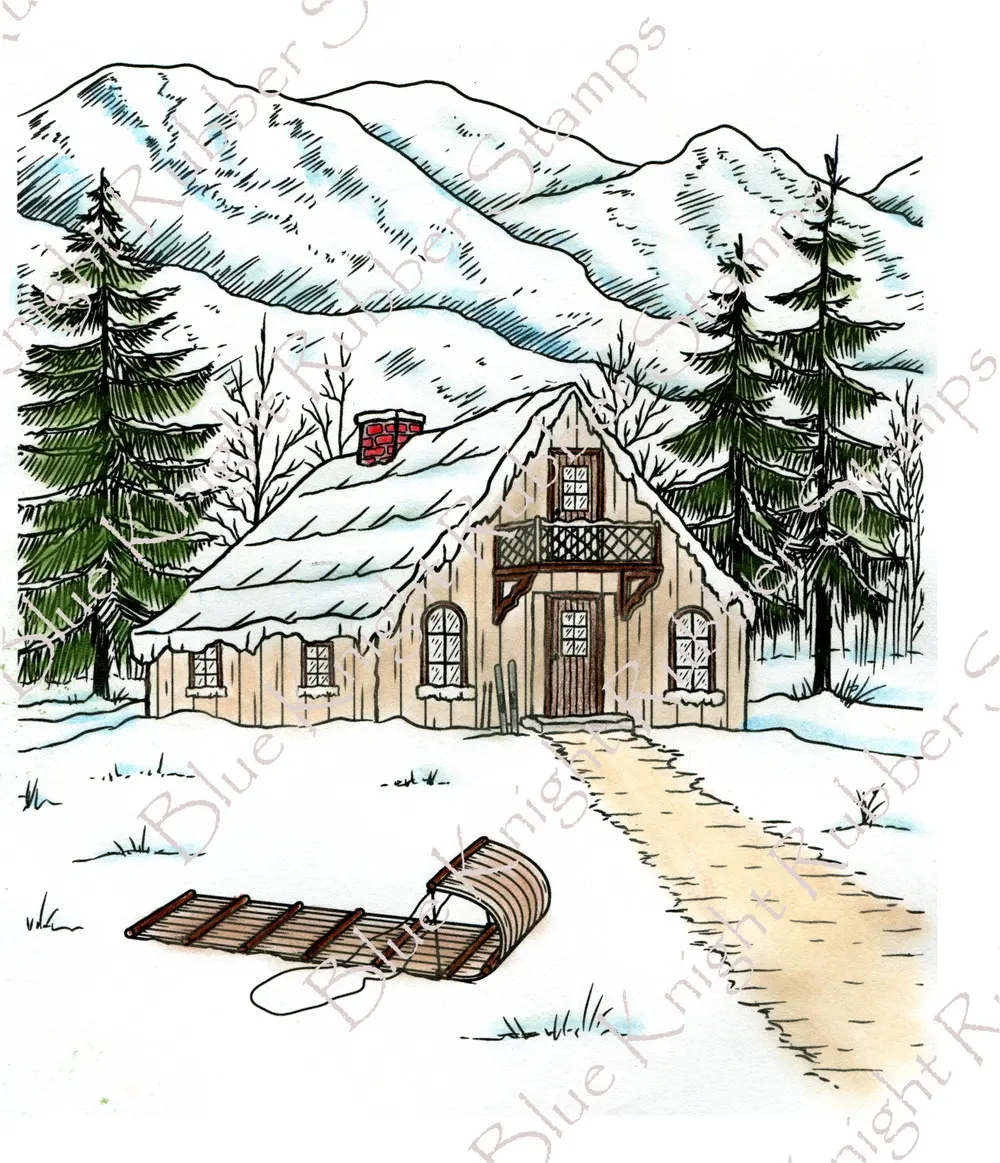
The foundation of a compelling ski lodge drawing begins with perspective. Start by drawing a large, wide rectangle or a tall triangle to represent the main cabin body. If you choose an A-frame design, ensure the roof slopes are steep enough to suggest a functional design intended to prevent snow accumulation. Use a light pencil to map out a horizon line, ensuring your structure sits firmly on the ground rather than appearing to float.
Once the primary shape is established, add depth by drawing a second vertical line for the side wall, creating a three-dimensional box. Incorporate these steps to build your initial frame:
- Draw a central triangle for the main roof peak.
- Extend two parallel lines downward to define the walls.
- Add a smaller rectangle on the side if you want to include an attached mudroom or storage shed.
- Sketch a faint line connecting the corners to establish the ground plane.
How to add realistic architectural details
A ski lodge requires specific features to look authentic. Focus on the roof first, as this is the most prominent visual element. Draw thick, overlapping lines to represent wooden shingles or metal roofing. Add a wide, sturdy chimney made of stone on one side; use irregular, jagged shapes to mimic the texture of stacked rocks. This adds a sense of weight and warmth to the structure.
Next, focus on the windows and doors. Ski lodges typically feature large, multi-pane windows designed to capture mountain views. Draw these using clean, straight lines, and consider adding window boxes or shutters for a rustic aesthetic. Doors should appear heavy and solid, perhaps with a decorative archway or a porch overhang. Keep your lines sharp and consistent to ensure the lodge looks well-constructed rather than haphazardly assembled.
How to create a winter environment
The setting is just as important as the building itself. To ground your lodge in a snowy landscape, draw rolling, uneven lines around the base of the structure to represent snowdrifts. Add a few evergreen trees—pines or firs—using jagged, triangular shapes to create depth. You can vary the size of these trees to create a sense of distance, placing smaller ones near the horizon and larger ones in the foreground.
Consider adding atmospheric elements to enhance the winter mood:
- Draw thin, vertical strokes to suggest falling snow.
- Add a small puff of smoke rising from the chimney using soft, circular clouds.
- Sketch a path leading to the front door, using curved lines to show where snow has been cleared.
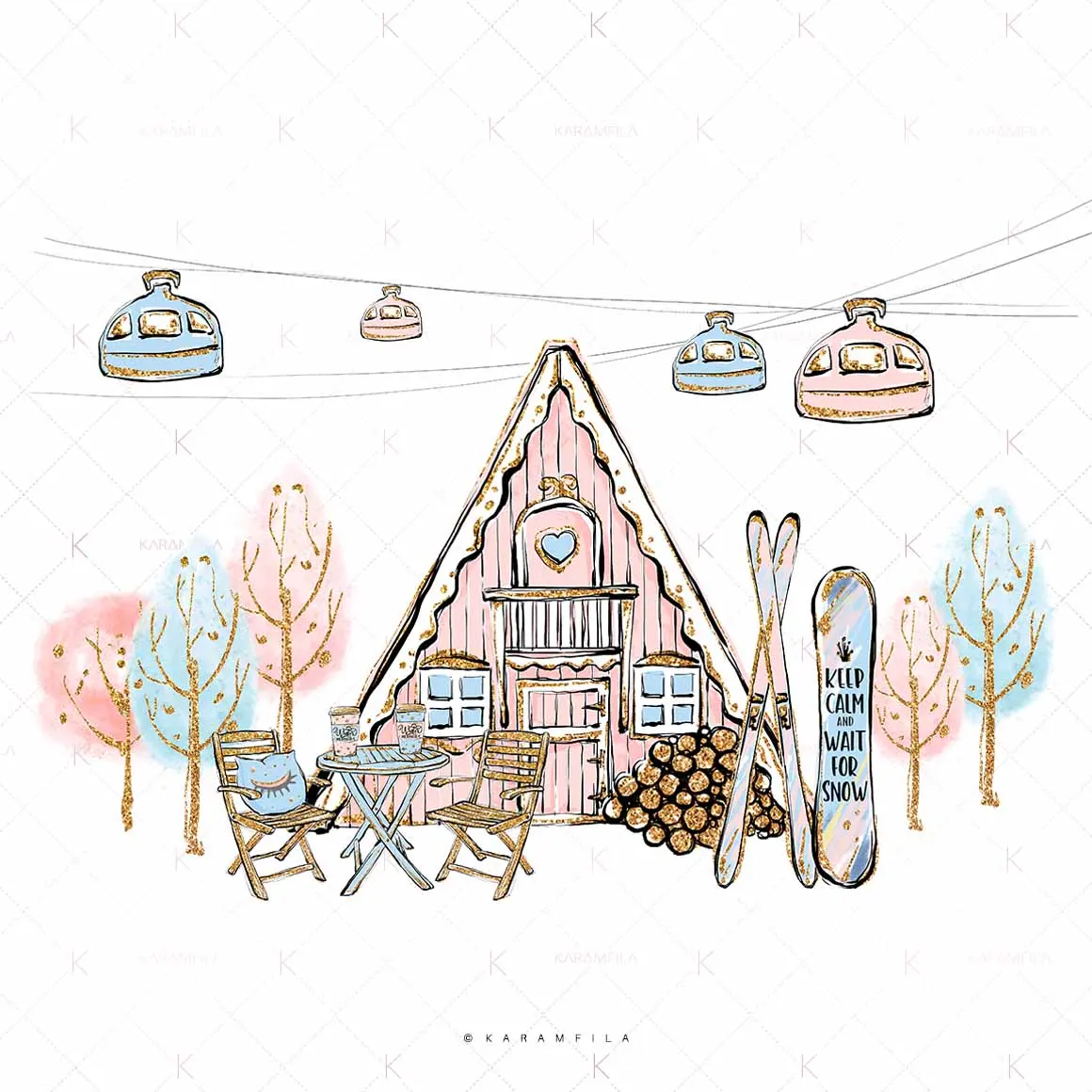
- Include a wooden fence or a pair of skis leaning against the wall to provide scale and human interest.
Common mistakes when drawing a ski lodge
One frequent error is failing to maintain consistent perspective. Beginners often draw the roof at an angle that does not match the walls, making the building appear distorted. Always ensure your vanishing points align so the structure looks solid. Another common mistake is making the windows too small; ski lodges are famous for their expansive glass, so don't be afraid to make them a focal point.
Texture is another area where artists often struggle. If you draw the wood grain or stone patterns too uniformly, the lodge will look like a flat illustration rather than a rustic building. Use varied line weights and hatching to suggest the roughness of timber logs or the uneven surface of stone. Avoid using perfectly straight, ruler-drawn lines for natural materials, as this removes the organic charm essential to mountain architecture.
Best shading techniques for a cozy look
Shading transforms a simple line drawing into a professional-looking scene. Identify where your light source is located—usually the sun—and apply darker tones to the opposite side of the building. Use cross-hatching or smooth graphite smudging to create shadows under the roof eaves and behind the chimney. These shadows add necessary contrast, making the lodge pop against the white, snowy background of your paper.
To emphasize the "cozy" feeling of a ski lodge, focus your shading around the windows and the front door. By making these areas slightly brighter or adding a warm glow effect, you suggest that the interior is heated and inviting. Use a kneaded eraser to lift some graphite from the snow-covered roof, creating highlights that suggest sunlight reflecting off the ice. This final attention to light and shadow brings your mountain retreat to life, completing the scene with a professional and polished finish.
Key facts
- A classic ski lodge design relies on a steep, triangular roofline to shed heavy snow loads efficiently.
- Use a vanishing point perspective to ensure the lodge appears three-dimensional and structurally sound on the page.
- Incorporate large, floor-to-ceiling windows to maximize natural light and capture mountain views.
- Natural materials like exposed timber beams and stone chimneys define the aesthetic of an authentic alpine structure.
- Always sketch your horizon line first to establish the scale and height of the building relative to the landscape.
- Balance the composition by adding evergreen trees or snowdrifts around the base to ground the building in its environment.
The bottom line
Drawing a ski lodge requires a blend of structural precision and natural detail. By establishing a strong two-point perspective and emphasizing steep rooflines, you create a building that looks capable of enduring alpine winters. Focus on incorporating textures like timber and stone, while using lighting effects in the windows to evoke a sense of warmth, ultimately grounding your architectural sketch within a realistic, snowy mountain landscape.
People also ask
What is the best perspective for drawing a building?
Two-point perspective is ideal for architectural drawings because it shows both the front and side of the structure. This technique provides depth and makes the ski lodge look realistic rather than flat.
How do I draw realistic snow on a roof?
Draw thick, slightly rounded lines along the eaves of the roof to represent snow accumulation. Avoid perfectly straight lines, as snow naturally drifts and settles in organic, heavy clumps.
Should I use a ruler for a ski lodge drawing?
Use a ruler for the main structural lines to ensure the walls and roof angles are precise. You can switch to freehand sketching for details like wood grain, stone textures, and surrounding trees.
How can I make the lodge look cozy?
Add warm yellow or orange shading in the windows to suggest interior lighting. Including a plume of smoke rising from a stone chimney further emphasizes the warmth and comfort of the lodge.
What is the most common mistake when drawing a lodge?
Many beginners make the roof pitch too shallow, which looks unrealistic for a snowy climate. Ensure the roof is steep enough to handle heavy snowfall, which is a hallmark of alpine architecture.
How do I draw stone textures for the chimney?
Instead of drawing perfect circles, use irregular, overlapping polygons. Vary the size of these shapes and leave small gaps between them to represent the mortar joints.
This answer was created with the help of AI research tools and reference sources. Spotted an error? Let us know — we correct mistakes quickly. See our editorial policy.