How do you draw a cafe?
Short answer
Drawing a cafe requires establishing a strong perspective, defining the main architectural lines, and layering in atmospheric details. Begin by sketching a vanishing point to ground the room’s depth. Focus on the counter, seating arrangements, and lighting to create a sense of scale, then add textures and human figures to complete the scene.
On this page
How to draw a cafe in one-point perspective
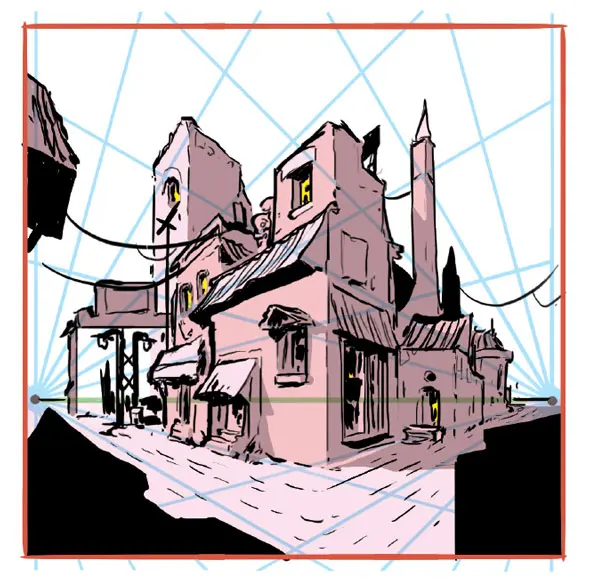
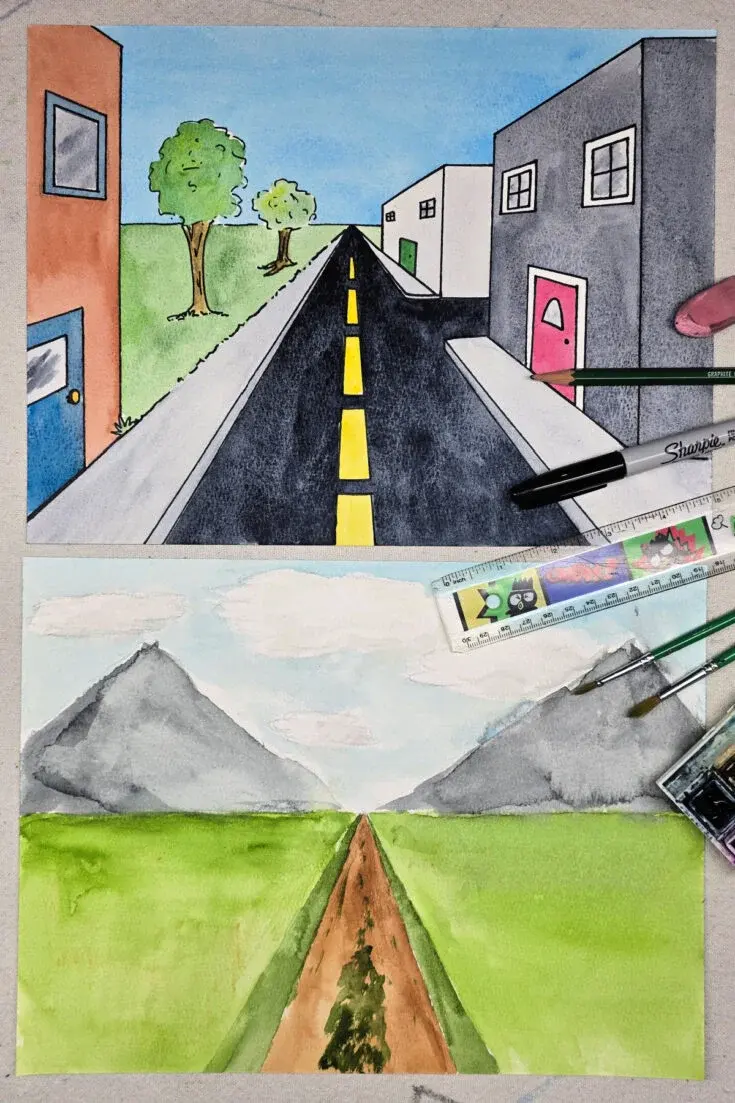
The most effective way to capture a cafe’s interior is using one-point perspective. This technique relies on a single vanishing point located on the horizon line, where all parallel lines—such as the edges of tables, floorboards, or ceiling beams—appear to converge. By placing this point on your paper, you create an immediate sense of depth that draws the viewer into the space.
Start by drawing a horizontal line across the middle of your page to serve as the eye level. Place a small dot in the center, then draw light construction lines emanating from this point toward the corners of your paper. These lines act as a grid for your furniture and walls. Once the structure is established, you can build the cafe's key elements:
- Sketch the back wall as a rectangle centered around your vanishing point.
- Use the diagonal lines to align the sides of tables and the counter.
- Keep your lines light initially so they can be erased or refined later.
Best drawing tools for beginners
For those starting out, simplicity is key to mastering composition without getting bogged down by complex equipment. A standard HB pencil is ideal for initial layout sketches, as it is soft enough to be erased easily. You should also have a 2B or 4B pencil for adding darker shadows and defining the final outlines once the structure is correct.
Beyond pencils, consider these essential tools for your kit:
- A high-quality kneaded eraser, which allows you to lift graphite without damaging the paper surface.
- A metal ruler or straightedge to ensure your perspective lines remain perfectly sharp and accurate.
- A sketchbook with at least 100-pound weight paper to prevent smudging and allow for light shading.
- Fine-liner pens in various tip sizes for adding permanent, crisp details once your pencil work is finished.
How to add depth and atmosphere
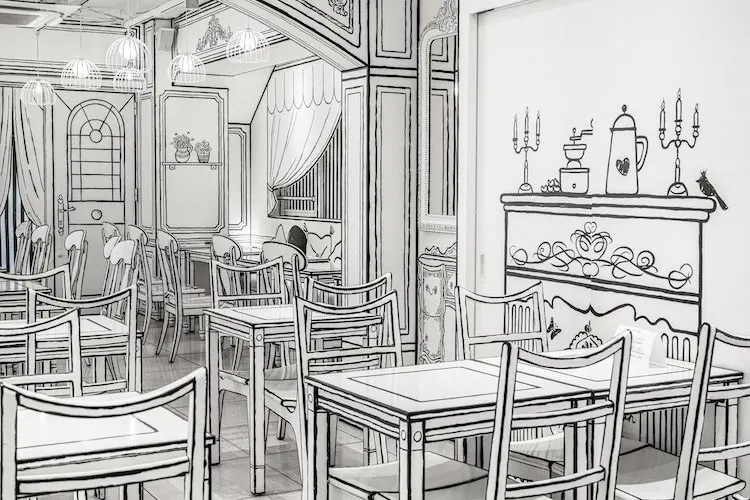
A drawing often feels flat if it lacks varying levels of contrast and texture. To make a cafe look lived-in, focus on the interplay between light and shadow. Use your darkest pencils to emphasize the areas underneath tables, inside corners, or behind the espresso machine. This contrast creates a three-dimensional effect that makes the furniture pop away from the background.
Texture also plays a vital role in grounding the scene. Instead of drawing smooth, blank surfaces, indicate the grain of wooden tables or the reflective quality of glass windows. Consider adding small, specific details that define the environment:
- Draw steam rising from a cup to suggest warmth and activity.
- Add hanging light fixtures, which help define the ceiling height and provide focal points.
- Include subtle patterns on the floor or walls to break up large, empty spaces.
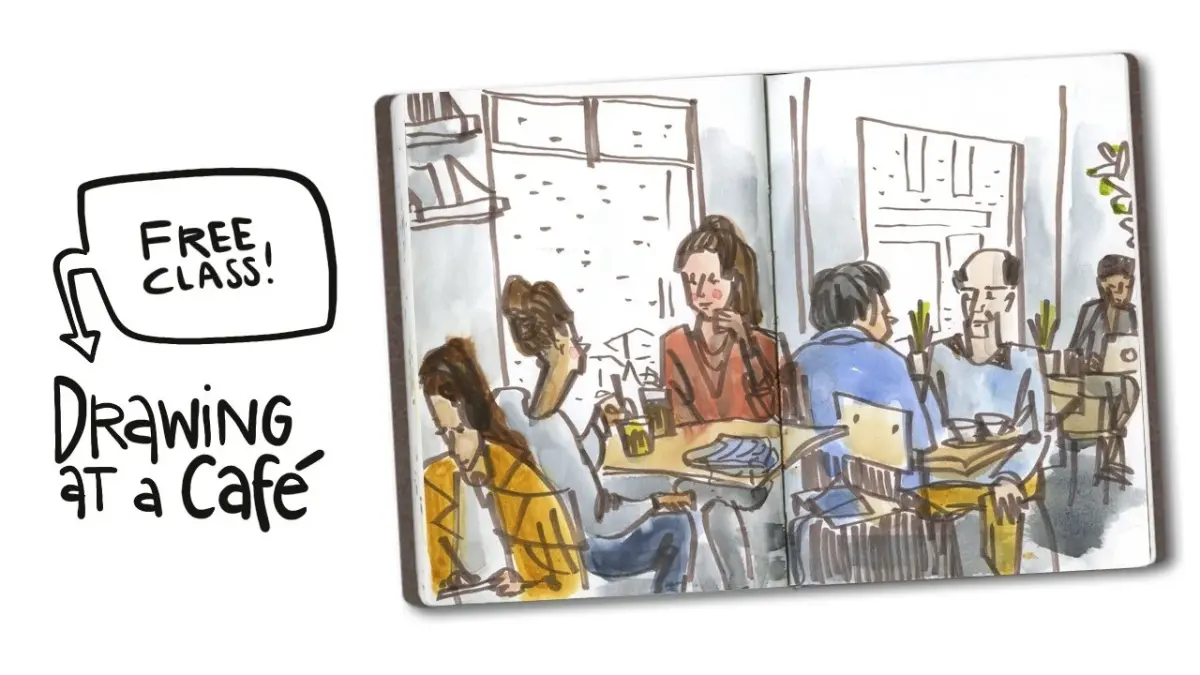
Common mistakes when drawing cafes
One of the most frequent errors is neglecting the scale of human figures within the space. If your chairs are too small or the counter is too high compared to a person, the entire perspective will feel distorted. Always sketch a placeholder figure to ensure your furniture heights align with average human proportions, which are typically based on a seated height of about three to four feet.
Another common mistake is overcrowding the composition with too much furniture. A cafe should feel inviting, not cluttered. If you try to draw every single chair and customer, the drawing becomes chaotic and loses its focus. Instead, prioritize the main features—such as the coffee bar or a prominent window view—and leave some negative space around them. This allows the viewer's eye to rest and makes the scene feel more authentic and professional.
How long does it take to draw a cafe?
The time required to complete a cafe drawing varies based on your skill level and the complexity of the scene. A quick, gestural sketch of a street-side cafe might take only 15 to 20 minutes. These drawings focus on the overall shape and mood rather than intricate details, making them perfect for practicing perspective and quick observation in a busy environment.
For a more detailed, finished illustration, expect to spend anywhere from two to four hours. This process involves:
- 30 minutes for the initial structural layout and perspective grid.
- 60 minutes for refining the furniture and adding architectural details.
- 60 to 90 minutes for shading, textures, and final ink work.
Patience is essential, especially when working on the geometric accuracy of the room. Do not rush the construction phase, as the entire drawing depends on the integrity of your initial perspective lines. Take breaks to step back from your work, as this helps you spot errors in proportion that might not be visible when you are leaning close to the paper.
Key facts
- Use one-point perspective by drawing a single vanishing point on the horizon line to create depth.
- Sketch large geometric shapes first, such as rectangular prisms for tables and cylinders for chairs, before adding details.
- Establish the eye level of the viewer early, as this dictates where the tables and counters will sit on the page.
- Focus on the "negative space" between chair legs and table edges to ensure objects look structurally sound.
- Incorporate light sources early to determine where shadows fall, which adds essential volume to flat surfaces.
- Vary your line weight by using thicker lines for foreground objects and thinner lines for distant background elements.
The bottom line
Drawing a cafe requires a solid grasp of linear perspective to create a believable three-dimensional space. By starting with basic geometric forms and establishing a clear vanishing point, you can build a stable foundation for your composition. Remember to prioritize scale and light, as these elements define the atmosphere. With practice, you will master the balance between architectural structure and the cozy details that define cafes.
People also ask
How do I make my drawing look like a real cafe interior?
Focus on consistent perspective lines that all converge at the same vanishing point. Adding clutter like menu boards, coffee cups, and wall art helps ground the scene in reality.
What is the best pencil grade for sketching a cafe?
Start with an HB pencil for light construction lines that are easy to erase. Switch to a 2B or 4B pencil once you are ready to add darker shadows and final outlines.
Should I draw the people or the furniture first?
Always draw the furniture first to establish the scale of the room. Once the environment is set, you can place figures in the space so they appear to be sitting correctly.
How do I draw a cafe window looking out onto a street?
Treat the window as a frame that shows a separate, flatter perspective. Keep the details outside the window less intense than the interior to maintain focus on the cafe.
What are the most common mistakes beginners make?
Beginners often fail to align all parallel lines to the vanishing point, causing the room to look tilted. Another error is drawing objects too large, which makes the room feel cramped.
How can I add texture to my cafe drawing?
Use short, rhythmic marks to suggest wood grain on tables or cross-hatching to represent the fabric of upholstered chairs. Keep these textures subtle so they do not distract from the overall room structure.
This answer was created with the help of AI research tools and reference sources. Spotted an error? Let us know — we correct mistakes quickly. See our editorial policy.