How do you draw with graphite powder?
Short answer
Drawing with graphite powder involves applying finely ground carbon particles to paper using brushes, sponges, or soft cloths. By manipulating the powder with various tools, artists create smooth gradients, deep shadows, and atmospheric textures. It is a versatile medium that allows for rapid coverage of large areas and intricate, delicate shading effects.
On this page
What tools are needed for graphite powder drawing?
To begin working with graphite powder, you need a few essential supplies that differ from standard pencil drawing. The most important tool is the graphite powder itself, which is sold in small jars or tubs. You will also need a variety of soft-bristled brushes, such as watercolor or makeup brushes, to move the powder across the surface. Synthetic brushes are often preferred because they are durable and hold the powder well without shedding fibers onto your work.
In addition to brushes, you should have a collection of blending stumps, tortillons, and soft cotton rags. These tools allow you to push the graphite into the paper fibers to create consistent tones. You will also need high-quality drawing paper with a slight tooth, as smooth surfaces may not hold the powder effectively. A kneaded eraser is vital for lifting graphite to create highlights or clean up edges, and a fixative spray is necessary to prevent the finished drawing from smudging.
- High-quality graphite powder (fine grade).
- A selection of soft synthetic brushes in varying sizes.
- Blending stumps and soft cotton cloths.
- Heavyweight drawing paper with a medium tooth.
- A kneaded eraser and a workable fixative spray.
How to apply graphite powder to paper
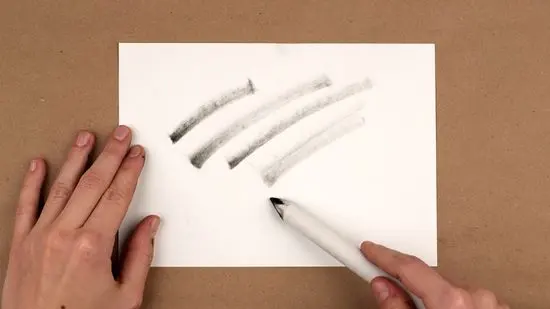
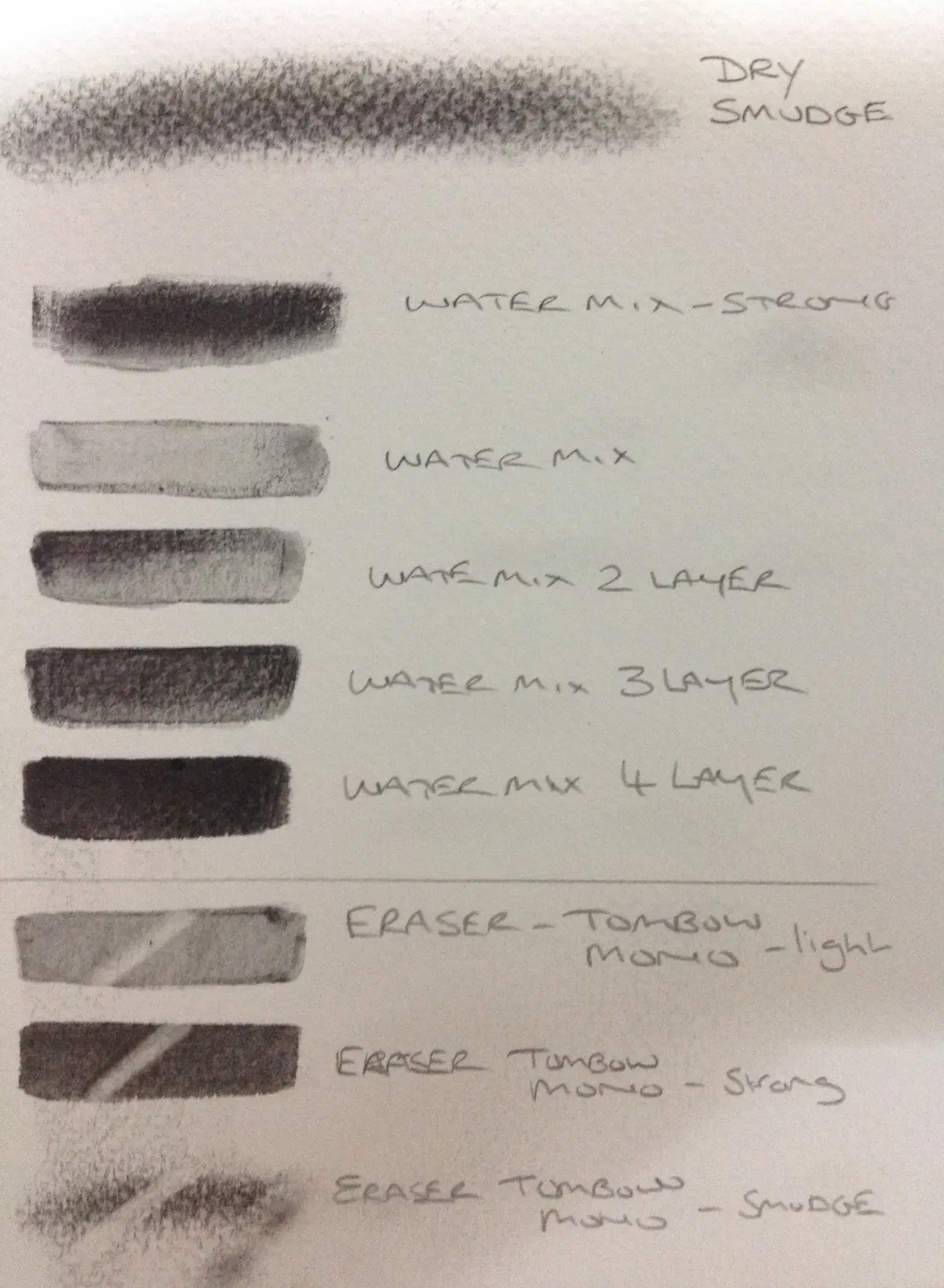
Applying graphite powder is a process of building layers rather than drawing lines. Start by pouring a small amount of powder onto a palette or a piece of scrap paper. Dip your brush lightly into the powder, then tap off the excess to ensure you do not apply too much at once. Gently buff the powder into the paper using circular motions, starting from the center of the area you wish to shade and working outward toward the edges.
You can achieve different values by controlling the pressure and the amount of powder used. For lighter tones, use a very soft touch and a nearly empty brush. For darker, richer blacks, layer the powder gradually, buffing it firmly into the paper's texture. Always work from light to dark, as it is difficult to remove excess powder once it has been deeply embedded in the paper. If you need to darken specific areas, repeat the process with additional thin layers until you reach the desired intensity.
- Load the brush sparingly to maintain control over the value.
- Use circular motions for smooth, even gradients.
- Build up darkness slowly to avoid muddy or uneven patches.
- Use a clean brush to soften edges and transition between tones.
Best techniques for creating textures and details
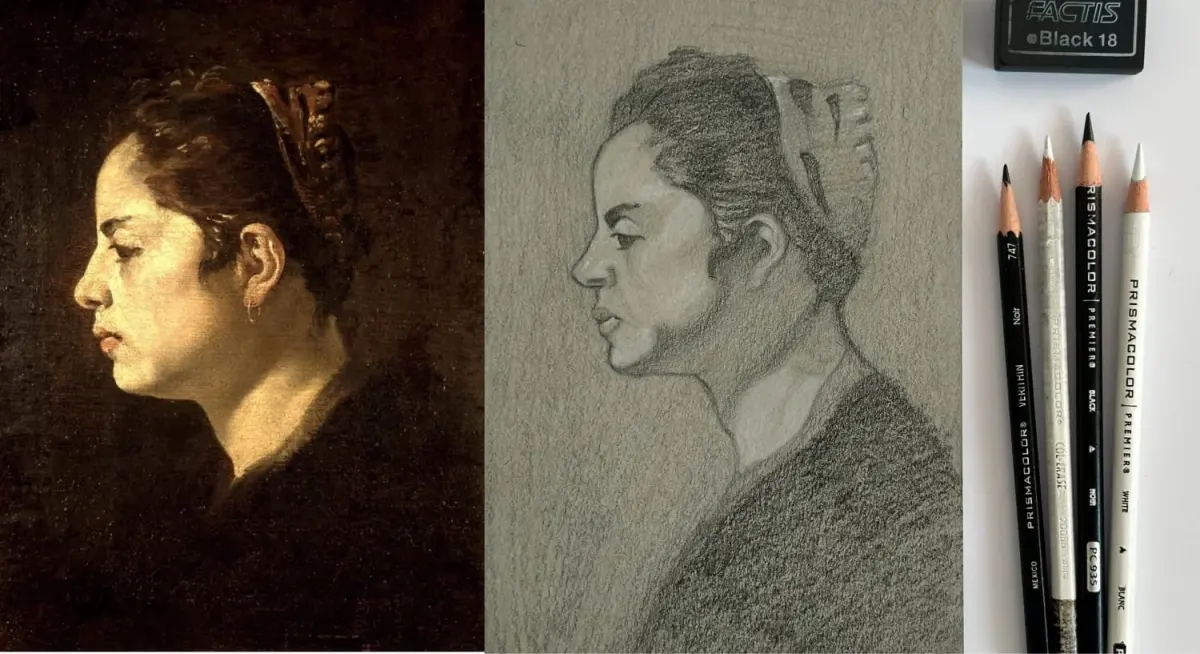
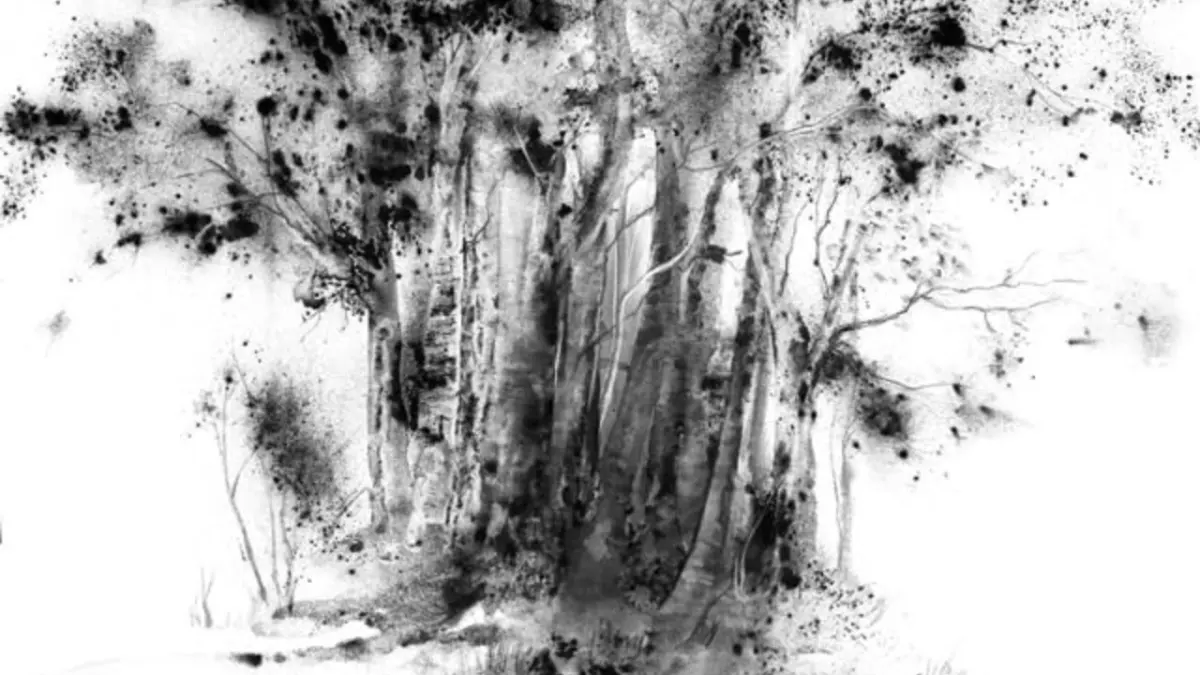
While graphite powder is excellent for large, smooth backgrounds, it can also be used for intricate details. Once the base layer is established, you can use a sharpened graphite pencil to draw fine lines or textures directly over the powder. The powder provides a mid-tone foundation that makes the contrast of the pencil marks appear more dramatic. You can also use a kneaded eraser to "draw" into the graphite, lifting out fine lines, hair, or highlights by shaping the eraser into a precise point.
Another technique involves using stencils or masks to create sharp edges. By placing a piece of paper over your drawing, you can buff the powder right up to the edge of the mask, resulting in a crisp, clean line that is difficult to achieve with a brush alone. Experimenting with different textures, such as using a sponge or a piece of textured fabric to apply the powder, can also create unique organic patterns that mimic skin, stone, or foliage.
Common mistakes when using graphite powder
One of the most frequent errors beginners make is applying too much graphite powder at once. This leads to dark, blotchy areas that are impossible to smooth out or erase. Always remember that you can add more, but removing excess powder often damages the surface of the paper. Another common mistake is failing to secure the work with a fixative. Because the powder sits loosely on top of the paper, it is highly susceptible to smudging if touched or stored improperly.
Artists also often forget to protect the surrounding areas of their drawing. Graphite powder is extremely fine and can easily travel across the page if you are not careful. Use a "bridge" or a piece of scrap paper to rest your hand on while working, ensuring you do not accidentally drag graphite into areas that should remain white. Finally, avoid using low-quality paper, as the powder will not adhere well and will create a grainy, inconsistent look rather than a smooth, professional finish.
- Applying too much powder in a single layer.
- Forgetting to use a fixative to prevent smudging.
- Failing to protect clean areas from accidental graphite transfer.
- Using paper with insufficient tooth for the powder to grip.
- Pressing too hard, which can burnish the paper and prevent further layering.
How to maintain and protect your finished drawings
Once your drawing is complete, protecting it is the final and most critical step. Graphite powder is a loose medium, meaning it remains vulnerable to movement and contact even after you finish. To preserve your work, apply a high-quality workable fixative spray in thin, even coats. Hold the can at least 12 inches away from the paper and move it in a sweeping motion to avoid pooling or spotting. Allow the first coat to dry completely before applying a second, as this prevents the graphite from shifting or darkening unexpectedly.
Store your finished drawings in a portfolio with acid-free glassine paper placed between each sheet. This prevents the graphite from rubbing off onto the back of other drawings or the folder itself. If you intend to frame your work, ensure it is matted so that the surface of the drawing does not touch the glass. Proper storage and protection will ensure that your graphite powder drawings remain crisp and vibrant for many years to come.
Key facts
- Graphite powder is finely ground carbon that allows artists to cover large areas of paper much faster than using a traditional pencil.
- Use a soft, natural-hair brush or a makeup sponge to apply the powder, as these tools provide better control over blending.
- Always work on a heavy-weight, toothy paper like Bristol board or cold-press watercolor paper to ensure the fine particles adhere properly.
- A little goes a long way; start with a tiny amount of powder on a palette and add more gradually to avoid dark, muddy patches.
- Use a kneaded eraser to lift powder off the page, which allows you to create highlights and clean up edges in your drawing.
- Seal your finished work with a high-quality workable fixative spray to prevent the graphite from smudging or rubbing off over time.
The bottom line
Drawing with graphite powder is an efficient technique for creating smooth gradients, atmospheric depth, and expansive backgrounds. By using soft tools and applying the medium in light, buildable layers, you can achieve a professional finish that far exceeds the limitations of standard pencils. Always prioritize workspace cleanliness and proper sealing to ensure your artwork remains crisp, smudge-free, and preserved for years of enjoyment and display.
People also ask
Can I mix graphite powder with other mediums?
Yes, you can mix it with water or acrylic mediums to create a paint-like consistency for washes. However, test your mixture on scrap paper first to see how the texture changes when it dries.
How do I prevent the powder from getting everywhere?
Keep your workspace clean by placing a piece of scrap paper under your hand while you draw. You should also tap your brush against the side of a container before touching the paper to remove excess dust.
Is graphite powder toxic?
Graphite is generally non-toxic, but inhaling fine particles can irritate your lungs. It is best to work in a well-ventilated area and avoid blowing excess powder off your drawing with your mouth.
What is the difference between powder and a graphite stick?
Powder is loose and ideal for shading large, atmospheric backgrounds or soft gradients. Sticks are solid blocks of compressed graphite used for bolder, more direct marks and structural sketching.
How do I achieve deep blacks with powder?
You can build up layers by applying light coats and burnishing them into the paper with a blending stump. Some artists also use a soft 6B or 8B pencil over the powder to deepen the darkest shadows.
Can I use graphite powder on canvas?
You can, but the surface must be primed with a gesso that has enough "tooth" to grab the powder. Without a textured primer, the graphite will simply slide off the smooth surface of the canvas.
This answer was created with the help of AI research tools and reference sources. Spotted an error? Let us know — we correct mistakes quickly. See our editorial policy.