What should I draw when I'm bored?
Short answer
When you are bored, draw subjects that challenge your technical skills or spark your imagination. Focus on observational studies, imaginative character design, or abstract patterns to break creative blocks. Whether you choose still-life objects, surreal landscapes, or anatomical sketches, the key is to prioritize the process of drawing over achieving perfection.
On this page
What to draw when bored
When boredom strikes, the most effective strategy is to look at your immediate surroundings for inspiration. Observational drawing is a fundamental practice that improves hand-eye coordination and spatial reasoning. You can start by sketching the contents of your desk, such as a coffee mug, a pair of glasses, or a houseplant. These objects offer complex shapes, textures, and lighting patterns that provide a perfect exercise for any skill level.
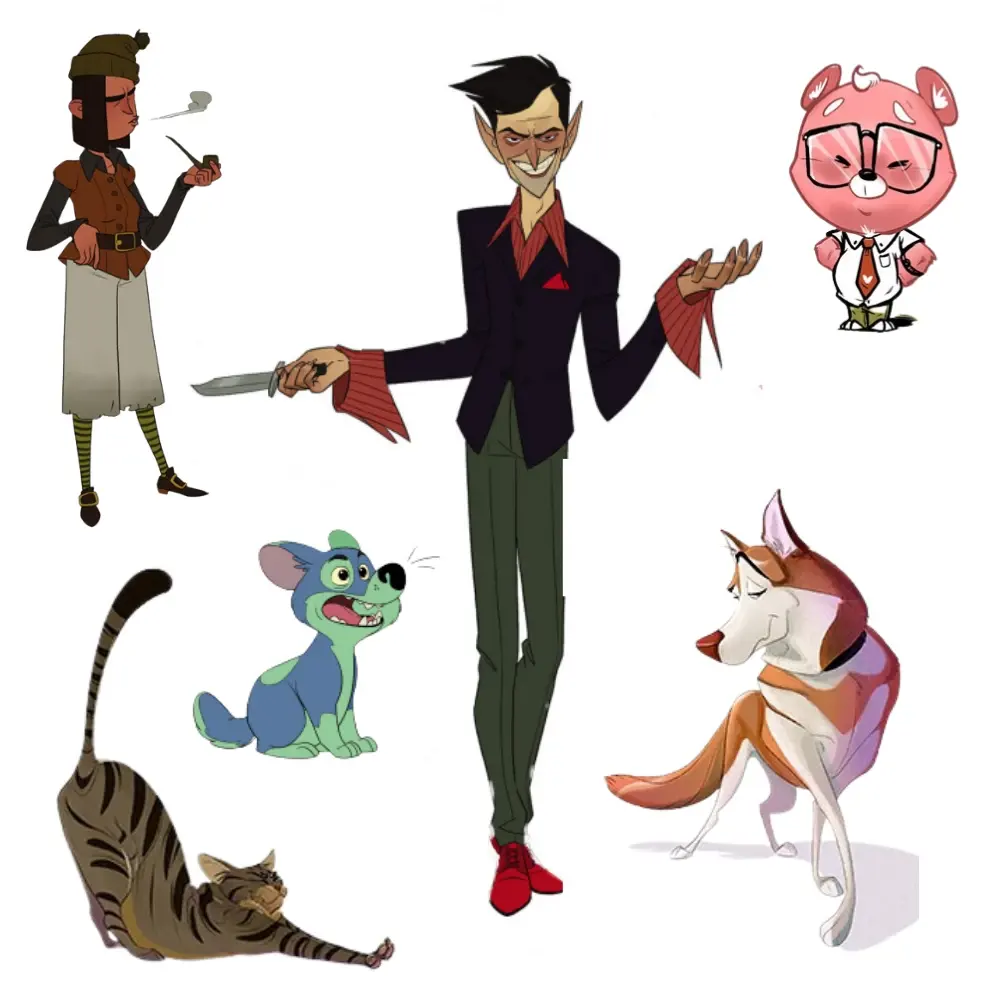
If you prefer to work from your imagination, try combining two unrelated concepts into a single sketch. For example, draw a mechanical version of a common animal or a plant growing out of an everyday household appliance. This technique, often called "mash-up" sketching, forces your brain to solve visual problems and prevents you from relying on repetitive patterns. By limiting your tools to a single pen or pencil, you can focus entirely on form and composition without the distraction of color theory.
How to find drawing inspiration
Finding inspiration often requires shifting your perspective rather than waiting for a spark of genius. Many artists use "drawing prompts" to bypass the anxiety of a blank page. These prompts can be as simple as a single word or as complex as a detailed scenario. You can find lists of daily prompts online or create your own jar filled with slips of paper containing various subjects, styles, and moods.
- Select a random object from your room to serve as the primary focus.
- Set a timer for five minutes to complete a "gesture drawing," focusing on the overall shape rather than details.
- Add one unexpected element to the sketch, such as changing the object's scale or environment.
- Refine the lines and add shading to give the object depth and weight.
By following these steps, you transform a mundane moment into a structured exercise that builds artistic discipline and confidence.
Best drawing ideas for beginners
Beginners often struggle with the pressure to create a "masterpiece" immediately, which leads to frustration and abandonment of the practice. Instead, focus on low-stakes subjects that allow you to experiment with line weight and pressure. Simple geometric shapes, repetitive patterns, or basic anatomy studies are excellent starting points. These exercises help you understand how light hits a surface and how shadows define the volume of an object.
- Draw a single piece of fruit from three different angles to understand perspective.
- Sketch your own hand in various positions to practice foreshortening and proportion.
- Copy a simple line drawing from a classic comic strip to learn about expressive mark-making.
- Create a "doodle map" of your neighborhood or a fictional city using only basic shapes.
These activities are manageable, require minimal setup, and provide immediate visual feedback. They help you build a library of mental references that you can draw upon for more complex future projects.
Why drawing helps with boredom
Drawing serves as a form of active meditation that engages the brain in a state of "flow." When you focus on the physical act of moving a pencil across paper, your stress levels decrease and your ability to concentrate improves. This cognitive shift happens because drawing requires you to observe details you would otherwise ignore, such as the subtle gradient of a shadow or the texture of a fabric. It forces you to slow down and process your environment in a deliberate, analytical way.
Furthermore, the act of creating something tangible provides a sense of accomplishment that passive activities like scrolling through a phone cannot replicate. Even a small, imperfect sketch represents a completed goal. This process releases dopamine, reinforcing the habit of creativity and making it easier to start the next time you feel restless. By treating drawing as a mental reset rather than a performance, you turn boredom into a productive period of growth.
Common mistakes when drawing
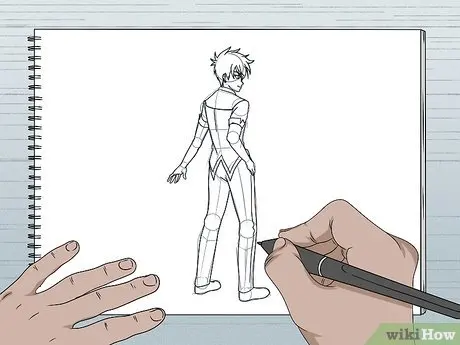
A frequent error is the tendency to focus too intensely on small details before establishing the overall structure. This often leads to distorted proportions and a lack of balance in the final image. Always start with light, loose guidelines to map out the composition. Once the foundational shapes are correct, you can gradually add details. If you find yourself getting stuck, step back and look at your work from a distance to see if the proportions feel natural.
Another mistake is the fear of making "bad" marks. Every line you draw is a learning opportunity, even if it does not look exactly like the reference. Avoid the urge to erase constantly; instead, incorporate "mistakes" into the design or simply move on to the next attempt. Perfectionism is the primary enemy of progress. By embracing the imperfections in your sketches, you develop a unique personal style and gain the courage to experiment with more difficult subjects in the future. Keep your materials accessible at all times to ensure that you can start drawing whenever the mood strikes.
Key facts
- Draw a "blind contour" of your hand by tracing the outline without looking down at your paper.
- Set a timer for 60 seconds and sketch an object in your room as quickly as possible to loosen your hand.
- Combine two unrelated objects, such as a toaster and a bird, to practice creative conceptual fusion.
- Use a limited palette of only three colors to force yourself to focus on value and contrast rather than hue.
- Sketch a "perspective grid" first to ensure your buildings or rooms have accurate vanishing points.
- Identify a single light source in your room and draw the shadows it creates to improve your understanding of form.
The bottom line
Overcoming creative boredom requires shifting your focus from producing a masterpiece to simply practicing technical observation. By limiting your tools, setting strict time constraints, or experimenting with new techniques like blind contouring, you remove the pressure of perfection. Remember that every sketch is an exercise in seeing rather than just drawing. Consistent practice, regardless of the subject matter, remains the most reliable path to artistic improvement.
People also ask
How do I overcome the fear of a blank page?
Start by making random marks, scribbles, or geometric shapes anywhere on the page to break the intimidation. Once the white space is interrupted, it becomes easier to build a composition around those initial lines.
Should I use a pencil or a pen?
Pencils are ideal for beginners because they allow for corrections and shading variations. Pens force you to commit to your lines, which helps develop confidence and prevents the common mistake of over-erasing.
How long should a practice session last?
Aim for 15 to 30 minutes of focused drawing to maintain engagement without causing burnout. Consistent, short sessions are significantly more effective for skill development than sporadic, multi-hour marathons.
What is the best way to improve my proportions?
Use your pencil as a measuring tool by holding it at arm's length to compare the relative sizes of objects. This technique helps you translate three-dimensional reality onto a two-dimensional surface with greater accuracy.
Why do my drawings look flat?
Flatness usually results from a lack of contrast between light and shadow. Focus on identifying the darkest shadows and the brightest highlights to create a sense of volume and depth.
Read the full answer →Is it better to draw from life or photos?
Drawing from life is superior for understanding depth, scale, and light behavior in real-time. Photos are useful for complex subjects, but they often flatten perspective and obscure subtle details that the human eye naturally perceives.
This answer was created with the help of AI research tools and reference sources. Spotted an error? Let us know — we correct mistakes quickly. See our editorial policy.