What is alcohol markers used for?
Short answer
Alcohol markers are professional-grade illustration tools containing dye-based ink dissolved in alcohol. They are primarily used by artists, designers, and hobbyists for smooth, streak-free coloring, blending, and layering. Because the solvent evaporates quickly, these markers allow for rapid work, vibrant saturation, and the ability to create seamless gradients on specialized paper.
On this page
What are alcohol markers used for?
Alcohol markers are versatile instruments favored for their ability to provide consistent, translucent color coverage. Unlike water-based markers, which can pill or tear paper, alcohol-based ink flows smoothly and dries almost instantly. This makes them the industry standard for fashion illustration, architectural rendering, product design, and comic book coloring. The ink is permanent, meaning it does not smear once dry, allowing artists to layer other media like colored pencils or fine-liner pens on top.
The primary appeal of these markers lies in their blending capabilities. Because the ink remains "wet" on the surface for a short window, users can overlap colors to create soft transitions or gradients. This property is essential for rendering three-dimensional forms, such as skin tones in portraits or metallic textures in industrial design. Whether used for professional storyboard sketches or intricate adult coloring books, these markers offer a level of professional finish that is difficult to achieve with traditional felt-tip pens or water-based alternatives.
How to blend alcohol markers effectively
Achieving a smooth gradient requires a specific technique often referred to as the "wet-on-wet" method. By applying a lighter color first and then layering a darker color while the ink is still damp, the pigments intermingle to create a natural transition. Using a colorless blender—a marker containing only the solvent—can further push the ink across the page to soften harsh edges.
- Apply a base layer of your lightest color to the entire area.
- Add the darker color to the edges or shadows while the base is still wet.
- Use the lighter marker or a colorless blender to pull the dark pigment toward the center.
- Repeat the process if necessary, ensuring the paper remains saturated enough to allow for movement.
Consistency is key, as allowing the ink to dry completely between layers will result in visible lines. It is also important to work quickly, as the alcohol solvent evaporates significantly faster than water-based mediums, limiting the time available for manipulation.
Best paper for alcohol markers
The choice of paper is arguably the most critical factor in achieving professional results with alcohol markers. Standard printer paper or thin sketchbook paper is generally unsuitable because it is too porous, causing the ink to bleed uncontrollably outside the lines and soak through to the back of the page. Instead, artists should look for specialized "marker paper" or heavy-weight cardstock with a smooth, non-porous coating.
- Marker pads: Specifically treated to prevent ink from bleeding through and to allow for longer blending times.
- Bristol board: A smooth, heavy-duty paper that holds ink well without excessive feathering.
- Vellum-finish cardstock: Provides a balance between texture and smooth ink flow for detailed work.
- Layout paper: Extremely thin and translucent, designed for quick sketches and architectural renderings.
Using the correct surface ensures that the ink sits on top of the fibers rather than soaking into them. This preserves the vibrancy of the colors and prevents the markers from drying out prematurely due to excessive ink absorption.
Common mistakes when using alcohol markers
One of the most frequent errors beginners make is over-saturating the paper. While alcohol markers require a certain amount of ink to blend, applying too much will cause the ink to pool and bleed past the intended boundaries. This is especially common when using low-quality paper that cannot hold the solvent. Another mistake is failing to cap markers tightly. Because the ink is alcohol-based, it is highly volatile and will evaporate if left exposed to air, rendering the marker useless within a short period.
- Storing markers upright: This can cause the ink to pool at one end, leading to uneven flow.
- Neglecting the nibs: Failing to clean the tips after using them on top of colored pencils can clog the fibers.
- Ignoring bleeding: Forgetting to place a protective sheet of scrap paper underneath the work, which leads to ruined desk surfaces.
- Overworking the paper: Scrubbing the nib against the paper surface repeatedly will cause the paper fibers to tear or pill.
Always store markers horizontally to ensure the ink remains evenly distributed between the chisel and brush nibs.
How to maintain alcohol markers
Proper maintenance significantly extends the lifespan of professional marker sets, which can be a substantial financial investment. The most important practice is to ensure the cap "clicks" securely every time you finish a stroke. If a marker feels dry, many brands offer refill bottles that allow you to replenish the internal reservoir, making them a sustainable choice for frequent users. Replacing the nibs is also possible with many high-end brands, allowing you to swap out frayed tips for fresh ones without needing to purchase an entirely new marker.
Regularly wiping the nibs on a clean scrap of paper after use prevents the buildup of dust or residue from other mediums. If you notice a marker is streaking, it is often a sign that the ink level is low or the nib is clogged. By keeping your tools clean and properly sealed, you ensure that your markers remain reliable and vibrant for years of creative projects. With consistent care, these markers will continue to provide the high-quality performance required for both professional illustrations and personal artistic endeavors.
Key facts
- Alcohol markers use a dye-based ink dissolved in alcohol, which allows for rapid drying and smooth blending.
- These markers are permanent and work best on non-porous surfaces like marker paper or Bristol board.
- The ink is translucent, meaning you can layer colors to create depth, gradients, and subtle shading.
- Always store markers horizontally to ensure the ink remains evenly distributed between the two nibs.
- Use a "blender" marker, which contains only the alcohol solvent, to soften edges or correct minor mistakes.
- Alcohol ink bleeds through standard printer paper, so always place a protective sheet underneath your work.
The bottom line
Alcohol markers are versatile tools essential for illustrators, designers, and hobbyists who prioritize smooth gradients and vibrant, layering capabilities. By choosing the correct paper, working quickly to maintain wet edges, and storing markers horizontally, you can achieve professional-quality results. While they require practice to master the blending process, their ability to create translucent, streak-free color makes them a superior choice for rendering detailed, high-impact artwork.
People also ask
Can you use alcohol markers on regular paper?
You can, but it is not recommended because the ink will bleed through the page and feather at the edges. Using specialized marker paper prevents ink waste and ensures crisp, clean lines.
How do you blend colors with alcohol markers?
Apply a light color first, then add a darker color while the ink is still wet. Use the light marker again to overlap the two colors, which pulls the pigment together for a seamless gradient.
Why do my markers have streaks when I color?
Streaking usually occurs when you color too slowly or allow the ink to dry before adding another layer. Work quickly in circular or back-and-forth motions to keep the ink wet during application.
Are alcohol markers toxic?
Most brands contain solvents that emit fumes, so it is important to work in a well-ventilated area. While modern markers are generally safe for casual use, they should not be ingested or used on skin.
How long do alcohol markers last?
Longevity depends on frequency of use and proper cap maintenance. If a marker feels dry, many professional brands offer refill ink bottles and replaceable nibs to extend the tool's life indefinitely.
Do alcohol markers fade over time?
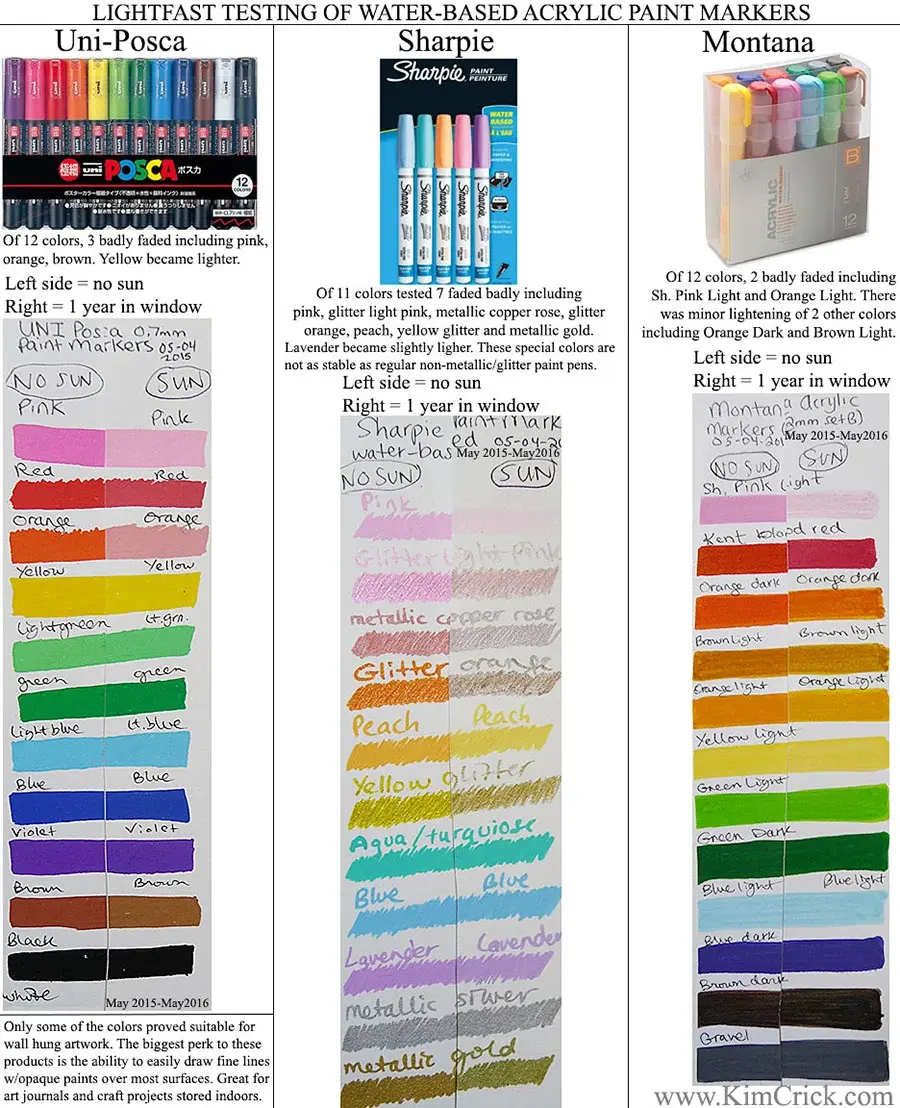
Because they are dye-based, alcohol markers are not lightfast and will fade if exposed to direct sunlight for long periods. Keep finished artwork in a portfolio or frame it behind UV-protective glass.
This answer was created with the help of AI research tools and reference sources. Spotted an error? Let us know — we correct mistakes quickly. See our editorial policy.